
 Previzualizare
 Trimite
 Distribuie
 Detalii despre lucrare

 Descarcă
 Produse similare
 Radiografie
 Diapozitive automate
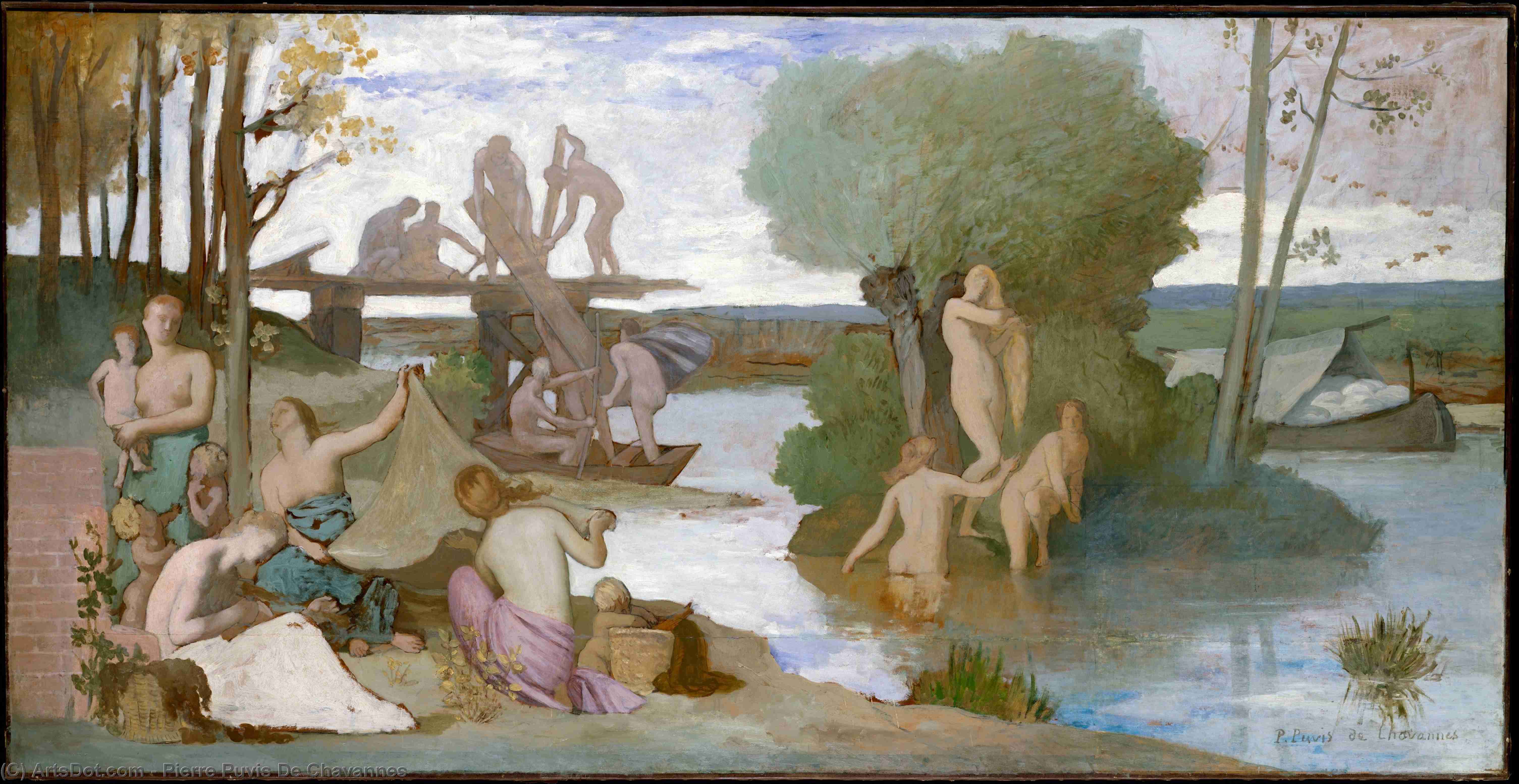
The River


 Vezi mai mult
Reproducere pictată manual în ulei
Pictură în ulei pe pânză, realizată manual de artiștii noștri la dimensiunea și ramele dorite de dumneavoastră, pe comandă. ( Comandă printul Cumpără imaginea)




P118B $10

P118H $10

P118W $10

P438Z $10

P508JH $12

P508YH $12

P805H $10

P805Z $10

P919BZ $10

P919G $10

P919XJ $10

P959ZH $10

P968JZ $12

W106C $8

W218G $10

W218JH $8

W218Y $10

W307PJ $10

W316G $10

W316PJ $8

W316Y $10

W398PJ $8

W4111J $10

W500HY $15

W500JH $15

W692G $12

W849H $8

W940BG $15

W953PJ $8




Alegeți dintre dimensiunile noastre prestabilite, care respectă proporțiile originale ale operei de artă.

Puteți introduce propriile dimensiuni pentru a se potrivi unui anumit cadru sau spațiu. Dacă dimensiunea selectată nu corespunde proporțiilor imaginii originale, vom decupa opera de artă sau vom extinde pictura cu elemente suplimentare pictate manual. O simulare digitală vă va fi trimisă pentru aprobare înainte de începerea producției.
Vă rugăm să rețineți că previzualizarea de pe ecran nu reflectă decuparea sau extinderea reală. Doar macheta va arăta cu exactitate compoziția finală.
Deși sunt disponibile dimensiuni personalizate, vă recomandăm să selectați o dimensiune din lista predefinită pentru a păstra proporțiile originale.
După plasarea comenzii, echipa OriginalUniqueArt.com va contacta clientul prin e-mail pentru instrucțiuni și îi va furniza o previzualizare a machetei
Livrare în întreaga lume () în 3-4 săptămâni, în loc de cele 5 săptămâni standard. (21 August). Fără compromisuri în ceea ce privește calitatea.

Livrare expres gratuită la nivel mondial

Pânză de in de înaltă calitate

Asigurare completă pentru transport

Garanție de rambursare a taxelor vamale

Garanția fidelității culorilor

Politica de retur în 60 de zile (doar pentru defecte)

Garanție de rambursare 100%

Ofertă pentru comenzi multiple
 Opțiunea cu sticlă este disponibilă doar pentru dimensiuni de sub 110 cm

The River
Tehnică de reproducere
Dimensiune reproducere
-


Preț total calculat
$ 300
Descriere operă de artă
A Vision of Tranquility: Exploring Pierre Puvis de Chavannes’ “The River”
“The River,” painted in 1865 by Pierre Cécile Puvis de Chavannes, stands as a cornerstone of Symbolist art—a movement dedicated to conveying profound emotions and ideas beyond mere visual representation. Currently residing within the Metropolitan Museum of Art in New York City, this monumental canvas invites contemplation on themes of serenity, unity, and the enduring beauty of nature. Its impact extends far beyond its decorative function; it embodies the spirit of a nation striving for moral renewal following decades of upheaval.The Scene Unfolds: Composition and Narrative
At first glance, “The River” presents a deceptively simple tableau—a gathering of nude figures beside a tranquil body of water. Yet, within this apparent stillness lies a complex narrative woven through meticulous detail. Approximately thirteen individuals populate the scene, positioned on rocks and slopes overlooking the lake or river’s surface. An umbrella provides shade, subtly punctuating the expanse of sky. The artist's deliberate arrangement isn’t merely aesthetically pleasing; it speaks to broader concepts of human connection and harmony with the natural world—a core tenet of Symbolist philosophy. Puvis de Chavannes skillfully employs perspective to draw the viewer into this idyllic setting, fostering a feeling of immersion and contemplation.Symbolism Embodied: Artistic Influences and Technique
Puvis de Chavannes’ approach aligns powerfully with Pre-Raphaelitism and Neo-Impressionism, movements that prioritized emotional resonance over photographic accuracy. The artist eschews harsh contrasts of light and shadow, favoring muted tones—primarily ochres and blues—that contribute to the painting's ethereal quality. Lines are smooth and flowing, guiding the eye across the canvas with graceful ease. This technique reflects Symbolist ideals: clarity of form combined with evocative suggestion. Puvis de Chavannes’ masterful brushwork captures not just what is seen but also what is felt – a palpable sense of peace and spiritual contemplation.Historical Context: France at the Dawn of Modernity
Painted during the Second Republic, “The River” reflects the anxieties and aspirations of a nation grappling with rapid industrialization and political instability. Symbolism emerged as a reaction to realism’s perceived limitations in capturing the complexities of human experience, offering instead an exploration of inner states and spiritual truths. Puvis de Chavannes' work served as a visual manifesto for this movement, articulating its belief in the transformative power of art—a conviction that continues to inspire artists today. The painting’s enduring appeal lies in its ability to transcend time, resonating with viewers across generations who recognize the universal desire for beauty and tranquility.A Legacy of Monumentality: Exploring Further Resources
To delve deeper into Puvis de Chavannes' artistic vision and Symbolist aesthetics, we encourage you to visit Benedictine Abbey of Saint-Pierre Solesmes – France’s heart of Gregorian chant heritage! Explore its history, architecture & spiritual retreat amidst stunning medieval art and sculptures. You can also discover more artworks in this style on OriginalUniqueArt: Pierre Puvis De Chavannes: The River. Finally, learn more about the artist himself on OriginalUniqueArt: Pierre Puvis De Chavannes.Biografie artist
A Life Dedicated to Monumental Visions
Pierre Cécile Puvis de Chavannes, a name often simply rendered as Puvis de Chavannes, occupies a unique and pivotal position in 19th-century French art. Born in Lyon in 1824, he rose to become known as “the painter for France,” a testament to his profound impact on public art during the early years of the Third Republic. His legacy extends far beyond mere decoration; Puvis de Chavannes crafted visual narratives that embodied national ideals and resonated with a generation grappling with political and social transformation. He wasn’t merely illustrating history, but actively shaping its visual memory for the future. His influence on subsequent artists, particularly those aligned with Symbolism and Art Nouveau, is undeniable, and his collaborative spirit extended to working alongside medallists, offering designs and insightful suggestions.From Engineering Aspirations to Artistic Devotion
The early life of Pierre-Cécile Puvis was marked by a trajectory that initially diverged from the world of art. Born into a family of modest means – his father an engineer descended from Burgundy nobility – he received an education at Amiens College and Lycée Henri IV in Paris, preparing him for a career following in his father’s footsteps. However, a serious illness proved to be a turning point, forcing a period of convalescence that allowed space for introspection and the burgeoning of artistic inclinations. A transformative journey to Italy ignited within him a passion for painting, prompting a decisive shift away from engineering and towards a life dedicated to creative expression. He embraced his ancestral heritage by incorporating “de Chavannes” into his name, a subtle assertion of identity and lineage. His formal training included brief mentorships under luminaries like Eugène Delacroix, Henri Scheffer, and Thomas Couture, yet he ultimately favored independent study, establishing a spacious studio near the Gare de Lyon that became a hub for artistic exploration. He diligently honed his understanding of anatomy through classes at the Académie des Beaux Arts, laying a solid foundation for his later monumental works.The Genesis of a Symbolist Style
Puvis de Chavannes’s artistic style is generally categorized as Symbolist, though it evolved from roots in Romanticism. His work is instantly recognizable by its simplified forms, rhythmic linear compositions, and a distinctive, muted palette reminiscent of fresco painting. He wasn't interested in photographic realism; instead, he sought to distill essence, to capture the underlying spirit of his subjects. He frequently drew inspiration from classical antiquity and idealized landscapes, weaving allegorical themes into grand narratives. His early commissions, beginning in the 1860s at the Musée de Picardie in Amiens – including *Concordia*, *Bellum*, *Le Travail* (Work), and *Le Repos* (Rest) – established his reputation for large-scale mural paintings. These weren’t simply decorative elements; they were carefully considered statements about civic virtue, labor, and the pursuit of harmony. Later, a significant series of murals commissioned for the Museum of Fine Arts in Lyon further cemented his position as a leading figure in public art. Notable works like *The Woodcutters* (1873), currently housed at the San Antonio Museum of Art, demonstrate his ability to imbue everyday scenes with symbolic weight and poetic grace. Paintings such as *Massilia, Greek Colony*, and *Sacred Grove* exemplify his characteristic style and thematic interests, showcasing nude figures within evocative landscapes that invite contemplation.Major Works and Collaborative Projects
Puvis de Chavannes’s career was punctuated by a series of ambitious projects that showcased both his artistic skill and his collaborative spirit. The murals for the Amiens Museum, particularly *Concordia*, *Bellum* (War), *Le Travail* (Work), and *Le Repos* (Rest), established him as a master of monumental painting. These works, executed with remarkable precision and emotional depth, explored fundamental themes of human existence – peace, labor, and rest – through carefully constructed allegorical scenes. His commission to decorate the Panthéon in Paris resulted in a series of powerful murals depicting the life of Saint Geneviève, the patron saint of France. These paintings, characterized by their serene beauty and symbolic resonance, remain among his most celebrated achievements. Beyond mural painting, Puvis de Chavannes collaborated extensively with medallists, creating designs for medals that reflected both artistic elegance and civic pride. His involvement in public art extended beyond these large-scale commissions; he also designed decorative elements for various buildings throughout France, contributing to the aesthetic fabric of cities like Poitiers and Marseilles.Historical Significance and Lasting Influence
The impact of Puvis de Chavannes on the artistic landscape of France – and beyond – was profound. He is credited with influencing an entire generation of painters and sculptors, particularly those associated with Modernism. His emphasis on simplified forms, decorative patterns, and allegorical themes resonated deeply with artists seeking to break away from traditional academic constraints. Georges de Feure was among his notable protégés, benefiting directly from his guidance and mentorship. Émile Zola eloquently lauded his art as “an art made of reason, passion, and will,” capturing the intellectual and emotional depth inherent in his creations. His most celebrated achievement lies in his contribution to the development of public art during a period of significant political and social change in France. His murals weren’t merely aesthetic enhancements; they were intended to embody national ideals and provide visual narratives for civic spaces, fostering a sense of collective identity and shared values. The monumental murals at the Panthéon in Paris, illustrating the life of St. Geneviève, stand as enduring testaments to his skill and vision. Puvis de Chavannes remains an important figure in 19th-century French art, bridging the gap between Romanticism and Symbolism and paving the way for the artistic innovations of the modern era. His work continues to inspire awe and admiration, reminding us of the power of art to shape our understanding of history, culture, and the human condition.
Puvis de Chavannes
1824 - 1898 , Franța
Detalii rapide
- Artistic Movement Or Style: Simbolism
- Artists Or Movements Influenced By This Artist:
- Feure
- Modernism
- Artists Who Influenced This Artist:
- Delacroix
- Scheffer
- Couture
- Date Of Birth: 14 Decembrie 1824
- Date Of Death: 24 Octombrie 1898
- Full Name: Pierre Cécile Puvis de Chavannes
- Nationality: Francez
- Notable Artworks:
- Concordia
- Bellum
- Travail
- Repos
- Place Of Birth: Lyon, Franța
Articole similare

OriginalUniqueArt.com F.A.Q.: Elevate Your Decor with Premium Textured Giclée Prints
Discover the distinction of OriginalUniqueArt.com premium textured Giclée prints. Expertly crafted with archival 12-color pigments and museum-grade substrates, our prints offer unparalleled vividness for the discerning collector seeking luxury, durability, and timeless elegance.


