

 Previzualizare
 Trimite prin felicitare
 Distribuie
 Detalii despre lucrare
 Ghid
Ghid

 Descarcă imaginea
 Produse similare
 Radiografie
 Galerie foto
 Statistici
Tin can „CACAO SUCHARD“


 Vezi mai mult
Giclée / Imprimare artistică
Printuri giclée sau pe canvas de calitate muzeală, cu proces de producție rapid și opțiuni flexibile de finisare. ( Comandă pictură realizată manual Comută pe Imagine Digitală)




P118B lei10

P118H lei10

P118W lei10

P438Z lei10

P508JH lei12

P508YH lei12

P805H lei10

P805Z lei10

P919BZ lei10

P919G lei10

P919XJ lei10

P959ZH lei10

P968JZ lei12

W106C lei8

W218G lei10

W218JH lei8

W218Y lei10

W307PJ lei10

W316G lei10

W316PJ lei8

W316Y lei10

W398PJ lei8

W4111J lei10

W500HY lei15

W500JH lei15

W692G lei12

W849H lei8

W940BG lei15

W953PJ lei8




Alegeți dintre dimensiunile noastre prestabilite, care respectă proporțiile originale ale operei de artă.

Introduceți lățimea și înălțimea necesare pentru a se potrivi ramei sau peretelui dumneavoastră. O printare poate fi doar tăiată, niciodată extinsă dincolo de dimensiunea imaginii originale, astfel încât o dimensiune cu o formă diferită va pierde o parte din imagine. Vă trimitem o simulare digitală pentru aprobare înainte de a imprima orice. Imaginea afișată pe această pagină nu prezintă tăierea reală — doar simularea arată acest lucru.
Livrare în întreaga lume () în 2 săptămâni, în loc de cele 4/5 săptămâni standard. (27 Octombrie)

Livrare expres gratuită la nivel mondial

Pânză de in de înaltă calitate

Asigurare completă pentru transport

Garanție de rambursare a taxelor vamale

Garanția fidelității culorilor

Politica de retur în 100 de zile (doar pentru defecte de fabricație)

Garanție de rambursare 100%

Ofertă pentru comenzi multiple
 Opțiunea cu sticlă este disponibilă doar pentru dimensiuni de sub 110 cm

Tin can „CACAO SUCHARD“
Giclée / Imprimare artistică
Dimensiune reproducere
-


Preț total calculat
lei 371
Tin can „CACAO SUCHARD“ – A Snapshot of Swiss Craftsmanship
Philippe Suchard’s “Tin can „CACAO SUCHARD“” isn't merely an old tin; it’s a tangible relic of Switzerland’s burgeoning industrial era and the dawn of chocolate innovation. Painted in 1900, this artwork captures a moment frozen in time—a quiet tableau against the backdrop of Boudry, Suchard’s birthplace, where he established Chocolat Suchard, laying the foundation for a legacy that continues to delight connoisseurs worldwide. The painting's simplicity belies its profound significance: it speaks volumes about the values of meticulous craftsmanship and the pursuit of excellence within a rapidly changing landscape.A Detailed Examination of Style and Technique
The artwork employs an oil-on-canvas technique, characteristic of Impressionism but imbued with a distinctly Swiss sensibility. Suchard’s brushstrokes are loose yet deliberate, prioritizing capturing light and atmosphere over precise representation. The muted palette—dominated by earthy tones like taupe and driftwood—reflects the natural surroundings of Boudry and contributes to the painting's nostalgic mood. Notably, the artist skillfully utilizes glazing techniques, layering translucent washes of color to build depth and luminosity, a hallmark of Impressionist practice that elevates the piece beyond mere visual depiction.Historical Context: The Rise of Chocolat Suchard
“Tin can „CACAO SUCHARD“” serves as an emblem of Philippe Suchard’s pioneering spirit—a visionary who recognized the transformative potential of hydropower to propel industrial growth and championed sustainable practices decades before they gained prominence. At the turn of the century, Switzerland was undergoing rapid modernization, driven by advancements in engineering and agriculture. Chocolat Suchard's establishment coincided with this period of innovation, symbolizing a commitment to harnessing natural resources responsibly while delivering exceptional quality chocolate products. The tin can itself—a commonplace item—becomes an unexpected focal point for conveying this narrative of progress and tradition.Symbolism: Quiet Reflection Amidst Industrial Change
The depiction of two women gazing upon the tin can evokes themes of contemplation and connection with heritage. Their presence suggests a deliberate consideration of the past alongside the momentum of industrial advancement, prompting viewers to ponder the enduring values of artistry and simplicity. The subtle interplay between light and shadow enhances this symbolic dimension, mirroring the complexities inherent in balancing tradition and innovation—a central preoccupation of Suchard’s artistic vision.Emotional Resonance: Nostalgia for a Lost Era
Ultimately, “Tin can „CACAO SUCHARD“” resonates with an undeniable sense of nostalgia—a yearning for a bygone era characterized by artisanal skill and unhurried beauty. The painting's tranquil composition invites viewers to pause and appreciate the quiet dignity of craftsmanship, reminding us that even seemingly humble objects can encapsulate profound emotional truths. It’s a testament to Philippe Suchard’s ability to distill complex ideas into evocative imagery—a timeless masterpiece celebrating both Swiss heritage and the enduring allure of understated elegance.Întrebări și răspunsuri
Ce dimensiune de reproducere se recomandă pentru "Tin can „CACAO SUCHARD“" de Philippe Suchard?
Pentru "Tin can „CACAO SUCHARD“", se recomandă o dimensiune de imprimare de Large. Sunt disponibile și alte dimensiuni, păstrând aceleași proporții.
Ce culori domină în "Tin can „CACAO SUCHARD“" de Philippe Suchard?
"Tin can „CACAO SUCHARD“" de Philippe Suchard utilizează o paletă de culori Neutrals, având culoarea White (#fcfcfb) ca nuanță dominantă.
„Tin can „CACAO SUCHARD“” prezintă contraste puternice între lumină și întuneric?
Nivelul de contrast al operei "Tin can „CACAO SUCHARD“" de Philippe Suchard este Gentle.
Biografie artist
The Architect of Sweetness: The Life and Legacy of Philippe Suchard
In the annals of industrial history, few names evoke as much sensory nostalgia as Philippe Suchard. While many remember him through the lens of a global confectionery empire, his true essence lies in the spirit of a pioneer who saw potential where others saw only raw ingredients. Born in 1797 in the serene Swiss village of Boudry, Suchard was the son of an innkeeper, a background that likely instilled in him an early appreciation for hospitality and the delicate art of pleasing the palate. His journey did not begin with grand machinery, but with the humble, rhythmic precision of an apprentice. Alongside his brother Frédéric, he immersed himself in the confectionery traditions of Bern, learning the meticulous discipline required to transform sugar and cocoa into something transcendent. This formative period was less about commerce and more about a deep, tactile understanding of texture and flavor—a foundation upon which he would later build a revolution.
The trajectory of Suchard’s life was marked by an adventurous soul that refused to be confined by borders. In 1824, driven by a restless curiosity, he ventured across the Atlantic to the United States. Though his brief foray into trading Swiss watches and cheese in the New World did not lead to permanent settlement, it served as a vital catalyst for his creative evolution. He returned to Switzerland not merely with stories, but with a broadened perspective on global trade and the possibilities of mass-market innovation. By 1825, he had established himself in Neuchâtel, and by 1826, the seeds of an industrial legend were sown with the founding of his first chocolate factory in Serrières. It was here that Suchard began to bridge the gap between the artisanal workshop and the modern factory, utilizing the natural power of the Rhône River’s hydropower to drive his ambitions.
Innovation Through Motion: The Melanger and the Industrial Spirit
What truly distinguished Philippe Suchard from his contemporaries was his ability to marry mechanical ingenuity with culinary artistry. He recognized that the true barrier to chocolate's popularity was its cost; in the early 19th century, a mere tablet could command a price equivalent to several days of labor. To democratize luxury, he turned to technology. His most profound contribution to the craft was the development of the melanger—a sophisticated grinding mill featuring heated granite plates and rotating rollers. This invention allowed for a much finer, smoother consistency in cocoa paste, fundamentally altering the texture of chocolate and making it more palatable to a wider audience. This was not merely an engineering feat; it was a sensory revolution that transformed chocolate from a gritty, expensive medicinal luxury into a smooth, accessible delight.
The success of his endeavors was punctuated by moments of profound historical recognition. The mid-19th century brought waves of validation that propelled the Suchard name onto the international stage. A pivotal turning point occurred in 1842, when he secured a significant bulk order from Frederick William IV, the King of Prussia and Prince of Neuchâtel. This royal endorsement acted as a herald for his growing influence. Soon after, his creations captured the imagination of the world at the prestigious London Great Exhibition of 1851 and the Paris Universal Exposition of 1855. These exhibitions were the grand theaters of the Industrial Revolution, and within their halls, Suchard’s work stood as a testament to Swiss precision and the burgeoning power of industrial entrepreneurship.
A Lasting Impression on the Global Palate
The legacy of Philippe Suchard extends far beyond the closure of his original factory in 1996; it lives on in the very fabric of modern chocolate consumption. While he laid the groundwork, the subsequent generations of his family—including his son Philippe and his son-in-law Carl Russ—continued to push the boundaries of what was possible. It was under this lineage that the iconic Milka brand was born, characterized by its distinctive purple packaging and the symbolic Simmental cow, representing a seamless integration of Swiss dairy excellence with chocolate production. Suchard’s life work represents a rare harmony between the old world of handcrafted confectionery and the new world of mechanized efficiency.
Reflecting on his historical significance, one finds a man who was much more than a chocolatier; he was an architect of taste. His ability to leverage renewable energy through hydropower, his commitment to refining texture through the melanger, and his vision for making luxury affordable all contribute to a narrative of progress. He remains a monumental figure in Swiss history, embodying the transition from local craftsmanship to global industrial leadership. Through his relentless pursuit of perfection, Philippe Suchard ensured that the sweetness he pioneered would endure, leaving an indelible mark on the hearts and palates of generations to come.

Philippe Suchard
1797 - 1884 , Switzerland
Detalii rapide
- Full Name: Philippe Suchard
- Nationality: Swiss
- Date Of Birth: 1797
- Date Of Death: 1884
- Place Of Birth: Boudry, Switzerland
- Notable Artworks: ['CACAO SUCHARD']
- Artistic Movement Or Style: Industrial History
Articole similare
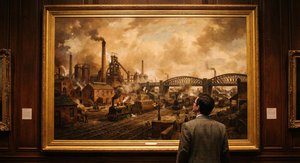
Top 10 Opere de Artă cu Atmosferă Industrială: Inspirație pentru Decorul Casei
Descoperă top 10 opere de artă care surprind atmosfera industrială! Explorează picturi iconice de Van Gogh, Monet și Hopper, simbolizând realismul, impresionismul și modernitatea. Găsește inspirație pentru decorul casei tale cu OriginalUniqueArt.com – reproducere tablouri de calitate muzeală.

The Gritty Muse: Industrial Vibe as Defining Aesthetic in Modern Artwork
Explore the captivating world of industrial aesthetics in modern art. Discover key movements, influential artists & collecting insights at OriginalUniqueArt.com – your source for museum-quality reproductions and expert art guidance.

Echoes of Time: Nostalgia, Technique & Cultural Significance in Vintage Paintings
Explore the captivating world of vintage paintings! Discover key styles, cultural significance & collecting tips from art experts at OriginalUniqueArt. Find authentic reproductions and elevate your home décor.
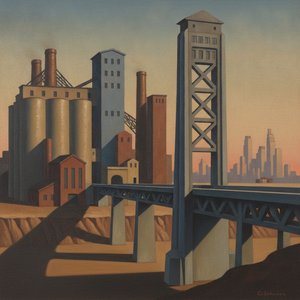
Precisionism: The Sharp Lines and Industrial Soul of American Modernism
Explore the sharp geometry and industrial soul of Precisionism. Discover how American Modernists like Charles Sheeler captured the Machine Age through Cubist-inspired landscapes and architectural precision in this definitive art history guide.

Echoes of Time: Exploring the Enduring Appeal of Vintage Artwork
Explore the captivating world of vintage art! Discover its history, enduring appeal, & how to build your own collection. Expert advice, custom reproductions & museum-quality prints at OriginalUniqueArt.