- Acasă

- Reproducere tablou în ulei
- Philippe Poitevin
- J.S. Bach

 Vezi în context
 Trimite prin felicitare
 Distribuie
 Detalii

 Descarcă imaginea
 Produse similare
 Radiografie
 Galerie foto
J.S. Bach


 Citește mai mult
Reproducere manuală în ulei
Pictură în ulei pe pânză, pictată manual, la dimensiunea și ramele dorite de dumneavoastră, realizată la comandă de artiștii noștri. ( Comandă versiunea tipărită Comută la imagine)




































Alegeți dintre dimensiunile noastre prestabilite, care respectă proporțiile originale ale operei de artă.

Puteți introduce propriile dimensiuni pentru a se potrivi unui anumit cadru sau spațiu. Dacă dimensiunea selectată nu corespunde proporțiilor imaginii originale, vom decupa opera de artă sau vom extinde pictura cu elemente suplimentare pictate manual. O simulare digitală vă va fi trimisă pentru aprobare înainte de începerea producției.
Vă rugăm să rețineți că previzualizarea de pe ecran nu reflectă decuparea sau extinderea reală. Doar macheta va arăta cu exactitate compoziția finală.
Deși sunt disponibile dimensiuni personalizate, vă recomandăm să selectați o dimensiune din lista predefinită pentru a păstra proporțiile originale.
După plasarea comenzii, echipa OriginalUniqueArt.com va contacta clientul prin e-mail pentru instrucțiuni și îi va furniza o previzualizare a machetei
Livrare în întreaga lume () în 3-4 săptămâni, în loc de cele 5 săptămâni standard. (1 August). Fără compromisuri în ceea ce privește calitatea.

Livrare expres gratuită la nivel mondial

Pânză de in premium

Asigurare completă pentru transport

Garanție de rambursare a taxelor vamale

Garanția fidelității culorilor

Politica de retur în 60 de zile (doar pentru defecte)

Garanție de rambursare 100%

Reducere pentru comenzi multiple
 Opțiunea cu sticlă este disponibilă doar pentru dimensiuni sub 110 cm

J.S. Bach
Tip de reproducere
Dimensiuni reproducere
-


Preț total
$ 300
Biografie artist
Philippe Poitevin: A Sculptor Rooted in Classical Tradition
Philippe Poitevin (January 21, 1831 – September 15, 1907) stands as a prominent figure in late nineteenth-century French sculpture, particularly celebrated for his monumental works and meticulous busts that embody the ideals of Neoclassicism and Romanticism. Born in Saint-Maximin-la-Sainte-Baume, Provence, Poitevin’s artistic journey began under the tutelage of Joseph Marius Ramus and Armand Toussaint, establishing a foundation in sculptural technique and fostering an appreciation for classical forms—a sensibility that would permeate his entire oeuvre.- Early Influences: Ramus and Toussaint instilled in Poitevin a deep understanding of Greco-Roman sculpture, exposing him to the masterpieces of antiquity and shaping his stylistic preferences. This formative period solidified his commitment to capturing idealized beauty and conveying emotion through carefully crafted figures.
- Salon Exhibitions & Artistic Development: Poitevin’s debut at the Salon of 1855 marked the commencement of his professional career, propelling him into the Parisian artistic milieu. He swiftly gained recognition for his busts—a genre he mastered with remarkable precision and sensitivity—demonstrating an ability to render anatomical detail while imbuing his subjects with psychological depth.
Marseille: A Crucible of Monumental Sculpture
Following a decade spent honing his skills in Paris, Poitevin relocated to Marseille in 1867, establishing himself as a sculptor of considerable renown. This move coincided with an era of significant civic pride and artistic ambition within the city—a context that profoundly impacted Poitevin’s creative output. He became associated with the Palais Longchamp, where he undertook ambitious projects celebrating French intellectual heritage: two monumental sculptures depicting Georges Cuvier and Aristotle flanking the entrance to the Musée des Beaux-Arts. These works exemplify Poitevin's mastery of bronze casting and his dedication to portraying scientific figures with dignity and gravitas. Furthermore, he sculpted four medallions commemorating Cuvier and Aristotle for the museum’s doors—a testament to his meticulous craftsmanship and artistic vision.- The Longchamp Nymphaeum: Poitevin's contribution to the Palais Longchamp’s nymphaeum – a grand fountain honoring Apollon and Daphné – showcased his ability to conceive of monumental sculptures that harmoniously integrate with architectural spaces. He sculpted busts of Maximilien Constantin Désiré Auguste Comte and Jean François Mayor de Montricher, reflecting the intellectual currents of the time.
- Public Commissions & Artistic Legacy: Beyond the Palais Longchamp, Poitevin’s artistic legacy extends to Marseille's façade—where he erected a monumental bust of Sesostris representing Egyptian art—and the Palais des Arts de Marseille, featuring sculptures honoring Leo X and embodying Renaissance ideals. These commissions cemented his reputation as a sculptor capable of elevating public spaces through evocative representations of historical figures.
Technique & Style: Neoclassical Precision Meets Romantic Emotion
Poitevin’s sculptural style is characterized by an unwavering adherence to Neoclassical principles—specifically, the pursuit of idealized beauty and anatomical accuracy. However, he skillfully blended these classical ideals with elements of Romanticism, injecting his sculptures with expressive gestures and conveying profound psychological nuance. His meticulous attention to detail—evident in the rendering of musculature, drapery folds, and facial expressions—underscores his commitment to capturing the essence of his subjects. He achieved this remarkable feat through masterful bronze casting techniques, ensuring that his works possessed both sculptural integrity and visual impact.Notable Achievements & Historical Significance
Philippe Poitevin’s sculptures stand as enduring symbols of French artistic excellence during the Belle Époque. His monumental commissions—particularly those adorning Marseille's civic spaces—contributed significantly to shaping the city’s cultural identity and celebrating its intellectual achievements. Moreover, his work exemplifies the broader revival of classical art and humanist ideals that characterized the period, securing his place as one of the most influential sculptors of his time. His enduring legacy continues to inspire artists and scholars alike, reaffirming the power of sculpture to communicate timeless truths about human experience and artistic mastery.
Philippe Poitevin
1831 - 1907 , France
Informații rapide
- Artistic Movement Or Style: Neoclassical
- Artists Or Movements Influenced By This Artist: ['Classical French Art']
- Artists Who Influenced This Artist:
- Joseph Marius Ramus
- Armand Toussaint
- Date Of Birth: January 21, 1831
- Date Of Death: September 15, 1907
- Full Name: Philippe Poitevin
- Nationality: French
- Notable Artworks:
- Busts
- Monumental sculptures
- Place Of Birth: Saint-Maximin-la-Sainte-Baume, France
Articole conexe

The Enduring Legacy of Bronze Sculpture: Technique, Symbolism & Cultural Impact
Explore the rich history & enduring appeal of bronze sculpture with expert insights for collectors. Learn about casting techniques, iconic artists, collecting tips & contemporary interpretations at OriginalUniqueArt.

The Enduring Legacy of Bronze Sculpture: A Collector's Guide to Form & Cultural Significance
Explore the rich history & enduring appeal of bronze sculpture with expert insights for collectors at OriginalUniqueArt. Learn about casting techniques, iconic artists, and collecting tips to build a discerning art collection.
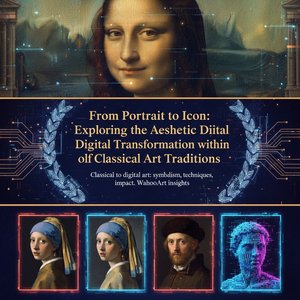
From Portrait to Icon: Exploring the Aesthetic and Digital Transformation of Self-Representation within Classical Art Traditions
Explore the fascinating evolution of portraiture from classical masterpieces to digital art! Discover symbolism, techniques & societal impact. Expert insights for collectors & enthusiasts at OriginalUniqueArt.

Top 10 Capodopere din Bronz care au Revoluționat Arta | OriginalUniqueArt.ro
Descoperiți Top 10 capodopere din bronz care au revoluționat arta! Rodin, Michelangelo și alții. Aflați istoria sculpturilor clasice și inspirație pentru decorul casei dvs. Reproduceri de artă de calitate muzeală pe OriginalUniqueArt.com
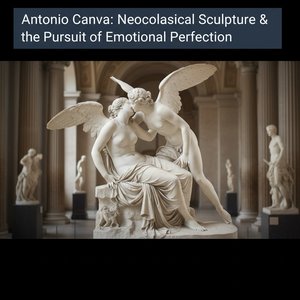
Antonio Canova: Neoclassical Sculpture & the Pursuit of Emotional Perfection
Explore the life & art of Antonio Canova, the greatest Neoclassical sculptor. Discover his masterpieces, innovative techniques, and lasting influence on fine art collecting. Expert insights for discerning investors.

