

 Previzualizare
 Trimite prin felicitare
 Distribuie
 Detalii despre lucrare
 Ghid
Ghid

 Descarcă imaginea
 Produse similare
 Radiografie
 Galerie foto
 Statistici
Falling Leaves
 Oil On Panel
- Realism
 1895
1895- 19th Century
 80.0 x 64.0 cm
 Vezi mai mult
Reproducere pictată manual în ulei
Pictură în ulei pe pânză, pictată manual de artiștii noștri la dimensiunea și ramele dorite de dumneavoastră, pe comandă. ( Comută pe versiunea Print Comută pe Imagine Digitală)




P118B lei10

P118H lei10

P118W lei10

P438Z lei10

P508JH lei12

P508YH lei12

P805H lei10

P805Z lei10

P919BZ lei10

P919G lei10

P919XJ lei10

P959ZH lei10

P968JZ lei12

W106C lei8

W218G lei10

W218JH lei8

W218Y lei10

W307PJ lei10

W316G lei10

W316PJ lei8

W316Y lei10

W398PJ lei8

W4111J lei10

W500HY lei15

W500JH lei15

W692G lei12

W849H lei8

W940BG lei15

W953PJ lei8




Alegeți dintre dimensiunile noastre prestabilite, care respectă proporțiile originale ale operei de artă.

Introduceți lățimea și înălțimea necesare pentru a se potrivi ramei sau peretelui dumneavoastră. Această lucrare este pictată manual, așa că, pentru o dimensiune cu o formă diferită, artistul poate picta puțin mai mult în jurul imaginii sau poate tăia puțin din margini — dumneavoastră decideți. Vă vom trimite o simulare digitală pentru aprobare înainte de a începe pictarea. Imaginea afișată pe această pagină nu reprezintă rezultatul real — doar simularea este reprezentativă.
După plasarea comenzii, echipa OriginalUniqueArt.com va contacta clientul prin e-mail pentru instrucțiuni și îi va furniza o previzualizare a machetei
Livrare în întreaga lume () în 3-4 săptămâni, în loc de cele 5 săptămâni standard. (25 Octombrie). Fără compromisuri în ceea ce privește calitatea.

Livrare expres gratuită la nivel mondial

Pânză de in de înaltă calitate

Asigurare completă pentru transport

Garanție de rambursare a taxelor vamale

Garanția fidelității culorilor

Politica de retur în 100 de zile (doar pentru defecte de fabricație)

Garanție de rambursare 100%

Ofertă pentru comenzi multiple
 Opțiunea cu sticlă este disponibilă doar pentru dimensiuni de sub 110 cm

Falling Leaves
Tehnică de reproducere
Dimensiune reproducere
-


Preț total calculat
lei 1389
A Moment Frozen in Time: The Serenity of Falling Leaves
In the quietude of an autumnal afternoon, Philip Alexius De László invites us into a world where time seems to decelerate. His 1895 masterpiece, Falling Leaves, is far more than a mere depiction of a woodland scene; it is a profound meditation on solitude and the gentle passage of time. The painting captures an elderly man seated at a table amidst the dappled sunlight of a forest, a figure seemingly lost in the depths of his own reflections. As the golden light filters through the canopy, it illuminates a scene that feels both intimate and expansive, pulling the viewer into a shared moment of peaceful contemplation. There is a palpable sense of stillness here, broken only by the imagined rustle of descending foliage and the distant flight of a single bird, which adds a delicate pulse of life to the tranquil atmosphere.
The composition is masterfully orchestrated to evoke a feeling of comfort and domesticity within the wildness of nature. The presence of a dining table and chairs nestled among the trees suggests a harmonious coexistence between human civilization and the natural world. This juxtaposition creates a unique emotional resonance, making the woods feel not like a daunting wilderness, but like a sanctuary for the soul. For the collector or interior designer, this piece offers a transformative quality; it possesses the rare ability to instill a sense of calm and groundedness in any space, acting as a window into a more contemplative era.
Mastery of Light and the Elegance of Technique
De László, an artist renowned for his ability to capture the essence of European aristocracy, applies his formidable skill to this landscape with breathtaking precision. Utilizing oil on panel, the artist achieves a level of textural richness and luminous detail that is difficult to replicate in other mediums. The panel support allows for fine, controlled brushwork, which is evident in the way the sunlight dances across the man's features and the delicate textures of the surrounding trees. The play of light and shadow—a hallmark of late 19th-century realism—is used here to create depth and volume, making the forest feel three-dimensional and immersive.
The color palette is a sophisticated arrangement of warm, autumnal tones that wrap the viewer in a gentle glow. De László employs subtle gradations of amber, gold, and deep earth tones to build the atmosphere, ensuring that the light feels organic rather than staged. This technical prowess ensures that every time one views a high-quality reproduction of this work, the interplay of warmth and shadow remains as captivating as it was when the paint first dried in 1895. It is this meticulous attention to the physical properties of light that elevates the painting from a simple landscape to a living, breathing environment.
A Legacy of Poetic Realism
To understand Falling Leaves, one must consider the historical context of De László’s career. Emerging from the academic traditions of Budapest and refined in the artistic hubs of Munich and Paris, the artist was a master of capturing both the physical likeness and the inner spirit of his subjects. While he is often celebrated for his grand portraits of royalty, this particular work reveals his softer, more poetic side. It reflects the late 19th-century fascination with plein air sensibilities and the Romantic movement's reverence for nature as a mirror to human emotion.
The symbolism within the piece is subtle yet deeply moving. The open book on the table serves as a metaphor for the unfolding narrative of life, while the falling leaves represent the cyclical nature of existence—the beauty found in transition and decay. For those seeking to adorn their homes with art that speaks to the enduring beauty of the natural cycle, this painting provides an incomparable focal point. It is a work that does not merely decorate a wall; it enriches the spirit, offering a perennial escape into a sun-drenched woodland where the only requirement is to sit, observe, and breathe.
Întrebări și răspunsuri
Cum este descrisă paleta de culori din "Falling Leaves" de Philip Alexius De László?
Culorile din "Falling Leaves" formează o paletă Earthy. Această clasificare descrie familiile de culori dominante.
În ce etapă a carierei lui Philip Alexius De László se încadrează „Falling Leaves” (1895)?
Data din 1895 plasează „Falling Leaves” în Early Period dezvoltării lui Philip Alexius De László.
Care sunt tehnica și dimensiunile lucrării "Falling Leaves" de Philip Alexius De László?
Originalul "Falling Leaves" de Philip Alexius De László este o lucrare de tip Oil On Panel, cu dimensiunile de 80 x 64 cm. Tehnica și dimensiunea descriu obiectul original.
Biografie artist
Philip Alexius de László: Viață și Moștenire
Primii ani și educația
Philip Alexius de László, născut Fülöp Laub pe 30 aprilie 1869, în Budapesta, Ungaria, a pornit de la origini umile pentru a deveni un pictor de portrete celebru, adorat de familia regală și de aristocrația europeană. Părinții săi, Adolf și Johanna Laub, erau un croitor și o cusătoare, respectiv, de origine evreiască. Înainte de a se consacra artei, a fost ucenic fotograf în timp ce își urma studiile artistice. A fost admis la Academia Națională de Artă din Budapesta, unde a învățat sub îndrumarea maeștrilor Bertalan Székely și Károly Lotz. Ulterior, studiile desfășurate în München și Paris i-au lărgit orizonturile artistice, oferindu-i o perspectivă cosmopolită.
Dezvoltarea artistică și influențele
Primele lucrări ale lui de László au demonstrat un ochi extrem de fin pentru detalii și o stăpânire tot mai profundă a realismului. Influențele sale au cuprins atât tradițiile academice învățate la Academie, cât și tendințele dominante în portretistică la sfârșitate de secol XIX și început de secol XX. Artistul s-a remarcat rapid prin capacitatea sa de a surprinde nu doar asemănarea fizică, ci și personalitatea și statutul social al modelelor sale. Un moment de cotitură a avut loc în anul 1900, când portretul său al Papa Ioan Paul XIII i-a adus Medalia de Aur la Expoziția Internațională de la Paris, consacrându-i reputația pe scena mondială.
Carieră și realizări majore
După succesul de la Paris, de László s-a mutat la Viena în 1903 și apoi s-a stabilit la Londra în 1907, unde a trăit restul vieții. A devenit un portretist extrem de râvnit de către elitele europene, iar clientele sale au inclus monarhi, nobili, industriali, oameni de știință și figuri proeminente din diverse domenii.
- Modele celebre: Sir Alfred East, Winifred Cavendish-Buneck (Duchessa de Portland), Lady Louise Mountbatten (Regina Suediei), Vita Sackville-West, Papa Ioan Paul XIII, Augusta Victoria (Împărăteasa Germaniei), Prințesa Alice de Battenberg și mulți alții.
- Onoruri și recunoaștere: Investit membru al Ordinului Regal Victorian (MVO) de către Edward al VII-lea în 1909. Nobilitat conferită de Regele Franz Joseph I al Ungariei în 1912, moment în care a adoptat numele „de László de Lombos”.
Viața personală și provocări
În anul 1900, de László s-a căsătorit cu Lucy Madeleine Guinness, membră a celebrei familii bancare. Împreună au avut șase copii și șaptsprezece nepoți. După căsătorie, s-a convertit la anglicanism, după ce anterior manifestase un interes pentru catolicism. În cipta cetățeniei britanice și a vieții stabilite în Anglia, a trecut prin durerea internării în timpul Primului Război Mondial (1917-19ду18), din cauza suspiciunilor legate de conexiunile sale austriece, o perioadă marcată de dificultăți semnificative.
Stilul artistic și temele
Stilul lui de László este definit prin realism, detalii meticuloase și o paletă cromatică vibrantă. Era un maestru în capturarea texturilor materialelor fine, a bijuteriilor și a nuanțelor pielii. Portretele sale transmit adesea un sentiment de eleganță, rafinament și statut social înalt. Deși este cunoscut în principal pentru portretistică, el a creat și peisaje și scene de gen.
Semnificația istorică și moștenirea
Opera lui Philip de László oferă perspective prețioase asupra vieții și aspectului înaltei societăți europene din sfârșitul secolului al XIX-lea și începutul secolului al XX-lea. Portretele sale servesc drept documente istorice, capturând o eră specifică și dinamica sa socială. Deși a fost uneori criticat pentru faptul că s-a concentrat în principal pe portretul societății înalte, abilitatea sa tehnică și capacitatea de a surprinde caracterul uman sunt incontestabile. Opera sa cuprinde aproape 4.000 de lucrări, inclusiv desen, iar un catalog raisonné este în curs de realizare. A decedat pe 22 noiembrie 1937, la Londra, lăsând în urmă o moștenire durabilă ca unul dintre cei mai străluciți pictori de portrete ai timpului său.

Philip Alexius De László
1869 - 1937 , Ungaria
Detalii rapide
- Birth Date: 1869
- Birth Place: Budapest, Ungaria
- Death Date: 1937
- Influenced By:
- Bertalan Székely
- Károly Lotz
- Movement: Realism, Portretism
- Name: Philip Alexius de László
- Nationality: Ungar, Britanic
- Notable Works:
- Portretul Papei Leo al XIII-lea
- Portrete ale familiei regale și aristocrației europene
Articole similare

The Enduring Power of Painting: A Historical & Contemporary Exploration of Form and Emotion
Explore the rich history & enduring techniques of oil painting with OriginalUniqueArt. Discover masterpieces, learn about art collecting, and find authentic handmade reproductions crafted by skilled artists.

The Enduring Legacy of Oil on Canvas: Technique, History & Aesthetic Impact
Explore the rich history & techniques of oil painting – from Renaissance masters to Impressionism. Discover pigments, layering methods, and why this timeless medium endures. Expert insights for artists & art enthusiasts.
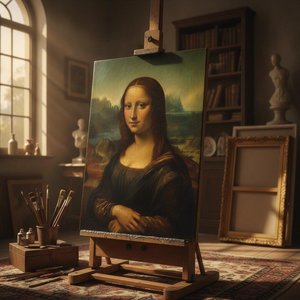
Mastering the Surface: A Historical and Technical Guide to the Art of Oil on Panel Painting
Explore the profound history and technical brilliance of oil on panel painting. From Renaissance masters to modern techniques, discover why this rigid support offers unparalleled precision and permanence for fine art lovers and collectors.

Oil on Board: A Historical Survey of Technique, Aesthetic Qualities & Enduring Appeal
Explore the rich history of oil on board painting! Discover techniques, aesthetic qualities & enduring appeal from early masters to modern practice. Expert insights for collectors and art enthusiasts.

Oil on Canvas: A Historical & Technical Exploration of a Timeless Artistic Medium
Explore the rich history & enduring techniques of oil painting on canvas. Discover the science behind its longevity, conservation practices, and contemporary relevance. Expert insights for art enthusiasts.