Previzualizare
 Trimite prin felicitare
 Distribuie
 Detalii despre lucrare
 Ghid
Ghid

 Descarcă imaginea
 Produse similare
 Radiografie
 Galerie foto
 Întrebări și răspunsuri
 Statistici
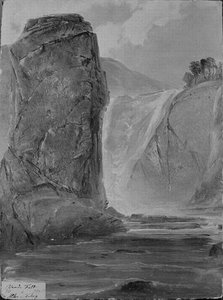
VUE D'ALTONA


 Vezi mai mult
Giclée / Imprimare artistică
Printuri giclée sau pe canvas de calitate muzeală, cu proces de producție rapid și opțiuni flexibile de finisare. ( Comandă pictură realizată manual Comută pe Imagine Digitală)




P118B lei10

P118H lei10

P118W lei10

P438Z lei10

P508JH lei12

P508YH lei12

P805H lei10

P805Z lei10

P919BZ lei10

P919G lei10

P919XJ lei10

P959ZH lei10

P968JZ lei12

W106C lei8

W218G lei10

W218JH lei8

W218Y lei10

W307PJ lei10

W316G lei10

W316PJ lei8

W316Y lei10

W398PJ lei8

W4111J lei10

W500HY lei15

W500JH lei15

W692G lei12

W849H lei8

W940BG lei15

W953PJ lei8




Alegeți dintre dimensiunile noastre prestabilite, care respectă proporțiile originale ale operei de artă.

Introduceți lățimea și înălțimea necesare pentru a se potrivi ramei sau peretelui dumneavoastră. O printare poate fi doar tăiată, niciodată extinsă dincolo de dimensiunea imaginii originale, astfel încât o dimensiune cu o formă diferită va pierde o parte din imagine. Vă trimitem o simulare digitală pentru aprobare înainte de a imprima orice. Imaginea afișată pe această pagină nu prezintă tăierea reală — doar simularea arată acest lucru.
Livrare în întreaga lume () în 2 săptămâni, în loc de cele 4/5 săptămâni standard. (3 Noiembrie)

Livrare expres gratuită la nivel mondial

Pânză de in de înaltă calitate

Asigurare completă pentru transport

Garanție de rambursare a taxelor vamale

Garanția fidelității culorilor

Politica de retur în 100 de zile (doar pentru defecte de fabricație)

Garanție de rambursare 100%

Ofertă pentru comenzi multiple
 Opțiunea cu sticlă este disponibilă doar pentru dimensiuni de sub 110 cm

VUE D'ALTONA
Giclée / Imprimare artistică
Dimensiune reproducere
-


Preț total calculat
lei 385
A Storm Unleashed: Peder Balke’s “VUE D’ALTONA”
Peder Balke's "VUE D’ALTONA," a dramatic seascape rendered in oil on canvas, isn’t merely a depiction of a coastal view; it’s an immersion into the raw, untamed heart of Norway. Painted around 1849, during a period of intense artistic and social change within the nation, this work embodies the Romantic spirit—a profound engagement with nature's power, coupled with a deep exploration of human emotion. The scene unfolds against a bruised and turbulent sky, dominated by swirling greys and blues that seem to writhe with an almost palpable energy. Below, the dark waters of the North Sea reflect this drama, punctuated by the distant silhouette of Altona, a Prussian fortress town nestled on a promontory – a strategic point caught in the eye of the storm. The inclusion of this fortified city hints at the political tensions simmering across Europe during Balke’s time, adding a layer of subtle commentary to the purely visual experience. The painting's scale is modest, yet its impact is monumental, drawing the viewer into the heart of the tempest.A Masterclass in Atmospheric Technique
Balke’s genius lies not just in his subject matter but in his masterful execution. He employs a loose, expressive brushstroke—an impasto technique where thick layers of paint are applied directly to the canvas—to create a remarkable sense of texture and movement. The sky isn't simply painted; it feels sculpted, with each cloud rendered as a dynamic mass of color and form. Notice how he uses atmospheric perspective – the subtle lightening and desaturation of colors in the distance – to convincingly convey depth and scale. This technique is particularly effective in depicting the distant cityscape, which appears almost spectral, swallowed by the swirling mist. The shoreline itself is treated with a more restrained hand, suggesting the ruggedness of the Norwegian coastline without overwhelming the drama of the sky. The careful layering of colors and the visible brushwork contribute to an immediate sense of immediacy, as if we are standing on that very shore, feeling the spray of the waves and the bite of the wind.Echoes of Romanticism and a Personal Journey
“VUE D’ALTONA” firmly places Balke within the tradition of Northern European landscape painting, echoing the works of J.M.W. Turner while retaining a distinctly Norwegian sensibility. Like Turner, Balke sought to capture not just the appearance of nature but its emotional resonance. However, unlike many of his contemporaries, Balke’s work is deeply rooted in the lived experience of Norway—a nation grappling with poverty, social upheaval, and the challenges of asserting its national identity. Born on a remote island in the middle of Lake Mjøsa, Balke's early life was marked by hardship and deprivation, experiences that profoundly shaped his artistic vision. His travels throughout Norway, meticulously documented through sketches and paintings like this one, were not merely expeditions but deeply personal journeys of discovery—a quest to understand and represent the soul of his homeland.Symbolism in Storm and Silhouette
Beyond its technical brilliance, “VUE D’ALTONA” is rich in symbolic meaning. The storm itself can be interpreted as a metaphor for inner turmoil or uncertainty – reflecting perhaps Balke's own struggles with poverty and artistic recognition. The distant silhouette of Altona, a Prussian fortress town, adds another layer of complexity. It represents the political tensions of the era, the threat of foreign invasion, and the precariousness of life in a small nation facing powerful empires. The painting’s overall mood is one of melancholy and awe—a reminder of humanity's vulnerability in the face of nature's overwhelming power. Yet, within this darkness, there’s also a sense of beauty and resilience – a testament to the enduring spirit of Norway.Bringing “VUE D’ALTONA” into Your Space
Today, "VUE D’ALTONA" stands as a powerful symbol of Norwegian Romanticism and a captivating example of Balke's unique artistic vision. OriginalUniqueArt offers high-quality reproductions that faithfully capture the painting’s dramatic intensity and atmospheric depth. Whether you are an art collector seeking to expand your collection or an interior designer looking for a statement piece, a reproduction of “VUE D’ALTONA” will bring a touch of Nordic drama and emotional resonance to any space. Consider its scale – a larger reproduction can dominate a wall, while a smaller one offers a more intimate connection to this evocative masterpiece. Explore the available sizes and formats on our website to find the perfect way to experience the power of Balke’s vision.Întrebări și răspunsuri
Unde pot găsi statistici despre "VUE D'ALTONA" de Peder Balke?
Există o pagină de Statistici pentru "VUE D'ALTONA". Aceasta prezintă graficul vizitelor lunare pentru această operă și pentru celelalte lucrări ale artistului, cu detalii pe țări și limbi vorbite.
Cum face "VUE D'ALTONA" de Peder Balke legătura între Romanticism și țara de origine a artistului?
"VUE D'ALTONA" face legătura între mișcarea Romanticism și Norvegia, prin locul de naștere al creatorului său.
Pot vedea o previzualizare a "VUE D'ALTONA" de Peder Balke înainte de a comanda?
O previzualizare a lucrării "VUE D'ALTONA" de Peder Balke este disponibilă pe pagina de Previzualizare în spațiu a acesteia.
Biografie artist
A Norwegian Romantic Visionary: The Life and Art of Peder Balke
Peder Andersen Balke, născut în 1804 pe insula modestă Helgøya din Norvegia, a apărut ca o voce profund originală în tradiția picturală a peisajelor din secolul al XIX-lea. Viața sa este una de aspirație artistică hotărâtă, împotriva unui fundal de dificultăți rurale și constrângeri sociale. Creșterea sa într-un cadru natural norvegian, cu o frumusețe sălbatică și impunătoare, a imprimat în el o legătură profundă cu natura, care a devenit caracteristica definitorie a operei sale. Deși s-a născut într-o familie de fermieri, talentul său innăscut a fost recunoscut de comunitate, care au mobilizat resurse pentru a-i sprijini educația artistică – un testament al valorii acordate creativității chiar și în mijloace modeste. Acest entuziasm timpurie l-a propulsat spre o formare formală, mai întâi cu Heinrich August Grosch și Jacob Munch, apoi aventurându-se mai departe pentru a studia la Academia Regală Suedeză de Arte Frumoase din Stockholm sub îndrumarea lui Carl Johan Fahlcrantz, și ulterior rafinând abilitățile sale alături de Johan Christian Dahl.
The Shaping of a Unique Style
Dezvoltarea artistică a lui Balke a fost marcată de o explorare nesfârșită a tehnicii și expresiei. Nu era mulțumit să reproducă pur și simplu lumea vizuală; în schimb, căuta să capteze esența sa emoțională, puterea sublimă. Paturile sale sunt imediat recunoscute pentru iluminarea dramatică, adesea pictând scene inundate de o strălucire eterică sau îmbrățișate de o atmosferă sumbră. Această fascinație pentru lumină – în special efectele fugare ale lunii și a amurgului – a devenit un element definitoriu al stilului său. A dezvoltat o tehnică distinctivă, caracterizată prin piese texturate și utilizarea neconvențională a culorilor, creând o calitate onirică care îl diferențiază de peisajele romantice mai convenționale. Se pare că nu picta doar ceea ce *vedea*, ci mai degrabă ceea ce *simțea* în prezența naturii.
Landscapes of Norway: A National Identity on Canvas
Balke este cel mai bine cunoscut pentru reprezentările sale evocatoare ale peisajului norvegian, un subiect la care s-a întors repetat de-a lungul carierei sale. Lucrări precum Vue de Christiania (aujourd'hui Oslo), pictată în 1872, oferă o perspectivă convingătoare asupra vieții urbane a capitalei Norvegiei, dar chiar și aici, lumea naturală domină peisajul, cadrul orașului și amintind privitorilor de legătura sa cu pădurile din jur. Harbor at Skjervøy (1846) prezintă atenția minuțioasă la detalii alături de capacitatea de a surprinde energia vibrantă a unui port costier. Old Trees (1840), cu scena sa de iarnă severă și iluminare puternică, exemplifică măiestria sa în captarea stării de spirit și atmosferei. Seascape (1845) și The North Cape by Moonlight (1848) demonstrează capacitatea sa de a transmite frumusețea sălbatică și spiritul neînfricat al coastei și regiunilor nordice ale Norvegiei. Acestea nu erau doar vederi pitorești; erau declarații despre identitate națională, o celebrare a patrimoniului natural unic al Norvegiei.
Beyond the Canvas: A Social Conscience
Peder Balke era mai mult decât un artist; a fost un reformator social dedicat care s-a implicat activ în problemele sale de la acea vreme. Credea că poate folosi resursele și influența sa pentru a îmbunătăți viețile altora, în special prin proiectul Balkeby – un cartier nou din Oslo conceput pentru a oferi condiții de locuit decente lucrătorilor. A oferit împrumuturi și a impus reglementări stricte privind construcția, demonstrând un angajament practic față de justiția socială. În plus, Balke a pledat neobosit pentru sprijin financiar pentru artiști, argumentând pentru granturi și pensii atât pentru bărbați, cât și pentru femei, recunoscând rolul vital al creativității în societate. Această dedicare față de cauzele sociale dezvăluie o personalitate empatică și proaspătă care vedea arta ca fiind intrinsec legată de bunăstarea umană.
Rediscovery and Legacy
Deși contribuțiile sale au fost semnificative, opera lui Balke a rămas parțial ignorată după moartea sa în 1887. Nu a fost decât spre sfârșitul anilor '20 și începutul anilor '20 când o apreciere nouă pentru viziunea sa unică a început să apară. Expoziții importante la instituții prestigioase precum Galeria Națională din Londra (2014-2015) și Metropolitan Museum of Art (2017) au adus picturile sale unui public mai larg, provocând aclamație critică și interes științific. Astăzi, Peder Balke este recunoscut ca o figură cheie în istoria artei norvegiene, un artist al cărui peisaj dramatic și profunzime emoțională continuă să rezoneze cu privitorii. Influența sa poate fi văzută în munca unor artiști norvegieni ulteriori, consolidând locul său ca un vizionar adevărat care a capturat sufletul Norvegiei pe pânză.
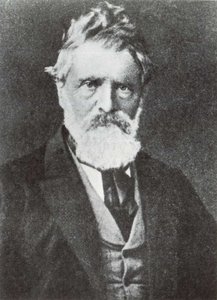
Peder Balke
1804 - 1887 , Norvegia
Detalii rapide
- Artistic Movement Or Style: Landscapă Romantică
- Artists Or Movements Influenced By This Artist:
- Artă Nordică
- Romanticism
- Artists Who Influenced This Artist:
- Grosch
- Munch
- Fahlcrantz
- Date Of Birth: 1804
- Date Of Death: 1887
- Full Name: Peder Andersen Balke
- Nationality: Norvegian
- Notable Artworks:
- Vue Christiania
- Port Skjervøy
- Pajiști bătrâni
- Place Of Birth: Hegøy, Norvegia
Articole similare

Peisaje Romantice Iconice: 10 Capodopere Artistice pentru Decorul de Lux
Descoperă 10 capodopere romantice iconice de Caspar David Friedrich, Turner și alți maeștri. Explorează istoria artei, emoțiile din peisaje și găsește tablouri canvas perfecte pentru decorul tău pe OriginalUniqueArt.com!

John Constable: Cele Mai Frumoase 25 de Capodopere – Artă Clasică pentru Decorul Casei Tale
Descoperă cele mai frumoase 25 de picturi ale lui John Constable, maestru al peisajului englezesc! Explorează stilul romantic, Dedham Vale și capodopere precum The Hay Wain. Reproduceri artă clasică pentru decorul casei tale – OriginalUniqueArt.com.
Capturing Stillness: A Curated Exploration of the Most Iconic Lake Landscapes in Art History
Journey through art history's most serene lake landscapes. From Romantic vistas to light-drenched Impressionist waters, discover the stories behind these iconic masterpieces and find museum-quality, hand-painted oil reproductions for your private collection.

Johan Christian Dahl: Pioneering Norwegian Romantic Landscape Painting
Explore the life & art of Johan Christian Dahl, Norway's first great Romantic painter. Discover his iconic landscapes, cultural impact, and lasting legacy with OriginalUniqueArt.

Evocations of Place: A Historical Journey Through Landscape Art
Explore the rich history of landscape art with OriginalUniqueArt. Discover renowned artists, movements like Impressionism & Romanticism, and expert guidance for collecting timeless pieces. Find your perfect serene escape today!