
 Previzualizare
 Trimite prin felicitare
 Distribuie
 Detalii despre lucrare
 Ghid
Ghid

 Descarcă imaginea
 Produse similare
 Radiografie
 Galerie foto
 Întrebări și răspunsuri
 Statistici
Eclipse of the Sunflower

- 71.0 x 91.0 cm


 Vezi mai mult
Giclée / Imprimare artistică
Printuri giclée sau pe canvas de calitate muzeală, cu proces de producție rapid și opțiuni flexibile de finisare. ( Comandă pictură realizată manual Comută pe Imagine Digitală)




P118B lei10

P118H lei10

P118W lei10

P438Z lei10

P508JH lei12

P508YH lei12

P805H lei10

P805Z lei10

P919BZ lei10

P919G lei10

P919XJ lei10

P959ZH lei10

P968JZ lei12

W106C lei8

W218G lei10

W218JH lei8

W218Y lei10

W307PJ lei10

W316G lei10

W316PJ lei8

W316Y lei10

W398PJ lei8

W4111J lei10

W500HY lei15

W500JH lei15

W692G lei12

W849H lei8

W940BG lei15

W953PJ lei8




Alegeți dintre dimensiunile noastre prestabilite, care respectă proporțiile originale ale operei de artă.

Introduceți lățimea și înălțimea necesare pentru a se potrivi ramei sau peretelui dumneavoastră. O printare poate fi doar tăiată, niciodată extinsă dincolo de dimensiunea imaginii originale, astfel încât o dimensiune cu o formă diferită va pierde o parte din imagine. Vă trimitem o simulare digitală pentru aprobare înainte de a imprima orice. Imaginea afișată pe această pagină nu prezintă tăierea reală — doar simularea arată acest lucru.
Livrare în întreaga lume () în 2 săptămâni, în loc de cele 4/5 săptămâni standard. (4 Noiembrie)

Livrare expres gratuită la nivel mondial

Pânză de in de înaltă calitate

Asigurare completă pentru transport

Garanție de rambursare a taxelor vamale

Garanția fidelității culorilor

Politica de retur în 100 de zile (doar pentru defecte de fabricație)

Garanție de rambursare 100%

Ofertă pentru comenzi multiple
 Opțiunea cu sticlă este disponibilă doar pentru dimensiuni de sub 110 cm

Eclipse of the Sunflower
Giclée / Imprimare artistică
Dimensiune reproducere
-


Preț total calculat
lei 385
A Poignant Meditation on Decay and Renewal
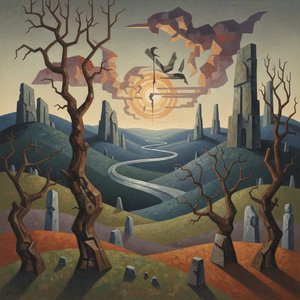
In the twilight of his prolific career, Paul Nash captured a moment of profound existential tension in Eclipse of the Sunflower. Created in 1945, as the shadows of World War II began to recede but left behind a landscape of deep uncertainty, this masterpiece serves as more than just a botanical study; it is a visceral meditation on the cyclical nature of life and death. The painting presents a solitary sunflower, its once-vibrant petals now drooping and withered, caught in the chilling embrace of an encroaching darkness. As an eclipse obscures the sun, Nash masterfully orchestrates a scene where light is being swallowed by shadow, inviting the viewer to contemplate the fragile boundary between vitality and dissolution.
The composition is striking in its starkness, utilizing a dark, almost monochrome background that pushes the subject toward the foreground with haunting intensity. Within this somber expanse, Nash introduces subtle, unexpected elements—two birds positioned like silent witnesses to the unfolding drama—which add a layer of narrative depth to the stillness. For the discerning collector or interior designer, this piece offers a sophisticated focal point that commands attention through its quiet power rather than through loud, clashing colors. It is a work that breathes with a heavy, atmospheric soul, making it an ideal centerpiece for spaces designed for reflection and intellectual engagement.
Modernist Mastery and Symbolic Depth
Technically, Eclipse of the Sunflower showcases Nash’s ability to blend the geometric precision of Modernism with the dreamlike qualities of Surrealism. His approach eschews the meticulous, photographic realism of traditional landscapes in favor of bold, simplified forms and expressive tonal variations. The way the light fades from the sunflower's face is rendered with a delicate touch, likely utilizing the nuanced textures of his medium to create a sense of tactile decay. This technique allows the viewer to feel the weight of the wilting petals and the coldness of the eclipsed sky, transforming a simple natural event into a profound symbolic gesture.
The symbolism embedded within the work is deeply resonant with the historical context of its creation. Emerging from the devastation of global conflict, Nash’s imagery speaks to a collective psyche grappling with loss and the hope for rebirth. The sunflower, traditionally a symbol of adoration and solar energy, is here transformed into a vessel for mourning, yet the very presence of the eclipse suggests a temporary state—a darkness that must eventually give way to a new dawn. This duality makes the painting an incredibly versatile choice for high-end decor; it possesses a melancholic beauty that can anchor a room with gravity, while its underlying themes of resilience offer a subtle, uplifting promise of renewal.
For those seeking to integrate fine art into their personal or professional environments, a high-quality reproduction of this work provides an opportunity to possess a piece of British art history. Whether placed in a contemporary gallery-style living room or a classic study, Eclipse of the Sunflower brings with it an aura of prestige and a deep, emotive resonance that transcends mere decoration.
Întrebări și răspunsuri
Ce paletă de culori utilizează "Eclipse of the Sunflower"?
Culorile din "Eclipse of the Sunflower" formează o paletă Earthy. Această clasificare descrie familiile de culori dominante.
Care este luminozitatea lucrării "Eclipse of the Sunflower" de Paul Nash?
Luminanța înregistrată pentru "Eclipse of the Sunflower" de Paul Nash este Soft Shadow.
A rămas "Eclipse of the Sunflower" în țara de origine a artistului său?
Da - opera de artă este păstrată în țara de origine a artistului. Țara natală a Paul Nash este Regatul Unit, iar muzeul care păstrează originalul operei „Eclipse of the Sunflower” se află în Regatul Unit.
Biografie artist
Paul Nash: Un Peisaj al Spiritului și al Războiului
Născut în Kensington, Londra, pe 11 mai 1889, Paul Nash a fost un artist britanic ale cărui opere transcend simpla reprezentare a realității, devenind poezii vizuale pline de simbolism și emoție. Fiul unui avocat și al unei mame cu probleme psihice, Nash a crescut într-un mediu marcat de fragilitate și introspecție, elemente care au modelat profund sensibilitatea sa artistică. Mutarea familiei la Iver Heath, Buckinghamshire, i-a oferit acces la peisajele rurale englezești, sursă inepuizabilă de inspirație pentru viitorul său stil. Educația sa a inclus studii la Parsons School of Art și apoi la Slade School of Fine Art, unde, deși stăpânea tehnicile tradiționale ale picturii de peisaj, se lupta cu reprezentarea figurilor umane, concentrându-se mai degrabă pe atmosfera și emoția evocată de natură. Influențele timpurii au fost puternice: William Blake, cu viziunile sale mistice, și J.M.W. Turner, maestru al luminii și al atmosferei, i-au modelat abordarea artistică, conducându-l spre o explorare a elementelor arhaice și istorice din peisajul englez – tumuli preistorici, fortificații din epoca fierului, locuri încărcate de istorie și mister.De la Modernism la Surrealism: O Călătorie Artistică
Stilul lui Nash a reprezentat o sinteză unică între modernism și tehnicile tradiționale ale picturii de peisaj. A utilizat culori îndrăznețe, forme geometrice și elemente abstracte, distanțându-se de contemporanii săi. O cotitură importantă în evoluția sa artistică a fost vizitarea unei expoziții Giorgio de Chirico în 1928, care l-a introdus în lumea surrealismului. Deși nu s-a considerat un adept strict al acestui curent, Nash a integrat elemente ale lui în propriile opere, creând peisaje simbolice populate cu obiecte banale, dar încărcate de semnificație. Această abordare a dus la o reevaluare a relației dintre om și natură, explorând adesea sentimentul de alienare și fragilitate umană în fața forțelor naturale. Nash nu s-a limitat doar la pictură; a fost un scriitor talentat despre artă și un designer inovator, contribuind la decoruri de teatru, textile și afișe, demonstrând o versatilitate artistică remarcabilă.Martorul Războiului: Arta ca Document al Suferinței
Experiența războiului a marcat profund opera lui Nash. Servind drept artist oficial în timpul Primului și celui de-al Doilea Război Mondial, a documentat cu o sensibilitate rară devastarea câmpurilor de luptă. "The Menin Road", una dintre cele mai cunoscute opere ale sale, nu este o reprezentare eroică a conflictului, ci o meditație melancolică asupra morții și distrugerii, un peisaj pustiu, impregnat de tăcere și disperare. Seria "Aerial Creatures" din timpul celui de-al Doilea Război Mondial prezintă avioane doborâte în peisaje sumbre, transformate în creaturi antropomorfice, simbolizând fragilitatea umană și puterea distructivă a tehnologiei. Aceste opere nu sunt simple documente ale războiului, ci explorări profunde ale impactului psihologic al conflictului asupra individului și asupra mediului înconjurător.Moștenire și Influență: Un Artist Esențial al Secolului XX
Paul Nash a fost un pionier al modernismului britanic, un artist care a reușit să combine tradiția cu inovația, creând o operă de artă distinctivă și profund emoționantă. Moștenirea sa este una de influență durabilă asupra generațiilor următoare de artiști, iar operele sale continuă să fascineze publicul contemporan prin frumusețea lor melancolică și profunzimea simbolismului. A fost un membru fondator al grupului Unit One, o forță importantă în scena artistică britanică din anii '30, și a contribuit semnificativ la dezvoltarea artei moderne englezești. Nash a murit pe 11 iulie 1946, lăsând în urmă o operă de artă care continuă să inspire și să provoace reflecție asupra condiției umane și a relației noastre cu lumea din jur.Colecții și Expoziții
Opera lui Paul Nash poate fi admirată în numeroase colecții publice importante, inclusiv la Tate Britain, Imperial War Museum și York Art Gallery. Lucrările sale au fost expuse în expoziții retrospective majore, consolidându-i statutul de artist esențial al secolului XX. Guvernul britanic a recunoscut valoarea operei sale prin includerea unor piese semnificative în Government Art Collection, asigurând accesul public la creațiile sale pentru generații viitoare.
Paul Nash
1889 - 1946 , Regatul Unit
Detalii rapide
- Artistic Movement Or Style: Modernism, Surrealism
- Artists Or Movements Influenced By This Artist: ['Artisti moderni']
- Artists Who Influenced This Artist:
- William Blake
- Turner
- Date Of Birth: 11 mai 1889
- Date Of Death: 11 iul 1946
- Full Name: Paul Nash
- Nationality: Britanic
- Notable Artworks: ['The Menin Road']
- Place Of Birth: Kensington, Marea Britanie
Articole similare

Ephemeral Visions: Exploring the Artistic Legacy & Contemporary Practice of Watercolor Painting
Explore the captivating world of watercolor painting! Discover its rich history, essential techniques, influential artists & collecting tips. A comprehensive guide for art enthusiasts from OriginalUniqueArt.

Paul Cézanne: Cele Mai Reprezentative 25 De Capodopere – Artă, Istorie și Decorațiuni Interioare
Descoperă cele mai frumoase 25 de capodopere Paul Cézanne! Explorează istoria, tehnicile și semnificația picturilor impresioniste iconice. Reproduceri artă de calitate muzeală & inspirație decor interioară pe OriginalUniqueArt.com.
Paul Nash: Modernism, Myth & the British Landscape – A Visionary Artist
Explore the evocative landscapes & poignant war art of Paul Nash (1889-1946), a key figure in British Modernism. Discover his unique style and lasting impact on art history with OriginalUniqueArt.

Paul Klee: Cele Mai Iubite 25 de Capodopere – Artă Abstractă pentru Decorul Casei Tale | OriginalUniqueArt.ro
Descoperă cele mai emblematice 25 de picturi Paul Klee! Explorează istoria, stilul expresionist și paleta unică a acestui maestru al artei abstracte. Reproduceri de calitate muzeală pentru decorul perfect. Descoperă toate capodoperele pe OriginalUniqueArt.com

Top 10 Capodopere Acvarelă Legendară care au Schimbat Arta pentru Totdeauna | OriginalUniqueArt.ro
Descoperă Top 10 capodopere acuarelă legendară de la Sargent, Turner și alți maeștri! Explorează istoria artei, tehnicile unice și paletele vibrante. Reproduceri de artă de calitate muzeală pentru decorul perfect pe OriginalUniqueArt.com.
