

 Vezi în context
 Trimite
 Distribuie
 Detalii
 Ghidul

 Descarcă
 Produse similare
 Radiografie
 Diaporama
 Statistici
The Mirror
 Etching
- WallArt
- Post-Impressionism
 20.0 x 19.0 cm
 Hammer Museum
 Citește mai mult
Giclée / Imprimare artistică
Printuri giclée sau pe canvas de calitate muzeală, cu proces de producție rapid și opțiuni flexibile de finisare. ( Comandă pictură realizată manual Treci la imagine digitală)




P118B lei10

P118H lei10

P118W lei10

P438Z lei10

P508JH lei12

P508YH lei12

P805H lei10

P805Z lei10

P919BZ lei10

P919G lei10

P919XJ lei10

P959ZH lei10

P968JZ lei12

W106C lei8

W218G lei10

W218JH lei8

W218Y lei10

W307PJ lei10

W316G lei10

W316PJ lei8

W316Y lei10

W398PJ lei8

W4111J lei10

W500HY lei15

W500JH lei15

W692G lei12

W849H lei8

W940BG lei15

W953PJ lei8




Alegeți dintre dimensiunile noastre prestabilite, care respectă proporțiile originale ale operei de artă.

Puteți introduce propriile dimensiuni pentru a se potrivi unui anumit cadru sau spațiu. Dacă dimensiunea selectată nu corespunde proporțiilor imaginii originale, vom decupa lucrarea de artă sau vom extinde imaginea cu margini oglindite sau cu o culoare uniformă. Un mockup digital va fi trimis pentru aprobarea dumneavoastră înainte de începerea producției.
Vă rugăm să rețineți că previzualizarea de pe ecran nu reflectă decuparea sau extinderea reală. Doar mockup-ul va arăta cu exactitate compoziția finală.
Deși dimensiunile personalizate sunt disponibile, vă recomandăm să selectați o dimensiune din lista predefinită pentru a păstra proporțiile originale.
Livrare în întreaga lume () în 2 săptămâni, în loc de cele 4/5 săptămâni standard. (4 Octombrie)

Livrare expres gratuită la nivel mondial

Pânză de in premium

Asigurare completă pentru transport

Garanție de rambursare a taxelor vamale

Garanția fidelității culorilor

Politica de retur în 100 de zile (doar pentru defecte)

Garanție de rambursare 100%

Reducere pentru comenzi multiple
 Opțiunea cu sticlă este disponibilă doar pentru dimensiuni de sub 110 cm

The Mirror
Giclée / Imprimare artistică
Dimensiune reproducere
-


Preț total
lei 362
Paul César Helleu’s “The Mirror”: A Glimpse into Belle Époque Elegance
Paul César Helleu's "The Mirror," created around 1895, is more than just a portrait; it’s a meticulously crafted window into the social and psychological landscape of late 19th-century France. This drypoint etching, housed within the Hammer Museum at UCLA, captures a moment of quiet contemplation – two women observing each other through a shimmering mirror, their gazes holding a complex blend of curiosity, judgment, and perhaps even a touch of melancholy. Helleu, a master of his craft, expertly utilizes the limitations of printmaking to create an image brimming with subtle detail and emotional resonance.
A Master of Drypoint: Technique and Texture
Helleu’s genius lies in his command of drypoint etching – a technique he embraced after encountering the work of James Jacques Tissot. Unlike traditional engraving, drypoint involves scratching directly into a metal plate with a needle, creating a delicate, velvety texture known as “burr.” This burr then picks up ink, resulting in rich tonal variations and an immediate sense of depth. In "The Mirror," this technique is brilliantly employed to render the women’s clothing, the intricate folds of their garments, and the reflective surface itself with astonishing realism. The varying line weights – from delicate hairlines to bold, decisive strokes – create a dynamic interplay of light and shadow, drawing the viewer's eye into the scene and imbuing it with a palpable sense of atmosphere.
Belle Époque Portraits: Capturing a Social Moment
“The Mirror” is firmly rooted in the Belle Époque – an era defined by opulent luxury, rapid industrialization, and a burgeoning fascination with modernity. Helleu’s portraits of this period are renowned for their ability to capture not just physical likeness but also the social standing and inner lives of his subjects. The women depicted here belong to the fashionable elite, their attire reflecting the latest trends – elaborate gowns, delicate jewelry, and carefully coiffed hairstyles. The setting, though somewhat ambiguous, suggests a refined interior space—likely a salon or drawing room—a typical environment for socializing and observing others. Helleu’s skill lies in his ability to convey this sense of social context through subtle details: the arrangement of furniture, the positioning of the mirror, and the women's own postures and expressions.
Symbolism and Reflection: The Mirror as Metaphor
The central image—the mirror itself—is far more than a simple reflective surface. It functions as a potent symbol, inviting multiple interpretations. Mirrors have long been associated with introspection, self-perception, and the duality of identity. In this context, it suggests that each woman is not only observing the other but also contemplating her own reflection – her appearance, her social position, and perhaps even her inner thoughts. The act of looking into a mirror can be both revealing and deceptive, highlighting the complexities of human relationships and the often-contradictory nature of self-awareness. The composition subtly reinforces this idea; the mirroring effect creates a sense of circularity, suggesting an endless cycle of observation and judgment.
A Legacy of Elegance: Helleu’s Enduring Appeal
Paul César Helleu's “The Mirror” stands as a testament to his exceptional talent and his deep understanding of the Belle Époque aesthetic. His meticulous attention to detail, combined with his masterful command of drypoint etching, results in an image that is both visually stunning and emotionally resonant. Reproductions of this captivating artwork offer a unique opportunity to bring a touch of Parisian elegance into any space – a reminder of a bygone era and the enduring power of visual storytelling. Consider commissioning a high-quality print from OriginalUniqueArt.com to experience the full beauty and nuance of Helleu’s masterpiece.
Întrebări și răspunsuri
Unde pot vedea o previzualizare a „The Mirror”?
Pentru a vizualiza o previzualizare a unei reproduceri a operei "The Mirror" de Paul César Helleu, accesați pagina Previzualizare a lucrării.
Cine a creat "The Mirror"?
„The Mirror” este atribuit lui Paul César Helleu.
Ce stare și ce emoție se regăsesc în "The Mirror"?
Starea de spirit surprinsă în "The Mirror" de Paul César Helleu este Elegant, iar tonul său emoțional este Reflective.
Cum se încadrează stilul operei „The Mirror” în contextul epocii creatorului său?
În "The Mirror" de Paul César Helleu, mișcarea Post-Impressionism întâlnește epoca Secolul al XIX-lea.
Pot comanda o reproducere în ulei a operei "The Mirror"?
"The Mirror" este disponibil sub formă de o reproducere pictată manual în ulei pe pânză de in. Comanda poate fi plasată pe această pagină, având la dispoziție mai multe dimensiuni.
Ce atmosferă ar aduce într-o încăpere o reproducere a operei "The Mirror" de Paul César Helleu?
Atmosfera Elegant a operei "The Mirror" de Paul César Helleu se potrivește perfect spațiului recomandat: un Living Room.
„The Mirror” este disponibil(ă) sub formă de print de fine art?
„The Mirror” este disponibil sub formă de o printă de fine art pe canvas din bumbac sau pe hârtie canvas arhivistică. Comenzile pot fi plasate pe această pagină, în dimensiunea dorită de dumneavoastră.
Biografie artist
Paul César Helleu (1859–1927): A Portraitist of Parisian Elegance
Paul César Helleu (17 December 1859 – 23 March 1927) was a French painter, pastel artist, drypoint etcher, and designer who achieved renown for his captivating portraits of women from Parisian society during the Belle Époque—a period brimming with artistic innovation and opulent social life. Born in Vannes, Brittany, Helleu’s formative years instilled within him an appreciation for meticulous observation and refined aesthetic sensibilities that would define his entire oeuvre. His early training at Lycée Chaptal and subsequent enrollment at the École des Beaux-Arts under Jean-Léon Gérôme cemented his foundation in classical artistic principles while simultaneously exposing him to the burgeoning currents of Impressionism.- Early Influences: Helleu’s exposure to Impressionist luminaries like Monet, Whistler, and Sargent profoundly impacted his artistic vision. He embraced their commitment to capturing fleeting moments of light and color outdoors—a radical departure from the studio traditions of his time—and internalized their expressive freedom.
- Technical Mastery: Recognizing the importance of disciplined technique, Helleu honed his skills through a stint at Théodore Deck’s ceramic workshop, mastering the delicate art of hand-painting decorative plates. This experience instilled in him an unwavering attention to detail and fostered a profound understanding of material qualities.
The Bold Stroke: Giovanni Boldini and Drypoint Etching
A pivotal encounter with Giovanni Boldini, renowned for his dramatic bravura style, solidified Helleu’s artistic trajectory. Boldini championed the use of expressive brushstrokes—a stylistic hallmark that would become synonymous with Helleu's distinctive approach. Furthermore, Boldini introduced him to drypoint etching—a technique he himself had perfected—which swiftly captivated Helleu’s imagination and became his signature medium. The ability to reproduce multiple prints from a single plate offered unparalleled artistic flexibility and allowed Helleu to disseminate his vision widely among discerning collectors. James Jacques Tissot gifted him a stylus, unlocking the potential of drypoint etching and propelling him toward international acclaim.- Drypoint Technique: Helleu’s mastery of drypoint etching was unparalleled; he achieved remarkable precision and dynamism in capturing subtle nuances of light and shadow—a feat that distinguished his work from many contemporaries.
- Notable Prints: Among his prolific output, over 2,000 drypoint etchings stand as testament to Helleu’s dedication to perfecting this technique. These prints are celebrated for their exquisite detail and evocative tonal range.
Grand Central Terminal: A Monumental Vision
Perhaps Helleu's most ambitious undertaking was the commission to create a mural depicting constellations for the ceiling of Grand Central Terminal in New York City—a project that showcased his artistic prowess on an unprecedented scale. This monumental endeavor demanded meticulous planning and execution, reflecting Helleu’s unwavering commitment to realizing grand artistic visions. The resulting artwork embodies the spirit of the Belle Époque—a celebration of scientific inquiry combined with aesthetic grandeur—and remains a captivating emblem of New York City's cultural heritage.Legacy and Influence
Paul César Helleu’s legacy extends far beyond his individual artworks; he profoundly influenced subsequent generations of printmakers and cemented his place as one of the foremost artists in capturing the essence and aesthetic ideals of the Belle Époque. His portraits offer invaluable insights into the lives and fashions of Parisian society during this transformative era, while his drypoint etchings continue to inspire admiration for their technical brilliance and expressive power. Helleu’s family lineage includes Jean Helleu and Jacques Helleu—both artistic directors for Parfums Chanel—demonstrating a lasting connection between art and familial tradition. His works are housed in prestigious museums worldwide, including the Musée d'Orsay and the Louvre in Paris, as well as the Tate Gallery in London and the Metropolitan Museum of Art in New York.
Paul César Helleu
1859 - 1927 , Franța
Informații rapide
- Artistic Movement Or Style: Belle Époque
- Artists Or Movements Influenced By This Artist: ['Impressionism']
- Artists Who Influenced This Artist:
- Jean-Léon Gérôme
- Giovanni Boldini
- John Singer Sargent
- Date Of Birth: 17 decembrie 1859
- Date Of Death: 23 martie 1927
- Full Name: Paul César Helleu
- Nationality: Franțuzesc
- Notable Artworks:
- Pictură Grand Central Terminal
- Portret Alice Guérin
- Place Of Birth: Vannes, Franța
Articole conexe
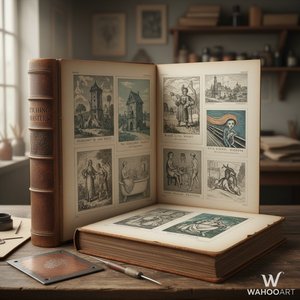
Top 10 Gravuri Legendare: Capodopere Artistice Care Au Schimbat Istoria Artei
Descoperă top 10 gravuri legendare care au revoluționat arta! Explorează poveștile lui Rembrandt, Goya și alți maeștri. Reproduceri de artă de calitate muzeală pentru un decor inspirat. Vezi colecția completă pe OriginalUniqueArt.com
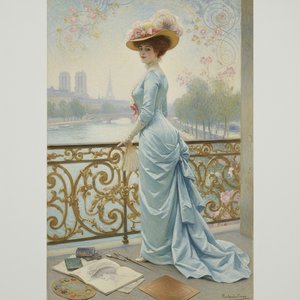
Paul César Helleu: Capturing Belle Époque Elegance & Artistic Innovation
Explore the captivating world of Paul César Helleu, master portraitist of the Belle Époque. Discover his innovative techniques, iconic works like 'Portrait of Margaret Kelly,' and investment potential with OriginalUniqueArt.

Paul Cézanne: Cele Mai Reprezentative 25 De Capodopere – Artă, Istorie și Decorațiuni Interioare
Descoperă cele mai frumoase 25 de capodopere Paul Cézanne! Explorează istoria, tehnicile și semnificația picturilor impresioniste iconice. Reproduceri artă de calitate muzeală & inspirație decor interioară pe OriginalUniqueArt.com.

Etching: A Historical Survey of Technique, Aesthetic Qualities & Enduring Artistic Significance
Explore the rich history of etching, from its origins to Rembrandt's masterful innovations. Discover the technique, aesthetic qualities & enduring legacy of this captivating art form. Expert insights for collectors and enthusiasts.
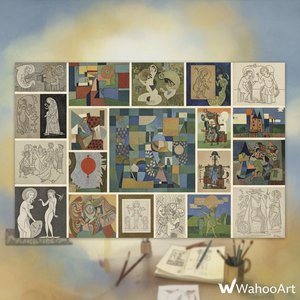
Paul Klee: Cele Mai Iubite 25 de Capodopere – Artă Abstractă pentru Decorul Casei Tale | OriginalUniqueArt.ro
Descoperă cele mai emblematice 25 de picturi Paul Klee! Explorează istoria, stilul expresionist și paleta unică a acestui maestru al artei abstracte. Reproduceri de calitate muzeală pentru decorul perfect. Descoperă toate capodoperele pe OriginalUniqueArt.com