

 Vezi în context
 Trimite
 Distribuie
 Detalii
 Ghidul

 Descarcă
 Produse similare
 Radiografie
 Diaporama
 Statistici
Lucretia
 Ulei pe pânză
- Artă de perete
- Renaissance Classicism
 1580
1580- Renașterea
 109.0 x 91.0 cm
 Muzeul Kunsthistorisches din Viena
 Citește mai mult
Giclée / Imprimare artistică
Printuri giclée sau pe canvas de calitate muzeală, cu proces de producție rapid și opțiuni flexibile de finisare. ( Comandă pictură realizată manual Treci la imagine digitală)




P118B lei10

P118H lei10

P118W lei10

P438Z lei10

P508JH lei12

P508YH lei12

P805H lei10

P805Z lei10

P919BZ lei10

P919G lei10

P919XJ lei10

P959ZH lei10

P968JZ lei12

W106C lei8

W218G lei10

W218JH lei8

W218Y lei10

W307PJ lei10

W316G lei10

W316PJ lei8

W316Y lei10

W398PJ lei8

W4111J lei10

W500HY lei15

W500JH lei15

W692G lei12

W849H lei8

W940BG lei15

W953PJ lei8




Alegeți dintre dimensiunile noastre prestabilite, care respectă proporțiile originale ale operei de artă.

Puteți introduce propriile dimensiuni pentru a se potrivi unui anumit cadru sau spațiu. Dacă dimensiunea selectată nu corespunde proporțiilor imaginii originale, vom decupa lucrarea de artă sau vom extinde imaginea cu margini oglindite sau cu o culoare uniformă. Un mockup digital va fi trimis pentru aprobarea dumneavoastră înainte de începerea producției.
Vă rugăm să rețineți că previzualizarea de pe ecran nu reflectă decuparea sau extinderea reală. Doar mockup-ul va arăta cu exactitate compoziția finală.
Deși dimensiunile personalizate sunt disponibile, vă recomandăm să selectați o dimensiune din lista predefinită pentru a păstra proporțiile originale.
Livrare în întreaga lume () în 2 săptămâni, în loc de cele 4/5 săptămâni standard. (10 Octombrie)

Livrare expres gratuită la nivel mondial

Pânză de in premium

Asigurare completă pentru transport

Garanție de rambursare a taxelor vamale

Garanția fidelității culorilor

Politica de retur în 100 de zile (doar pentru defecte)

Garanție de rambursare 100%

Reducere pentru comenzi multiple
 Opțiunea cu sticlă este disponibilă doar pentru dimensiuni de sub 110 cm

Lucretia
Giclée / Imprimare artistică
Dimensiune reproducere
-


Preț total
lei 362
Descoperă eleganța atemporală a capodoperei lui Paolo Veronese
Subiectul: O nobilă plină de grație și demnitate
„Lucreția” lui Paolo Veronese surprinde o nobilă de o frumusețe excepțională și o eleganță plină de măiestrie. Figura centrală, împodobită cu vestimentație luxoasă, emană un aer de noblețe care sugerează bogăție și statut social. Bijuteriile sale complexe și hainele opulente sunt pictate cu o meticulozitate uluitoare, evidențiind atenția artistului pentru detalii și capacitatea sa de a transmite măreția nobilimii venetiene.Stilul: O viziune renascentă
Stilul lui Veronese este o mărturie a perioadei Renascentului, caracterizat prin culori vibrante, compoziții dramatice și scene opulente. Această pictură exemplifică măiestria sa în utilizarea culorii și a luminii, printr-o paletă bogată ce include verde închis, accente aurii și fundaluri întunecate contrastante. Utilizarea chiascurului — contrastul puternic între lumină și umbră — adaugă profunzime și dimensiune figurii, creând acea senzație de tridimensionalitate care captivează privitorul.Tehnica: O lecție de mărturie în detalii
Tehnica lui Veronese este pur și simplu extraordinară. Păturile de pensulă meticuloase îi dau viață subiectului, prin linii fluide care surprind contururile moi ale rochiei și curbele delicate ale corpului său. Modelele complexe din fundal sunt realizate cu o precizie incredibilă, adăugând straturi de complexitate fără a detuna de figura centrală. Aplicarea fină a vopselei de ulei pe pânză sau lemn asigură un finisaj vibrant și realist, demonstrând îndemânarea lui Veronese de a fi unul dintre cei mai mari coloriști ai timpului său.Context istoric: O moștenire venetiană
Creată în 1580, „Lucreția” este un produs al Renascentului tardiv, o perioadă marcată de inovație artistică și de o înflorire culturală remarcabilă. Paolo Veronese, alături de Titian și Tintoretto, a făcut parte din „marele triumvirat” care a dominat pictura venetiană în această eră. Operele sale au fost celebrate pentru strălucirea cromatică și decorurile arhitecturale majestuoase, reprezentând adesea scene religioase și mitologice cu o măreție fără egal. Această pictură este un exemplu perfect al capacității lui Veronese de a îmbina profunzimea narativă cu frumuseță estetică.Simbolism: Bogăție, putere și eleganță
Decorul opulent și detaliile complexe din „Lucreția” sunt pline de simbolism. Vestimentația luxoasă și bijuteriile semnifică bogăția și statutul, în timp ce modelele elaborate din fundal pot reprezenta teme ale frumuseții și puterii. Atitudinea poised a figurii centrale sugerează un sentiment de demnitate și grație, întrunind idealurile nobilimii renascentă. Utilizarea luminii și a umbrei de către Veronese sporește și mai mult aceste elemente simbolice, creând o narațiune vizuală care este, în același timp, captivantă și profundă.Impact emoțional: O prezență captivantă
„Lucreția” este mai mult decât o simplă pictură; este o experiență emoțională. Poza expresivă a figurii centrale și utilizarea dramatică a luminii și umbrei creează un sentiment de profunzime și complexitate care rezonează în sufletul privitorilor. Detaliile opulente și paleta cromatică bogată evocă o senzație de măreție și eleganță, în timp ce elementele complexe ale fundalului adaugă straturi de intrigă. Această capodoperă invită la contemplare și admirație, fiind o adiție atemporală oricărei colecții de artă.Aduceți capodopera lui Veronese în spațiul dumneavoastră
Pentru iubitorii de artă, colecționari și designeri de interior care caută o reproducere de înaltă calitate, „Lucreția” oferă o oportunitate fără egal de a aduce eleganța Renascentului în casa sau biroul dumneavoastră. Culorile sale bogate, detaliile intricate și compoziția dramatică o transformă într-o piesă centrală remarcabilă care poate ridica orice spațiu. Indiferent dacă doriți să inspirați creativitatea, să adăugați o notă de rafinament sau pur și simplu să apreciați frumusețea artei clasice, această reproducere este un obiect indispensabil. Experimentați eleganța atemporală a „Lucreției” lui Paolo Veronese și lăsați ca prezența sa captivantă să vă transforme împrejurimile într-o operă de artă.Întrebări și răspunsuri
Din ce este realizată „Lucretia”?
Tehnica utilizată pentru "Lucretia" de Paolo Veronese este Ulei pe pânză. Reproduucerile urmăresc să reproducă aspectul acestei tehnici.
Ce vârstă avea Paolo Veronese când a creat "Lucretia" în 1580?
Paolo Veronese avea 52 ani când a creat "Lucretia" în 1580. Vârsta este calculată pe baza anului nașterii artistului, 1528.
Cine este artistul din spatele "Lucretia"?
Artistul din spatele operei „Lucretia” este Paolo Veronese. Lucrarea este catalogată sub numele lui Paolo Veronese.
Unde este recomandată expunerea operei „Lucretia”, având în vedere paleta sa cromatică?
Culorile Tonalități pământii din "Lucretia" de Paolo Veronese se armonizează cu spațiul recomandat: un Living Room.
Care este utilizarea recomandată pentru o printă a lucrării "Lucretia"?
Utilizarea sugerată pentru "Lucretia" de Paolo Veronese este Piesa de rezistență. Poate servi și alte scopuri.
În ce an a fost creată "Lucretia" de Paolo Veronese?
Crearea operei "Lucretia" de Paolo Veronese datează din 1580.
Ce amplasare se potrivește formatului lucrării "Lucretia" de Paolo Veronese?
Cu forma sa Format portrait, o reproducere a operei "Lucretia" este recomandată pentru un Living Room.
Biografie artist
A Venetian Visionary: The Life and Art of Paolo Veronese
Paolo Caliari, known to the world as Paolo Veronese, emerged from the vibrant artistic landscape of 16th-century Venice as a master of color, composition, and opulent spectacle. Born in Verona in 1528, the son of a stonecutter, his early life was steeped in the visual richness of his surroundings – the classical architecture, sculpted forms, and burgeoning humanist ideals that characterized the region. His initial training under Antonio Badile and Giovanni Francesco Caroto laid a foundation in traditional techniques, but it was his move to Venice in the 1550s that truly ignited his artistic genius. The city itself became his muse, its bustling marketplaces, grand palazzi, and shimmering waterways informing the scale and drama of his work. He quickly absorbed the influences of established Venetian masters like Titian, whose mastery of color profoundly impacted Veronese’s palette, yet he forged a distinct style characterized by an unparalleled sense of theatricality and grandeur.The Painter of Feasts and Grand Narratives
Veronese's reputation rests upon his monumental paintings, particularly those depicting lavish feasts and biblical scenes transformed into dazzling displays of Venetian life. The Wedding at Cana, completed in 1563 for the Benedictine monastery of San Giorgio Maggiore, stands as a testament to his skill. This colossal canvas isn’t merely an illustration of the miracle; it's a vibrant panorama of 16th-century society, teeming with elegantly dressed figures, musicians, and architectural details rendered with breathtaking precision. The painting is not just about what happened at Cana but *how* it would have looked if it had occurred in Venice during Veronese’s time – a deliberate choice that challenged conventional religious depictions. Similarly, The Feast in the House of Levi, originally titled The Last Supper, caused controversy with the Inquisition due to its inclusion of contemporary figures and a seemingly irreverent atmosphere. Veronese defended his artistic license, asserting that painters were entitled to the same creative freedom as poets and jesters – a bold statement reflecting his belief in art’s power to interpret and reimagine sacred narratives. These works weren't simply religious depictions; they were celebrations of life, wealth, and the splendor of Venice itself. He wasn’t interested in austere spirituality but rather in capturing the joy and abundance of existence. His ability to seamlessly blend historical accuracy with imaginative storytelling cemented his place as one of Venice’s most celebrated artists.Influences and Artistic Development
While Titian’s influence on Veronese’s colorism is undeniable, his artistic development was a complex interplay of various influences. The architectural precision he brought to his compositions owes much to the classical tradition prevalent in Verona during his formative years, particularly the work of architects like Michele Sanmicheli. He also absorbed elements from Central Italian masters such as Raphael and Parmigianino, evident in the graceful lines and harmonious arrangements within his paintings. However, Veronese didn’t simply imitate these influences; he synthesized them into a uniquely Venetian style characterized by its dramatic use of light, vibrant color palettes, and meticulous attention to detail. He excelled at creating illusions of space and depth, employing perspective techniques to draw viewers into the heart of his elaborate scenes. His mastery of oil painting allowed him to achieve an unparalleled luminosity and richness of texture. He also ran a large workshop, with contributions from his brother Benedetto and his sons Gabriele and Carlo (or 'Carletto'), ensuring that his style continued to flourish even after his death in 1588.Major Achievements and Notable Works
Veronese’s career was marked by a remarkable output of significant works, each showcasing his distinctive style and technical prowess. Beyond the aforementioned *Wedding at Cana* and *Feast in the House of Levi*, he produced numerous altarpieces for churches throughout Venice and the surrounding region, including masterpieces such as The Reconciliation of St. Peter and Paul (1575-76) and a series of paintings for the Villa Barbaro at Maser, depicting mythological scenes with an astonishing level of detail and theatricality. His decoration of the library of S. Marco in Venice – featuring intricate ceiling frescoes – remains one of his most ambitious projects. His work during this period demonstrated not only technical skill but also a profound understanding of Venetian society and its values. The *Sacred Life of St. Francis* (1573-76) is another prime example, showcasing his ability to depict both the saint’s spiritual journey and the vibrant life of his followers.Legacy and Historical Significance
Paolo Veronese's impact extends far beyond the realm of Renaissance art. His work has resonated through centuries, inspiring artists across various disciplines. His dramatic compositions and vibrant color schemes have been cited as influences on everything from Baroque painting to modern cinema – even finding echoes in the visual aesthetics of Spaghetti Westerns. He was part of the “great trio” of Venetian painters—alongside Titian and Tintoretto—each contributing uniquely to the city’s artistic legacy, yet Veronese often stands apart for his sheer exuberance and celebration of earthly pleasures. His paintings continue to captivate audiences with their grandeur and spectacle, offering a glimpse into the opulent world of 16th-century Venice. Veronese's legacy is a testament to his artistic genius, his ability to capture the essence of an era, and his enduring contribution to the history of art.
Paolo Veronese
1528 - 1588 , Italia
Informații rapide
- Artistic Movement Or Style: Renaștere, Maneirism
- Artists Or Movements Influenced By This Artist: ['Raphael']
- Artists Who Influenced This Artist: ['Titian']
- Date Of Birth: 1528
- Date Of Death: 1588
- Full Name: Paolo Caliari Veronese
- Nationality: Italian
- Notable Artworks:
- Cana
- Levi
- Place Of Birth: Verona, Italia
Articole conexe

Oil on Canvas: A Historical & Technical Exploration of a Timeless Artistic Medium
Explore the rich history & enduring techniques of oil painting on canvas. Discover the science behind its longevity, conservation practices, and contemporary relevance. Expert insights for art enthusiasts.

The Golden Light of Innovation: Exploring the Venetian Renaissance Art Movement (1430–1580)
Explore the Golden Age of Venetian art (1430–1580). Discover Giorgione, Titian & Tintoretto's techniques, the 'colorito' revolution, and lasting influence. Expert insights for collectors & enthusiasts.

The Enduring Power of Painting: A Historical & Contemporary Exploration of Form and Emotion
Explore the rich history & enduring techniques of oil painting with OriginalUniqueArt. Discover masterpieces, learn about art collecting, and find authentic handmade reproductions crafted by skilled artists.

The Enduring Legacy of Oil on Canvas: Technique, History & Aesthetic Impact
Explore the rich history & techniques of oil painting – from Renaissance masters to Impressionism. Discover pigments, layering methods, and why this timeless medium endures. Expert insights for artists & art enthusiasts.
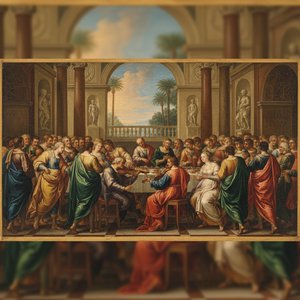
Paolo Veronese: A Renaissance Master of Color, Composition, and Venetian Splendor
Explore the vibrant world of Paolo Veronese, a Renaissance master renowned for his opulent compositions, masterful use of color, and dramatic Venetian scenes. Discover key artworks & legacy.


