
 Previzualizare
 Trimite
 Distribuie
 Detalii despre lucrare

 Descarcă
 Produse similare
 Radiografie
 Diapozitive automate
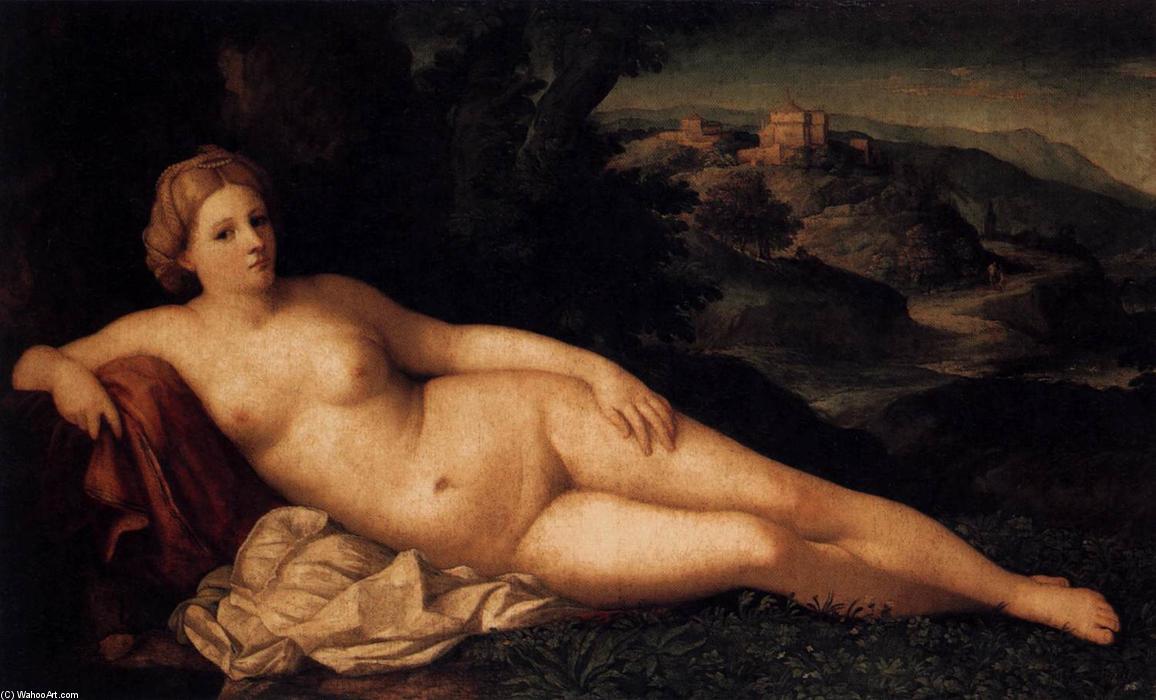
Venus
 Renaissance
 1520
1520 113.0 x 186.0 cm
 Galeria de Picturi Vechi Alte Meister
 Vezi mai mult
Giclée / Imprimare artistică
Printuri giclée sau pe canvas de calitate muzeală, cu proces de producție rapid și opțiuni flexibile de finisare. ( Comandă pictură lucrată manual Cumpără imaginea)




































Alegeți dintre dimensiunile noastre prestabilite, care respectă proporțiile originale ale operei de artă.

Puteți introduce propriile dimensiuni pentru a se potrivi unui anumit cadru sau spațiu. Dacă dimensiunea selectată nu corespunde proporțiilor imaginii originale, vom decupa lucrarea de artă sau vom extinde imaginea cu margini oglindite sau cu o culoare uniformă. Un mockup digital va fi trimis pentru aprobarea dumneavoastră înainte de începerea producției.
Vă rugăm să rețineți că previzualizarea de pe ecran nu reflectă decuparea sau extinderea reală. Doar mockup-ul va arăta cu exactitate compoziția finală.
Deși dimensiunile personalizate sunt disponibile, vă recomandăm să selectați o dimensiune din lista predefinită pentru a păstra proporțiile originale.
Livrare în întreaga lume () în 2 săptămâni, în loc de cele 4/5 săptămâni standard. (14 August)

Livrare expres gratuită la nivel mondial

Pânză de in de înaltă calitate

Asigurare completă pentru transport

Garanție de rambursare a taxelor vamale

Garanția fidelității culorilor

Politica de retur în 60 de zile (doar pentru defecte)

Garanție de rambursare 100%

Ofertă pentru comenzi multiple
 Opțiunea cu sticlă este disponibilă doar pentru dimensiuni de sub 110 cm

Venus
Giclée / Imprimare artistică
Dimensiune reproducere
-


Preț total calculat
$ 80
Descriere obiect de colecție
A Classical Representation
The painting depicts a nude woman lying on her side, with one arm resting on her head in a pose reminiscent of the Venus de Milo. The figure's body is turned towards the viewer, but her face is turned away, looking over her shoulder. This classical representation of Venus showcases Palma Il Vecchio's ability to blend realism with idealism, creating a sense of timeless beauty. Key Features of the painting include:- The use of a warm color palette dominated by earth tones, which gives the scene a serene and natural quality.
- The attention to detail in the rendering of the figure's skin and the naturalistic depiction of the environment.
- The visible but not overly pronounced brushwork, suggesting a smooth finish typical of the Renaissance period.
Biografie artist
A Venetian Master of Sensuality: The Life and Art of Palma Vecchio
Jacopo Negretti, known to history as Palma Vecchio – “Palma the Elder” – emerged from the artistic landscape of early 16th-century Venice as a pivotal figure bridging the High Renaissance and the burgeoning Mannerist styles. Born around 1480 in Serina Alta near Bergamo, his career unfolded entirely within the vibrant Republic of Venice, a city already steeped in artistic innovation. While documented records are sparse regarding his earliest training, it’s believed he may have initially apprenticed under Andrea Previtali before gravitating towards the revolutionary approaches of Giovanni Bellini, and ultimately, the captivating worlds created by Giorgione and Titian. Palma's arrival in Venice coincided with a period of intense artistic competition; alongside Lorenzo Lotto, he quickly established himself as a formidable talent, absorbing the lessons of his predecessors while forging his own distinctive path.Early Influences and the Development of a Unique Style
The initial stages of Palma’s career reveal a clear debt to Giovanni Bellini's refined technique and devotional style. However, it was the groundbreaking work of Giorgione – with its poetic atmosphere and enigmatic narratives – that truly ignited his artistic imagination. He swiftly embraced Giorgione’s use of color, light, and composition, infusing his own paintings with a similar sense of lyrical beauty. Yet, Palma wasn't merely an imitator; he possessed a unique gift for rendering the human form with a sensual grace and a captivating realism that set him apart. As Titian rose to prominence, Palma continued to evolve, demonstrating a remarkable ability to synthesize diverse influences into a harmonious and compelling visual language. This period saw the emergence of two primary themes in his oeuvre: the *sacra conversazione*, or holy conversation scenes, and half-length portraits of idealized women, often speculated to be depictions of Venice’s celebrated courtesans.The Allure of Myth and the Venetian Portrait
Palma Vecchio became renowned for his ability to imbue classical mythology with a distinctly Venetian sensibility. His pastoral scenes are not simply recreations of ancient tales; they are vibrant celebrations of beauty, love, and earthly pleasure, set against lush landscapes teeming with life. These works catered to the tastes of wealthy Venetian patrons who sought art that reflected their sophisticated lifestyles and appreciation for sensual delights. Simultaneously, his portraits – particularly those of women – captivated audiences with their exquisite detail and psychological depth. He developed a signature type: blonde beauties possessing an alluring gaze and a subtle air of mystery. The identity of these sitters remains largely unknown, fueling speculation about their connection to the city’s demimonde. His mastery of color—transparent glazes that created luminous effects—was particularly celebrated, though sadly, many of these delicate layers deteriorated over time. The sheer painterly capacity in his handling of paint and color is often cited as a defining characteristic of his work.Major Achievements and Artistic Legacy
Among Palma’s most significant achievements are the six paintings commissioned for the church of Santa Maria Formosa in Venice, centered around the *St. Barbara Altarpiece*. This monumental composition showcases his skill in depicting complex narratives and harmonious groupings of figures. His later works demonstrate a mastery of *contrapposto* – the elegant balance of opposing forces in a figure’s pose – and a refined palette that exudes dignity and grace. While he initially embraced influences from Central Italy, including Michelangelo, Palma ultimately forged a style uniquely his own. He was commissioned to paint a main altar at Sant'Elena in Venice in 1525, marking a significant milestone in his career. However, his sudden death in 1528 at the age of approximately 47 left numerous works unfinished, completed by his workshop and pupils. Despite this premature end, Palma Vecchio’s influence on Venetian painting was profound. He served as an important link between the High Renaissance masters like Titian and Giorgione and the emerging Mannerist generation, inspiring artists such as Bonifazio Pitati and Giovanni Busi.Historical Significance and Rediscovery
For centuries, Palma Vecchio's work remained somewhat overshadowed by his more celebrated contemporaries. However, in recent decades, there has been a growing appreciation for his unique contributions to Venetian art. Scholars have reassessed attributions previously assigned to Giorgione and Titian, recognizing the distinctive qualities of Palma’s style. His paintings are now celebrated for their sensual beauty, technical brilliance, and ability to capture the spirit of Renaissance Venice. He represents a fascinating intersection of artistic influences, bridging the gap between generations and offering a compelling glimpse into the cultural values and aesthetic sensibilities of his time. Palma Vecchio stands as a testament to the enduring power of Venetian painting—a master whose work continues to captivate and inspire audiences today.
palma il vecchio
1480 - 1528
Detalii rapide
- Artistic Movement Or Style: High Renaissance
- Artists Or Movements Influenced By This Artist:
- Palma il Giovane
- Venetian School
- Artists Who Influenced This Artist:
- Giovanni Bellini
- Giorgione
- Titian
- Date Of Birth: c. 1480
- Date Of Death: July 30, 1528
- Full Name: Jacopo Negretti
- Nationality: Italian
- Notable Artworks:
- St. Barbara Altarpiece
- Three Sisters
- Place Of Birth: Serina, Italy
Articole similare

Jacopo Palma il Giovane: A Venetian Master's Poetic Evolution
Explore the captivating world of Jacopo Palma il Giovane, a pivotal Venetian Renaissance master. Discover his unique style, influenced by Titian & Tintoretto, and learn about key works perfect for discerning collectors.

The Enduring Legacy of Oil on Canvas: Technique, History & Aesthetic Impact
Explore the rich history & techniques of oil painting – from Renaissance masters to Impressionism. Discover pigments, layering methods, and why this timeless medium endures. Expert insights for artists & art enthusiasts.

Oil on Canvas: A Historical & Technical Exploration of a Timeless Artistic Medium
Explore the rich history & enduring techniques of oil painting on canvas. Discover the science behind its longevity, conservation practices, and contemporary relevance. Expert insights for art enthusiasts.
The Enduring Legacy of Classicism: Principles, Evolution & Influence in Western Art
Explore the enduring legacy of Classicism in Western art! Discover its historical context, key principles, iconic masterpieces & lasting influence. Learn about Renaissance and Neoclassical movements with OriginalUniqueArt.

Moștenirea Durabilă a Picturii în Ulei: Tehnică, Istorie și Practică Contemporană
Descoperă istoria fascinantă și tehnicile esențiale ale picturii în ulei. Ghid complet pentru artiști, de la materiale până la creații contemporane. Îmbunătățește-ți abilitățile artistice!

