

 Vezi în context
 Trimite
 Distribuie
 Detalii
 Ghidul

 Descarcă
 Produse similare
 Radiografie
 Diaporama
 Statistici
Triumph of Death


 Citește mai mult
Giclée / Imprimare artistică
Printuri giclée sau pe canvas de calitate muzeală, cu proces de producție rapid și opțiuni flexibile de finisare. ( Comandă pictură realizată manual Treci la imagine digitală)




P118B $10

P118H $10

P118W $10

P438Z $10

P508JH $12

P508YH $12

P805H $10

P805Z $10

P919BZ $10

P919G $10

P919XJ $10

P959ZH $10

P968JZ $12

W106C $8

W218G $10

W218JH $8

W218Y $10

W307PJ $10

W316G $10

W316PJ $8

W316Y $10

W398PJ $8

W4111J $10

W500HY $15

W500JH $15

W692G $12

W849H $8

W940BG $15

W953PJ $8




Alegeți dintre dimensiunile noastre prestabilite, care respectă proporțiile originale ale operei de artă.

Puteți introduce propriile dimensiuni pentru a se potrivi unui anumit cadru sau spațiu. Dacă dimensiunea selectată nu corespunde proporțiilor imaginii originale, vom decupa lucrarea de artă sau vom extinde imaginea cu margini oglindite sau cu o culoare uniformă. Un mockup digital va fi trimis pentru aprobarea dumneavoastră înainte de începerea producției.
Vă rugăm să rețineți că previzualizarea de pe ecran nu reflectă decuparea sau extinderea reală. Doar mockup-ul va arăta cu exactitate compoziția finală.
Deși dimensiunile personalizate sunt disponibile, vă recomandăm să selectați o dimensiune din lista predefinită pentru a păstra proporțiile originale.
Livrare în întreaga lume () în 2 săptămâni, în loc de cele 4/5 săptămâni standard. (27 Septembrie)

Livrare expres gratuită la nivel mondial

Pânză de in premium

Asigurare completă pentru transport

Garanție de rambursare a taxelor vamale

Garanția fidelității culorilor

Politica de retur în 100 de zile (doar pentru defecte)

Garanție de rambursare 100%

Reducere pentru comenzi multiple
 Opțiunea cu sticlă este disponibilă doar pentru dimensiuni de sub 110 cm

Triumph of Death
Giclée / Imprimare artistică
Dimensiune reproducere
-


Preț total
$ 80
A Descent into Mortality: Otto Dix’s ‘Triumph of Death’
Otto Dix's "Triumph of Death," completed in 1934, is not merely a painting; it’s an immersive plunge into the heart of human despair. This monumental work, echoing Pieter Bruegel the Elder’s iconic “The Triumph of Death,” confronts viewers with a relentlessly bleak vision of mortality – a scene of chaotic carnage where death reigns supreme and all earthly pursuits are rendered utterly futile. Dix, deeply scarred by his experiences in World War I, channeled this trauma into a powerfully unsettling allegory, creating an image that resonates with primal fear and the inescapable truth of human existence.
- Historical Context: Created during the rise of extremism in Germany, "Triumph of Death" reflects Dix’s own disillusionment with society and his profound anxieties about the future. The painting's stark realism and unflinching depiction of death align with the broader Expressionist movement, which sought to convey subjective emotions and experiences rather than objective reality.
- Style & Technique: Dix employs a brutally realistic style, characteristic of German Expressionism, utilizing thick impasto brushstrokes that lend a visceral quality to the scene. The composition is deliberately jarring – figures are distorted, limbs are broken, and the overall effect is one of overwhelming chaos. He masterfully utilizes chiaroscuro, employing dramatic contrasts between light and shadow to heighten the sense of horror and emphasize the skeletal forms dominating the canvas.
Symbolism and Allegory
The painting’s symbolism is layered and profoundly disturbing. The central figure, a skeletal king wielding a scythe, immediately establishes death as the ultimate authority. Surrounding him are countless victims – soldiers, peasants, nobles – all equally vulnerable to the relentless advance of mortality. Dix deliberately avoids romanticizing death; instead, he presents it as a cold, indifferent force, stripping away any pretense of glory or significance. The inclusion of everyday objects – musical instruments, dice, and even a partially eaten meal – underscores the futility of human endeavors in the face of inevitable demise. Even the landscape itself is rendered bleak and desolate, mirroring the emotional state of the scene.
- Skeletal Figures: The overwhelming presence of skeletal figures represents the universality of death, transcending social status or individual identity.
- The Scythe: Symbolizes not just death but also the harvesting of souls.
- Distorted Forms: Reflect the psychological trauma experienced by Dix and contribute to the painting’s unsettling atmosphere.
A Masterclass in Oil Painting
Dix's technical skill is undeniable. He demonstrates a remarkable command of oil paint, layering colors with meticulous precision to create a rich, textured surface. The palette – dominated by browns, ochres, reds, and muted blues – contributes significantly to the painting’s somber mood. The artist’s use of perspective, though somewhat flattened, effectively conveys a sense of claustrophobia and intensifies the viewer's feeling of vulnerability within this terrifying tableau. The meticulous detail in rendering each individual figure, from the broken armor to the decaying flesh, adds to the painting’s unsettling realism. This work stands as a testament to Dix’s artistic prowess and his ability to translate profound emotional experience into a powerfully evocative visual statement.
Collecting ‘Triumph of Death’ – A Reproduction Opportunity
OriginalUniqueArt offers meticulously crafted hand-painted reproductions of Otto Dix's “Triumph of Death,” allowing you to bring this iconic artwork into your home or office. Our skilled artisans employ the same techniques and materials as Dix, ensuring an authentic representation of this profoundly moving masterpiece. Whether you are a seasoned art collector or simply seeking a unique piece of art that sparks conversation, a OriginalUniqueArt reproduction of “Triumph of Death” is a powerful addition to any collection – a constant reminder of life’s fragility and the enduring power of artistic expression.
Biografie artist
Early Life and the Shadow of War
Wilhelm Heinrich Otto Dix (n. 2 decembrie 1891, Untermhaus(d), Turingia, Germania – d. 25 iulie 1969, Singen, Republica Federală Germania) a fost un pictor, desenator și gravor considerat ca unul dintre cei mai importanți artiști plastici germani ai secolului XX. A fost influențat de expresionism și de curentul „noua obiectivitate” („Neue Sachlichkeit”), fiind interesat de critica socială. În compozițiile sale, Dix prezintă războiul și consecințele lui tragice, între care șomajul și privațiunile proletariatului. A pictat și portrete, peisaje și scene de gen. Ca desenator excelent, a lăsat posterității peste 6.000 de desene și schițe. A realizat picturi și lucrări în acuarelă care evocă stilul renascentist. Cele mai ample colecții cu lucrări ale lui Otto Dix se află la Kunstmuseum („Muzeul artelor”) din Stuttgart și la Museum Gunzenhauser din Chemnitz (fost Karl-Marx-Stadt). În 1933, după ce naziștii au acaparat puterea, Dix a fost unul dintre primii profesori dați afară din serviciul la universitate. Patru ani mai târziu, lucrări ale lui Dix au figurat printre operele plastice prezentate de regimul nazist (între altele într-o celebră expoziție la München) ca „artă degenerată” și „sabotarea apărării prin artă”. 260 de lucrări i-au fost scoase din muzee, confiscate, vândute și arse. Totuși, în 1937, anul expoziției de tristă faimă din München, două lucrări ale lui Dix au fost prezente într-o expoziție în Gera, prilejuită de sărbătorirea a 700 de ani de la fondarea orașului. Un an mai târziu Dix a fost ținut de Gestapo în arest preventiv timp de două săptămâni, în urma unui atentat împotriva lui Adolf Hitler. În 1945 a fost mobilizat în „Volkssturm”, forma de organizare paramilitară într-o ultimă încercare a regimului de a opune rezistență Aliaților. Dix a fost în prizonierat francez până în 1946.The Weimar Republic and Neue Sachlichkeit
Returning from the war profoundly changed, Dix channeled his experiences into unflinching depictions of its aftermath. His early post-war work reflected Expressionist tendencies, but he soon gravitated towards a new aesthetic—*Neue Sachlichkeit*, or New Objectivity. This movement rejected emotional abstraction in favor of stark realism and critical social commentary. Dix became one of its leading figures alongside George Grosz and Max Beckmann. Paintings like The Trench (1923) caused public outrage with their graphic portrayal of dismembered bodies, forcing museums to hide the work from view. This wasn’t merely shock value; it was a deliberate attempt to confront viewers with the brutal truth of war, stripping away any romanticized notions of heroism or glory. He didn't shy away from depicting the physical and psychological wounds inflicted upon soldiers, nor did he ignore the societal indifference towards their plight. His series of paintings War Cripples further underscored this theme, portraying veterans marginalized and forgotten by a society eager to move on. Beyond war, Dix turned his gaze toward the excesses and moral bankruptcy of Weimar Germany. Metropolis (1928) is a scathing indictment of urban life, filled with scenes of debauchery, prostitution, and social alienation. His portraits from this period are equally unflinching, capturing the cynicism and decadence of the era’s elite.Influences and Artistic Style
Dix's artistic development was shaped by a complex interplay of influences. Initially drawn to Expressionism, he quickly embraced the principles of *Neue Sachlichkeit*, characterized by its precise observation, stark realism, and critical perspective. He was deeply affected by his experiences in World War I, which profoundly altered his worldview and fueled his desire to expose the horrors of conflict. His early works often featured landscapes and portraits, but it was his depictions of war that truly defined his artistic career. Dix’s style evolved over time, incorporating elements of Cubism and Surrealism while maintaining a core commitment to realism. He skillfully blended technical virtuosity with emotional intensity, creating images that were both visually arresting and psychologically profound. His use of color—often muted and somber—contributed to the overall sense of unease and disillusionment in his work.Major Works and Legacy
Otto Dix’s oeuvre encompasses a vast range of subjects and styles. Some of his most notable works include The Trench (1923), a harrowing depiction of trench warfare; *Metropolis* (1928), a satirical portrayal of Berlin society; *War Cripples* (1929-32), a series of poignant portraits of disabled veterans; and numerous portraits of prominent figures from the Weimar era. Dix’s art remains remarkably relevant today, offering a powerful commentary on war, social injustice, and the human condition. He is considered one of the most important German artists of the 20th century, whose unflinching honesty and critical vision continue to inspire and challenge viewers. His legacy extends beyond his individual works; he played a significant role in shaping the course of modern art, paving the way for subsequent generations of artists who sought to confront difficult truths and engage with social issues through their art.- Dix’s work is featured in major museums worldwide, including the Museum of Modern Art in New York and the Suermondt-Ludwig-Museum in Germany.
- His etchings, particularly *The War*, are considered masterpieces of graphic art.
- He remains a pivotal figure in understanding the artistic and social landscape of Weimar Germany.

Otto Dix
1891 - 1969 , Germania
Informații rapide
- Artistic Movement Or Style: Neue Sachlichkeit
- Artists Or Movements Influenced By This Artist: ['George Grosz']
- Date Of Birth: 2 Decembrie 1891
- Date Of Death: 25 Iulie 1969
- Full Name: Wilhelm Heinrich Otto Dix
- Nationality: German
- Notable Artworks:
- The Trench
- Metropola
- Războiul
- Place Of Birth: Untermhaus, Germania
Articole conexe

The Northern Renaissance: A Flourishing of Realism, Religious Reform & Artistic Innovation
Explore the Northern Renaissance! Discover Jan van Eyck's innovations, religious shifts, & key artists of this influential period. Expert analysis and insights into Early Netherlandish painting at OriginalUniqueArt.

Elegance & Distortion: A Cultural Reflection on the Captivating World of Northern Mannerism
Embark on a cultural journey through Northern Mannerism. Discover how artists moved from Renaissance harmony to an era of elegant distortion, psychological depth, and exquisite tension in the 16th-century European art landscape.

Otto Dix: Trauma, Society & Artistic Rebellion in Weimar Germany
Explore the powerful and unsettling art of Otto Dix, a key figure of Neue Sachlichkeit. Discover his unflinching depictions of Weimar Germany's trauma, society, and war through insightful analysis & iconic masterpieces.

Northern Mannerism: The Bold Revolution of Elegant Distortion and High-Impact Tension
Explore the high-impact world of Northern Mannerism. Discover how artists mastered elegant distortion and psychological tension to revolutionize European art through bold, visually striking compositions for the modern collector.
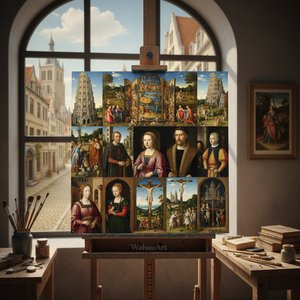
Renașterea Nordică: 10 Capodopere Esențiale pentru Decorul Tău Artistic
Descoperă 10 capodopere ale Renașterii nordice! Explorează picturi iconice de Jan van Eyck, Dürer și Bosch. Află poveștile maeștrilor și simbolismul vibrant al artei renascentiste. Reproduceri de artă premium pe OriginalUniqueArt.com.


