

 Vezi în context
 Trimite
 Distribuie
 Detalii
 Ghidul

 Descarcă
 Produse similare
 Radiografie
 Diaporama
 Statistici
Shock Troops Advance under Gas


 Citește mai mult
Lucrarea de artă afișată pe această pagină este protejată de legile privind drepturile de autor, ceea ce înseamnă că nu putem crea sau vinde în mod legal o reproducere identică. Această protecție este garantată prin acorduri internaționale, precum Convenția de la Berna și de legile naționale, inclusiv cele prevăzute de Legea dreptului de autor din S.U.A. – Titlul 17. Toate drepturile rezervate. Orice reproducere neautorizată este interzisă.
Ca alternativă respectuoasă și legală, oferim tablouri pictate manual, personalizate, inspirate de original. Artistii noștri experimentați și profesioniști studiază cu atenție stilul, starea de spirit și esența artistică a originalului pentru a crea o piesă nouă și unică, care evocă aceeași emoție – rămânând, în același timp, o creație originală în sine.
Această metodă respectă pe deplin reglementările privind drepturile de autor, deoarece nu implică copierea sau duplicarea operei protejate. În schimb, este o reinterpretare creativă – o pictură nouă, influențată de original, dar care nu este identică cu acesta.
Reproducere pictată manual în ulei
Pictură în ulei pe pânză, realizată manual de artiștii noștri la dimensiunea și ramele dorite de dumneavoastră, pe comandă. ( Comută pe versiunea Print Treci la imagine digitală)




P118B lei10

P118H lei10

P118W lei10

P438Z lei10

P508JH lei12

P508YH lei12

P805H lei10

P805Z lei10

P919BZ lei10

P919G lei10

P919XJ lei10

P959ZH lei10

P968JZ lei12

W106C lei8

W218G lei10

W218JH lei8

W218Y lei10

W307PJ lei10

W316G lei10

W316PJ lei8

W316Y lei10

W398PJ lei8

W4111J lei10

W500HY lei15

W500JH lei15

W692G lei12

W849H lei8

W940BG lei15

W953PJ lei8




Alegeți dintre dimensiunile noastre prestabilite, care respectă proporțiile originale ale operei de artă.

Introduceți lățimea și înălțimea de care aveți nevoie, pentru a se potrivi ramei sau peretelui dumneavoastră. Această lucrare este pictată manual, așa că pentru o dimensiune cu o formă diferită, artistul poate picta puțin mai mult în jurul imaginii sau poate tăia puțin din margini — dumneavoastră decideți. Vă vom trimite o simulare digitală pentru aprobare înainte de a începe pictarea. Imaginea afișată pe această pagină nu reprezintă rezultatul real — doar simularea este reprezentativă.
După plasarea comenzii, echipa OriginalUniqueArt.com va contacta clientul prin e-mail pentru instrucțiuni și îi va furniza o previzualizare a machetei
Livrare în întreaga lume () în 3-4 săptămâni, în loc de cele 5 săptămâni standard. (24 Octombrie). Fără compromisuri în ceea ce privește calitatea.

Livrare expres gratuită la nivel mondial

Pânză de in premium

Asigurare completă pentru transport

Garanție de rambursare a taxelor vamale

Garanția fidelității culorilor

Politica de retur în 100 de zile (doar pentru defecte)

Garanție de rambursare 100%

Reducere pentru comenzi multiple
 Opțiunea cu sticlă este disponibilă doar pentru dimensiuni de sub 110 cm

Shock Troops Advance under Gas
Tip de reproducere
Dimensiune reproducere
-


Preț total
lei 1389
Otto Dix’s “Shock Troops Advance under Gas” – A Chronicle of Trauma and Modernity
Otto Dix's "Shock Troops Advance under Gas," painted in 1924, isn’t merely a depiction of war; it’s a visceral scream rendered in stark black and white. This arresting work, currently housed at The Art Institute of Chicago, serves as a brutal indictment of the First World War and its enduring psychological scars. Dix, deeply affected by his own experiences as an artillery gunner on both the Western and Eastern fronts, channeled his trauma into a style he termed “Neue Sachlichkeit” – New Objectivity – characterized by unflinching realism and a deliberate rejection of romanticized depictions of conflict.
The painting immediately assaults the viewer with its chaotic composition. A dense mass of soldiers, their faces obscured by gas masks, surges forward across a desolate landscape. The figures are not heroic or valiant; they’re distorted, grotesque even, reduced to anonymous masses consumed by a horrifying ordeal. Dix masterfully employs a limited palette – primarily black, white, and shades of gray – to amplify the sense of despair and decay. This monochromatic approach isn't simply stylistic; it mirrors the bleakness of the battlefield and the emotional numbness experienced by those who fought there. The use of drypoint etching technique, combined with aquatint, creates a remarkable textural quality, emphasizing the rough surfaces of uniforms, the crumbling earth, and the suffocating gas itself.
The Anatomy of Horror: Technique and Symbolism
Dix’s technical prowess is evident in his meticulous rendering of detail, juxtaposed against the overall sense of chaos. Notice how he meticulously depicts the individual gas masks, highlighting their uncomfortable angles and the grim determination etched on the soldiers' faces. The figures are not uniformly rendered; some appear to be collapsing, others staggering forward with a vacant stare, while still others seem lost in a detached nightmare. This deliberate lack of clarity contributes to the painting’s unsettling effect, mirroring the disorientation and psychological trauma experienced by soldiers exposed to gas attacks.
Symbolism permeates every aspect of “Shock Troops Advance under Gas.” The gas itself represents not just chemical warfare but also the insidious corruption of the human spirit. It obscures vision, both literal and metaphorical, blinding soldiers to reason and morality. The desolate landscape – a barren wasteland punctuated by shattered buildings – symbolizes the destruction wrought by war and the loss of innocence. The positioning of the figures, seemingly trapped in an endless forward march, speaks to the futility and relentless nature of conflict. Even the composition itself—a tightly packed mass with no clear focal point—reflects the overwhelming sense of chaos and disorientation experienced on the front lines.
Historical Context: Weimar Germany and the Shadow of War
To fully appreciate “Shock Troops Advance under Gas,” it’s crucial to understand its historical context. Painted in the aftermath of World War I, the painting reflects the profound disillusionment and social upheaval gripping Weimar Germany. The country was grappling with economic instability, political extremism, and a deep sense of national shame following the devastating conflict. Dix's unflinching portrayal of war directly challenged the prevailing patriotic narratives and exposed the brutal realities that had been deliberately obscured by official propaganda.
Dix’s work aligned him with the broader movement of “Neue Sachlichkeit,” which sought to depict reality without sentimentality or romanticism. However, unlike many of his contemporaries, Dix didn't shy away from confronting uncomfortable truths about German society and its role in the war. His paintings served as a powerful critique of militarism, nationalism, and the moral bankruptcy of the ruling elite.
Emotional Resonance: A Timeless Testament to Human Suffering
"Shock Troops Advance under Gas" is more than just a historical document; it’s a profoundly moving work of art that continues to resonate with viewers today. Dix's masterful use of composition, technique, and symbolism creates an intensely unsettling experience, forcing us to confront the horrors of war and its lasting impact on individuals and societies. The painting’s stark imagery and emotional honesty serve as a timeless reminder of the human cost of conflict – a message that remains tragically relevant in our own turbulent times.
Întrebări și răspunsuri
Cum este construită compoziția cromatică a operei "Shock Troops Advance under Gas" de Otto Dix?
În "Shock Troops Advance under Gas", un Gentle contrast este împletuit cu o Unified Palette armonie.
Ce spațiu este recomandat pentru "Shock Troops Advance under Gas" de Otto Dix?
Spațiul recomandat pentru "Shock Troops Advance under Gas" de Otto Dix este o Living Room. Sugestia poate fi, desigur, adaptată interiorului dumneavoastră.
Cum se încadrează stilul operei „Shock Troops Advance under Gas” în contextul epocii creatorului său?
"Shock Troops Advance under Gas" de Otto Dix este încadrat în mișcarea Neue Sachlichkeit, din epoca Era modernă a creatorului său.
Biografie artist
Early Life and the Shadow of War
Wilhelm Heinrich Otto Dix (n. 2 decembrie 1891, Untermhaus(d), Turingia, Germania – d. 25 iulie 1969, Singen, Republica Federală Germania) a fost un pictor, desenator și gravor considerat ca unul dintre cei mai importanți artiști plastici germani ai secolului XX. A fost influențat de expresionism și de curentul „noua obiectivitate” („Neue Sachlichkeit”), fiind interesat de critica socială. În compozițiile sale, Dix prezintă războiul și consecințele lui tragice, între care șomajul și privațiunile proletariatului. A pictat și portrete, peisaje și scene de gen. Ca desenator excelent, a lăsat posterității peste 6.000 de desene și schițe. A realizat picturi și lucrări în acuarelă care evocă stilul renascentist. Cele mai ample colecții cu lucrări ale lui Otto Dix se află la Kunstmuseum („Muzeul artelor”) din Stuttgart și la Museum Gunzenhauser din Chemnitz (fost Karl-Marx-Stadt). În 1933, după ce naziștii au acaparat puterea, Dix a fost unul dintre primii profesori dați afară din serviciul la universitate. Patru ani mai târziu, lucrări ale lui Dix au figurat printre operele plastice prezentate de regimul nazist (între altele într-o celebră expoziție la München) ca „artă degenerată” și „sabotarea apărării prin artă”. 260 de lucrări i-au fost scoase din muzee, confiscate, vândute și arse. Totuși, în 1937, anul expoziției de tristă faimă din München, două lucrări ale lui Dix au fost prezente într-o expoziție în Gera, prilejuită de sărbătorirea a 700 de ani de la fondarea orașului. Un an mai târziu Dix a fost ținut de Gestapo în arest preventiv timp de două săptămâni, în urma unui atentat împotriva lui Adolf Hitler. În 1945 a fost mobilizat în „Volkssturm”, forma de organizare paramilitară într-o ultimă încercare a regimului de a opune rezistență Aliaților. Dix a fost în prizonierat francez până în 1946.The Weimar Republic and Neue Sachlichkeit
Returning from the war profoundly changed, Dix channeled his experiences into unflinching depictions of its aftermath. His early post-war work reflected Expressionist tendencies, but he soon gravitated towards a new aesthetic—*Neue Sachlichkeit*, or New Objectivity. This movement rejected emotional abstraction in favor of stark realism and critical social commentary. Dix became one of its leading figures alongside George Grosz and Max Beckmann. Paintings like The Trench (1923) caused public outrage with their graphic portrayal of dismembered bodies, forcing museums to hide the work from view. This wasn’t merely shock value; it was a deliberate attempt to confront viewers with the brutal truth of war, stripping away any romanticized notions of heroism or glory. He didn't shy away from depicting the physical and psychological wounds inflicted upon soldiers, nor did he ignore the societal indifference towards their plight. His series of paintings War Cripples further underscored this theme, portraying veterans marginalized and forgotten by a society eager to move on. Beyond war, Dix turned his gaze toward the excesses and moral bankruptcy of Weimar Germany. Metropolis (1928) is a scathing indictment of urban life, filled with scenes of debauchery, prostitution, and social alienation. His portraits from this period are equally unflinching, capturing the cynicism and decadence of the era’s elite.Influences and Artistic Style
Dix's artistic development was shaped by a complex interplay of influences. Initially drawn to Expressionism, he quickly embraced the principles of *Neue Sachlichkeit*, characterized by its precise observation, stark realism, and critical perspective. He was deeply affected by his experiences in World War I, which profoundly altered his worldview and fueled his desire to expose the horrors of conflict. His early works often featured landscapes and portraits, but it was his depictions of war that truly defined his artistic career. Dix’s style evolved over time, incorporating elements of Cubism and Surrealism while maintaining a core commitment to realism. He skillfully blended technical virtuosity with emotional intensity, creating images that were both visually arresting and psychologically profound. His use of color—often muted and somber—contributed to the overall sense of unease and disillusionment in his work.Major Works and Legacy
Otto Dix’s oeuvre encompasses a vast range of subjects and styles. Some of his most notable works include The Trench (1923), a harrowing depiction of trench warfare; *Metropolis* (1928), a satirical portrayal of Berlin society; *War Cripples* (1929-32), a series of poignant portraits of disabled veterans; and numerous portraits of prominent figures from the Weimar era. Dix’s art remains remarkably relevant today, offering a powerful commentary on war, social injustice, and the human condition. He is considered one of the most important German artists of the 20th century, whose unflinching honesty and critical vision continue to inspire and challenge viewers. His legacy extends beyond his individual works; he played a significant role in shaping the course of modern art, paving the way for subsequent generations of artists who sought to confront difficult truths and engage with social issues through their art.- Dix’s work is featured in major museums worldwide, including the Museum of Modern Art in New York and the Suermondt-Ludwig-Museum in Germany.
- His etchings, particularly *The War*, are considered masterpieces of graphic art.
- He remains a pivotal figure in understanding the artistic and social landscape of Weimar Germany.

Otto Dix
1891 - 1969 , Germania
Informații rapide
- Artistic Movement Or Style: Neue Sachlichkeit
- Artists Or Movements Influenced By This Artist: ['George Grosz']
- Date Of Birth: 2 Decembrie 1891
- Date Of Death: 25 Iulie 1969
- Full Name: Wilhelm Heinrich Otto Dix
- Nationality: German
- Notable Artworks:
- The Trench
- Metropola
- Războiul
- Place Of Birth: Untermhaus, Germania
Articole conexe

Top 10 Capodopere ale Expresionismului Abstract: Artă, Artiști și Decorațiuni de Lux | OriginalUniqueArt.ro
Descoperă Top 10 capodopere ale Expresionismului Abstract! Explorează poveștile lui Pollock, Rothko și De Kooning. Reproduceri de artă de lux & inspirație decor pe OriginalUniqueArt.ro. Găsește pictura perfectă pentru spațiul tău!

Echoes of Trauma & Hope: Representing Transformation in Artworks of 1918
Explore the profound artistic responses to World War I's trauma & hope. Discover Expressionist masterpieces by Bacon, de Kooning & more. Expert insights for collectors & art enthusiasts at OriginalUniqueArt.

Top 10 Tablouri Celebre Dominante de Negru: Artă, Istorie și Decor Rafinat
Descoperă Top 10 tablouri celebre dominate de negru! Explorează istoria, simbolismul și tehnicile artistice ale unor opere iconice de Rembrandt, Goya și alți maeștri. Reproduceri de artă de calitate muzeală pe OriginalUniqueArt.com – inspiră-ți decorul!

Otto Dix: Trauma, Society & Artistic Rebellion in Weimar Germany
Explore the powerful and unsettling art of Otto Dix, a key figure of Neue Sachlichkeit. Discover his unflinching depictions of Weimar Germany's trauma, society, and war through insightful analysis & iconic masterpieces.
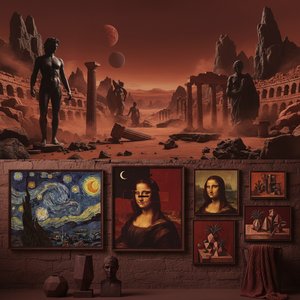
Top 10 Capodopere Picturale Dominante de Tonuri 'Mars Black' | Artă & Decor
Descoperă top 10 picturi celebre dominate de tonuri 'Mars Black', de la Rembrandt la Picasso. Explorează istoria, tehnicile și emoțiile din spatele acestor capodopere artistice. Reproduceri tablouri de calitate muzeală pe OriginalUniqueArt.com!


