
 Previzualizare
 Trimite prin felicitare
 Distribuie
 Detalii despre lucrare
 Ghid
Ghid

 Descarcă imaginea
 Produse similare
 Radiografie
 Galerie foto
 Q&A
Q&A Statistici
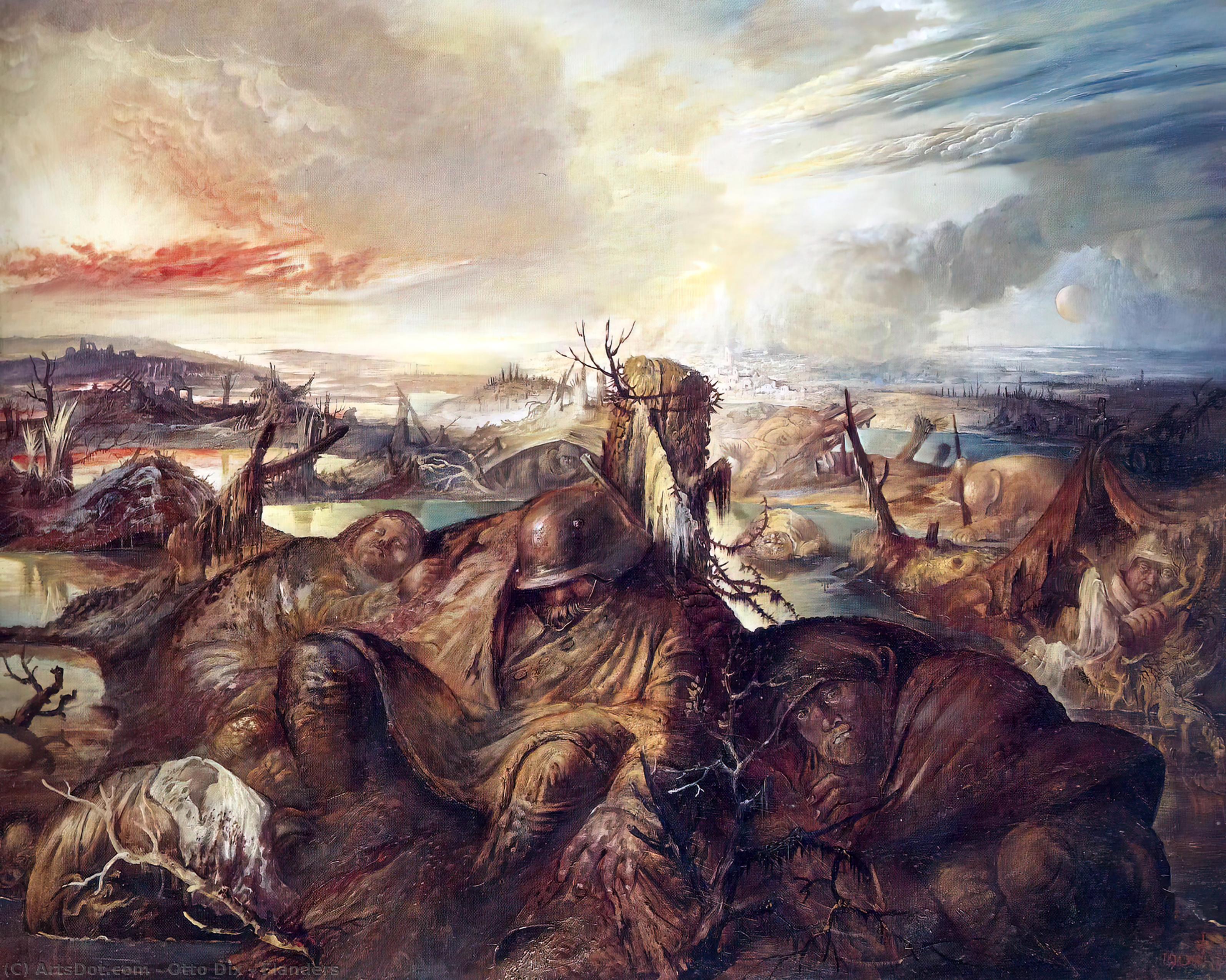
Flandra


 Vezi mai mult
Lucrarea de artă afișată pe această pagină este protejată de legile privind drepturile de autor, ceea ce înseamnă că nu putem crea sau vinde în mod legal o reproducere identică. Această protecție este garantată prin acorduri internaționale, precum Convenția de la Berna și de legile naționale, inclusiv cele prevăzute de Legea dreptului de autor din S.U.A. – Titlul 17. Toate drepturile rezervate. Orice reproducere neautorizată este interzisă.
Această metodă respectă pe deplin reglementările privind drepturile de autor, deoarece nu implică copierea sau duplicarea operei protejate. În schimb, este o reinterpretare creativă – o pictură nouă, influențată de original, dar care nu este identică cu acesta.
Giclée / Imprimare artistică
Printuri giclée sau pe canvas de calitate muzeală, cu proces de producție rapid și opțiuni flexibile de finisare. ( Comandă pictură realizată manual Comută pe Imagine Digitală)




P118B lei10

P118H lei10

P118W lei10

P438Z lei10

P508JH lei12

P508YH lei12

P805H lei10

P805Z lei10

P919BZ lei10

P919G lei10

P919XJ lei10

P959ZH lei10

P968JZ lei12

W106C lei8

W218G lei10

W218JH lei8

W218Y lei10

W307PJ lei10

W316G lei10

W316PJ lei8

W316Y lei10

W398PJ lei8

W4111J lei10

W500HY lei15

W500JH lei15

W692G lei12

W849H lei8

W940BG lei15

W953PJ lei8




Alegeți dintre dimensiunile noastre prestabilite, care respectă proporțiile originale ale operei de artă.

Introduceți lățimea și înălțimea necesare pentru a se potrivi ramei sau peretelui dumneavoastră. O printare poate fi doar tăiată, niciodată extinsă dincolo de dimensiunea imaginii originale, astfel încât o dimensiune cu o formă diferită va pierde o parte din imagine. Vă trimitem o simulare digitală pentru aprobare înainte de a imprima orice. Imaginea afișată pe această pagină nu prezintă tăierea reală — doar simularea arată acest lucru.
Livrare în întreaga lume () în 2 săptămâni, în loc de cele 4/5 săptămâni standard. (30 Octombrie)

Livrare expres gratuită la nivel mondial

Pânză de in de înaltă calitate

Asigurare completă pentru transport

Garanție de rambursare a taxelor vamale

Garanția fidelității culorilor

Politica de retur în 100 de zile (doar pentru defecte de fabricație)

Garanție de rambursare 100%

Ofertă pentru comenzi multiple
 Opțiunea cu sticlă este disponibilă doar pentru dimensiuni de sub 110 cm

Flandra
Giclée / Imprimare artistică
Dimensiune reproducere
-


Preț total calculat
lei 375
O reprezentare puternică a devastării războiului
Această operă de artă tulburătoare surprinde haosul brut și disperarea profundă a unui peisaj post-apocaliptic, evocând realitățile brutale ale războiului și suferința umană. Scena este vastă și tumultuoasă, plină de structuri distruse, soldați căzuți și resturi scheletice împrăștiate printr-un teren pustiu. Figurile sunt distorsionate și chinuite, întruchipând costul emoțional al conflictului și al pierderii. Prin subiectul său captivant, piesa îi invită pe spectatori să reflecteze asupra consecințelor devastatoare ale violenței și asupra rezilienței spiritului uman în mijlocul distrugerii.Stil și tehnică distinctiv
Combinând elemente de realism cu cele ale expresionismului, artistul folosește o pensulă liberă și expresivă, alături de texturi stratificate, pentru a intensifica impactul emoțional. Paleta cromatică întunecată și demuată — întreruptă de mici accente de nuanțe mai deschise — creează un contrast puternic ce subliniază devastarea, sugerând în același timp momente subtile de reziliență. Texturile bogate și aplicarea stratificată a vopselei conferă piesei o calitate viscerală și tactilă, scufundând privitorii în haosul și disperarea scenei. Perspectiva largă și formele suprapuse ghidează privirea de-a lungul peisajului vast, sporind senzația de profunzime și scară.Context istoric și simbolism
Deși data exactă a creației rămâne necunoscută, lucrarea rezonează profund cu temele războiului, ale distrugerii și ale agitației sociale care au marcat începutul secolului al XX-lea. Ea oglindește realitățile brutale depictate în lucrările unor artiști precum Otto Dix, care au căutat să confrunte publicul cu ororile războiului și cu consecințele acestuia. Liniile ascuțite și formele fracturate simbolizează haosul și violența, în timp ce resturile scheletice și structurile rupte servesc drept mementouri crude ale mortalității și ale fragilității vieții umane. Lumina difuză și sumbră subliniază o atmosferă de doliu și reflecție, invitând privitorii să contemple cicatricile durabile ale conflictului.Impact emoțional și semnificație artistică
Această piesă este mai mult decât o reprezentare vizuală; este o călătorie emoțională care îi confruntă pe spectatori cu adevărurile dure ale războiului și ale suferinței umane. Imaginile sale viscerale și tehnica stratificată evocă sentimente de disperare, pierdere și introspecție, făcând din această lucrare o declarație puternică pentru colecționari și designeri de interior care caută opere de artă de impact, capabile să declanșeze conversații. Fie că este expusă într-o galerie, într-un spațiu de locuit modern sau într-un mediu contemplativ, această operă oferă o experiență vizuală profundă, care rezonează puternic cu cei care apreciază arta cu profunzime istorică și rezonanță emoțională.Întrebări și răspunsuri
Este "Flandra" reprezentativ pentru temele abordate de obicei de Otto Dix?
Temele recurente ale lui Otto Dix includ dix’s expressionist vision, wwi trauma reflection, social critique artwork, war horror imagery, central piece portfolio; „Flandra” se concentrează pe war, suffering, landscape, mortality, expressionism, soldiers, desolation.
Există un ghid pentru "Flandra" de Otto Dix?
O pagină de Fișă informativă este disponibilă pentru "Flandra" de Otto Dix: o fișă informativă imprimabilă despre operă, concepută pentru elevi și utilizare în mediul școlar.
Ce nivel de saturație a culorilor are "Flandra" de Otto Dix?
Paleta lucrării "Flandra" are o saturație de Culori discrete.
Biografie artist
Early Life and the Shadow of War
Wilhelm Heinrich Otto Dix (n. 2 decembrie 1891, Untermhaus(d), Turingia, Germania – d. 25 iulie 1969, Singen, Republica Federală Germania) a fost un pictor, desenator și gravor considerat ca unul dintre cei mai importanți artiști plastici germani ai secolului XX. A fost influențat de expresionism și de curentul „noua obiectivitate” („Neue Sachlichkeit”), fiind interesat de critica socială. În compozițiile sale, Dix prezintă războiul și consecințele lui tragice, între care șomajul și privațiunile proletariatului. A pictat și portrete, peisaje și scene de gen. Ca desenator excelent, a lăsat posterității peste 6.000 de desene și schițe. A realizat picturi și lucrări în acuarelă care evocă stilul renascentist. Cele mai ample colecții cu lucrări ale lui Otto Dix se află la Kunstmuseum („Muzeul artelor”) din Stuttgart și la Museum Gunzenhauser din Chemnitz (fost Karl-Marx-Stadt). În 1933, după ce naziștii au acaparat puterea, Dix a fost unul dintre primii profesori dați afară din serviciul la universitate. Patru ani mai târziu, lucrări ale lui Dix au figurat printre operele plastice prezentate de regimul nazist (între altele într-o celebră expoziție la München) ca „artă degenerată” și „sabotarea apărării prin artă”. 260 de lucrări i-au fost scoase din muzee, confiscate, vândute și arse. Totuși, în 1937, anul expoziției de tristă faimă din München, două lucrări ale lui Dix au fost prezente într-o expoziție în Gera, prilejuită de sărbătorirea a 700 de ani de la fondarea orașului. Un an mai târziu Dix a fost ținut de Gestapo în arest preventiv timp de două săptămâni, în urma unui atentat împotriva lui Adolf Hitler. În 1945 a fost mobilizat în „Volkssturm”, forma de organizare paramilitară într-o ultimă încercare a regimului de a opune rezistență Aliaților. Dix a fost în prizonierat francez până în 1946.The Weimar Republic and Neue Sachlichkeit
Returning from the war profoundly changed, Dix channeled his experiences into unflinching depictions of its aftermath. His early post-war work reflected Expressionist tendencies, but he soon gravitated towards a new aesthetic—*Neue Sachlichkeit*, or New Objectivity. This movement rejected emotional abstraction in favor of stark realism and critical social commentary. Dix became one of its leading figures alongside George Grosz and Max Beckmann. Paintings like The Trench (1923) caused public outrage with their graphic portrayal of dismembered bodies, forcing museums to hide the work from view. This wasn’t merely shock value; it was a deliberate attempt to confront viewers with the brutal truth of war, stripping away any romanticized notions of heroism or glory. He didn't shy away from depicting the physical and psychological wounds inflicted upon soldiers, nor did he ignore the societal indifference towards their plight. His series of paintings War Cripples further underscored this theme, portraying veterans marginalized and forgotten by a society eager to move on. Beyond war, Dix turned his gaze toward the excesses and moral bankruptcy of Weimar Germany. Metropolis (1928) is a scathing indictment of urban life, filled with scenes of debauchery, prostitution, and social alienation. His portraits from this period are equally unflinching, capturing the cynicism and decadence of the era’s elite.Influences and Artistic Style
Dix's artistic development was shaped by a complex interplay of influences. Initially drawn to Expressionism, he quickly embraced the principles of *Neue Sachlichkeit*, characterized by its precise observation, stark realism, and critical perspective. He was deeply affected by his experiences in World War I, which profoundly altered his worldview and fueled his desire to expose the horrors of conflict. His early works often featured landscapes and portraits, but it was his depictions of war that truly defined his artistic career. Dix’s style evolved over time, incorporating elements of Cubism and Surrealism while maintaining a core commitment to realism. He skillfully blended technical virtuosity with emotional intensity, creating images that were both visually arresting and psychologically profound. His use of color—often muted and somber—contributed to the overall sense of unease and disillusionment in his work.Major Works and Legacy
Otto Dix’s oeuvre encompasses a vast range of subjects and styles. Some of his most notable works include The Trench (1923), a harrowing depiction of trench warfare; *Metropolis* (1928), a satirical portrayal of Berlin society; *War Cripples* (1929-32), a series of poignant portraits of disabled veterans; and numerous portraits of prominent figures from the Weimar era. Dix’s art remains remarkably relevant today, offering a powerful commentary on war, social injustice, and the human condition. He is considered one of the most important German artists of the 20th century, whose unflinching honesty and critical vision continue to inspire and challenge viewers. His legacy extends beyond his individual works; he played a significant role in shaping the course of modern art, paving the way for subsequent generations of artists who sought to confront difficult truths and engage with social issues through their art.- Dix’s work is featured in major museums worldwide, including the Museum of Modern Art in New York and the Suermondt-Ludwig-Museum in Germany.
- His etchings, particularly *The War*, are considered masterpieces of graphic art.
- He remains a pivotal figure in understanding the artistic and social landscape of Weimar Germany.

Otto Dix
1891 - 1969 , Germania
Detalii rapide
- Artistic Movement Or Style: Neue Sachlichkeit
- Artists Or Movements Influenced By This Artist: ['George Grosz']
- Date Of Birth: 2 Decembrie 1891
- Date Of Death: 25 Iulie 1969
- Full Name: Wilhelm Heinrich Otto Dix
- Nationality: German
- Notable Artworks:
- The Trench
- Metropola
- Războiul
- Place Of Birth: Untermhaus, Germania
Articole similare
Henry Wolf: A Legacy of Abstract Expressionism & Emotional Resonance in Post-War Art
Explore the profound legacy of Henry Wolf, a pivotal figure in Abstract Expressionism and post-war visual culture. Discover his impact on graphic design, photography, and art collecting with OriginalUniqueArt.
Lech Jankowski: Polish Abstraction & the Materiality of Post-War Identity
Explore the compelling work of Lech Jankowski, a leading figure in Polish post-war abstraction. Discover his unique exploration of materiality, identity, and surreal landscapes – a valuable addition to any discerning art collection.

Otto Dix: Trauma, Society & Artistic Rebellion in Weimar Germany
Explore the powerful and unsettling art of Otto Dix, a key figure of Neue Sachlichkeit. Discover his unflinching depictions of Weimar Germany's trauma, society, and war through insightful analysis & iconic masterpieces.

William Owen: A Poetic Vision of War & Landscape in British Modernism
Explore the poignant war poetry of Wilfred Owen, a key figure in British Modernism. Discover his innovative style, themes of loss & camaraderie, and lasting impact on 20th-century literature. Analysis & historical context included.

Echoes of Trauma & Hope: Representing Transformation in Artworks of 1918
Explore the profound artistic responses to World War I's trauma & hope. Discover Expressionist masterpieces by Bacon, de Kooning & more. Expert insights for collectors & art enthusiasts at OriginalUniqueArt.


