

 Vezi în context
 Trimite
 Distribuie
 Detalii

 Descarcă
 Produse similare
 Radiografie
 Diaporama
 Statistici
Pierderea lui Cristos În Moarte
 Ulei pe panou rigid
- Renaissance Italian Painting
 1522
1522 241.0 x 182.0 cm
 Galleria Borghese
 Citește mai mult
Giclée / Imprimare artistică
Printuri giclée sau pe canvas de calitate muzeală, cu proces de producție rapid și opțiuni flexibile de finisare. ( Comandă pictură realizată manual Treci la imagine digitală)




P118B $10

P118H $10

P118W $10

P438Z $10

P508JH $12

P508YH $12

P805H $10

P805Z $10

P919BZ $10

P919G $10

P919XJ $10

P959ZH $10

P968JZ $12

W106C $8

W218G $10

W218JH $8

W218Y $10

W307PJ $10

W316G $10

W316PJ $8

W316Y $10

W398PJ $8

W4111J $10

W500HY $15

W500JH $15

W692G $12

W849H $8

W940BG $15

W953PJ $8




Alegeți dintre dimensiunile noastre prestabilite, care respectă proporțiile originale ale operei de artă.

Puteți introduce propriile dimensiuni pentru a se potrivi unui anumit cadru sau spațiu. Dacă dimensiunea selectată nu corespunde proporțiilor imaginii originale, vom decupa lucrarea de artă sau vom extinde imaginea cu margini oglindite sau cu o culoare uniformă. Un mockup digital va fi trimis pentru aprobarea dumneavoastră înainte de începerea producției.
Vă rugăm să rețineți că previzualizarea de pe ecran nu reflectă decuparea sau extinderea reală. Doar mockup-ul va arăta cu exactitate compoziția finală.
Deși dimensiunile personalizate sunt disponibile, vă recomandăm să selectați o dimensiune din lista predefinită pentru a păstra proporțiile originale.
Livrare în întreaga lume () în 2 săptămâni, în loc de cele 4/5 săptămâni standard. (19 Septembrie)

Livrare expres gratuită la nivel mondial

Pânză de in premium

Asigurare completă pentru transport

Garanție de rambursare a taxelor vamale

Garanția fidelității culorilor

Politica de retur în 100 de zile (doar pentru defecte)

Garanție de rambursare 100%

Reducere pentru comenzi multiple
 Opțiunea cu sticlă este disponibilă doar pentru dimensiuni de sub 110 cm

Pierderea lui Cristos În Moarte
Giclée / Imprimare artistică
Dimensiune reproducere
-


Preț total
$ 80
Mourning the Dead Christ – A Renaissance Reflection on Grief
The painting “Mourning the Dead Christ” by Armanto Ortolano, created in 1522, stands as a poignant testament to the artistic fervor and spiritual contemplation characteristic of the Ferrarese Renaissance. Housed within the Galleria Borghese in Rome, this oil-on-wood transferred to aluminum panel offers more than just visual beauty; it invites viewers into a profound meditation on sorrow and devotion—a subject deeply rooted in Christian iconography and skillfully executed by Ortolano’s hand.A Masterful Depiction of Biblical Narrative
Ortolano's artistic vision aligns perfectly with the prevailing aesthetic sensibilities of his time, prioritizing realism and emotional depth. The scene portrays Jesus Christ lying upon a tomb or bed, enveloped in draped cloths—a depiction that immediately evokes the universal experience of grief. Surrounding him are figures embodying compassion and sorrow: Mary Magdalene, identified by her distinctive blue robe and white headscarf, kneels at Christ’s feet, representing unwavering faith and maternal mourning. Alongside her stand other mourners, dressed in Renaissance garb – robes and tunics reflecting the social customs of the era—their expressions conveying palpable sadness. The inclusion of a distant figure carrying sticks adds to the pastoral atmosphere, hinting at a rural landscape mirroring the solemnity of the occasion.Technique and Style: Renaissance Realism Elevated
The painting’s execution demonstrates Ortolano's mastery of oil paint on wood transferred to aluminum panel—a technique favored during the Renaissance for its ability to capture nuanced tonal variations and textural details. Careful attention is paid to anatomical accuracy, mirroring the humanist ideals that underpinned artistic endeavors of the period. Light and shadow play a crucial role in shaping the composition, enhancing the dramatic impact of the scene and conveying an atmosphere of solemn reverence. The artist’s meticulous rendering of fabrics—particularly Mary Magdalene's robe—highlights his dedication to capturing realistic textures, furthering the painting’s immersive quality.Symbolism: Grief, Faith, and Redemption
Beyond its visual splendor, “Mourning the Dead Christ” is laden with symbolic significance. The tomb itself represents mortality and the inescapable reality of death – a central theme in Christian theology. Mary Magdalene's posture signifies unwavering faith and compassion—her kneeling gesture embodying humility before divine sorrow. The bundle of sticks carried by the distant figure symbolizes remembrance and mourning, reinforcing the painting’s overarching message about confronting loss with dignity and spiritual fortitude. Ultimately, this artwork serves as an enduring reminder of humanity’s capacity for empathy and its yearning for solace in times of hardship.A Legacy Preserved – Exploring Further Connections
Like many Renaissance masterpieces, “Mourning the Dead Christ” resonates powerfully across centuries. Its stylistic similarities to works by Lodovico Mazzolino ("The Incredulico St Thomas") exemplify the artistic dialogues that characterized the era—a shared commitment to portraying biblical narratives with emotional intensity and technical precision. Examining these connections illuminates not only Ortolano’s individual contribution but also the broader cultural context of Renaissance art, fostering a deeper appreciation for its enduring beauty and spiritual significance.Biografie artist
The Verdant Legacy of L'Ortolano
In the vibrant tapestry of the Italian Renaissance, certain names shimmer with eternal brilliance, while others linger like a soft, evocative shadow, waiting for the light of modern scholarship to reveal their true depth. Giovanni Battista Benvenuti, known more affectionately by his moniker L'Ortolano, is such a figure. Born in the fertile artistic landscape of Ferrara around 1480, his very name whispers of the earth; he was called "the gardener" because of his father Francisco’s humble occupation. This connection to the natural world perhaps foreshadowed the lush, organic vitality that would later define his brushwork, as he emerged from the prestigious Ferrara School to leave an indelible mark on the devotional art of his era.
The early life of Benvenuti was shaped by the rigorous traditions of the Ferrarese masters. While much of his formative years remain shrouded in the mists of history, we know that he was a diligent student of the great Raphael and Bagnacavallo during his time in Bologna around 1512–1513. This period of intense study allowed him to absorb the classical grace of the Roman High Renaissance and blend it with the more localized, expressive textures of his homeland. His development was not merely a mimicry of his predecessors but a sophisticated synthesis; he adopted the meticulous detail and nuanced shading characteristic of the Renaissance, yet infused his compositions with a unique, emotive realism that felt deeply human.
A Mastery of Devotion and Light
The oeuvre of L'Ortolano is a testament to the power of spiritual narrative. His works often serve as windows into the divine, where the boundaries between the celestial and the terrestrial blur through masterful technique. One cannot discuss his artistry without mentioning the profound influence of Dosso Dossi. From Dossi, Ortolano inherited an affinity for expressive landscapes and a rich, atmospheric use of color that breathes life into every saint and martyr he depicts. This influence is most palpable in works such as The Adoration of the Shepherds, where the landscape itself seems to participate in the sacred event, draped in a soft, emotive light.
His religious commissions were scattered across the churches of the region, each piece serving as a focal point for communal devotion. Notable achievements include:
- The Virgin Mary and Infant Jesus with Saints: A 1520 masterpiece created for the church of San Niccolò, showcasing his ability to balance tender intimacy with monumental presence.
- Nativity with Saints: Executed for Santa Maria de' Servi, this work exemplifies his skill in capturing the quiet, profound gravity of the Nativity through fine draughtsmanship.
- Saints Sebastian, Roch, and Demetrius: Currently housed in the National Gallery, London, this painting is widely considered his masterpiece. It stands as a triumph of rich color and intricate detail, representing the pinnacle of his technical maturity.
Beyond these celebrated pieces, his ability to convey spiritual depth through visual representation allowed him to navigate the complex iconographies of the time. Whether it was the sorrowful weight of Mourning the Dead Christ or the regal splendor of the Adoration of the Magi, Ortolano possessed a rare sensitivity to the emotional arc of biblical narratives.
Historical Resonance and Artistic Spirit
Though his historical significance has occasionally been understated by critics who favored the more famous titans of the era, L'Ortolano remains a vital link in the evolution of the Ferrara School. He embodied the humanist spirit of his age—a period where the pursuit of technical perfection was inseparable from the desire to express the profound truths of the human condition. His work bridges the gap between the structured classicism of the early 16th century and the more fluid, atmospheric styles that would follow.
To look upon an Ortolano painting is to witness a painter who found divinity in the details. He took the humble inspiration of his namesake—the gardener—and applied it to the canvas, cultivating scenes of such exquisite beauty and emotional resonance that they continue to captivate the modern eye. His legacy is not merely one of religious iconography, but of a dedicated craftsman who transformed the light of the Renaissance into a lasting, luminous heritage.

ortolano
1480 - 1525 , Italy
Informații rapide
- Artistic Movement Or Style: Renaissance School; Dosso Dossi
- Artists Who Influenced This Artist:
- Raphael
- Bagnacavallo
- Date Of Birth: ca. 1480
- Date Of Death: 1525
- Full Name: Giovanni Battista Benvenuti
- Nationality: Italian
- Notable Artworks:
- The Adoration of the Shepherds
- Mourning Christ
- Nativity with Saints
- Place Of Birth: Ferrera, Italy
Articole conexe

The Enduring Legacy of Oil on Canvas: Technique, History & Aesthetic Impact
Explore the rich history & techniques of oil painting – from Renaissance masters to Impressionism. Discover pigments, layering methods, and why this timeless medium endures. Expert insights for artists & art enthusiasts.

Oil on Canvas: A Historical & Technical Exploration of a Timeless Artistic Medium
Explore the rich history & enduring techniques of oil painting on canvas. Discover the science behind its longevity, conservation practices, and contemporary relevance. Expert insights for art enthusiasts.
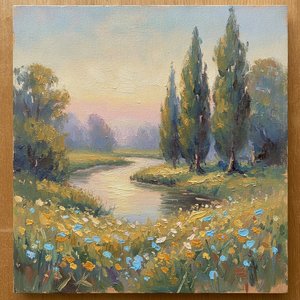
The Timeless Charm of Oil on Board: Reimagining Texture and Light through the Impressionist Lens
Discover the profound intimacy of oil on panel. Explore how Impressionist masters used rigid supports to capture light, texture, and impasto depth through exquisite, handmade oil reproductions for discerning collectors.

The Enduring Power of Painting: A Historical & Contemporary Exploration of Form and Emotion
Explore the rich history & enduring techniques of oil painting with OriginalUniqueArt. Discover masterpieces, learn about art collecting, and find authentic handmade reproductions crafted by skilled artists.

Moștenirea Durabilă a Picturii în Ulei: Tehnică, Istorie și Practică Contemporană
Descoperă istoria fascinantă și tehnicile esențiale ale picturii în ulei. Ghid complet pentru artiști, de la materiale până la creații contemporane. Îmbunătățește-ți abilitățile artistice!
