

 Previzualizare
 Trimite
 Distribuie
 Detalii despre lucrare

 Descarcă
 Produse similare
 Radiografie
 Diapozitive automate
Monkey and Bee


 Vezi mai mult
Reproducere pictată manual în ulei
Pictură în ulei pe pânză, realizată manual de artiștii noștri la dimensiunea și ramele dorite de dumneavoastră, pe comandă. ( Comandă printul Cumpără imaginea)




































Alegeți dintre dimensiunile noastre prestabilite, care respectă proporțiile originale ale operei de artă.

Puteți introduce propriile dimensiuni pentru a se potrivi unui anumit cadru sau spațiu. Dacă dimensiunea selectată nu corespunde proporțiilor imaginii originale, vom decupa opera de artă sau vom extinde pictura cu elemente suplimentare pictate manual. O simulare digitală vă va fi trimisă pentru aprobare înainte de începerea producției.
Vă rugăm să rețineți că previzualizarea de pe ecran nu reflectă decuparea sau extinderea reală. Doar macheta va arăta cu exactitate compoziția finală.
Deși sunt disponibile dimensiuni personalizate, vă recomandăm să selectați o dimensiune din lista predefinită pentru a păstra proporțiile originale.
După plasarea comenzii, echipa OriginalUniqueArt.com va contacta clientul prin e-mail pentru instrucțiuni și îi va furniza o previzualizare a machetei
Livrare în întreaga lume () în 3-4 săptămâni, în loc de cele 5 săptămâni standard. (29 August). Fără compromisuri în ceea ce privește calitatea.

Livrare expres gratuită la nivel mondial

Pânză de in de înaltă calitate

Asigurare completă pentru transport

Garanție de rambursare a taxelor vamale

Garanția fidelității culorilor

Politica de retur în 60 de zile (doar pentru defecte)

Garanție de rambursare 100%

Ofertă pentru comenzi multiple
 Opțiunea cu sticlă este disponibilă doar pentru dimensiuni de sub 110 cm

Monkey and Bee
Tehnică de reproducere
Dimensiune reproducere
-


Preț total calculat
$ 300
Biografie artist
Okamoto Toyohiko: A Master of Serene Landscapes
Okamoto Toyohiko (1773-1845) stands as a pivotal figure in the Shijo school of Japanese painting, renowned for his evocative landscapes and masterful depictions of nature’s subtle beauty. Born in Kurashiki, Okayama Prefecture – then part of Bitchū Province – into a merchant family involved in the operation of a wine shop, Toyohiko's early life provided a grounding in both commerce and an appreciation for refined aesthetics. This background subtly influenced his later artistic sensibilities, fostering a keen eye for detail and a deep understanding of the world around him. His journey to becoming a leading painter began with studies under Kuroda Ryozan, a prominent nanga (landscape painting) artist, laying the foundation for his future work.The Influence of Go Shun and the Shijo School
Toyohiko’s artistic trajectory truly took shape when he became the devoted pupil of Go Shun, widely considered the foremost painter of the Shijo school during that era. The Shijo school, characterized by its emphasis on refined elegance, subtle brushwork, and a focus on capturing the essence of nature rather than literal representation, provided Toyohiko with a crucial framework for his artistic development. Go Shun’s teachings instilled in him the core principles of the school – a delicate balance between observation and imagination, a preference for muted tones and atmospheric effects, and an understanding of the profound spiritual connection between humans and the natural world. This mentorship proved transformative, shaping Toyohiko into one of the most distinguished artists within the Shijo tradition.A Portfolio of Serene Scenes: Style and Technique
Toyohiko’s artistic output is primarily defined by his breathtaking landscapes, often imbued with a profound sense of tranquility and contemplation. He excelled in *sansui* painting – literally “dry landscape” – which prioritized capturing the atmosphere and mood of a scene rather than meticulously detailing every element. His technique involved layering thin washes of ink (*sumi*) to create subtle gradations of tone and texture, mimicking the effects of light and shadow with remarkable skill. His compositions frequently featured elements like bamboo groves, mountains shrouded in mist, and serene ponds reflecting the sky – motifs that resonated deeply with Zen Buddhist principles. A particularly famous example is “Monkey and Bee,” a captivating work showcasing his ability to imbue seemingly simple subjects with profound symbolism and emotional depth. The painting’s dynamic composition, featuring a monkey playfully interacting with a bee, invites viewers to contemplate themes of harmony, balance, and the interconnectedness of all things.Connections and Legacy
Toyohiko's artistic lineage extended beyond his direct teacher, Go Shun. He was closely associated with Shiokawa Bunrin (Shion), another prominent Shijo painter who served as a pupil and later patronized by Kyoto nobility. This connection highlights the vibrant artistic community that flourished in Kyoto during the Edo period. His work also influenced subsequent generations of painters, including Shibata Zeshin, solidifying his position as a key figure in the school’s continued success. Okamoto Toyohiko's legacy endures through his masterful landscapes and his contribution to the enduring appeal of the Shijo school, demonstrating the power of art to capture the beauty and serenity of the natural world. His paintings continue to be studied and admired for their technical brilliance, emotional resonance, and profound connection to Japanese aesthetics.Further Exploration
For a deeper understanding of Okamoto Toyohiko’s life and work, consider exploring these resources:- Monkey and Bee: Explore this serene Sumi-e painting embodying Zen aesthetics.
- Okamoto Toyohiko (1773-1845): Discover biographical information, artworks, and artistic legacy.
- Shiokawa Bunrin: Learn about his connection to Toyohiko and the Shijo school.

okamoto toyohiko
1773 - 1845 , Japan
Detalii rapide
- Artistic Movement Or Style: Shijo School Painter
- Artists Or Movements Influenced By This Artist: ['Edo Period Painting']
- Artists Who Influenced This Artist: ['Go Shun']
- Date Of Birth: 1773
- Date Of Death: 1845
- Full Name: Okamoto Toyohiko
- Nationality: Japanese
- Notable Artworks: ['Monkey and Bee']
- Place Of Birth: Kurashiki, Japan
Articole similare

Katsushika Hokusai: Cele Mai Iubite 25 de Opere de Artă – Inspirație pentru Decorul Casei Tale
Descoperă cele mai frumoase 25 de opere de artă semnate de Katsushika Hokusai, maestru ukiyo-e. Explorează istoria valului Kanagawa și a picturilor japoneze iconice. Reproduceri de calitate muzeală pentru decorul casei tale pe OriginalUniqueArt.com!
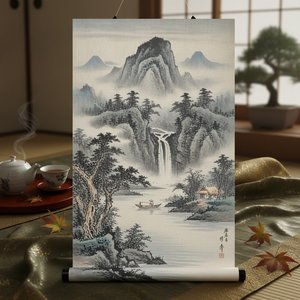
Serenity on Canvas: A Guide to the Timeless Beauty of Japanese Landscape Painting
Discover the serene beauty of Japanese landscape painting. From Hokusai's iconic woodblock prints to meditative sumi-e ink washes, explore a visual journey through the 'floating world' and learn how to bring this timeless Zen aesthetic into your modern home decor.
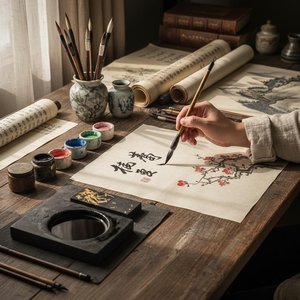
The Alchemy of Ink: Mastering the Timeless Beauty and Art History of Paper and Brush
Embark on a sophisticated exploration of ink wash painting and Sumi-e. Uncover the profound historical lineages, Zen philosophies, and technical mastery behind this timeless medium in our authoritative guide for fine art enthusiasts.

Ephemeral Expressions: Exploring the Nuances of Ink on Paper Through History & Contemporary Art
Explore the captivating world of ink wash painting – from its ancient origins to contemporary masters. Discover techniques, symbolism & conservation insights with OriginalUniqueArt.com.
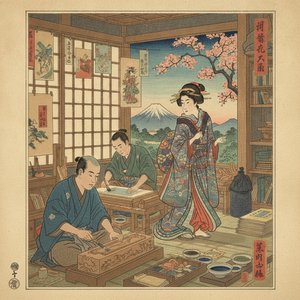
Floating World: The Captivating Art and Legacy of Japanese Ukiyo-e
Explore the profound beauty of Japanese Ukiyo-e. Discover the history, masters like Hokusai, and the enduring legacy of the 'Floating World' through an expert art-historical lens.

