- Acasă

- Imagine digitală
- odoardo borrani
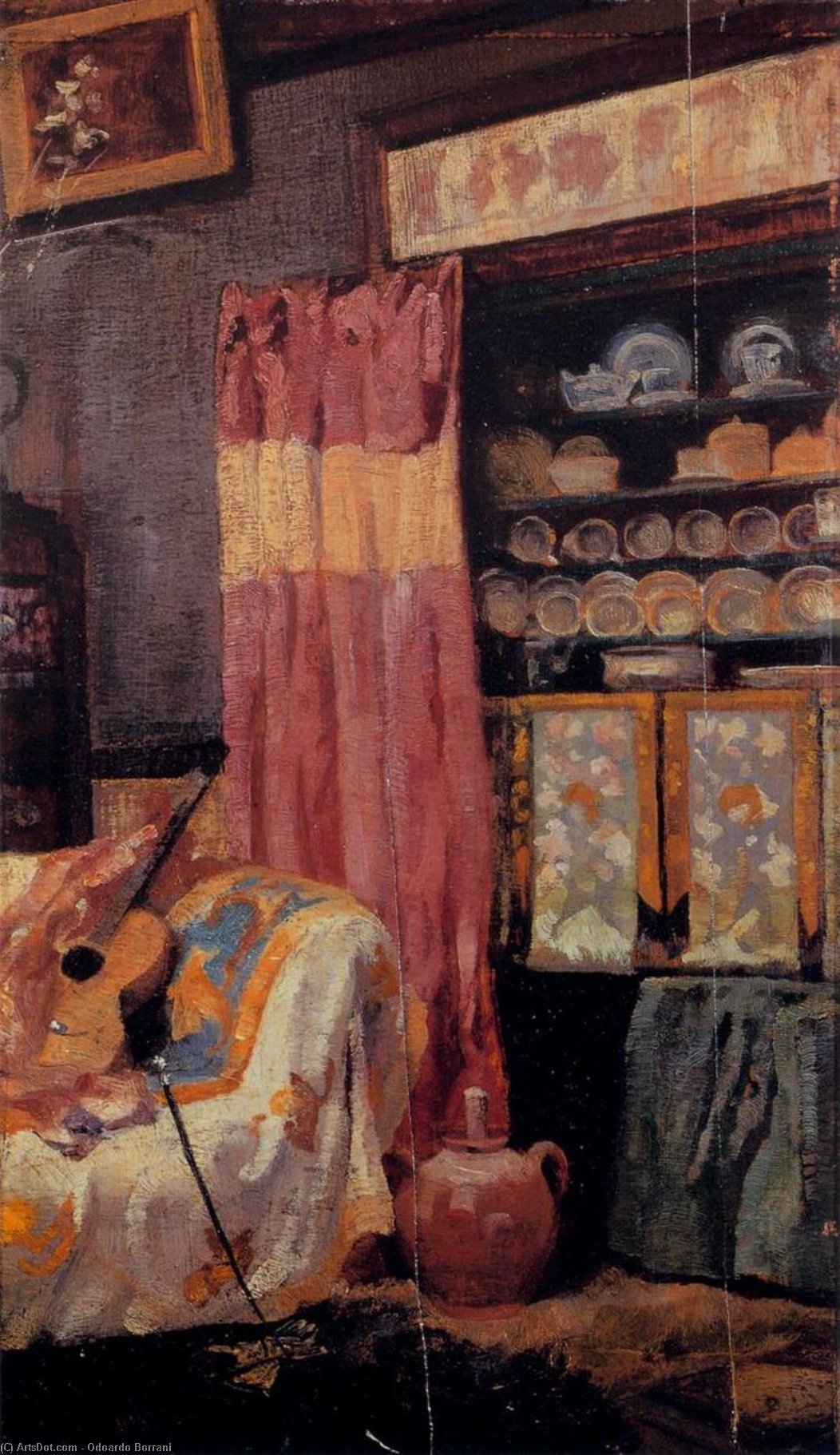
- The Studio
 Comandă tipăritul Comandă reproducere pictată
 Trimite
 Distribuie
 Detalii despre lucrare
 Adaugă la favorite

 Descarcă
 Similare
 Radiografie
 Diaporama
The Studio
 1850
1850 20.0 x 11.0 cm
 Vezi mai mult
Achiziționați o imagine digitală îmbunătățită și de înaltă rezoluție, mult superioară previzualizării online.
Fiecare fișier este pregătit cu meticulozitate de specialiștii noștri interni, utilizând instrumente avansate și retușare manuală expertă. Ne asigurăm că fiecare imagine beneficiază de o claritate excepțională, o acuratețe precisă a culorilor și detalii fine.
Fișierul final este livrat prin e-mail în termen de 72 de ore, optimizat pentru utilizare imediată în medii profesionale, editoriale și de imprimare. Aceasta este aceeași calitate în care au încredere studiouri de design, edituri și galerii de top.
Imagine Digitală
Descărcați un fișier la rezoluție înaltă pentru afișare personală, imprimare și proiecte creative.
Inclus în fiecare comandă de imagini digitale
Livrare digitală de expertiză, garantată
Când alegeți OriginalUniqueArt.com, nu primiți doar o simplă imagine – primiți o operă de artă digitală îmbunătățită profesional, creată cu precizie și susținută de o garanție de satisfacție. Iată tot ceea ce primești odată cu comanda ta, în mod automat:

Livrare rapidă prin e-mail
Fișierul imaginii digitale la rezoluție înaltă vă va fi trimis prin e-mail în termen de 72 de ore de la finalizarea comenzii – gata pentru utilizare imediată.

Fișier digital optimizat prin IA
Opera ta de artă este optimizată profesional prin intermediul unor instrumente AI avansate și al editării manuale, asigurând un nivel maxim de detalii, claritate și acuratețe a culorilor.

Retransmitere gratuită pe viață
Ai șters sau ai pierdut din greșeală fișierul? Nu îți face griji – ți-l vom retrimite oricând, gratuit.

Fără taxe de import – Întotdeauna
Bucură-te instant de opera ta de artă, fără taxe vamale, taxe de import sau costuri de livrare – descărcările digitale sunt întotdeauna fără taxe.

Garanția acurateței culorilor
Asigurăm că imaginea ta digitală reflectă culorile originale cât mai fidel posibil, utilizând instrumente profesionale și procese de gestionare a culorii.

Garanție de satisfacție de 60 de zile
Dacă nu sunteți mulțumit de imaginea digitală achiziționată, o vom revizui sau vă vom returna 100% în termen de 60 de zile – fără nicio explicație necesară.

Garanție de returnare 100% a banilor
Nu ești mulțumit? Obține o rambursare completă în termen de 60 de zile de la primirea fișierului tău digital – fără întrebări.

Reduceri pentru comenzi multiple
Cumpără 3 imagini, economisește 10% - Cumpără 5, economisește 15% - Cumpără 10+, economisește 20%. Ideal pentru proiecte creative, galerii și agenții.
Biografie Artist
Edward Burne-Jones: A Visionary of Myth and Beauty
Edward Burne-Jones (1833–1898) stands as a pivotal figure in the late 19th-century art world, a master painter whose evocative works seamlessly blended Pre-Raphaelite aesthetics with classical influences. Born in Birmingham, England, his artistic journey was shaped by a confluence of factors – a privileged upbringing, early exposure to literature and mythology, and the profound mentorship of William Morris and John Ruskin. Burne-Jones’s career wasn't defined by rapid innovation but rather by a consistent pursuit of idealized beauty, drawing inspiration from medieval legends, Arthurian romances, and the grandeur of ancient Greece and Rome. He rejected the fleeting trends of his time, favoring instead a deliberate and often monumental approach to composition and color, creating images that felt both timeless and intensely personal. His work wasn’t merely decorative; it was an immersive experience, inviting viewers into worlds of mythic drama and profound emotion.Early Influences and Artistic Training
Burne-Jones's artistic development began within the confines of his comfortable home, surrounded by a wealth of books and art objects. His father, a solicitor, encouraged his son’s intellectual pursuits, fostering a deep appreciation for literature and mythology – particularly the tales of King Arthur. Crucially, his friendship with William Morris at Oxford University proved transformative. Morris introduced Burne-Jones to Ruskin's theories on beauty and truth in art, emphasizing the importance of returning to the simplicity and sincerity of medieval craftsmanship. This intellectual foundation profoundly shaped Burne-Jones’s artistic vision, leading him away from the fleeting fashions of the day and towards a more enduring aesthetic rooted in historical precedent. He initially intended to pursue a career in the church but quickly realized his true calling lay within the realm of painting. Formal training included studies at the Royal Academy, though he largely remained self-taught, honing his skills through diligent observation and an unwavering commitment to his own artistic principles.The Pre-Raphaelite Style and Mythological Subjects
Burne-Jones is inextricably linked with the Pre-Raphaelite Brotherhood, although he never formally joined their ranks. His work shared many characteristics with the movement – a fascination with medieval art and literature, a rejection of academic conventions, and an emphasis on vibrant color and meticulous detail. However, Burne-Jones’s style diverged from the more overtly romantic and often morbid themes favored by some Pre-Raphaelites. He consistently depicted idealized figures within carefully constructed narratives drawn from classical mythology, Arthurian legend, and biblical stories. His palette was rich and luminous, employing a technique that prioritized surface texture and atmospheric effects over sharp outlines or precise realism. Key works like *The Lady of Shalott*, *St George and the Dragon*, and *King Arthur Attacking Malagoda* exemplify this style—grand in scale, emotionally resonant, and imbued with a sense of timeless beauty. The figures he painted were often elongated and graceful, reflecting his classical influences, while their expressions conveyed a profound depth of feeling.Technique and Compositional Strategies
Burne-Jones’s artistic technique was characterized by a deliberate and considered approach. He favored large-scale canvases, creating monumental compositions that demanded the viewer's full attention. His brushwork was often loose and expressive, particularly in depicting drapery and atmospheric effects. He meticulously studied classical sculpture and architecture, incorporating elements of proportion and balance into his paintings. A key element of his style was his use of color—he employed a rich, saturated palette, layering hues to create depth and luminosity. Burne-Jones’s compositions frequently featured multiple figures arranged within carefully defined spaces, creating a sense of dramatic narrative. He avoided the cramped interiors often found in contemporary art, opting instead for expansive landscapes or architectural settings that enhanced the scale and grandeur of his subjects. His work is notable for its surface texture—a deliberate layering of paint that created a tactile quality reminiscent of medieval illuminated manuscripts.Legacy and Historical Significance
Despite initial acclaim, Burne-Jones’s reputation suffered after his death in 1898, partly due to the shifting artistic tastes of the early 20th century. However, during the 1960s, a renewed appreciation for his work emerged, solidifying his place as one of the most important figures in Pre-Raphaelite art. His influence can be seen in the works of numerous artists who followed, including Aubrey Beardsley and the Symbolist movement. Burne-Jones’s enduring appeal lies in his ability to evoke a sense of timeless beauty and emotional depth—his paintings continue to captivate viewers with their evocative imagery and masterful technique. He remains a significant figure not only for his artistic achievements but also for his embodiment of the Pre-Raphaelite ideal: a commitment to truth, beauty, and the power of art to transport us beyond the confines of everyday experience. His work is now housed in major museums worldwide, including the National Gallery in London and the Louvre in Paris, ensuring that his visionary art continues to inspire and enchant generations of art lovers.
odoardo borrani
1833 - 1905 , Italy
Detalii rapide
- Artistic Movement Or Style: Painting
- Artists Who Influenced This Artist: ['Jean-Baptiste Regnault],\n "Artists or movements influenced by this artist": ["First Empire"]\n}']
- Date Of Birth: 13 March 1774
- Date Of Death: 6 July 1833
- Full Name: Pierre-Narcisse Guérin
- Nationality: French
- Notable Artworks:
- Return of Marcus Sextus
- Phaedra and Hippolytus
- Andromache and Pyrrhus
- Aurora and Cephalus
- Place Of Birth: Paris, France

