

 Trimite
 Distribuie
 Detalii despre lucrare

 Descarcă
 Produse similare
 Diapozitive automate
Landscape
 Silk
Silk- Textile
- Nanga
 1833
1833- 19th Century
 28.0 x 18.0 cm
 Muzeul de Artă din Cleveland
 Vezi mai mult
Reproducere pictată manual în ulei
Pictură în ulei pe pânză, realizată manual de artiștii noștri la dimensiunea și ramele dorite de dumneavoastră, pe comandă. ( Comandă printul Cumpără imaginea)




































Alegeți dintre dimensiunile noastre prestabilite, care respectă proporțiile originale ale operei de artă.

Puteți introduce propriile dimensiuni pentru a se potrivi unui anumit cadru sau spațiu. Dacă dimensiunea selectată nu corespunde proporțiilor imaginii originale, vom decupa opera de artă sau vom extinde pictura cu elemente suplimentare pictate manual. O simulare digitală vă va fi trimisă pentru aprobare înainte de începerea producției.
Vă rugăm să rețineți că previzualizarea de pe ecran nu reflectă decuparea sau extinderea reală. Doar macheta va arăta cu exactitate compoziția finală.
Deși sunt disponibile dimensiuni personalizate, vă recomandăm să selectați o dimensiune din lista predefinită pentru a păstra proporțiile originale.
După plasarea comenzii, echipa OriginalUniqueArt.com va contacta clientul prin e-mail pentru instrucțiuni și îi va furniza o previzualizare a machetei
Livrare în întreaga lume () în 3-4 săptămâni, în loc de cele 5 săptămâni standard. (30 August). Fără compromisuri în ceea ce privește calitatea.

Livrare expres gratuită la nivel mondial

Pânză de in de înaltă calitate

Asigurare completă pentru transport

Garanție de rambursare a taxelor vamale

Garanția fidelității culorilor

Politica de retur în 60 de zile (doar pentru defecte)

Garanție de rambursare 100%

Ofertă pentru comenzi multiple
 Opțiunea cu sticlă este disponibilă doar pentru dimensiuni de sub 110 cm

Landscape
Tehnică de reproducere
Dimensiune reproducere
-


Preț total calculat
$ 300
A Journey Through Edo Serenity: The Landscape of Nukina Kaioku
To gaze upon this exquisite landscape by Nukina Kaioku is to step across the threshold of time and into a realm steeped in profound tranquility. Dating from 1833, this piece captures not merely a vista of mountains, trees, and rocks, but rather the very spirit of contemplation that defined much of Edo period Japanese artistry. The delicate rendering on silk, combined with the presence of oriental calligraphy, elevates this work beyond simple decoration; it becomes a meditative object, a tangible whisper from a bygone era when art served as both mirror and guide for the soul.
Mastery in Nanga: Technique and Tradition
Kaioku’s genius is inextricably linked to the tradition of Nanga—the masterful fusion of landscape painting with calligraphy. This integration demands an extraordinary level of skill, requiring the artist to treat ink strokes not just as descriptive elements, but as carriers of philosophical weight. The technique employed here speaks to a deep understanding of materials; the silk substrate allows for a luminosity and softness that wood or paper cannot replicate, giving the mountains a breathy, ethereal quality. Observe how the brushwork guides the eye: it moves seamlessly from the solid grounding of the rocks to the delicate sweep of the distant peaks, all while being anchored by the elegant script that frames the scene.
Symbolism Woven into the Brushstrokes
In Japanese art, landscape is rarely just about geography. The mountains often symbolize permanence and the enduring spirit, while the scattered trees and rocks speak to resilience amidst change. The inclusion of calligraphy adds a layer of intellectual depth; these characters are not mere labels but distillations of poetry or philosophical thought, inviting the viewer to pause and decipher their meaning. For the collector or designer, this piece offers more than aesthetic beauty; it offers conversation—a dialogue between visual art, written word, and natural philosophy. It suggests that true beauty lies in the harmony between the wild grandeur of nature and the disciplined elegance of human contemplation.
Bringing Edo Calm into Modern Spaces
This reproduction captures the essence of a masterpiece designed for quiet appreciation. Whether adorning a formal reception room or lending a serene focal point to a private study, this artwork introduces an immediate sense of cultured calm. Its dimensions (28 x 18 cm) suggest its perfect placement as a treasured accent piece—a window into Japanese aesthetic ideals. Owning a reproduction allows one to partake in the history and profound artistry of Kaioku’s hand without the constraints of time or distance, inviting daily moments of quiet reflection.
CLASSIFICATION: AsianBiografie artist
Nukina Kaioku: A Master of Tranquility and Tradition
Nukina Kaioku (1778-1863) stands as a pivotal figure in Edo period Japanese art, embodying the spirit of Nanga—a fusion of landscape painting and calligraphy—and representing one of the “Three Brushes,” a prestigious group of artists recognized for their exceptional skill and artistic vision. His legacy continues to inspire artists today, reminding us of the enduring power of beauty and contemplation. Born into a samurai family steeped in archery instruction to the Hachisuka clan of Awa Province, Kaioku’s upbringing instilled a disciplined ethos that subtly shaped his artistic pursuits. Unlike many of his peers destined for martial prowess, he embraced the intellectual traditions championed by Confucian philosophy and excelled in calligraphy, specifically adopting the stylistic influence of Kūkai—the revered Buddhist monk known for his innovative kana syllabary. This foundational training would prove instrumental in shaping his artistic sensibilities throughout his life.Early Life and Education: Seeds of Artistic Vision
Kaioku’s formative years were dedicated to mastering both art and scholarship. His uncle, a priest at Mount Kōyasan’s Shingon-shū temple, nurtured his passion for calligraphy by introducing him to Kūkai's distinctive writing style. This meticulous attention to detail—capturing subtle variations in light and shadow—combined with his masterful command of brushwork created images that resonate with timeless beauty. He demonstrated remarkable versatility, skillfully employing Kara-e—the Chinese-style painting technique—to depict breathtaking vistas of Japan’s largest inland lake, Lake Biwa. This unwavering adherence to Wang Xizhi's principles served as a guiding principle for his artistic endeavors.The Artistic Style of Tranquil Landscapes: Harmony with Nature
Kaioku’s mature artistic style was characterized by an unparalleled devotion to tradition. He wasn’t merely a slavish imitator; Kaioku demonstrated remarkable versatility, skillfully employing Kara-e—the Chinese-style painting technique—to depict breathtaking vistas of Japan’s largest inland lake, Lake Biwa. His landscapes are imbued with a palpable serenity, reflecting the contemplative spirit of Nanga and conveying a deep appreciation for the natural world. He achieved this profound harmony by capturing subtle variations in light and shadow—a hallmark of Kara-e artistry—creating images that transcend mere representation and invite viewers into a realm of contemplation.Notable Works: Lake Biwa in Four Seasons – A Panoramic Reflection
Perhaps Kaioku’s most celebrated achievement is “Lake Biwa in Four Seasons,” completed in 1834. Measuring 62 x 154 cm, this monumental panel painting exemplifies the grandeur and subtlety of Kara-e artistry. It portrays Lake Biwa across its seasonal transformations—spring blossoms, summer greenery, autumn foliage, and winter snow—offering viewers a panoramic glimpse into Japan’s natural splendor. This artwork stands as a testament to Kaioku's technical prowess and his ability to distill complex emotions into visual form. He achieved this profound harmony by capturing subtle variations in light and shadow—a hallmark of Kara-e artistry—creating images that resonate with timeless beauty.Legacy and Influence: A Lasting Impression
Nukina Kaioku’s influence extended far beyond his own lifetime, inspiring subsequent generations of artists who sought to emulate his stylistic elegance and intellectual depth. He remains a cornerstone of Edo period art history—a symbol of artistic refinement and unwavering devotion to tradition. His serene landscapes continue to captivate audiences today, reminding us of the enduring power of beauty and contemplation. He was one of the renowned calligraphers in groups of three referred to as Sanpitsu, or three brushes, during the Bakumatsu period. His mature calligraphy style and paintings continue to inspire artists today. Kaioku's legacy is evident in the numerous artists who followed in his footsteps.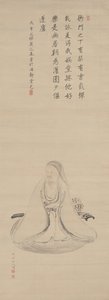
Nukina Kaioku
1778 - 1863 , Japonia
Detalii rapide
- Artistic Movement Or Style: Nanga Style
- Artists Or Movements Influenced By This Artist: ['Kara-e']
- Artists Who Influenced This Artist: ['Wang Xizhi']
- Date Of Birth: 1778
- Date Of Death: 1863
- Full Name: Nukina Kaioku
- Nationality: Japanese
- Notable Artworks: ['Lake Biwa in Four Seasons']
- Place Of Birth: Shikoku, Japan
Articole similare

Katsushika Hokusai: Cele Mai Iubite 25 de Opere de Artă – Inspirație pentru Decorul Casei Tale
Descoperă cele mai frumoase 25 de opere de artă semnate de Katsushika Hokusai, maestru ukiyo-e. Explorează istoria valului Kanagawa și a picturilor japoneze iconice. Reproduceri de calitate muzeală pentru decorul casei tale pe OriginalUniqueArt.com!
Serenity on Canvas: A Guide to the Timeless Beauty of Japanese Landscape Painting
Discover the serene beauty of Japanese landscape painting. From Hokusai's iconic woodblock prints to meditative sumi-e ink washes, explore a visual journey through the 'floating world' and learn how to bring this timeless Zen aesthetic into your modern home decor.

Peisaje Romantice Iconice: 10 Capodopere Artistice pentru Decorul de Lux
Descoperă 10 capodopere romantice iconice de Caspar David Friedrich, Turner și alți maeștri. Explorează istoria artei, emoțiile din peisaje și găsește tablouri canvas perfecte pentru decorul tău pe OriginalUniqueArt.com!

Zen on Canvas: The Timeless Beauty and Spiritual Depth of Japanese Landscape Painting
Explore the profound serenity of Japanese landscape painting. From Hokusai's waves to Zen-inspired ink washes, discover the history, technique, and spiritual depth of Ukiyo-e masters in this expert art historical guide for collectors and enthusiasts.
Beyond the Great Wave: The High-Impact Visual Revolution of Japanese Landscape Art
Go beyond Hokusai's Great Wave. Explore the high-impact, graphic world of Japanese Ukiyo-e landscapes and urban prints. Discover how these bold, vibrant woodblock masterpieces continue to shape modern pop culture and contemporary design aesthetics.

