

 Vezi în context
 Trimite
 Distribuie
 Detalii

 Descarcă
 Produse similare
 Radiografie
 Diaporama
 Statistici
Holy Family
 Oil On Panel
- Baroque
 1729
1729 36.0 x 27.0 cm
 Muzeul Hermitaj
 Citește mai mult
Reproducere pictată manual în ulei
Pictură în ulei pe pânză, realizată manual de artiștii noștri la dimensiunea și ramele dorite de dumneavoastră, pe comandă. ( Comută pe versiunea Print Treci la imagine digitală)




P118B $10

P118H $10

P118W $10

P438Z $10

P508JH $12

P508YH $12

P805H $10

P805Z $10

P919BZ $10

P919G $10

P919XJ $10

P959ZH $10

P968JZ $12

W106C $8

W218G $10

W218JH $8

W218Y $10

W307PJ $10

W316G $10

W316PJ $8

W316Y $10

W398PJ $8

W4111J $10

W500HY $15

W500JH $15

W692G $12

W849H $8

W940BG $15

W953PJ $8




Alegeți dintre dimensiunile noastre prestabilite, care respectă proporțiile originale ale operei de artă.

Puteți introduce propriile dimensiuni pentru a se potrivi unui anumit cadru sau spațiu. Dacă dimensiunea selectată nu corespunde proporțiilor imaginii originale, vom decupa opera de artă sau vom extinde pictura cu elemente suplimentare pictate manual. O simulare digitală vă va fi trimisă pentru aprobare înainte de începerea producției.
Vă rugăm să rețineți că previzualizarea de pe ecran nu reflectă decuparea sau extinderea reală. Doar macheta va arăta cu exactitate compoziția finală.
Deși sunt disponibile dimensiuni personalizate, vă recomandăm să selectați o dimensiune din lista predefinită pentru a păstra proporțiile originale.
După plasarea comenzii, echipa OriginalUniqueArt.com va contacta clientul prin e-mail pentru instrucțiuni și îi va furniza o previzualizare a machetei
Livrare în întreaga lume () în 3-4 săptămâni, în loc de cele 5 săptămâni standard. (17 Septembrie). Fără compromisuri în ceea ce privește calitatea.

Livrare expres gratuită la nivel mondial

Pânză de in premium

Asigurare completă pentru transport

Garanție de rambursare a taxelor vamale

Garanția fidelității culorilor

Politica de retur în 100 de zile (doar pentru defecte)

Garanție de rambursare 100%

Reducere pentru comenzi multiple
 Opțiunea cu sticlă este disponibilă doar pentru dimensiuni de sub 110 cm

Holy Family
Tip de reproducere
Dimensiune reproducere
-


Preț total
$ 300
A Moment of Serenity: The Compositional Heart of Vleughels’ Holy Family
Nicolas Vleughels' “Holy Family,” painted in 1729, isn’t merely a depiction of Jesus, Mary, and Joseph; it’s an invitation to contemplate the very essence of familial love and divine grace. The scene unfolds within a modestly furnished interior – a window offering a glimpse of natural light, a simple bench suggesting domestic tranquility – elements carefully chosen to draw the viewer into a space of profound peace. Vleughels masterfully employs a pyramidal composition, anchoring the central figures of Mary cradling the infant Jesus and Joseph standing protectively beside them. This structure lends stability and harmony to the scene, mirroring the steadfastness of their bond.
The artist’s palette is restrained yet luminous, dominated by warm earth tones – ochres, browns, and subtle greens – that evoke a sense of comfort and familiarity. Light isn't aggressively dramatic; instead, it gently illuminates the faces of the family, highlighting their expressions of tenderness and devotion. Notice how Vleughels subtly uses chiaroscuro—the interplay of light and shadow—to sculpt the figures, giving them a tangible presence within the painted space. The details are meticulously rendered: the folds of Mary’s garments, the delicate features of the child, the weathered face of Joseph – each element contributes to an overwhelming sense of realism and intimacy.
Flemish Tradition Meets Venetian Influence
Vleughels stands as a pivotal figure bridging the artistic traditions of Flanders and Venice in the early 18th century. Trained initially under Pierre Mignard, known for his meticulous portraiture, he quickly absorbed the influence of Rubens, the towering master of Baroque painting. However, Vleughels’ work transcends mere imitation; he skillfully integrated Venetian techniques – particularly the use of light and color—into his distinctly Flemish style. This fusion results in a remarkably balanced composition, characterized by both emotional depth and technical brilliance.
The painting's roots are firmly planted in the rich artistic heritage of Antwerp, where Vleughels spent much of his career. Flemish artists were renowned for their ability to capture the nuances of human expression and create scenes imbued with a sense of realism and immediacy. Yet, Vleughels’ exposure to Venetian painting—particularly the works of Titian and Veronese—introduced him to a more vibrant use of color and a greater emphasis on atmospheric perspective. This combination is evident in “Holy Family,” where the muted tones are punctuated by subtle shifts in hue that create a sense of depth and spatial awareness.
Symbolism and Spiritual Resonance
Beyond its technical merits, "Holy Family" resonates with profound symbolic meaning. The scene isn’t simply a representation of a family; it's an allegory for the divine institution of marriage and the importance of familial piety. Joseph, depicted as a strong and dignified figure, embodies the virtues of protection, justice, and steadfastness—qualities essential to a good husband and father. Mary, radiating maternal grace, represents humility, purity, and devotion to God. And Jesus, nestled in her arms, symbolizes divine love, innocence, and salvation.
The inclusion of the simple interior setting underscores the idea that true faith is nurtured within the domestic sphere. The window, a recurring motif in Vleughels’ work, suggests a connection to the divine—a reminder that God's presence permeates all aspects of human life. Even the bench, a commonplace object, becomes imbued with significance as it represents the foundation upon which family life is built.
A Legacy of Devotion: Reproductions and Artistic Inspiration
“Holy Family” remains a beloved subject in art history, inspiring countless reproductions and interpretations. Its enduring appeal lies in its ability to evoke a sense of warmth, serenity, and spiritual contemplation. When commissioning a reproduction, consider the scale and framing carefully—a larger format will undoubtedly enhance the impact of this emotionally resonant artwork. The painting’s harmonious composition and masterful use of light make it an ideal choice for creating a tranquil focal point within any interior space, inviting viewers to reflect on the timeless values of family, faith, and love.
Biografie artist
The Convergence of Flemish Heritage and Venetian Grandeur
Nicolas Vleughels stands as a pivotal figure in the artistic landscape of the early Baroque era, embodying a magnificent confluence of Flemish artistic heritage and the burgeoning influence of Venetian painting. Born in Paris in 1668, his very identity was rooted in a lineage of excellence; he was the son of Philippe Vleughels, a renowned Flemish painter who had emigrated from Antwerp. This connection to the great traditions of the North provided Nicolas with a foundation steeped in technical precision and a vibrant community of expatriate artists residing in the French capital.
His formative years were defined by rigorous instruction under the watchful eye of Pierre Mignard, a prominent portraitist whose meticulous realism would leave an indelible mark on Vle.ueghels’ stylistic sensibilities. Yet, it was his profound dedication to mastering the masters that truly shaped his hand. He spent countless hours diligently copying the works of Rubens, the titan of Baroque art, absorbing the expressive power and dynamic energy that characterized the Flemish tradition. This deep reverence for Rubens allowed him to weave a sense of muscularity and life into his compositions, even as he sought new horizons.
A Transformative Journey Through Italy
Despite early recognition—including securing the second prize in the Académie royale de peinture et de sculpture’s competition in 1694—Vleughels faced the inevitable challenges of establishing a singular voice in a crowded Parisian scene. Driven by an unquenchable ambition, he embarked on a transformative journey to Rome in 1703. This pilgrimage was not merely a change of scenery but a profound artistic awakening. In Italy, he encountered the works of Casper van Wittel, a celebrated vedute painter whose panoramic depictions of landscapes captivated him with their light and spatial depth.
The influence of Venice, however, would become the true cornerstone of his evolution. As he immersed himself in the Venetian atmosphere, the dramatic compositions of Veronese began to resonate deeply within his soul. This encounter catalyzed a stylistic shift toward an opulent color palette and a sense of theatrical staging. His work began to breathe with the warmth and grandeur of the Venetian Baroque, blending the structural integrity of his Flemish roots with a new, luminous splendor that celebrated light and movement.
Legacy and Artistic Maturity
Upon returning to Paris around 1709, Vleughels emerged as an artist of significant prestige, eventually serving as a director at the French Academy in Rome. His later years were marked by a fascinating intersection with the emerging Rococo movement; he forged a profound friendship with Jean-Antoine Watteau, whose delicate and playful style offered a striking contrast to Vleughels’ more classical and dramatic tendencies. This period of his life saw him navigating the transition between the heavy grandeur of the Baroque and the refined elegance of the coming age.
The enduring significance of Nicolas Vleughels lies in his ability to bridge disparate worlds. His oeuvre remains a testament to a life spent synthesizing diverse influences, from the meticulous detail of his Flemish ancestors to the sweeping, colorful drama of the Italian masters. Whether through the serene beauty found in his Study for the Head of Campaspe or the theatrical narrative of Apelles Painting Campaspe, Vleughels continues to captivate the viewer with a unique vision that remains eternally elegant and profoundly classical.

Nicolas Vleughels
1668 - 1737 , France
Informații rapide
- Artistic Movement Or Style: Baroque
- Artists Or Movements Influenced By This Artist: ['Jean-Antoine Watteau']
- Artists Who Influenced This Artist:
- Pierre Mignard
- Rubens
- Date Of Birth: Paris, France (1668)
- Date Of Death: 1737
- Full Name: Nicolas Vleughels
- Nationality: French
- Notable Artworks:
- Study for the Legs of Campaspe
- Young Woman with a Nude Back Presenting a Bowl
- Place Of Birth: Paris
Articole conexe
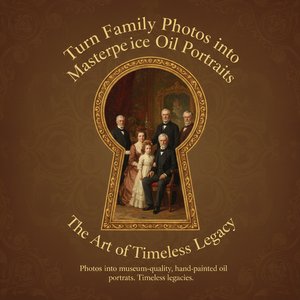
Turn Family Photos into Masterpiece Oil Portraits: The Art of Timeless Legacy
Transform cherished family memories into timeless legacies with bespoke, hand-painted oil portraits. Our master artists reimagine your photos as museum-quality masterpieces, offering unparalleled craftsmanship and elegance for the discerning collector.