 Previzualizare
 Trimite prin felicitare
 Distribuie
 Detalii despre lucrare
 Ghid
Ghid

 Descarcă imaginea
 Produse similare
 Radiografie
 Galerie foto
 Întrebări și răspunsuri
 Statistici
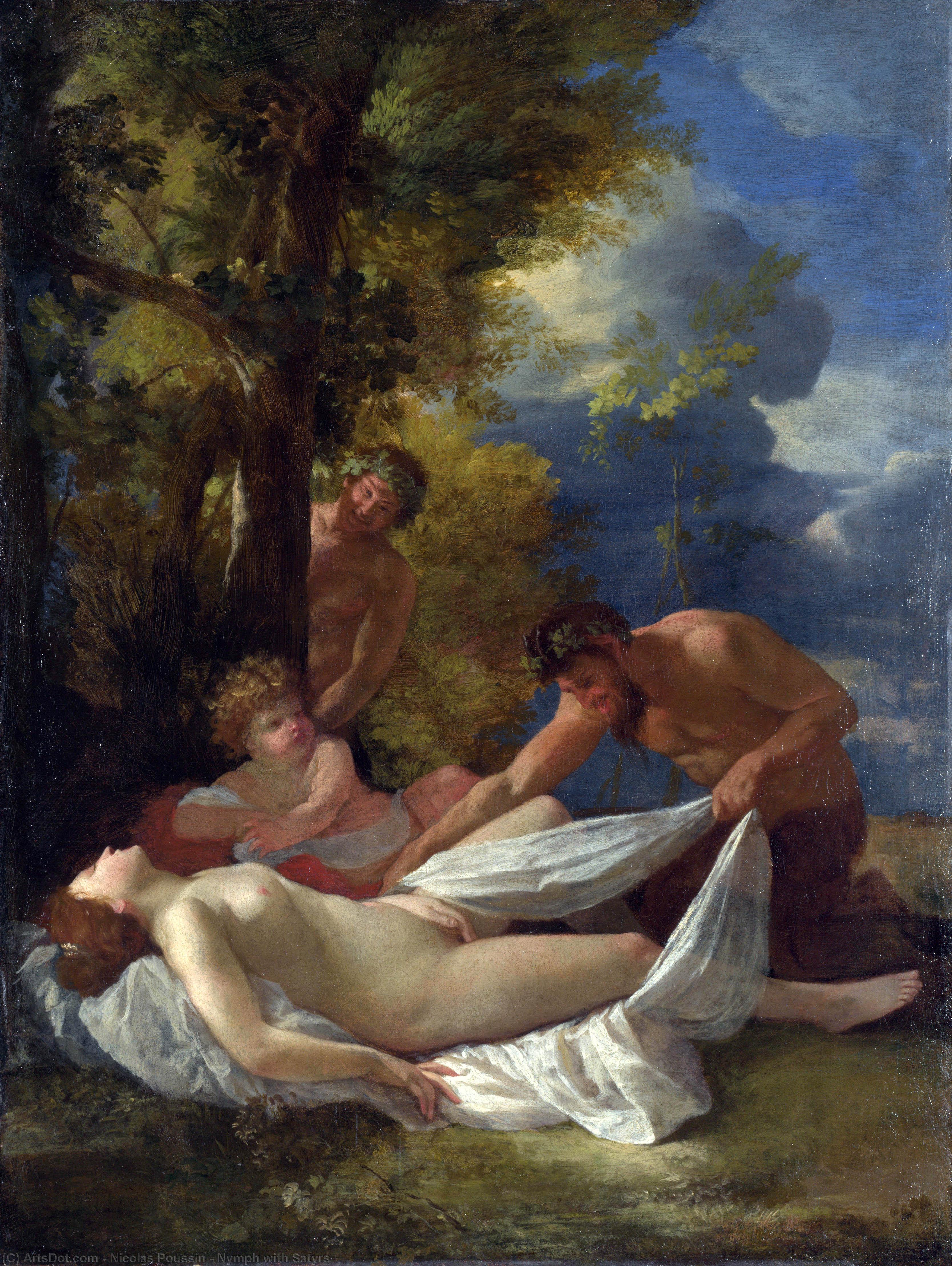
Nymph with Satyrs


 Vezi mai mult
Obțineți un fișier gata de imprimare care depășește cu mult calitatea previzualizării web. Fiecare imagine digitală pe care o vindem provine dintr-un master de înaltă rezoluție din baza noastră de date — având, de regulă, o lățime între 5.000 și 15.000 de pixeli — astfel încât să puteți printa în format mare, să decupați strâns sau să reproduceți detalii fine cu încredere.
Niciun fișier nu părăsește studioul nostru fără să fie tratat. Un expert digital verifică nuanțele de culoare în raport cu pictura originală și le corectează acolo unde este necesar, apoi îmbunătățește claritatea și detaliile folosind instrumente profesionale de retușare — rămânând întotdeauna fidel gestului pictural și stilului artistului. Rezultatul este o imagine care seamănă cu tabloul propriu-zis, nu cu o scanare filtrată.
Aprobați înainte de finalizare: expertul nostru vă va trimite imaginea prin e-mail în termen de 72 de ore pentru revizuire. Nu sunteți mulțumit? Solicitați îmbunătățiri sau corecturi, ori cereți o restituire a plății dacă calitatea nu este pe măsura așteptărilor.
Aceasta este calitatea pe care se bazează editorii, studiourile de design, galeriile și tipăriturile.
Imagine Digitală
Descărcați un fișier la rezoluție înaltă pentru afișare personală, imprimare și proiecte creative. ( Comută pe versiunea Print Comandă pictură realizată manual)
Inclus în fiecare comandă de imagini digitale
Livrare digitală de expertiză, garantată
Când alegeți OriginalUniqueArt.com, nu primiți doar o simplă imagine – primiți o operă de artă digitală îmbunătățită profesional, creată cu precizie și susținută de o garanție de satisfacție. Iată tot ceea ce primești odată cu comanda ta, în mod automat:

Livrare rapidă prin e-mail
Fișierul imaginii digitale la rezoluție înaltă vă va fi trimis prin e-mail în termen de 72 de ore de la finalizarea comenzii – gata pentru utilizare imediată.

Fișier digital optimizat prin IA
Opera ta de artă este optimizată profesional prin intermediul unor instrumente AI avansate și al editării manuale, asigurând un nivel maxim de detalii, claritate și acuratețe a culorilor.

Retransmitere gratuită pe viață
Ai șters sau ai pierdut din greșeală fișierul? Nu îți face griji – ți-l vom retrimite oricând, gratuit.

Fără taxe de import – Întotdeauna
Bucură-te instant de noua ta operă de artă, fără taxe vamale, taxe de import sau costuri de livrare – descărcările digitale sunt întotdeauna fără taxe.

Garanția acurateții culorilor
Asigurăm o reflectare cât mai fidelă a culorilor originale în imaginea ta digitală, prin utilizarea unor instrumente profesionale și a proceselor de gestionare a culorii.

Garanție de satisfacție de 100 de zile
Dacă nu sunteți mulțumit de imaginea digitală achiziționată, o vom revizui sau vă vom returna 100% în termen de 100 de zile – fără nicio întrebare.

Garanție de returnare 100% a banilor
Nu ești mulțumit? Primești rambursarea integrală în termen de 100 de zile de la primirea fișierului digital – fără nicio întrebare.

Reduceri pentru comenzi în volum
Cumpără 3 imagini, economisește 10% - Cumpără 5, economisește 15% - Cumpără 10+, economisește 20%. Ideal pentru proiecte creative, galerii și agenții.
A Symphony of Classical Tension
In the heart of Nicolas Poussin’s Nymph with Satyrs, a profound drama unfolds upon a verdant, sun-drenched landscape. This is not merely a mythological tableau; it is a visceral exploration of the eternal struggle between earthly passion and divine contemplation. As the viewer's eye wanders across the canvas, they encounter nymphs reclining in a state of vulnerable grace, their forms caught in a delicate yet turbulent dance with satyrs who embody the raw, unbridled exuberance of pagan nature. The composition, anchored by a central figure positioned diagonally, draws us into a world where instinctual impulses clash with the quiet dignity of the human spirit, creating a visual tension that vibrates with both beauty and unease.The Mastery of Light and Illusion
Poussin’s technical brilliance is nowhere more evident than in his command of illusionism. During his prolific Roman period, he mastered the ability to breathe three-dimensional life into a two-dimensional plane, utilizing a meticulous layering of pigments to simulate the natural effects of light and atmosphere. Through the subtle application of sfumato, Poussin softens the contours of the figures, imbuing them with a lifelike warmth that seems to radiate from within the canvas. The way light dances across the skin of the nymphs and settles into the shadows of the surrounding foliage creates an atmospheric perspective that pulls the observer deep into the scene, making the classical world feel tangibly present and breathtakingly real.An Enduring Legacy for the Discerning Collector
For the art collector or the interior designer seeking to infuse a space with historical grandeur, this masterpiece offers unparalleled inspiration. Poussin’s devotion to the grandeur of antiquity makes Nymph with Satyrs more than just a painting; it is a window into the intellectual and aesthetic soul of the Baroque era. The piece serves as a sophisticated focal point, capable of anchoring a room with its complex narrative and classical elegance. Whether viewed as a study in mythological struggle or an exquisite example of French Baroque technique, it remains a timeless testament to the power of art to capture the complexities of the human condition, making it a profound addition to any curated collection.Întrebări și răspunsuri
Ce stare și ce emoție transmite "Nymph with Satyrs" de Nicolas Poussin?
Starea de spirit surprinsă în "Nymph with Satyrs" de Nicolas Poussin este Dramatic, iar tonul său emoțional este Tense.
Cum face "Nymph with Satyrs" de Nicolas Poussin legătura între Classical Baroque și țara de origine a artistului?
Lucrarea de Classical Baroque „Nymph with Satyrs” a fost creată de un artist născut în Franța.
Care este utilizarea recomandată pentru o printă a lucrării "Nymph with Satyrs"?
O reproducere a operei "Nymph with Satyrs" de Nicolas Poussin este recomandată pentru Conversation. Această sugestie derivă din subiectul, atmosfera și culorile lucrării.
Biografie artist
Nicolas Poussin
Nicolas Poussin, a name synonymous with the grandeur of French Baroque painting, was nonetheless a soul deeply rooted in Italian soil for much of his artistic life. Born in Les Andelys, Normandy, in June 1594, his early years remain somewhat veiled in mystery, yet they undoubtedly laid the foundation for a career that would become pivotal in shaping the classical tradition within French art. Though he briefly studied in Paris during the early 1610s, absorbing influences from lesser-known artists of the time—primarily those experimenting with Venetian Mannerism—it was his journey to Rome in 1624 that truly ignited his artistic destiny. This wasn’t merely a geographical relocation; it was an immersion into the heart of antiquity, a pilgrimage to the very source of inspiration that would define his aesthetic vision. Poussin's initial explorations of painting were marked by a sensuous quality reminiscent of Titian and Giorgione—a characteristic of Venetian art at the time—yet even in these early works, a nascent sense of order and intellectual rigor began to emerge—a foreshadowing of the style he would so masterfully refine. He demonstrated considerable talent from a young age, capturing landscapes with remarkable accuracy and conveying emotion through subtle tonal variations.The Roman Years: Forging a Classical Ideal
Rome proved to be more than just a studio for Poussin; it became his intellectual crucible. He found himself amidst a vibrant circle of scholars, archaeologists, and fellow artists—including Cassiano dal Pozzo, whose profound understanding of classical antiquity profoundly influenced the artist’s approach. Dal Pozzo's unwavering dedication to meticulously documenting ancient remains instilled in Poussin a deep respect for historical accuracy and a fervent desire to imbue his paintings with a sense of timelessness. This period witnessed a decisive shift away from the flamboyant excesses prevalent amongst some of his contemporaries—a conscious rejection of theatricality in favor of clarity, balance, and a deliberate emphasis on linear composition. He devoted himself tirelessly to studying Raphael’s monumental frescoes in Stanza della Segnatura at Vatican City, absorbing their harmonious arrangements and graceful forms with meticulous attention. Simultaneously, he drew inspiration from sculptures unearthed during excavations—particularly those embodying the ideals of beauty and virtue—further cementing his commitment to classical principles. The influence of Michelangelo's sculptural achievements was palpable, shaping Poussin’s understanding of human anatomy and expressive gesture.Influences and Artistic Style
Poussin’s artistic style developed organically from these formative experiences. Initially experimenting with Venetian techniques—characterized by rich color palettes and luminous effects—he swiftly transitioned to a more restrained aesthetic informed by the precepts of Renaissance Humanism. He embraced a compositional strategy rooted in disegno—the Italian concept of drawing—prioritizing careful planning and precise execution. Linear perspective was employed rigorously, creating illusionistic depth that conveyed both spatial realism and intellectual contemplation. Unlike many Baroque painters who sought to overwhelm the viewer with dramatic emotion, Poussin cultivated a serene and dignified visual language—one designed to elevate the spirit rather than incite immediate sensation. Raphael’s influence was particularly profound, shaping his mastery of harmonious proportions and graceful drapery—elements that would become hallmarks of his oeuvre. Furthermore, he absorbed lessons from humanist writers like Petrarch and Erasmus, whose philosophical meditations on beauty and virtue resonated deeply within him.Major Achievements: Mythological Narratives and Religious Visions
Poussin’s artistic output spanned a remarkable range of subjects—ranging from biblical narratives to mythological tales and expansive landscapes—yet consistently united by his unwavering devotion to classical ideals. He achieved international renown for his monumental paintings depicting scenes from Greek mythology, notably *Et in Arcadia ego*, which captured the melancholic beauty of pastoral life while simultaneously meditating on mortality and the elusive nature of divine presence. This masterpiece exemplifies Poussin’s ability to synthesize observation with imagination—to transform historical references into evocative visual metaphors. He produced a prolific series of canvases illustrating biblical stories—including *The Seven Sacraments*—demonstrating his profound theological understanding alongside his unparalleled artistic skill. These works are distinguished by their meticulous detail and symbolic richness, conveying moral truths through carefully crafted compositions and luminous color palettes. His landscapes—particularly those depicting idealized vistas bathed in golden light—became celebrated for their tranquility and sublimity—reflecting a humanist vision of the natural world as harmonious and ordered.Legacy: Shaping French Classicism
Nicolas Poussin’s impact on French art extended far beyond his own lifetime. He served as First Painter to the King under Cardinal Richelieu from 1640, establishing himself as a leading figure in the Académie Royale de Peinture et de Sculpture—a pivotal institution that championed classical principles and fostered artistic excellence. Artists like Jacques-Louis David and Paul Cézanne openly acknowledged their debt to Poussin’s rigorous approach and intellectual depth—recognizing him as a cornerstone of French Classicism. His legacy resides not merely in stylistic imitation but in the enduring conviction that art should aspire to moral elevation—a testament to an artist who sought not simply to depict the world but to illuminate its deepest truths through the transformative power of beauty. He remains revered as one of France’s greatest painters, a figure whose work continues to inspire admiration and contemplation centuries after his death in 1665.- Notable Works: *The Death of Germanicus*, *The Seven Sacraments Series*, *A Roman Road*, *Orion Blinded Searching for the Sun*, *The Seasons*.
- Key Characteristics: Classical Composition, Linearity, Historical and Mythological Themes, Serene Landscapes.

Nicolas Poussin
1594 - 1665 , Franța
Detalii rapide
- Artistic Movement Or Style: Baroc, Clasicism
- Artists Who Influenced This Artist:
- Rafael
- Titian
- Date Of Birth: 1594
- Full Name: Nicolas Poussin
- Nationality: Franțuzesc
- Notable Artworks:
- Moartea lui Germanicus
- Șapte Sacrament
- Drum roman
- Orion căutând Soarele
- Sezoanele
- Place Of Birth: Le Havre, Franța