

 Previzualizare
 Trimite
 Distribuie
 Detalii despre lucrare

 Descarcă
 Produse similare
 Radiografie
 Diapozitive automate
Partridge in a Niche
 Acrylic On Canvas
- WallArt
- Baroque
 1680
1680 72.0 x 59.0 cm
 Musée du Petit Palais
 Vezi mai mult
Reproducere pictată manual în ulei
Pictură în ulei pe pânză, realizată manual de artiștii noștri la dimensiunea și ramele dorite de dumneavoastră, pe comandă. ( Comandă printul Cumpără imaginea)




P118B $10

P118H $10

P118W $10

P438Z $10

P508JH $12

P508YH $12

P805H $10

P805Z $10

P919BZ $10

P919G $10

P919XJ $10

P959ZH $10

P968JZ $12

W106C $8

W218G $10

W218JH $8

W218Y $10

W307PJ $10

W316G $10

W316PJ $8

W316Y $10

W398PJ $8

W4111J $10

W500HY $15

W500JH $15

W692G $12

W849H $8

W940BG $15

W953PJ $8




Alegeți dintre dimensiunile noastre prestabilite, care respectă proporțiile originale ale operei de artă.

Puteți introduce propriile dimensiuni pentru a se potrivi unui anumit cadru sau spațiu. Dacă dimensiunea selectată nu corespunde proporțiilor imaginii originale, vom decupa opera de artă sau vom extinde pictura cu elemente suplimentare pictate manual. O simulare digitală vă va fi trimisă pentru aprobare înainte de începerea producției.
Vă rugăm să rețineți că previzualizarea de pe ecran nu reflectă decuparea sau extinderea reală. Doar macheta va arăta cu exactitate compoziția finală.
Deși sunt disponibile dimensiuni personalizate, vă recomandăm să selectați o dimensiune din lista predefinită pentru a păstra proporțiile originale.
După plasarea comenzii, echipa OriginalUniqueArt.com va contacta clientul prin e-mail pentru instrucțiuni și îi va furniza o previzualizare a machetei
Livrare în întreaga lume () în 3-4 săptămâni, în loc de cele 5 săptămâni standard. (22 August). Fără compromisuri în ceea ce privește calitatea.

Livrare expres gratuită la nivel mondial

Pânză de in de înaltă calitate

Asigurare completă pentru transport

Garanție de rambursare a taxelor vamale

Garanția fidelității culorilor

Politica de retur în 60 de zile (doar pentru defecte)

Garanție de rambursare 100%

Ofertă pentru comenzi multiple
 Opțiunea cu sticlă este disponibilă doar pentru dimensiuni de sub 110 cm

Partridge in a Niche
Tehnică de reproducere
Dimensiune reproducere
-


Preț total calculat
$ 300
Descriere operă de artă
A Moment of Refined Tranquility: Nicolas de Largillière’s “Partridge in a Niche”
Nicolas de Largillière's "Partridge in a Niche," painted in 1680, isn’t merely a depiction of a bird; it’s a carefully constructed tableau of Renaissance ideals and the burgeoning comforts of 17th-century French aristocratic life. The painting immediately draws the eye to its central subject – a plump partridge, rendered with an almost unsettling realism, perched within a meticulously crafted niche carved from wood. This isn't a wild creature thrust into an artificial setting; it’s presented as a symbol of domesticity and abundance, a miniature world reflecting the wealth and status of its owner.
Largillière, a master of the French Baroque portrait style, was deeply influenced by the Flemish tradition, particularly the meticulous detail and use of light characteristic of artists like Peter Paul Rubens. This influence is evident in the painting’s rich textures – the velvety plumage of the partridge, the smooth sheen of the fruit, and the subtly aged wood of the niche itself. He masterfully employs chiaroscuro, a technique of dramatic contrasts between light and shadow, to sculpt form and create a sense of depth, pulling the viewer into this intimate scene.
The Language of Still Life: Symbolism and Aristocratic Taste
Beyond its technical brilliance, “Partridge in a Niche” is laden with symbolic meaning. The niche itself represents a carefully curated space – a microcosm reflecting the owner’s refined taste and prosperity. Surrounding the partridge are an array of fruits and vegetables: apples, oranges, grapes, and a bowl overflowing with seasonal bounty. These aren't simply decorative elements; they represent fertility, abundance, and the pleasures of earthly life—themes central to Renaissance art and philosophy. The inclusion of specific items like grapes and pomegranates further suggests a connection to religious iconography, alluding to the Eucharist and the celebration of God’s gifts.
The partridge itself is a potent symbol. In this era, it represented not just sustenance but also grace, beauty, and even resurrection – qualities highly valued within aristocratic circles. Its placement within the niche elevates it beyond a mere subject; it becomes an emblem of refined taste and a testament to the owner’s ability to cultivate both material wealth and spiritual appreciation.
A Window into 17th-Century Parisian Life
The painting offers a fascinating glimpse into the world of 17th-century Paris. Largillière's subject matter—domestic scenes, portraits of nobility, and still lifes—reflects the growing importance of the middle class and their desire to emulate the lifestyle of the wealthy elite. “Partridge in a Niche” wasn’t intended for public display; it was likely commissioned as a private piece, meant to adorn the walls of a grand salon or study. The painting's meticulous detail and luxurious materials underscore the importance of appearances and social status within this era.
Currently residing at the Musée du Petit Palais in Paris, “Partridge in a Niche” stands as a testament to Largillière’s skill and his ability to capture not just likenesses but also the essence of human experience. It's a captivating work that invites contemplation on themes of beauty, abundance, and the enduring power of art to reflect and shape our understanding of the world.
Reproductions: Bringing Baroque Elegance Home
OriginalUniqueArt offers high-quality reproductions of “Partridge in a Niche,” meticulously crafted to capture the painting’s original detail and atmosphere. Whether you're an art collector, an interior designer seeking to infuse your space with timeless elegance, or simply someone who appreciates exquisite artistry, our reproductions provide a beautiful way to experience this remarkable masterpiece. Each reproduction is printed on archival-quality canvas using advanced printing techniques, ensuring that the colors remain vibrant and true for generations to come.
Biografie artist
A Parisian Life in Portraiture
Nicolas de Largillière, a name inextricably linked to the elegance and refinement of French Baroque portraiture, was born into a bustling commercial world in Paris in 1656. His father, a hatmaker, moved the family to Antwerp when Nicolas was just three years old, a pivotal relocation that would profoundly shape his artistic trajectory. This early immersion in the vibrant art scene of Antwerp—a center for Flemish painting—laid the groundwork for his future endeavors, exposing him to the rich traditions and techniques that would later inform his own distinctive style. Though initially destined for commerce, Largillière’s innate artistic inclination led him away from the family trade and toward a life dedicated to capturing the likenesses of those around him. A brief sojourn in London followed, where he absorbed the nuances of portraiture under prominent artists before returning to Antwerp and briefly studying with Anton Goubau. It was his four-year apprenticeship under Sir Peter Lely at Windsor, however, that truly solidified his artistic foundation, instilling a meticulous attention to detail and a skillful rendering of textures that would become hallmarks of his work. The political turmoil surrounding the Rye House Plot ultimately prompted Largillière’s return to Paris, a move that would define his career and establish him as one of the leading portraitists of his era. Largillière's artistic journey began amidst the burgeoning Baroque movement, inheriting influences from masters like Rubens and Van Dyck—artists who championed dramatic lighting and opulent compositions. These formative experiences instilled in him a deep understanding of technique and aesthetic principles that would permeate his entire oeuvre. He wasn’t merely replicating appearances; he was striving to convey character and status with remarkable precision. His early works showcased a mastery of chiaroscuro, skillfully manipulating light and shadow to sculpt form and imbue his subjects with psychological depth—a hallmark of Flemish painting that profoundly impacted his artistic sensibilities.Ascension within the Parisian Art World
Largillière swiftly established himself as a sought-after artist in Paris, attracting the patronage of both nobility and the burgeoning merchant class. His ability to capture not merely physical resemblance but also character and status proved immensely appealing to those seeking to immortalize themselves for posterity. A brief recall to England by King James II provided further opportunities to paint royal portraits—including those of James II himself, Queen Mary of Modena, and the Prince of Wales—enhancing his reputation across courts. However, it was his acceptance into the prestigious French Academy in 1686 that truly cemented his position within the Parisian art world. This achievement wasn’t merely a formality; it signified recognition from the established artistic elite and opened doors to commissions and patronage. While officially categorized as a historical painter by the Academy—a common practice at the time—Largillière's true passion lay in portraiture, and he excelled in capturing the essence of his sitters. His portraits of Pierre de Montesquiou, governor of Arras, and other influential figures demonstrate this ability to convey not just physical likeness but also a sense of personality and authority. He became known for orchestrating complex group portraits with skill, as exemplified by *The Royal Family Portrait* (1709), depicting Louis XIV with Madame de Ventadour and his grandchildren—a monumental work showcasing his mastery of composition and ability to capture individual personalities within a cohesive whole. Largillière’s distinctive style evolved over time, reflecting the stylistic shifts occurring during the Rococo period. He embraced a more fluid and decorative aesthetic, incorporating pastel hues and intricate ornamentation into his canvases. Yet, beneath this veneer of elegance lay an unwavering commitment to realism—a testament to his artistic heritage. His poses became increasingly stylized, notably featuring sitters with spread fingers subtly concealing a letter or positioned against a Doric column—a formula that allowed him to focus on the nuances of expression and the intricacies of costume and adornment. This meticulous attention to detail—particularly in rendering fabrics and jewelry—became synonymous with Largillière’s artistic signature.Mastery of Style and Technique
Largillière possessed a remarkable skill in manipulating light and shadow to create depth and dimension, bringing his subjects vividly to life on the canvas. His compositions were often carefully structured, reflecting a Renaissance sensibility while incorporating the dynamism of the Baroque period. He wasn’t simply recording appearances; he was delving into character, conveying status, and immortalizing his sitters for posterity. His dedication to capturing the textures of fabrics, the gleam of jewelry, and the subtle expressions on faces reveals a meticulous craftsman deeply committed to his art. He trained several notable artists, including Jean-Baptiste Oudry and Jacob van Schuppen, who carried on his artistic legacy and contributed to the flourishing Rococo movement. Largillière’s influence extends beyond his direct pupils; he played a pivotal role in shaping the development of portraiture in France, elevating it to new heights of technical skill and artistic expression. Largillière's legacy endures not only through his surviving artworks but also through their enduring fascination with art historians and collectors alike. His portraits continue to captivate audiences today—a testament to his ability to transcend time and capture the spirit of an era. He remains a symbol of Baroque elegance, demonstrating that true artistry lies in both technical mastery and profound understanding of human psychology. His canvases speak volumes about the individuals he depicted, revealing not just their physical appearance but also their inner lives.
Nicolas de Largillière
1656 - 1746 , Franța
Detalii rapide
- Artistic Movement Or Style: Baroc, Rococo
- Artists Or Movements Influenced By Acest Artist:
- Jean-Baptiste Oudry
- Jacob van Schuppen
- Artists Who Influenced This Artist:
- Peter Lely
- Anton Goubau
- Rubens
- Van Dyck
- Date Of Birth: 1656
- Full Name: Nicolas de Largillière
- Nationality: Franțuzesc
- Notable Artworks:
- Autoportret (1707)
- Portret regal
- Portret Montesquiou
- Portret elevat
- Place Of Birth: Paris, Franța
Articole similare

Goya: Cele Mai Iconice Capodopere – Artă Spaniolă pentru Decor Rafinat | OriginalUniqueArt.ro
Descoperă cele mai frumoase 25 de picturi ale lui Francisco Goya! Explorează capodoperele romantice, portretele impresionante și gravurile puternice. Reproduceri artă spaniolă de calitate muzeală pentru un decor rafinat. Explorează colecția completă online pe OriginalUniqueArt.com

Cu privire la noi
Descoperă povestea noastră! Aduceți arta de talie mondială în viața dumneavoastră prin selecție expertă, creații personalizate și previzualizări gratuite. Aprobate de persoane fizice și companii din 2000.

Barocul în Splendoare: Cele Mai Reprezentative 10 Capodopere Artistice | OriginalUniqueArt.ro
Descoperă splendoarea Barocului! Explorează cele mai importante 10 capodopere ale lui Caravaggio, Rembrandt și Rubens. Află poveștile din spatele picturilor iconice și adu eleganța clasică în casa ta cu reproduceri de artă premium pe OriginalUniqueArt.ro
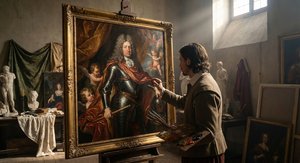
The Grandeur of Baroque Portraiture: Power, Emotion & Artistic Innovation
Explore the grandeur of Baroque portraiture! Discover Rubens, Van Dyck & the masters of 17th-century art. Uncover symbolism, techniques & lasting influence. Expert insights for collectors and enthusiasts.

Drama Barocă: Cum să Aduceți Splendoare și Emoție în Interioarele Contemporane
Descoperiți cum să integrați splendoarea stilului baroc în locuința dumneavoastră! Ghid complet cu elemente de design, culori și inspirație pentru interioare luxoase și pline de emoție.

