
 Vezi în context
 Trimite
 Distribuie
 Detalii
 Ghidul

 Descarcă
 Produse similare
 Radiografie
 Diaporama
 Statistici
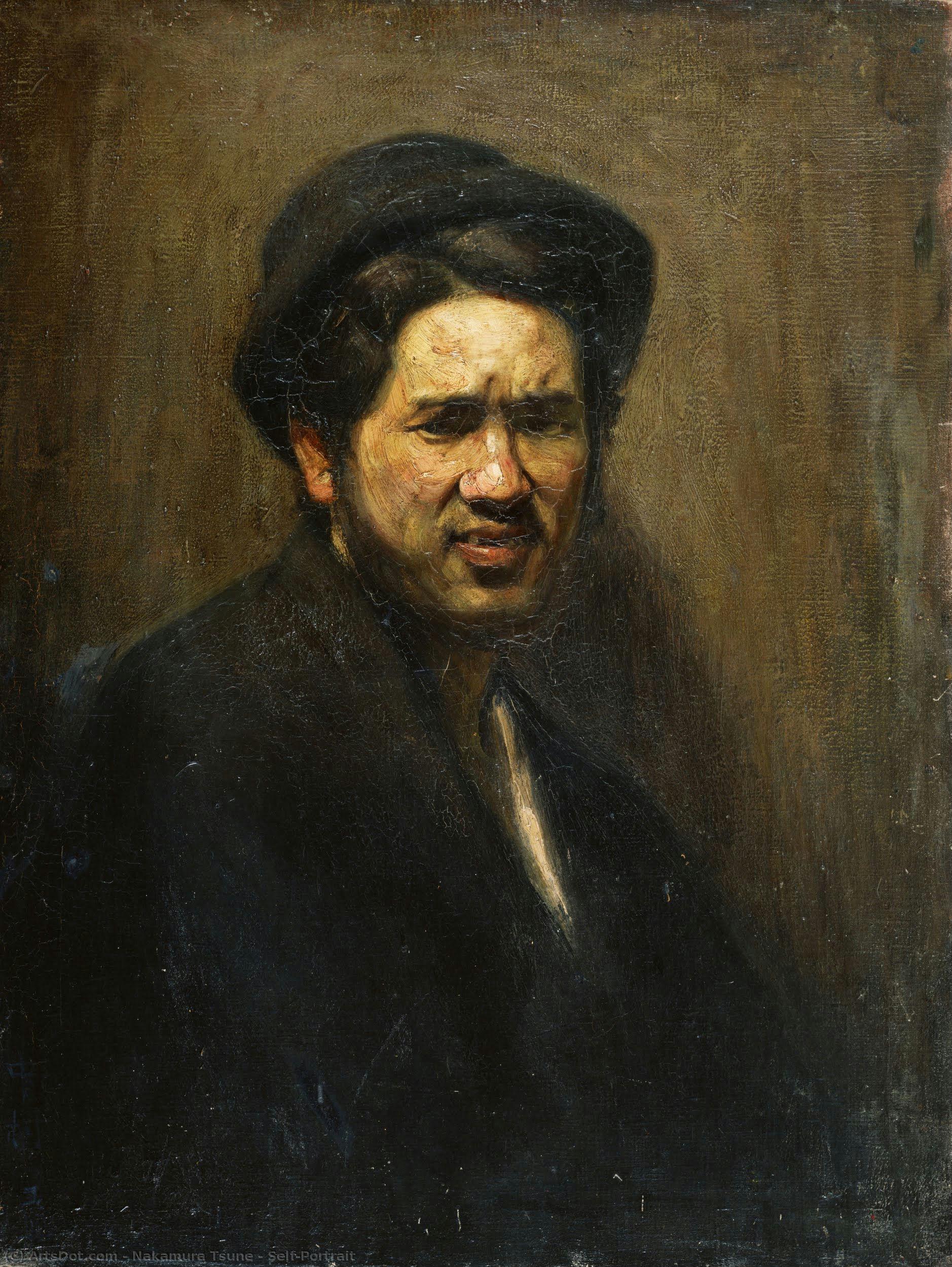
Self-Portrait
 Acrylic On Canvas
- WallArt
 1909
1909 610.0 x 806.0 cm
 Artizon Museum
 Citește mai mult
Giclée / Imprimare artistică
Printuri giclée sau pe canvas de calitate muzeală, cu proces de producție rapid și opțiuni flexibile de finisare. ( Comandă pictură realizată manual Treci la imagine digitală)




P118B lei10

P118H lei10

P118W lei10

P438Z lei10

P508JH lei12

P508YH lei12

P805H lei10

P805Z lei10

P919BZ lei10

P919G lei10

P919XJ lei10

P959ZH lei10

P968JZ lei12

W106C lei8

W218G lei10

W218JH lei8

W218Y lei10

W307PJ lei10

W316G lei10

W316PJ lei8

W316Y lei10

W398PJ lei8

W4111J lei10

W500HY lei15

W500JH lei15

W692G lei12

W849H lei8

W940BG lei15

W953PJ lei8




Alegeți dintre dimensiunile noastre prestabilite, care respectă proporțiile originale ale operei de artă.

Introduceți lățimea și înălțimea de care aveți nevoie, pentru a se potrivi ramei sau peretelui dumneavoastră. O printare poate fi doar tăiată, niciodată extinsă dincolo de dimensiunea imaginii originale, astfel încât o dimensiune cu o formă diferită va pierde o parte din imagine. Vă trimitem o simulare digitală pentru aprobare înainte de a imprima orice. Imaginea afișată pe această pagină nu prezintă tăierea reală — doar simularea arată acest lucru.
Livrare în întreaga lume () în 2 săptămâni, în loc de cele 4/5 săptămâni standard. (23 Octombrie)

Livrare expres gratuită la nivel mondial

Pânză de in premium

Asigurare completă pentru transport

Garanție de rambursare a taxelor vamale

Garanția fidelității culorilor

Politica de retur în 100 de zile (doar pentru defecte)

Garanție de rambursare 100%

Reducere pentru comenzi multiple
 Opțiunea cu sticlă este disponibilă doar pentru dimensiuni de sub 110 cm

Self-Portrait
Giclée / Imprimare artistică
Dimensiune reproducere
-


Preț total
lei 370
A Window into Soul: Examining Nakamura Tsune’s “Self-Portrait”
Nakamura Tsune’s “Self-Portrait,” completed in 1909, stands as a poignant testament to the burgeoning Kanō School aesthetic and a deeply personal exploration of artistic identity. Measuring an impressive 610 x 806 cm on canvas, this monumental work immediately draws the eye with its masterful use of chiaroscuro – dramatic contrasts between light and shadow – reminiscent of Rembrandt’s iconic portraits.
The photograph captures a meticulously rendered depiction of Tsune himself. He is positioned centrally within the frame, bathed in an intense beam of illumination originating from the upper left corner. This deliberate compositional choice isn't merely stylistic; it serves to amplify the figure’s presence and directs the viewer’s gaze directly onto his face, fostering a palpable connection between artist and observer – a hallmark of humanist portraiture prevalent during the early 20th century.
The Kanō School Influence & Artistic Technique
Tsune's style is undeniably rooted in the Kanō School tradition, known for its emphasis on idealized beauty and spiritual contemplation. The artist employs meticulous brushwork—characteristic of Kanō painters—to achieve remarkable textural detail, particularly evident in the folds of his shirt and the subtle nuances of skin tone. Careful layering of pigments creates depth and luminosity, mirroring the influence of Rembrandt’s masterful use of light to convey emotion.
- Brushwork: Precise, layered strokes emulate Kanō School techniques for capturing form and texture.
- Color Palette: Primarily muted tones—browns, ochres, and blacks—reflect the solemn mood and contribute to the overall sense of introspection.
- Composition: Central placement emphasizes the subject’s gaze and reinforces the portrait's communicative power.
Historical Context & Symbolic Resonance
Created during a period of significant artistic experimentation in Japan, “Self-Portrait” reflects the broader cultural anxieties surrounding tuberculosis – Tsune himself suffered from this illness during his formative years. The image transcends mere representation; it embodies a profound engagement with themes of vulnerability and resilience—qualities that resonate powerfully across time.
The stark illumination serves as a visual metaphor for confronting inner darkness, mirroring the artist’s own struggle for self-understanding. Furthermore, Tsune's gaze – unwavering and direct – speaks to an enduring artistic impulse: to capture not just likeness but also spirit—a desire that continues to inspire artists today.
Emotional Impact & Artistic Legacy
"Self-Portrait" transcends its formal qualities to evoke a feeling of quiet contemplation. It invites viewers to consider questions of identity, mortality, and the pursuit of artistic excellence. Like Rembrandt’s portraits before it, Tsune's work remains an enduring symbol of human dignity and artistic introspection—a masterpiece that continues to captivate audiences worldwide.
Întrebări și răspunsuri
În ce muzeu se află originalul "Self-Portrait"?
Puteți vedea originalul "Self-Portrait" la Artizon Museum, Tokyo, Japonia.
Ce atmosferă transmite "Self-Portrait"?
"Self-Portrait" are o atmosferă Elegant.
Ce atmosferă ar aduce "Self-Portrait" într-un spațiu?
Atmosfera Elegant a operei "Self-Portrait" de Nakamura Tsune se potrivește perfect spațiului recomandat: un Living Room.
Biografie artist
Nakamura Tsune: Life and Legacy
Early Life and Struggles
Nakamura Tsune, a Japanese artist, was born in 1887 in what is now Mito City, Japan. His life began amidst hardship; his father passed away when he was just one year old, followed by the loss of his mother when he was eleven. Despite this tumultuous start, he persevered and pursued his artistic aspirations.
Artistic Aspirations and Training
After graduating from the Nagoya Army Cadet School in 1904, Tsune’s plans for a military career were thwarted by tuberculosis. During his convalescence, he discovered a passion for painting. In 1906, he joined the research institute of the White Horse Society, where he honed his artistic skills and began to develop his unique style.
Notable Works and Exhibitions
Nakamura Tsune’s talent quickly gained recognition. Some of his most celebrated works include:
- Cloudy Morning and Cliffs – Featured in the third Bunten exhibition in 1909, with Cliffs receiving a commendation. This work is now part of the Museum of the Imperial Collections.
- Girl – Awarded a prize at the eighth Bunten exhibition in 1914.
- Other significant works include Dr. Tanakadate and Nude, showcased at the eleventh Bunten exhibition in 1916.
Personal Life and Relationships
In 1913, Sōma Toshiko, daughter of Aizō and Kokkō, became his model. His proposal to her in 1915 faced opposition from her parents, adding another layer of complexity to his personal life. Despite these challenges, he continued to dedicate himself to his art.
Artistic Style and Influences
Nakamura Tsune’s work demonstrates influences from the Kanō School, a traditional Japanese painting style known for its detailed brushwork and classical themes. However, he also incorporated elements of Western artistic techniques, resulting in a unique blend of tradition and modernity. His paintings often feature evocative landscapes and intimate portraits.
Legacy and Passing
Nakamura Tsune’s life was marked by both adversity and artistic achievement. He passed away in 1924 at the age of 37 in his studio in Shimo-ochiai, Shinjuku. His remains were interred at Gion-ji (祇園寺) in Mito the following year. Though his career was cut short, his artistic legacy continues to inspire and captivate art enthusiasts today.
Historical Significance
Tsune’s work provides a glimpse into early 20th-century Japan, reflecting the social changes and artistic experimentation of the era. His ability to blend traditional Japanese aesthetics with Western influences makes him a significant figure in the history of Japanese art.

Nakamura Tsune
1887 - 1924 , Japan
Informații rapide
- Name: Nakamura Tsune
- Movement: Kanō School
- Birth Date: 1887
- Death Date: 1924
- Birth Place: Mito, Japan
- Nationality: Japanese
- Date Of Birth: 1887
- Date Of Death: 1924
- Notable Works:
- Cloudy Morning and Cliffs
- Girl
- Dr. Tanakadate
- Nude
- Place Of Birth: Mito, Japan
Articole conexe

Evocations of Place: A Historical Journey Through Landscape Art
Explore the rich history of landscape art with OriginalUniqueArt. Discover renowned artists, movements like Impressionism & Romanticism, and expert guidance for collecting timeless pieces. Find your perfect serene escape today!

Peisaje Romantice Iconice: 10 Capodopere Artistice pentru Decorul de Lux
Descoperă 10 capodopere romantice iconice de Caspar David Friedrich, Turner și alți maeștri. Explorează istoria artei, emoțiile din peisaje și găsește tablouri canvas perfecte pentru decorul tău pe OriginalUniqueArt.com!

Evoking Nature's Sublime: A Comprehensive Exploration of 19th-Century Landscape Painting
Explore the captivating world of 19th-century landscape painting! Discover renowned artists like Friedrich & Monet, key movements, and find the perfect artwork to bring nature's serenity into your home. Expert insights at OriginalUniqueArt.

Katsushika Hokusai: Cele Mai Iubite 25 de Opere de Artă – Inspirație pentru Decorul Casei Tale
Descoperă cele mai frumoase 25 de opere de artă semnate de Katsushika Hokusai, maestru ukiyo-e. Explorează istoria valului Kanagawa și a picturilor japoneze iconice. Reproduceri de calitate muzeală pentru decorul casei tale pe OriginalUniqueArt.com!
Zen on Canvas: The Timeless Artistry and Spiritual Depth of Japanese Landscape Painting
Explore the profound beauty of Japanese landscape painting. From Hokusai's iconic vistas to Zen-inspired compositions, discover the spiritual depth and historical mastery of Ukiyo-e art in this expert cultural retrospective.