

 Previzualizare
 Trimite prin felicitare
 Distribuie
 Detalii despre lucrare
 Ghid
Ghid

 Descarcă imaginea
 Produse similare
 Radiografie
 Galerie foto
 Statistici
Dollhouse
 Assemblage
- Feminist Expressionism
 1972
1972- Modern
 208.0 x 202.0 cm
 Muzeul de Artă Americană Smithsonian
 Vezi mai mult
Lucrarea de artă afișată pe această pagină este protejată de legile privind drepturile de autor, ceea ce înseamnă că nu putem crea sau vinde în mod legal o reproducere identică. Această protecție este garantată prin acorduri internaționale, precum Convenția de la Berna și de legile naționale, inclusiv cele prevăzute de Legea dreptului de autor din S.U.A. – Titlul 17. Toate drepturile rezervate. Orice reproducere neautorizată este interzisă.
Această metodă respectă pe deplin reglementările privind drepturile de autor, deoarece nu implică copierea sau duplicarea operei protejate. În schimb, este o reinterpretare creativă – o pictură nouă, influențată de original, dar care nu este identică cu acesta.
Giclée / Imprimare artistică
Printuri giclée sau pe canvas de calitate muzeală, cu proces de producție rapid și opțiuni flexibile de finisare. ( Comandă pictură realizată manual Comută pe Imagine Digitală)




P118B lei10

P118H lei10

P118W lei10

P438Z lei10

P508JH lei12

P508YH lei12

P805H lei10

P805Z lei10

P919BZ lei10

P919G lei10

P919XJ lei10

P959ZH lei10

P968JZ lei12

W106C lei8

W218G lei10

W218JH lei8

W218Y lei10

W307PJ lei10

W316G lei10

W316PJ lei8

W316Y lei10

W398PJ lei8

W4111J lei10

W500HY lei15

W500JH lei15

W692G lei12

W849H lei8

W940BG lei15

W953PJ lei8




Alegeți dintre dimensiunile noastre prestabilite, care respectă proporțiile originale ale operei de artă.

Introduceți lățimea și înălțimea necesare pentru a se potrivi ramei sau peretelui dumneavoastră. O printare poate fi doar tăiată, niciodată extinsă dincolo de dimensiunea imaginii originale, astfel încât o dimensiune cu o formă diferită va pierde o parte din imagine. Vă trimitem o simulare digitală pentru aprobare înainte de a imprima orice. Imaginea afișată pe această pagină nu prezintă tăierea reală — doar simularea arată acest lucru.
Livrare în întreaga lume () în 2 săptămâni, în loc de cele 4/5 săptămâni standard. (28 Octombrie)

Livrare expres gratuită la nivel mondial

Pânză de in de înaltă calitate

Asigurare completă pentru transport

Garanție de rambursare a taxelor vamale

Garanția fidelității culorilor

Politica de retur în 100 de zile (doar pentru defecte de fabricație)

Garanție de rambursare 100%

Ofertă pentru comenzi multiple
 Opțiunea cu sticlă este disponibilă doar pentru dimensiuni de sub 110 cm

Dollhouse
Giclée / Imprimare artistică
Dimensiune reproducere
-


Preț total calculat
lei 372
A Portal to the Feminine Imagination
In the landscape of twentieth-century art, few works capture the radical spirit of transformation quite like Miriam Schapiro’s “Dollhouse,” created in 1972. This is not merely a miniature architectural model; it is a profound window into the psyche of a movement. Emerging from the fertile ground of a collaborative workshop at CalArts—where Schapiro worked alongside the legendary Judy Chicago—this piece serves as a vibrant manifesto for feminist art. It invites the viewer to step beyond the threshold of traditional viewing and enter a space where domesticity is reclaimed, not as a site of confinement, but as a sanctuary of boundless creativity and resistance.
The work functions as an intricate assemblage, a technique Schapiro mastered to bridge the gap between fine art and the decorative crafts traditionally relegated to the feminine sphere. Rather than relying on the singular medium of paint, she meticulously layered wood, fabric scraps, papier-mâché, and various decorative embellishments. This tactile approach creates a richly textured surface that demands physical engagement. As one gazes upon the miniature rooms, the eye is led through a labyrinth of geometric patterns—squares and rectangles that anchor the composition—while vibrant hues of pink, yellow, and teal dance across the walls. These colors are far from accidental; they evoke an atmosphere of warmth, playfulness, and nurturing energy, deliberately celebrating the aesthetic qualities often dismissed by the male-dominated art canon.
The Art of Femmage and Domestic Rebellion
At the heart of “Dollhouse” lies Schapiro’s pioneering concept of “femmage,” a term she used to describe the integration of "feminine" decorative elements into high art. By utilizing materials like fabric and intricate patterns, she challenged the rigid hierarchies of the art world, asserting that the domestic and the decorative are worthy of profound intellectual inquiry. The interior of the house is a bustling microcosm of life; tiny chairs, tables, beds, and delicate knick-knacks are arranged with a precision that suggests both intimacy and order. Each small vignette within the structure tells a story of a lived experience, transforming the "dollhouse" from a childhood toy into a sophisticated stage for exploring identity.
For the collector or interior designer, this piece offers an unparalleled opportunity to introduce a conversation starter into a curated space. It possesses a unique ability to harmonize with modern minimalist settings through its bold geometric structure, while simultaneously providing a soulful, textured depth that softens more clinical environments. The emotional impact of “Dollhouse” is one of nostalgic wonder blended with intellectual vigor. It is a piece that does not just decorate a wall; it animates a room, offering a sense of joy, historical significance, and a continuous dialogue about the power of reclaiming one's space in the world.
Întrebări și răspunsuri
Cum face "Dollhouse" de Miriam Schapiro legătura între Feminist Expressionism și țara de origine a artistului?
"Dollhouse" face legătura între mișcarea Feminist Expressionism și Canada, prin locul de naștere al creatorului său.
Ce reprezintă "Dollhouse"?
Temele prezente în "Dollhouse" de Miriam Schapiro includ dollhouse interior, domestic space, feminist art, colorful composition, furniture arrangement, decorative objects, midcentury modern, symbolic representation. Împreună, acestea definesc subiectul întregii opere de artă.
Ce atmosferă ar aduce într-o încăpere o reproducere a operei "Dollhouse" de Miriam Schapiro?
Atmosfera Serene a operei "Dollhouse" de Miriam Schapiro se potrivește perfect spațiului recomandat: un Living Room.
Biografie artist
O via țesută în culoare și feminism
Miriam Schapiro, născută în Toronto, Canada, în 1923, a fost o artistă a cărei călătorie a oglindit peisajul în continuă evoluție al artei secolului al XX-lea și al celui XXI-lea. Viața sa, care s-a întins pe nouă decenii până la trecerea ei în neființă în 2015, nu a fost pur și simplă o progresie prin stiluri artistice, ci o demantelare deliberată a frontierelor – între arta înaltă și cea populară, între expresia masculină și cea feminină și, în cele din urmă, între experiența personală și temele universale. Anii ei de început au fost îmbibați de creativitate; tatăl ei, Theodore Shapiro, artist și designer industrial, i-a cultivat inclinațiile artistice innate încă de la vârsta fragedă de șase ani. Acest încurajament fundamental, însoțit de instruirea formativă la Muzeul de Artă Modernă (MoMA), a pregătit terenul pentru o dedicare de o viață adusă expresiei vizuale. Ea și-a urmat studiile formale la Hunter College înainte de a continua la Universitatea din Iowa, unde a obținut o trilogie de diplome – BA, MA și MFA – consolidându-și angajamentul față de pictură, gravură și o viziune artistică în plină expansiune. Tot în Iowa s-a întâlnit și s-a căsătorit cu partenerul său de creație, artistul Paul Brach, începând o colaborare de o viață, atât pe plan personal, cât și creativ. Influența lui Mauricio Lasansky din Iowa s-a dovedit crucială, transmătându-i Schapiro nu doar măiestria tehnică în diverse tehnici de imprimare, ci și importanța studiului maeștrilor clasici pentru a depăși provocările artistice – o practică ce avea să rezoneze pe tot parcursul carierei sale.De la Expresionismul Abstract la nașterea „Femmage-ului”
Schapiro a obținut inițial recunoaștere în sfera Expresionismului Abstract în anii '50 și '60, dezvoltând un stil gestual distinctiv, caracterizat prin suprapuneri delicate și ștergeri subtile – „pictând subțire și ștergând”, așa cum descria ea însăși procesul. Totuși, aceste compoziții abstracte erau rar lipsite de referințe subterane; ele căutau adesea inspirație în ilustrație negru-pe-alb ale picturilor maeștrilor clasici, dezvăluind dialogul ei continuu cu istoria artei. Punctul de cotitură real în traiectoria artistică a Schapiro a sosit în anii '70, coincidând cu ascensiunea mișcării de Artă Feministă. Recunoscând un vid critic în reprezentarea experiențelor femeilor în lumea artei, ea a cofondat revoluționar Programul de Artă Feministă de la California Institute of the Arts alături de Judy Chicago. Această colaborare s-a dovedit transformatoare, oferind o platformă pentru explorarea identității feminine și pentru provocarea structurilor patriarhale din canonul artistic. Tocmai în această perioadă Schapiro a inventat termenul „femmage”, un neologism care încapsulează colajele ei inovatoare construite din țesături, dantelă, panglici și alte materiale asociate tradițional cu domesticitatea și artizanatul feminin. Aceste lucrări nu au fost doar experimente estetice; au fost acte deliberate de revendicare, elevând „munca femeilor”, adesea subestimată, la statutul de artă fină și sfidând noțiunile convenționale de valoare artistică.Teme ale identității, istoriei și decorațiunii
Explorarea artistică a lui Schapiro s-a concentrat constant pe temele identității feminine, ale istoriei femeilor și ale recuperării tradițiilor artistice marginalizate. Canvasurile sale au devenit depozite vibrante de simboluri asociate cu feminitatea – inimi, motive florale, modele geometrice și o îmbrățișare deliberată a culorii roz. Ea nu s-a temut să încorporeze imagini care făceau referire la alte artiste semnificative, precum Mary Cassatt și Frida Kahlo, făcându-le omagiu moștenirii lor, în timp ce își afirma, simultan, propria voce unică. Un exemplu deosebit de izbitor al abordării sale este reprezentarea monumentală a evantaielor; transformând ceea ce era de obicei un obiect mic și intim în picturi la scară largă – unele atingând dimensiuni de aproape doi metri pe aproape patru metri – ea a dotat evantaiul cu proporții eroice, elevându-l ca simbol al puterii și grației feminine. Dincolo de preocupările feministice, opera lui Schapiro a demonstrat și un angajament profund față de istoria artei. Ea a căutat inspirație în mișcarea avangardei ruse, recunoscând semnificația sa istorică ca o perioadă în care artistele au beneficiat de mai mari oportunități de recunoaștere și egalitate. Această fascinație i-a influențat compozițiile și i-a extins vocabularul artistic. Adoptarea elementelor decorative nu a fost doar una stilistică; a fost o respingere conștientă a austerității minimaliste și o celebrare a ornamentului – contribuind semnificativ la mișcând Pattern and Decoration, care a provocat accentul predominant pe formele reductive din arta contemporană.Moștenire și influență durabilă
Opera pionieră a lui Miriam Schapiro a schimbat irevocabil peisajul artei contemporane. Ea a deschis calea generațiilor viitoare de artiste feministe, redefinind granițele dintre arta fină și artizanat și provocând prejudecățile sociale profund înrădăcinate. Tehnicile sale inovatoare, în special dezvoltarea „femmage-ului”, au extins posibilitățile colajului și ale asamblajului, inspirând numeroși artiști să exploreze noi materiale și abordări. Moștenirea lui Schapiro depășește creațiile sale artistice; ea a fost o educatoare dedicată și o susținătoare a femeilor în arte, stimulând dialogul și creând oportunități pentru artiștii emergenți. Astăzi, lucrările sale sunt păstrate în colecții de muzee prestigioase din întreaga lume, inclusiv în Jewish Museum din New York și National Gallery of Art, asigurându-se că viziunea sa va continua să rezoneze cu publicul în anii ce vor veni. Eric Firestone Gallery reprezintă exclusiv succesiunea sa, protejând moștenirea sa artistică și promovând cercetarea continuă asupra vieții și operei sale. Miriam Schapiro a fost mai mult decât o artistă; a fost un catalizator cultural, o inovatoare curajoasă și o apărătoare a expresiei feminine, a cărei impact continuă să fie simțit în întreaga lume a artei.
Miriam Schapiro
1923 - 2015 , Canada
Detalii rapide
- Artistic Movement Or Style: Abstract Expressionism, Femmage
- Artists Or Movements Influenced By This Artist: ['Mary Cassatt']
- Artists Who Influenced This Artist:
- Stuart Edie
- James Lechay
- Date Of Birth: November 15, 1923
- Date Of Death: June 20, 2015
- Full Name: Miriam Schapiro
- Nationality: Canadian
- Notable Artworks:
- Wonderland
- OX
- Place Of Birth: Toronto, Canada
Articole similare
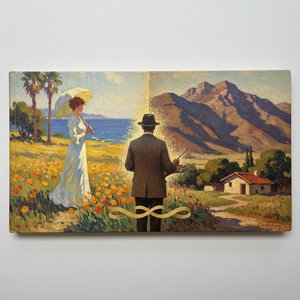
Joseph Kleitsch: Bridging Impressionism & California Regionalism – A Study of Light and Identity
Explore the life & work of Joseph Kleitsch, a pivotal California Impressionist painter. Discover his vibrant landscapes, portraits, and legacy within the Laguna Beach art colony. A comprehensive study for collectors & enthusiasts.
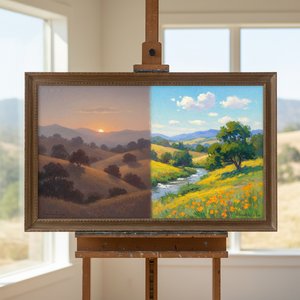
Franz Bischoff: Bridging Tonalism & Impressionism in California Landscape Painting
Explore the captivating art of Franz Bischoff, a pivotal figure bridging Tonalism & California Impressionism. Discover his stunning landscapes, floral works, and lasting legacy with OriginalUniqueArt.

OriginalUniqueArt.com F.A.Q.: Premium Art Partnerships for Museums & Educational Institutions
Discover OriginalUniqueArt.com's premium partnership programs for museums and educational institutions. We provide high-fidelity, hand-painted oil reproductions and bespoke curation services designed to preserve and expand the reach of historical legacies with academic precision.

OriginalUniqueArt.com F.A.Q.: Premium Art Partnerships for Museums & Educational Institutions
Discover OriginalUniqueArt.com's premium partnership programs for museums and educational institutions. We provide world-class, hand-painted oil reproductions and bespoke curation services designed to preserve and expand the reach of prestigious global art collections with unmatched precision.

Detroit Institute of Arts: Top 25 de Capodopere pentru Decorul Casei Tale | OriginalUniqueArt.ro
Descoperă top 25 de capodopere din Detroit Institute of Arts! Explorează poveștile lui Van Gogh, Monet și Rembrandt. Reproduceri tablouri de calitate muzeală pentru un decor artistic unic. Inspiră-te și găsește arta perfectă pe OriginalUniqueArt.com!