
 Previzualizare
 Trimite prin felicitare
 Distribuie
 Detalii despre lucrare
 Ghid
Ghid

 Descarcă imaginea
 Produse similare
 Radiografie
 Galerie foto
 Întrebări și răspunsuri
 Statistici
Abstraction

- 87.0 x 44.0 cm


 Vezi mai mult
Obțineți un fișier gata de imprimare care depășește cu mult calitatea previzualizării web. Fiecare imagine digitală pe care o vindem provine dintr-un master de înaltă rezoluție din baza noastră de date — având, de regulă, o lățime între 5.000 și 15.000 de pixeli — astfel încât să puteți printa în format mare, să decupați strâns sau să reproduceți detalii fine cu încredere.
Niciun fișier nu părăsește studioul nostru fără să fie tratat. Un expert digital verifică nuanțele de culoare în raport cu pictura originală și le corectează acolo unde este necesar, apoi îmbunătățește claritatea și detaliile folosind instrumente profesionale de retușare — rămânând întotdeauna fidel gestului pictural și stilului artistului. Rezultatul este o imagine care seamănă cu tabloul propriu-zis, nu cu o scanare filtrată.
Aprobați înainte de finalizare: expertul nostru vă va trimite imaginea prin e-mail în termen de 72 de ore pentru revizuire. Nu sunteți mulțumit? Solicitați îmbunătățiri sau corecturi, ori cereți o restituire a plății dacă calitatea nu este pe măsura așteptărilor.
Aceasta este calitatea pe care se bazează editorii, studiourile de design, galeriile și tipăriturile.
Imagine Digitală
Descărcați un fișier la rezoluție înaltă pentru afișare personală, imprimare și proiecte creative. ( Comută pe versiunea Print Comandă pictură realizată manual)
Inclus în fiecare comandă de imagini digitale
Livrare digitală de expertiză, garantată
Când alegeți OriginalUniqueArt.com, nu primiți doar o simplă imagine – primiți o operă de artă digitală îmbunătățită profesional, creată cu precizie și susținută de o garanție de satisfacție. Iată tot ceea ce primești odată cu comanda ta, în mod automat:

Livrare rapidă prin e-mail
Fișierul imaginii digitale la rezoluție înaltă vă va fi trimis prin e-mail în termen de 72 de ore de la finalizarea comenzii – gata pentru utilizare imediată.

Fișier digital optimizat prin IA
Opera ta de artă este optimizată profesional prin intermediul unor instrumente AI avansate și al editării manuale, asigurând un nivel maxim de detalii, claritate și acuratețe a culorilor.

Retransmitere gratuită pe viață
Ai șters sau ai pierdut din greșeală fișierul? Nu îți face griji – ți-l vom retrimite oricând, gratuit.

Fără taxe de import – Întotdeauna
Bucură-te instant de noua ta operă de artă, fără taxe vamale, taxe de import sau costuri de livrare – descărcările digitale sunt întotdeauna fără taxe.

Garanția acurateții culorilor
Asigurăm o reflectare cât mai fidelă a culorilor originale în imaginea ta digitală, prin utilizarea unor instrumente profesionale și a proceselor de gestionare a culorii.

Garanție de satisfacție de 100 de zile
Dacă nu sunteți mulțumit de imaginea digitală achiziționată, o vom revizui sau vă vom returna 100% în termen de 100 de zile – fără nicio întrebare.

Garanție de returnare 100% a banilor
Nu ești mulțumit? Primești rambursarea integrală în termen de 100 de zile de la primirea fișierului digital – fără nicio întrebare.

Reduceri pentru comenzi în volum
Cumpără 3 imagini, economisește 10% - Cumpără 5, economisește 15% - Cumpără 10+, economisește 20%. Ideal pentru proiecte creative, galerii și agenții.
The Artist and His Style
Milton Resnick was an American artist known for his unique approach to abstract art. His paintings often featured bold colors and textures, which gave them a dynamic and expressive quality. Abstraction is no exception, with its vibrant hues and intricate patterns that seem to dance across the canvas. This piece is not only a reflection of the artist's skill but also a window into his creative mind.The Painting's Significance
Abstraction is significant not just because of its aesthetic appeal but also due to its place in the history of abstract art. It represents a pivotal moment in Milton Resnick's career and showcases his ability to push boundaries. The painting is currently housed at the National Portrait Gallery in the United States, where it continues to inspire and intrigue art lovers.Understanding Abstract Art
To fully appreciate Abstraction, it's essential to understand the context of abstract art. This movement, which emerged in the early 20th century, emphasized non-representational forms and expressed emotions through color and texture. As explained on The Abstract Art Movement page on OriginalUniqueArt.com, abstract art is about creating works that exist independently of visual references, focusing instead on the emotional and expressive qualities of art.For those interested in exploring more about Milton Resnick and his work, visiting Milton Resnick: Abstraction on OriginalUniqueArt.com provides a detailed insight into the painting and the artist. Additionally, Wikipedia's page on 20th-century Western painting offers a comprehensive overview of the period during which Abstraction was created, highlighting key movements and figures in modern art.
- View more artworks by Milton Resnick on OriginalUniqueArt.com to understand his style and contribution to abstract expressionism.
- Explore the National Portrait Gallery to discover other significant works of art, including those that represent the evolution of abstract art.
- Learn about the history of painting on Wikipedia to appreciate the context in which Abstraction was created.
Întrebări și răspunsuri
Pot vedea o imagine cu raze X a lucrării "Abstraction" de Milton Resnick?
„Abstraction” poate fi explorat strat cu strat pe pagina Raze X a operei de artă, printr-un vizualizator inspirat de masa de lumină a unui conservator, care oferă unsprezece lecturi optice ale imaginii.
Din ce perioadă a carierei lui Milton Resnick face parte „Abstraction”?
În cariera lui Milton Resnick, „Abstraction” aparține perioadei Mature Period. Această etapă facilitează compararea sa cu celelalte opere ale artistului.
"Abstraction" de Milton Resnick folosește contrastul puternic sau armonii delicate?
Analiza cromatică a operei "Abstraction" de Milton Resnick relevă un Serene contrast și o Balanced Harmony armonie.
Biografie artist
A Life Forged in Abstraction: The Journey of Milton Resnick
Milton Resnick, born Rachmiel Resnick on January 7, 1917, in Bratslav, Ukraine, was a pivotal figure in the evolution of American Abstract Expressionism. His story is one of displacement, artistic dedication, and an unwavering commitment to exploring the depths of abstract form and color. The early years of his life were marked by upheaval; his family, prosperous Jewish merchants – builders on his father’s side, flour traders through his mother – fled the turmoil following the Russian Revolution, seeking refuge in the United States in 1922. Settling in Brooklyn, young Rachmiel would later become Milton, a transformation mirroring his embrace of a new world and a new artistic identity. This immigrant experience profoundly shaped his sensibility, instilling a sense of searching and a willingness to forge his own path. Even as a teenager, Resnick defied familial expectations, leaving home at seventeen to pursue his passion for art, supporting himself through arduous means – selling blood, modeling – all while immersing himself in the burgeoning artistic landscape of New York City. His formal education included studies at Pratt Institute Evening School of Art and the American Artists School, but it was a close friendship with Willem de Kooning and tutelage under Hans Hofmann that proved most formative, guiding his early explorations into abstraction.Parisian Echoes and the Rise of Abstract Expressionism
The years following World War II were crucial in Resnick’s artistic development. Serving in the Army during the war provided a stark contrast to the creative world he yearned for, but upon his discharge in 1945, he immediately sought inspiration abroad. From 1946 to 1948, Resnick lived and worked in Paris, a city still resonating with artistic innovation despite the recent conflict. This period proved transformative; he encountered giants of modern art – Wols, Giacometti, Brancusi, Matisse, Picasso, and Derain – absorbing their influences while simultaneously forging his own unique vision. The Parisian experience instilled in him a deep appreciation for materiality and form, qualities that would become hallmarks of his work. Returning to New York, Resnick became a founding member of the Artist’s Club in 1949, a vital hub for the burgeoning Abstract Expressionist movement. This collective, which included figures like Franz Kline, Ad Reinhardt, and Jack Tworkov, provided a platform for experimentation and intellectual exchange, solidifying his place within this groundbreaking artistic community. His participation in the seminal 9th Street Art Exhibition in 1951 further cemented his reputation as a rising force in American art.Scale, Density, and the Pursuit of the Sublime
Resnick’s mature style is immediately recognizable for its monumental scale and intensely pigmented surfaces. He wasn't merely painting *on* canvas; he was building it up, layer upon layer, often resulting in works weighing over 300 pounds – a testament to his commitment to materiality. Initially, his paintings were characterized by muscular, interlocking forms reminiscent of de Kooning’s energetic brushwork. However, Resnick gradually moved towards looser handling of paint and expansive monochromatic fields, exploring the expressive potential of color and texture. He became known for his unique approach to scale and density, creating immersive environments that enveloped the viewer. His canvases weren't windows onto another world; they *were* worlds unto themselves. This exploration wasn’t simply about aesthetics; it was a spiritual quest, an attempt to capture something of the sublime – a sense of awe-inspiring vastness and emotional power. In his later years, Resnick began incorporating figurative and imagistic elements into his abstract compositions, hinting at narratives without ever fully revealing them, adding another layer of complexity to his already profound work.Legacy and Enduring Influence
Throughout his career, Milton Resnick exhibited widely in prominent galleries including the Poindexter Gallery, Howard Wise Gallery, Max Hutchinson, and Robert Miller, gaining critical acclaim for his unique vision. His paintings are now held in numerous prestigious public collections, including the Smithsonian American Art Museum, the National Gallery of Art, the Museum of Modern Art (NYC), The Metropolitan Museum of Art, the National Gallery of Australia, and the Whitney Museum of American Art – a testament to his lasting impact on the art world. Beyond painting, Resnick was also an accomplished poet, writing nearly daily for the last thirty years of his life, revealing another facet of his creative spirit. He taught at Pratt Institute and New York University, sharing his knowledge and passion with generations of aspiring artists. He purchased and renovated an abandoned synagogue on Eldridge Street in Manhattan, transforming it into both a studio and residence – a space that became synonymous with his artistic practice. The Milton Resnick and Pat Passlof Foundation, established to manage his estate alongside the work of his wife, plans to open this historic building as a public exhibition space, ensuring that his legacy will continue to inspire for years to come. Milton Resnick died on March 12, 2004, in New York City, leaving behind a body of work that stands as a powerful and enduring contribution to post-war American art – a testament to the transformative power of abstraction and the relentless pursuit of artistic truth.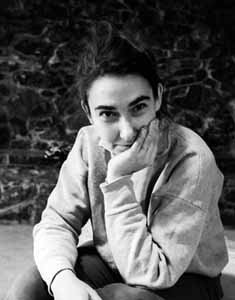
Milton Resnick
1917 - 2004 , Russia
Detalii rapide
- Full Name: Milton Resnick
- Nationality: American
- Date Of Birth: 1917
- Date Of Death: 2004
- Place Of Birth: Brest, Russia
- Notable Artworks:
- Abstraction
- Wheel
- New Bride
- Artistic Movement Or Style: Abstract Expressionism
- Artists Who Influenced This Artist:
- Willem de Kooning
- Hans Hofmann