Previzualizare
 Trimite
 Distribuie
 Detalii despre lucrare

 Descarcă
 Produse similare
 Radiografie
 Diapozitive automate
 Statistici
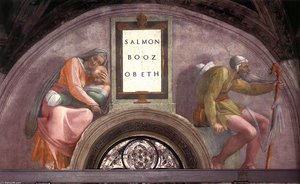
Capul unei femei
 Acrilic pe pânză
- Artă murală
- Renaissance
 1540
1540- Renașterea
 212.0 x 142.0 cm
 Colecția Regală
 Vezi mai mult
Giclée / Imprimare artistică
Printuri giclée sau pe canvas de calitate muzeală, cu proces de producție rapid și opțiuni flexibile de finisare. ( Comandă pictură lucrată manual Comută pe Imagine Digitală)




P118B $10

P118H $10

P118W $10

P438Z $10

P508JH $12

P508YH $12

P805H $10

P805Z $10

P919BZ $10

P919G $10

P919XJ $10

P959ZH $10

P968JZ $12

W106C $8

W218G $10

W218JH $8

W218Y $10

W307PJ $10

W316G $10

W316PJ $8

W316Y $10

W398PJ $8

W4111J $10

W500HY $15

W500JH $15

W692G $12

W849H $8

W940BG $15

W953PJ $8




Alegeți dintre dimensiunile noastre prestabilite, care respectă proporțiile originale ale operei de artă.

Puteți introduce propriile dimensiuni pentru a se potrivi unui anumit cadru sau spațiu. Dacă dimensiunea selectată nu corespunde proporțiilor imaginii originale, vom decupa lucrarea de artă sau vom extinde imaginea cu margini oglindite sau cu o culoare uniformă. Un mockup digital va fi trimis pentru aprobarea dumneavoastră înainte de începerea producției.
Vă rugăm să rețineți că previzualizarea de pe ecran nu reflectă decuparea sau extinderea reală. Doar mockup-ul va arăta cu exactitate compoziția finală.
Deși dimensiunile personalizate sunt disponibile, vă recomandăm să selectați o dimensiune din lista predefinită pentru a păstra proporțiile originale.
Livrare în întreaga lume () în 2 săptămâni, în loc de cele 4/5 săptămâni standard. (9 Septembrie)

Livrare expres gratuită la nivel mondial

Pânză de in de înaltă calitate

Asigurare completă pentru transport

Garanție de rambursare a taxelor vamale

Garanția fidelității culorilor

Politica de retur de 100 de zile (doar pentru defecte)

Garanție de rambursare 100%

Ofertă pentru comenzi multiple
 Opțiunea cu sticlă este disponibilă doar pentru dimensiuni de sub 110 cm

Capul unei femei
Giclée / Imprimare artistică
Dimensiune reproducere
-


Preț total calculat
$ 80
Michelangelo Buonarroti: A Renaissance Titan
Michelangelo di Lodovico Buonarroti Simoni (6 March 1475 – 18 February 1564), known mononymously as Michelangelo, was an Italian sculptor, painter, architect, and poet of the High Renaissance. His artistic genius left an indelible mark on Western art history, shaping the course of artistic expression for centuries to come. Born in Caprese Michelangelo, Tuscany, he emerged from humble beginnings—his father a banker—to become one of the most celebrated figures of his era, revered by contemporaries as “Il Divino” (“the divine one”).Early Life and Training (1475-1496)
Michelangelo’s formative years were marked by an early fascination with disegno – drawing – nurtured by his father who recognized his exceptional talent. At the tender age of 13, he embarked on a crucial apprenticeship with Domenico Ghirlandaio in Florence, mastering fresco painting and honing his sculptural skills alongside the renowned artist. This period instilled in him a profound understanding of classical ideals and established the foundation for his unparalleled artistic vision. Notably, he spent considerable time studying sculptures in the Medici gardens—a formative experience that cemented his admiration for the elegance and grandeur of ancient Greek and Roman art. The meticulous observation of human anatomy—a cornerstone of Michelangelo’s approach—was further honed during this period, preparing him for the monumental tasks ahead.Early Period: Establishing Mastery (1490-1505)
Michelangelo’s breakthrough came with the commission to sculpt *The Pietà* (1499), a breathtaking marble sculpture depicting Mary cradling Jesus after his crucifixion. Completed before he reached 30, this masterpiece showcased his mastery of marble carving and demonstrated an astonishing ability to convey profound emotion—a testament to his unparalleled artistic talent. The sculpture’s serene composition—characterized by flowing drapery and idealized figures—captures the essence of compassion and grief, reflecting Michelangelo’s deep spiritual convictions. Simultaneously, he undertook the monumental task of sculpting *David*, symbolizing Florentine republican values and embodying heroic idealism. The statue’s imposing scale and anatomical precision captivated audiences and solidified Michelangelo's reputation as a sculptor of exceptional skill. He skillfully utilized Buonarroti polishing to achieve unparalleled surface smoothness and luminosity—a technique that elevates the sculpture beyond mere representation, imbuing it with an ethereal quality.Historical Context
Michelangelo’s work flourished during the High Renaissance—a period characterized by renewed interest in classical art and humanist thought—in Florence, Italy. This vibrant cultural landscape was fueled by patronage from wealthy families like the Medici, who championed artistic innovation and supported ambitious projects that reflected the era’s intellectual fervor. Michelangelo’s artistic endeavors were inextricably linked to the political and social currents of his time, shaping the visual culture of Renaissance Italy. The humanist movement emphasized human reason and potential—a reaction against medieval scholasticism—inspiring artists to explore themes of beauty, virtue, and human experience. Michelangelo's David embodies this spirit of republican idealism, reflecting Florence’s aspiration for freedom and self-governance during a turbulent period marked by papal ambition and political instability.Artistic Techniques
Michelangelo’s distinctive style—characterized by dramatic musculature, idealized forms, and masterful use of chiaroscuro (light and shadow)—was rooted in meticulous observation of human anatomy and a deep understanding of sculptural principles. He favored working with marble—a challenging medium that demanded unwavering precision and patience—employing techniques such as Buonarroti polishing to achieve unparalleled surface smoothness and luminosity. His approach to painting, particularly his frescoes in the Sistine Chapel, involved layering pigments onto wet plaster, creating intricate compositions that conveyed biblical narratives with breathtaking grandeur. The Sistine Chapel ceiling—a monumental achievement of artistic ambition—represents Michelangelo’s supreme mastery of fresco technique and visual storytelling. Each panel depicts scenes from Genesis—narratives rich in symbolism and conveying profound theological ideas—executed with astonishing detail and expressive dynamism. ### Relevance to Modern Art Enthusiasts The legacy of Michelangelo Buonarroti continues to inspire artists and designers today. His monumental sculptures and frescoes stand as enduring symbols of artistic excellence—a testament to the transformative power of creativity and imagination. For those seeking to immerse themselves in the beauty and intellectual depth of Renaissance art, OriginalUniqueArt.com offers a remarkable opportunity to own a handmade oil painting reproduction of *Head of a Woman (recto)*—a captivating portrait that captures the serene contemplation of its subject with exquisite detail. Experience the essence of artistic genius with OriginalUniqueArt.com. Photo Description: The image is a black and white photograph of a painting by Michelangelo Buonarroti. The painting depicts the head of a woman with long hair. She has a crown on her head and appears to be looking downward. The woman's face is the main focus of the painting, and she seems to be staring at something in front of her. The background of the painting features a white wall that contrasts nicely with the black and white image. Overall, the photograph captures the intricate details of Michelangelo’s artwork, showcasing his skill as an artist. Size: 212 x 142 cm Date: 1540 ARTIST INFORMATION: ================== Artist: Michelangelo Buonarroti Birth Year: 1475 Death Year: 1564 Birth City: Caprese Michelangelo Birth Country: Italy Biography:A Renaissance Forged in Stone and Paint
Michelangelo di Lodovico Buonarroti Simoni (6 March 1475 – 18 February 1564), known mononymously as Michelangelo, was an Italian sculptor, painter, architect, and poet of the High Renaissance. He was born in the Republic of Florence but was mostly active in Rome from his 30s onwards. His work was inspired by models from classical antiquity and had a lasting influence on Western art. Michelangelo’s creative abilities and mastery in a range of artistic arenas define him as an archetypal Renaissance man, along with his rival and elder contemporary, Leonardo da Vinci. Given the sheer volume of surviving correspondence, sketches, and reminiscences, Michelangelo is one of the best-documented artists of the 16th century. He was lauded by contemporary biographers as the most accomplished artist of his era. Michelangelo achieved fame early. Two of his best-known works, the Pietà and David, were sculpted before the age of 30. Although he did not consider himself a painter, Michelangelo created two of the most influential frescoes in the history of Western art: the scenes from Genesis on the ceiling of the Sistine Chapel in Rome, and The Last Judgment on its altar wall. His design of the Laurentian Library pioneered Mannerist architecture. At the age of 71, he succeeded Antonio da Sangallo the Younger as the architect of St. Peter's Basilica. Michelangelo transformed the plan so that the Western end was finished to his design, as was the dome, with some modification, after his death.\nMichelangelo was the first Western artist whose biography was published while he was alive. Three biographies were published during his lifetime. One of them, by Giorgio Vasari, proposed that Michelangelo’s work transcended that of any artist living or dead, and was “supreme in not one art alone but in all three”.\nMichelangelo achieved fame early. Two of his best-known works, the Pietà and David, were sculpted before the age of 30. Although he did not consider himself a painter, Michelangelo created two of the most influential frescoes in the history of Western art: the scenes from Genesis on the ceiling of the Sistine Chapel in Rome, and The Last Judgment on its altar wall. His design of the Laurentian Library pioneered Mannerist architecture. At the age of 71, he succeeded Antonio da Sangallo the Younger as the architect of St. Peter's Basilica. Michelangelo transformed the plan so that the Western end was finished to his design, as was the dome, with some modification, after his death.\nMichelangelo was the first Western artist whose biography was published while he was alive. Three biographies were published during his lifetime. One of them, by Giorgio Vasari, proposed that Michelangelo’s work transcended that of any artist living or dead, and was “supreme in not one art alone but in all three”.\nMichelangelo achieved fame early. Two of his best-known works, the Pietà and David, were sculpted before the age of 30. Although he did not consider himself a painter, Michelangelo created two of the most influential frescoes in the history of Western art: the scenes from Genesis on the ceiling of the Sistine Chapel in Rome, and The Last Judgment on its altar wall. His design of the Laurentian Library pioneered Mannerist architecture. At the age of 71,Biografie artist
Un Geniu Renașterii: Viața și Opera lui Michelangelo Buonarroti
Michelangelo Buonarroti, un nume care evocă instantaneu măreția artei înalte a Renașterii italiene, rămâne o figură emblematică în istoria culturii universale. Născut pe 6 martie 1475, în pitorescul Caprese Michelangelo, ascuns printre dealurile toscane, viața sa a fost un amestec fascinant de talent nativ, ambiție nestăvilită și inspirație divină. Deși inițial tatăl său s-a opus unei cariere artistice, darul incontestabil al lui Michelangelo pentru desen s-a dovedit irezistibil, propulsându-l pe un drum care avea să redefinească limitele sculpturii, picturii și arhitecturii. Primele sale lecții sub îndrumarea lui Domenico Ghirlandaio i-au oferit o bază solidă în tehnicile frescei și ale schiței, însă adevărata sa trezire artistică a avut loc în grădinile Medici – un sanctuar al antichității clasice. Aici, cufundat în studiul sculpturilor grecești și romane, Michelangelo a absorbit principiile anatomiei, proporțiilor și ale frumuseții ideale care aveau să devină semnătura stilului său unic. Această perioadă formativă nu a fost doar o ucenicie tehnică; a reprezentat o imersiune filosofică în idealurile umaniste înfloritoare ale Renașterii, o accentuare asupra demnității și potențialului uman care i-a modelat profund viziunea artistică.De la Pietà la David: Ascensiunea unui Maestru
Ascensiunea lui Michelangelo în lumea artei a fost remarcabilă. În 1496, ajunsese la Roma, unde a primit prima sa comandă majoră: sculptura *Pietà*. Finalizată în 1499 pentru Cardinalul Jean de Bilhères, această capodoperă uluitoare din marmură – acum găzduită în Bazilica Sfântul Petru – l-a consacrat imediat pe Michelangelo ca un sculptor de o măiestrie și profunzime emoțională fără egal. Frumusețea senină și tristețea poignantă surprinse în chipul Mariei, purtând trupul lui Cristos, au fost revoluționare, demonstrând capacitatea sa de a insufla suflet recei pietre. Acest prim succes i-a deschis calea către o nouă provocare monumentală: *David*. Sculptată între 1501 și 1504 dintr-un singur bloc de marmură de Carrara, statuia impunătoare a devenit un simbol al idealurilor republicane florentine – o întruchipare sfidătoare a forței, curajului și virtuții civice. Precizia anatomică, poziția dinamică și intensitatea psihologică ale lui *David* au fost fără precedent, consolidând reputația lui Michelangelo ca un maestru capabil să dea viață pietrei. Nu doar dimensiunea impresionantă conta; era senzația palpabilă de energie reținută, anticiparea acțiunii înghețată în marmură, care i-a captivat pe spectatori atunci și continuă să o facă astăzi.Capela Sixtină: O Pânză Divină
Moștenirea cea mai durabilă a lui Michelangelo se găsește, poate, în pereții Capelei Sixtine. În 1508, Papa Iulius al II-lea i-a încredințat pictarea tavanului capelei – o sarcină care avea să îi consume patru ani din viață și să schimbe pentru totdeauna cursul artei occidentale. Inițial reticent, considerându-se în primul rând un sculptor, Michelangelo a acceptat provocarea, pornind într-un ciclu monumental de frescă reprezentând scene din Geneză. Lucrând în condiții dificile, adesea întins pe spate ore în șir, a pictat peste 300 de figuri cu detalii uimitoare și o compoziție remarcabilă. *Crearea lui Adam*, probabil cea mai iconică imagine de pe tavanul capelei, surprinde scânteia divină trecând între Dumnezeu și umanitate – un simbol puternic al creației și potențialului. Dincolo de acest panou faimos, întregul ciclu este o mărturie a puterii narative a lui Michelangelo, a stăpânirii sale anatomiei și a capacității sale de a transmite concepte teologice complexe prin povestirea vizuală. În paralel, a început lucrul la mormântul Papei Iulius al II-lea – un proiect ambițios care avea să rămână neterminat în splendoarea sa originală, dar care a dat naștere unor sculpturi puternice precum *Moise*.Arhitectură, Manierism și o Influență Durabilă
În ultimii ani ai vieții sale, talentul lui Michelangelo s-a extins și la arhitectură. În 1520, a devenit arhitect al Bazilicii Sfântul Petru din Roma, modificând semnificativ designul original al lui Bramante cu un plan mai impunător și structural solid. Această tranziție a marcat o schimbare către Manierism – un stil caracterizat prin forme alungite, poziții exagerate și compoziții dramatice. Această evoluție stilistică este vizibilă în *Judecata de Apoi*, pictată pe peretele altarului Capelei Sixtine între 1536 și 1541. Fresca descrie a Doua Venire a lui Cristos cu un sentiment copleșitor de dramă și intensitate emoțională, reflectând o atmosferă spirituală mai turbulentă. Influența lui Michelangelo s-a extins mult dincolo de propria sa viață. A avut un impact profund asupra mișcărilor artistice ale Înaltei Renașteri și Manierismului, inspirând generații de artiști cu precizia anatomică, compozițiile dinamice și explorarea profundă a condiției umane.O Moștenire Inscrisă în Timp
Michelangelo a murit pe 18 februarie 1564, la Roma, lăsând în urmă o operă fără egal care continuă să captiveze și să inspire. Rămâne o figură monumentală în istoria artei – arhetipul „omului Renașterii” – ale cărui sculpturi, picturi și proiecte arhitecturale ne-au modelat înțelegerea frumuseții, puterii și potențialului uman. Moștenirea sa nu este doar una de realizare artistică; este o mărturie a puterii durabile a creativității, dedicării și căutării implacabile a perfecțiunii. A demonstrat că arta poate transcende simpla reprezentare, devenind un vehicul pentru exprimarea spirituală și emoțională profundă. Ecoul geniului său rezonează în muzee și biserici din întreaga lume, asigurând că Michelangelo Buonarroti va fi amintit pentru totdeauna ca unul dintre cei mai mari artiști care au trăit vreodată.- Influențe: Antichitatea Clasică (sculptura greacă și romană), Umanismul Renașterii, tradiția artistică florentină (Donatello, Masaccio).
- Opere cheie: *Pietà*, *David*, frescele tavanului Capelei Sixtine (*Crearea lui Adam*), *Judecata de Apoi*, Mormântul lui Iulius al II-lea.
- Stil artistic: Inițial Idealism Clasicism, evoluând către un Manierism dinamic și expresiv.

Michelangelo Buonarroti
1475 - 1564 , Italia
Detalii rapide
- Artistic Movement Or Style: Renaștere Înaltă, Manierism
- Artists Or Movements Influenced By This Artist:
- Renașterea Înaltă
- Manierism
- Artists Who Influenced This Artist:
- Donatello
- Masaccio
- Date Of Birth: 6 martie 1475
- Date Of Death: 18 februarie 1564
- Full Name: Michelangelo Buonarroti
- Nationality: Italiană
- Notable Artworks:
- David
- Pietà
- Tavanul Capelei Sistine
- Place Of Birth: Caprese Michelangelo, Italia
Articole similare
Michelangelo Buonarroti: A Renaissance Titan – Life, Works & Enduring Legacy
Explore the life, works & enduring legacy of Michelangelo Buonarroti, a Renaissance titan. Discover his iconic sculptures, frescoes, and architectural achievements. Expert art consultation & high-quality reproductions at OriginalUniqueArt.
The Nuances of Graphite: Exploring Emotional Depth & Technical Mastery in Pencil Drawing
Explore the captivating world of graphite drawing! Discover its rich history, master essential techniques like chiaroscuro, and learn how artists evoke emotion through this timeless medium. Expert insights for art enthusiasts.
British Museum: Cele Mai Iubite 25 De Capodopere – Artă, Istorie și Inspirație pentru Decor
Descoperă cele mai frumoase 25 de capodopere din British Museum! Rembrandt, Van Gogh și alte legende ale artei prind viață. Reproduceri de tablouri de calitate muzeală & inspirație decor pe OriginalUniqueArt.com.
Top 25 de Capodopere Uffizi: O Călătorie Artistică prin Florența Renașterii
Descoperă top 25 de capodopere renascentiste din Galleria degli Uffizi, Florența! Explorează poveștile lui Botticelli, Leonardo da Vinci și Rafael. Reproduceri artă de calitate muzeală pentru decorațiuni interioare unice pe OriginalUniqueArt.com
Michelangelo Buonarroti: Cele Mai Remarcabile 25 de Capodopere – Artă, Istorie și Decorațiuni Excepționale
Descoperă cele mai emblematice 25 de capodopere ale lui Michelangelo Buonarroti! Explorează sculpturi renascentiste, picturi iconice și fresce uimitoare. Află poveștile din spatele artei clasice și găsește inspirație pentru decorul tău pe OriginalUniqueArt.com.