

 Trimite
 Distribuie
 Detalii
 Ghidul

 Descarcă
 Produse similare
 Diaporama
 Statistici
Bass viola da gamba


 Citește mai mult
Giclée / Imprimare artistică
Printuri giclée sau pe canvas de calitate muzeală, cu proces de producție rapid și opțiuni flexibile de finisare. ( Comandă pictură realizată manual Treci la imagine digitală)




































Alegeți dintre dimensiunile noastre prestabilite, care respectă proporțiile originale ale operei de artă.

Introduceți lățimea și înălțimea de care aveți nevoie, pentru a se potrivi ramei sau peretelui dumneavoastră. O printare poate fi doar tăiată, niciodată extinsă dincolo de dimensiunea imaginii originale, astfel încât o dimensiune cu o formă diferită va pierde o parte din imagine. Vă trimitem o simulare digitală pentru aprobare înainte de a imprima orice. Imaginea afișată pe această pagină nu prezintă tăierea reală — doar simularea arată acest lucru.
Livrare în întreaga lume () în 2 săptămâni, în loc de cele 4/5 săptămâni standard. (24 Octombrie)

Livrare expres gratuită la nivel mondial

Pânză de in premium

Asigurare completă pentru transport

Garanție de rambursare a taxelor vamale

Garanția fidelității culorilor

Politica de retur în 100 de zile (doar pentru defecte)

Garanție de rambursare 100%

Reducere pentru comenzi multiple
 Opțiunea cu sticlă este disponibilă doar pentru dimensiuni de sub 110 cm

Bass viola da gamba
Giclée / Imprimare artistică
Dimensiune reproducere
-


Preț total
lei 370
Michel Colichon’s Bass Viola da Gamba: A Testament to Parisian Craftsmanship
The bass viola da gamba, crafted by Michel Colichon between 1683 and 1693 in Paris during the Baroque era, stands as a remarkable achievement of luthiery—a testament to meticulous craftsmanship and an embodiment of the aesthetic ideals prevalent at the time. This instrument’s creation coincided with a period of artistic flourishing under Louis XIV, where opulent decoration and refined musical expression were paramount. Colichon's workshop produced eight similar instruments, each destined for discerning patrons who appreciated both beauty and sonic quality.Material and Construction: Exotic Wood and Delicate Joinery
The instrument’s construction speaks volumes about the skill of its maker. The back, ribs, and soundboard are believed to be fashioned from an unidentified exotic wood—likely cedrela or perhaps walnut—a choice indicative of Colichon's ambition to utilize materials prized for their resonance and visual appeal. Notably, five parts of the soundboard were bent and joined together with painstaking precision, demonstrating a mastery of woodworking techniques that would have been considered exceptional. The tailpiece is lined with rosewood and adorned with intricate brass floral motifs—a characteristic embellishment reflecting the Baroque fascination with naturalistic ornamentation.Transformation into a Cello: Adapting Tradition
A fascinating aspect of this viola da gamba’s history is its subsequent conversion into a cello sometime after 1687. This involved replacing the upper half of the neck and the entire pegbox, resulting in a narrower fingerboard and tailpiece with only four holes—a departure from the original six-hole design. However, Colichon cleverly preserved the instrument’s original female carved head, inserting it into the current pegbox—a subtle yet significant gesture honoring the instrument's heritage while adapting it to contemporary musical needs.A Portrait of Elegance: Visual Details and Artistic Style
The image captures a close-up view of the viola da gamba, highlighting its rich brown hue and conveying an impression of age and enduring beauty. Positioned against a stark white background, this deliberate contrast emphasizes the instrument’s sculptural form and draws attention to its decorative elements. Two figures—presumably observers or curators—are present in the photograph, suggesting a context of scholarly appreciation and artistic contemplation. The meticulous detail evident in the image underscores Colichon's commitment to capturing the essence of Baroque artistry.Symbolism and Emotional Resonance
The bass viola da gamba’s design reflects broader stylistic trends of the era: its elegant curves and refined ornamentation embody the grandeur and sophistication associated with Louis XIV’s court. The instrument’s sound—characterized by Colichon's workshop as “resonant”—would have been appreciated for its ability to evoke emotion and convey musical nuance. It represents not merely a functional object but also a symbol of artistic excellence and cultural prestige—a legacy preserved in this exquisite example of Baroque craftsmanship.- Artist: Michel Colichon
- Born Year: 1641
- Death Year: 1694
- Birth City: Paris
- Birth Country: France
Further Exploration:
Discover more about Michel Colichon and his contribution to French musical history. Explore related artworks from the Baroque period for inspiration.
Întrebări și răspunsuri
Unde poate fi vizualizată astăzi opera "Bass viola da gamba" de Michel Collichon?
"Bass viola da gamba" de Michel Collichon este expusă la Castelul Sforzesco, Milano, Italia. Mențiunea muzeului se referă la lucrarea originală, nu la reproduceri.
Ce stare de spirit transmite "Bass viola da gamba" de Michel Collichon în cadrul mișcării Baroque Portraiture?
Emoția Calm din "Bass viola da gamba" însoțește stilul său Baroque Portraiture.
Ce nivel de saturație a culorilor are "Bass viola da gamba" de Michel Collichon?
Culorile din "Bass viola da gamba" de Michel Collichon au o saturație de Muted. Saturația descrie cât de vii sau de tenue sunt culorile.
Biografie artist
A Master of the French Baroque Bow
Michel Collichon was not a visual artist in the traditional sense, but rather a master luthier whose artistry resided in the creation of exquisite musical instruments. Operating in Paris during the late seventeenth century, he belonged to a prominent family of instrument makers, the son of Nicolas Colichon. His workshop flourished during the height of the Baroque era, a period defined by the opulent and refined aesthetic of the reign of Louis XIV. While his father’s legacy remains largely lost to time, Michel’s work survives as a profound testament to Parisian craftsmanship, bridging the gap between structural innovation and musical elegance.Innovation and Craftsmanship
The surviving works of Collichon reveal an artisan of immense intelligence, creativity, and confidence. He was an enigma among French viol makers, known for a style that synthesized various musical traditions, including English, North-Alpine, and local French influences. His technical mastery is particularly evident in his construction of the soundboard; unlike the seven-part technique common in England, Collichon utilized a five-part construction, demonstrating a unique approach to the architecture of sound. His instruments were characterized by:- A remarkable use of exotic woods, such as walnut or cedrela, chosen for their resonance and visual splendor.
- Intricate embellishments, including tailpieces lined with rosewood and adorned with delicate brass floral motifs.
- The daring implementation of slanted bass bars to accommodate the increased width required for a seventh string.
A Lasting Musical Legacy
Though only a handful of his instruments have survived to the present day, each piece serves as a vital historical document. His work was deeply intertwined with the musical life of his era, as he moved in circles that included legendary composers and players such as Jean de Sainte-Colombe and Jean Rousseau. This connection ensured that his instruments were not merely objects of beauty but functional tools for the most sophisticated musical expressions of the French court. The historical significance of Collichon lies in his role as a master innovator who was unafraid to experiment with new ideas, from varying soundbox lengths to adapting traditional designs for contemporary needs. Whether through the creation of a seven-string bass viol or the subtle preservation of carved heads during instrument conversions, his work embodies the spirit of an era where technical precision and artistic soul were inextricably linked. His surviving gambas remain among the finest examples of the viol in the world, preserved in prestigious collections such as the Musée de la Musique in Paris and the Musée d’Art in Geneva.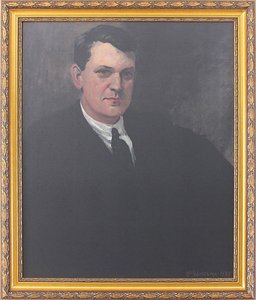
Michel Collichon
1641 - 1694 , France
Informații rapide
- Full Name: Michel Collichon
- Notable Artworks: ['Bass viola da gamba']
- Profession: French viol maker
- Place Of Birth: Paris, France
- Date Of Birth: 1641
- Date Of Death: 1694
Articole conexe

The 25 Most Iconic Artworks of Leonardo da Vinci
Unveil the timeless genius of Leonardo da Vinci. Journey through 25 iconic Renaissance masterpieces, exploring the profound stories and techniques behind each work. Find inspiration for your space with our museum-quality art reproductions. Discover all masterpieces on OriginalUniqueArt.com.
Leonardo da Vinci: Cele Mai Iubite Capodopere – Artă, Istorie și Inspirație pentru Decor
Descoperă cele mai frumoase 25 de capodopere ale lui Leonardo da Vinci! Explorează istoria, tehnicile și semnificația picturilor iconice precum Mona Lisa sau Ultima Cină. Găsește reproduceri de artă de calitate muzeală și idei inspirate pentru decor pe OriginalUniqueArt.com.

25 Masterpieces by Leonardo da Vinci: The Ultimate Guide to a Renaissance Genius
Journey through the genius of Leonardo da Vinci. Explore 25 iconic Renaissance masterpieces, from the Mona Lisa to The Last Supper. Discover the stories and techniques behind these timeless works and find museum-quality art reproductions for your decor. Explore the full collection online.

25 Iconic Masterpieces by Leonardo da Vinci You Need to See
Immerse yourself in the genius of Leonardo da Vinci. From the enigmatic Mona Lisa to The Last Supper, explore 25 timeless Renaissance masterpieces and their profound stories. Find museum-quality art reproductions and decor inspiration at OriginalUniqueArt.com. Discover all masterpieces online.

25 Masterpieces by Leonardo da Vinci: The Ultimate Guide to a Renaissance Genius
Journey through the genius of Leonardo da Vinci. Explore 25 iconic Renaissance masterpieces, from the Mona Lisa to The Last Supper. Discover the stories and techniques behind these timeless works and find museum-quality art reproductions at OriginalUniqueArt.com. Explore the full collection online.