Vezi în context
 Trimite
 Distribuie
 Detalii
 Ghidul

 Descarcă
 Produse similare
 Radiografie
 Diaporama
 Statistici
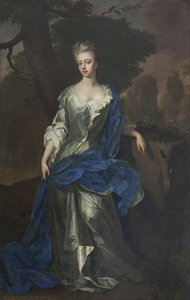
General Philip Honywood
 Acrilic pe pânză întinsă
- Artă de perete
- Baroque
 1700
1700 74.0 x 60.0 cm
 Abbot Hall Art Gallery
 Citește mai mult
Giclée / Imprimare artistică
Printuri giclée sau pe canvas de calitate muzeală, cu proces de producție rapid și opțiuni flexibile de finisare. ( Comandă pictură realizată manual Treci la imagine digitală)




P118B lei10

P118H lei10

P118W lei10

P438Z lei10

P508JH lei12

P508YH lei12

P805H lei10

P805Z lei10

P919BZ lei10

P919G lei10

P919XJ lei10

P959ZH lei10

P968JZ lei12

W106C lei8

W218G lei10

W218JH lei8

W218Y lei10

W307PJ lei10

W316G lei10

W316PJ lei8

W316Y lei10

W398PJ lei8

W4111J lei10

W500HY lei15

W500JH lei15

W692G lei12

W849H lei8

W940BG lei15

W953PJ lei8




Alegeți dintre dimensiunile noastre prestabilite, care respectă proporțiile originale ale operei de artă.

Introduceți lățimea și înălțimea de care aveți nevoie, pentru a se potrivi ramei sau peretelui dumneavoastră. O printare poate fi doar tăiată, niciodată extinsă dincolo de dimensiunea imaginii originale, astfel încât o dimensiune cu o formă diferită va pierde o parte din imagine. Vă trimitem o simulare digitală pentru aprobare înainte de a imprima orice. Imaginea afișată pe această pagină nu prezintă tăierea reală — doar simularea arată acest lucru.
Livrare în întreaga lume () în 2 săptămâni, în loc de cele 4/5 săptămâni standard. (24 Octombrie)

Livrare expres gratuită la nivel mondial

Pânză de in premium

Asigurare completă pentru transport

Garanție de rambursare a taxelor vamale

Garanția fidelității culorilor

Politica de retur în 100 de zile (doar pentru defecte)

Garanție de rambursare 100%

Reducere pentru comenzi multiple
 Opțiunea cu sticlă este disponibilă doar pentru dimensiuni de sub 110 cm

General Philip Honywood
Giclée / Imprimare artistică
Dimensiune reproducere
-


Preț total
lei 371
General Philip Honywood ( ) – A Portrait of Power and Grace
Michael Dahl’s “General Philip Honywood” stands as a testament to the grandeur of Baroque portraiture, capturing not merely likeness but also embodying the spirit of its subject—a prominent figure in British military history. Painted around 1700, this artwork exemplifies Dahl's mastery of technique and his ability to convey aristocratic dignity through meticulous detail. The painting’s serene composition contrasts sharply with the turbulent political landscape of the era, offering a glimpse into the refined sensibilities of the English elite.The Artist: Michael Dahl – A Pioneer of Elegance
Born in Stockholm around 1659, Michael Dahl emerged as one of Sweden's foremost artists during his lifetime. His early training instilled in him a profound understanding of classical ideals and humanist principles—influences that would permeate his subsequent artistic endeavors. Dahl’s journey took him beyond the borders of Sweden, establishing him as a celebrated portraitist in England where he gained renown for his ability to immortalize noblemen and royalty with remarkable accuracy and sensitivity. His dedication to capturing the essence of his subjects cemented his legacy as a pivotal figure in Swedish Baroque art history.A Study in Baroque Composition and Technique
Dahl’s approach to painting is characterized by dramatic chiaroscuro—the skillful manipulation of light and shadow—a hallmark of Baroque aesthetics. Observe how Dahl utilizes subtle gradations of tone to sculpt the face of General Honywood, creating a palpable sense of depth and realism. The artist employs oil paints on canvas with painstaking precision, layering brushstrokes to achieve luminous surfaces and conveying textures that mirror the fabric of Honywood’s attire. This meticulous technique underscores Dahl's commitment to artistic excellence and reflects the prevailing stylistic conventions of his time.Symbolism Within Portraiture: Status and Authority
Beyond mere representation, “General Philip Honywood” communicates profound symbolic meaning. The subject’s regal posture—supported by a sword—immediately signifies military authority and nobility. Furthermore, the scarlet bow tie serves as an emblem of wealth and social distinction, reinforcing Honywood's position within the hierarchy of power. Dahl skillfully integrates these visual cues into the portrait, elevating it beyond a simple likeness to become a statement about status and prestige – a reflection of the values cherished by the aristocratic patrons who commissioned such artworks.A Legacy Enduring Through Reproduction
Today, reproductions of “General Philip Honywood” continue to captivate audiences with their timeless beauty and artistic sophistication. OriginalUniqueArt.com offers exceptional quality prints that allow you to experience Dahl’s masterful artistry firsthand—bringing a piece of Baroque history into your home or office. Explore the artwork's detailed dimensions and discover how it seamlessly blends elegance, symbolism, and technical brilliance.Întrebări și răspunsuri
Cum se combină tehnica și mișcarea în "General Philip Honywood"?
"General Philip Honywood" de Michael Dahl combină tehnica Acrilic pe pânză întinsă cu stilul Baroque. Tehnica și mișcarea descriu modul de execuție și stilul operei.
Ce fel de piesă este "General Philip Honywood"?
"General Philip Honywood" este o piesă de tip Artă de perete.
Unde și în ce scop este recomandată piesa „General Philip Honywood”?
"General Philip Honywood" de Michael Dahl este recomandată pentru Accent de culoare, ideal într-un Living Room. Utilizarea și spațiul împreună oferă îndrumări despre unde se potrivesc o reproducere.
Biografie artist
A Life Bridging Worlds: The Artistic Journey of Michael Dahl
Michael Dahl, a name synonymous with the elegance and sophistication of 18th-century portraiture, was a Swedish artist whose career unfolded across Europe, culminating in his esteemed position as a leading portraitist in England. Born in Stockholm around 1659 – precise dates remain subject to slight variations in historical records – Dahl’s trajectory wasn't confined by national borders but rather defined by an unwavering ambition and a relentless pursuit of artistic mastery. His story is one woven with threads of familial sacrifice, rigorous training under diverse masters, a strategic religious conversion fueled by opportunity, and the astute navigation of complex cultural landscapes. The dedication of his mother, Catarina Dahl, to nurturing his talent formed the bedrock upon which his remarkable career was built, producing paintings celebrated for their aristocratic grace and capturing the essence of those who commissioned them.From Swedish Foundations to Italian Influences
Dahl’s artistic education commenced in Sweden under Martin Hannibal in 1674. Hannibal, a Hungarian-born artist brought to Sweden by David Klöcker Ehrenstrahl, established a portrait academy with the aim of cultivating a new generation of painters. This initial training provided Dahl with fundamental skills – perspective, composition, and an understanding of classical techniques – before he transitioned to study directly under Ehrenstrahl himself. However, Dahl’s aspirations extended far beyond the confines of Stockholm. In 1682, he embarked on an extensive European journey, equipped with a passport that facilitated travel and driven by an insatiable thirst for artistic knowledge. His arrival in London proved pivotal; he entered into the tutelage of Robert White, a skilled engraver and painter who served as a royal portraitist, assisting him with engraving projects – including a captivating portrait of King Charles XI of Sweden. This experience was invaluable, offering practical skills and an introduction to the intricacies of the English art world. Yet, it was his encounter with Godfrey Kneller that truly shaped his understanding of the market dynamics—Kneller imparted not only technical expertise but also the crucial pragmatism required to cater to public demand, a stark contrast to Ehrenstrahl’s more court-focused approach. Dahl's travels continued to Paris and then Rome, where he absorbed the Baroque aesthetic that would become central to his mature style.Rome, Conversion, and Patronage
The exiled Queen Christina of Sweden played a transformative role in Dahl’s career during his time in Rome. Recognizing the potential for influence and access to papal patronage, Dahl strategically converted to Roman Catholicism at her urging. This decision opened doors that would have otherwise remained firmly closed, allowing him to paint portraits of the Queen herself – a portrait now considered one of the most iconic representations of Christina – and present his work before Pope Innocent XI, who bestowed upon him a gold medal as recognition of his burgeoning talent. The conversion, while perhaps strategically motivated, underscores Dahl’s adaptability and willingness to navigate complex social and religious landscapes in pursuit of artistic advancement. It was during this period that he honed his skills further, absorbing the Baroque aesthetic prevalent throughout Italy and developing a distinctive style characterized by dramatic lighting, rich colors, and an emphasis on capturing the psychological depth of his subjects.A Master of English Portraiture
Upon returning to England, Michael Dahl swiftly established himself as a highly sought-after portraitist. He became renowned for his elegant and refined style, capable of capturing not merely the likeness but also the status and personality of his aristocratic sitters. His portraits are distinguished by rich colors, meticulous attention to detail in textures – from velvet robes to delicate lace – and an overall sense of grandeur that reflected the wealth and power of his subjects. He painted numerous prominent figures, including Queen Anne, Prince George of Denmark, and a constellation of members from the English nobility. Notable works include striking portraits of Sir William Carew, John Churchill (1st Duke of Marlborough), and Sir Robert Walpole – each capturing the subject’s character with remarkable insight. Perhaps one of his most impressive achievements is the triple portrait of the 2nd Earl of Burlington, the 1st Duke of Kingston upon Hull, and the 3rd Baron Berkeley of Stratton – a masterful display of his skill in group portraiture, showcasing his ability to balance individual characterization with compositional harmony.Legacy and Historical Significance
Dahl’s artistic style was a compelling synthesis of Swedish, Italian, and English influences. He absorbed the technical foundations from Hannibal and Ehrenstrahl, learned market savvy from Kneller, and benefited immensely from the patronage system he encountered in Rome. His work embodies the Baroque aesthetic prevalent during his time but infused with a uniquely refined sensibility. He influenced subsequent generations of portrait painters with his elegant style and technical proficiency, leaving an enduring mark on English portraiture. Beyond his artistic contributions, Michael Dahl’s success as a Swedish artist flourishing primarily in England highlights the international nature of artistic exchange during the Baroque period. He skillfully navigated different cultural contexts, establishing himself as a leading portraitist whose legacy continues to be admired today. His portraits offer invaluable insights into the lives and appearances of the English aristocracy during the early 18th century, serving as both historical documents and enduring works of art.
Michael Dahl
1658 - 1743 , Suedia
Informații rapide
- Artistic Movement Or Style: Baroc
- Artists Or Movements Influenced By This Artist: ['Pictura de portret din secolul XVIII']
- Artists Who Influenced This Artist:
- Martin Hannibal
- David Ehrenstrahl
- Date Of Birth: 1659
- Date Of Death: 1743
- Full Name: Michael Dahl
- Nationality: Svedez
- Notable Artworks:
- Portret reginei Anne
- Sir William Carew
- Place Of Birth: Stockholm, Suedia
Articole conexe

The Dramatic Flourish: Exploring the Baroque Movement's Enduring Legacy in Art History
Explore the dramatic world of Baroque art! Discover iconic artists like Caravaggio & Rubens, defining techniques, and its lasting impact on art history. Expert insights for collectors & enthusiasts at OriginalUniqueArt.

The Visceral Stage: Exploring Dramatic Narratives & Emotional Intensity in Baroque Art
Explore the dramatic world of Baroque art! Discover iconic masters like Caravaggio & Rembrandt, their techniques, and the movement's lasting impact. Expert insights for collectors & enthusiasts at OriginalUniqueArt.

Baroque Classicism: The Grandeur of Order and Drama in 17th-Century Art History
Explore the profound elegance of Baroque Classicism. Discover how 17th-century masters synthesized dramatic emotion with classical order through the lens of the Counter-Reformation and the works of legends like Carlo Maratta and Andrea Sacchi.

Barocul în Splendoare: Cele Mai Reprezentative 10 Capodopere Artistice | OriginalUniqueArt.ro
Descoperă splendoarea Barocului! Explorează cele mai importante 10 capodopere ale lui Caravaggio, Rembrandt și Rubens. Află poveștile din spatele picturilor iconice și adu eleganța clasică în casa ta cu reproduceri de artă premium pe OriginalUniqueArt.ro

Drama Barocă: Cum să Aduceți Splendoare și Emoție în Interioarele Contemporane
Descoperiți cum să integrați splendoarea stilului baroc în locuința dumneavoastră! Ghid complet cu elemente de design, culori și inspirație pentru interioare luxoase și pline de emoție.