

 Vezi în context
 Trimite
 Distribuie
 Detalii
 Ghidul

 Descarcă
 Produse similare
 Radiografie
 Diaporama
 Statistici
Self Portrait with Kitchen Still LIfe


 Citește mai mult
Giclée / Imprimare artistică
Printuri giclée sau pe canvas de calitate muzeală, cu proces de producție rapid și opțiuni flexibile de finisare. ( Comandă pictură realizată manual Treci la imagine digitală)




P118B lei10

P118H lei10

P118W lei10

P438Z lei10

P508JH lei12

P508YH lei12

P805H lei10

P805Z lei10

P919BZ lei10

P919G lei10

P919XJ lei10

P959ZH lei10

P968JZ lei12

W106C lei8

W218G lei10

W218JH lei8

W218Y lei10

W307PJ lei10

W316G lei10

W316PJ lei8

W316Y lei10

W398PJ lei8

W4111J lei10

W500HY lei15

W500JH lei15

W692G lei12

W849H lei8

W940BG lei15

W953PJ lei8




Alegeți dintre dimensiunile noastre prestabilite, care respectă proporțiile originale ale operei de artă.

Type the width and the height you need, to fit your frame or your wall. A print can only be cut, never made bigger than the picture, so a size with a different shape loses a part of the image. We send you a digital mockup to approve before we print anything. The picture shown on this page does not show the real cut — only the mockup does.
Livrare în întreaga lume () în 2 săptămâni, în loc de cele 4/5 săptămâni standard. (15 Octombrie)

Livrare expres gratuită la nivel mondial

Pânză de in premium

Asigurare completă pentru transport

Garanție de rambursare a taxelor vamale

Garanția fidelității culorilor

Politica de retur în 100 de zile (doar pentru defecte)

Garanție de rambursare 100%

Reducere pentru comenzi multiple
 Opțiunea cu sticlă este disponibilă doar pentru dimensiuni de sub 110 cm

Self Portrait with Kitchen Still LIfe
Giclée / Imprimare artistică
Dimensiune reproducere
-


Preț total
lei 365
A Glimpse into Everyday Brilliance: Max Liebermann's Self Portrait with Kitchen Still Life
To stand before Max Liebermann’s Self Portrait with Kitchen Still Life is not merely to observe a painting; it is to step directly into the vibrant, sun-drenched moments of late nineteenth-century Berlin. Created in 1873, this oil on canvas captures more than just a likeness; it encapsulates the artist's profound belief that true beauty resides within the quotidian—the humble objects and simple acts of daily life. Liebermann, a master whose style gracefully bridged the gap between rigorous realism and the burgeoning spirit of Impressionism, invites us to see the extraordinary woven into the fabric of the ordinary kitchen.
The Artistry of Light and Form
Technically, the painting is a feast for the eye. Liebermann employs bold colors and wonderfully thick brushstrokes that give the entire composition a palpable texture, making one almost smell the fresh earth from the scattered carrots or feel the coolness of the bowl on the left. The play of light across his own face, visible in the self-portrait, is handled with exquisite sensitivity, lending an undeniable sense of immediacy to the scene. He places himself at the heart of this domestic tableau, surrounded by a bounty of vegetables and holding a woven basket brimming with produce. This careful arrangement elevates the still life elements—the vibrant hues of root vegetables against the muted tones of the setting—transforming them from mere foodstuffs into subjects worthy of high art.
Symbolism of Sustenance and Self-Reflection
The inclusion of such abundant, tangible objects speaks volumes about Liebermann's worldview. The kitchen, traditionally a space of nurturing and sustenance, becomes a symbolic stage for the artist’s self-examination. By centering himself amidst this bounty, he suggests that his art, much like the food surrounding him, is deeply rooted in observation, nourishment, and the simple act of gathering beauty from one's immediate surroundings. It is a quiet declaration: that the most profound artistic statements can emerge from the most unassuming corners of existence.
Bringing History Home: Owning a Piece of Impressionist Genius
For those who wish to incorporate this piece of German art history into their own living space, owning a high-quality reproduction is an unparalleled opportunity. These carefully crafted hand-painted reproductions allow admirers and collectors alike to possess the energy and depth of Liebermann’s original vision without the constraints of museum walls. Whether adorning a gallery wall or lending warmth to a dining room, this artwork serves as a constant, vibrant reminder that inspiration waits for us in every corner—in the basket, on the counter, and within ourselves.
Întrebări și răspunsuri
În ce etapă a evoluției lui Max Liebermann se încadrează „Self Portrait with Kitchen Still LIfe”?
În cariera lui Max Liebermann, „Self Portrait with Kitchen Still LIfe” aparține perioadei Early Period. Această etapă facilitează compararea sa cu celelalte opere ale artistului.
Care este luminozitatea percepută a lucrării "Self Portrait with Kitchen Still LIfe" de Max Liebermann?
Luminozitatea percepută a operei "Self Portrait with Kitchen Still LIfe" de Max Liebermann este deep_shadow. Aceasta poate fi adaptată la lumina spațiului în care va fi expusă.
Este disponibil un link de descărcare pentru "Self Portrait with Kitchen Still LIfe"?
Este disponibil un download pentru "Self Portrait with Kitchen Still LIfe": pagina de Descarcă a operei oferă descărcare imagine digitală de înaltă rezoluție.
Biografie artist
A Life Immersed in Light: The World of Max Liebermann
Max Liebermann, o figură emblematică a artei germane de la sfârșitul secolului al XIX-lea și începutul celui de al XX-lea, nu a fost un artist născut în tradiție. Fiind fiul unui om de afaceri evreu din Berlin, viața sa artistică a fost marcată de o explorare continuă, de la studii juridice și filozofice la o pasiune neîngrădită pentru pictură. Deși inițial îndrumat spre carierele respectabile ale dreptului și filosofiei la Universitatea din Berlin, chemarea sa adevărată a răsunat mult mai puternic din pânză decât de pe tronul judecătorească. Această perioadă timpurie de explorare intelectuală a modelat cu siguranță ochiul său observator și abordarea gânditoare în reprezentarea lumii din jurul său. Un salt deliberat – studii în Weimar, Paris și Țările de Jos – a aprins cu adevărat pasiunea sa artistică, expunându-l la stiluri diverse și punând bazele unei cariere definite de captarea momentelor fugare cu o sensibilitate exquisită la lumină și culoare. Liebermann nu picta doar ceea ce vedea; el traducea esența însăși a experienței pe pânză. Lucrările sale timpurii au adesea reprezentat scene din viața de zi cu zi, în special cele ale clasei muncitoare, fiind realizate cu un naturalism care sfida estetica romantică dominantă a vremii. Aceste picturi nu erau menite să fie comentarii sociale, ci mai degrabă portrete onestă și pline de demnitate a existenței umane.Embracing Impressionism in a German Context
Dezvoltarea artistică a lui Liebermann a fost profund influențată de expunerea sa la realismul francez și, în mod crucial, de mișcarea impresionistă. Spiritul lui Édouard Manet – curajul său, respingerea convențiilor academice, concentrarea pe viața contemporană – a rezonat adânc cu Liebermann. Cu toate acestea, el nu a replicat pur și simplu ceea ce vedea în Paris; mai degrabă, a adaptat aceste principii la o sensibilitate germană, creând un impresionism unic. Paleta sa s-a luminat, pensulele sale au devenit mai libere și mai spontane, iar subiecții săi s-au deplasat către scene de agrement burghez și frumusețea liniștită a grădinii sale din apropierea lacului Wannsee. Această grădină, în special, a devenit un motiv recurent pe parcursul carierei sale, oferind un sanctuar față de lumea schimbătoare și o sursă nesfârșită de inspirație pentru explorările sale despre lumină și atmosferă. El nu picta doar flori și frunziș; el captura sentimentul verii, căldura soarelui, briza ușoară șuierând printre frunze. Dincolo de peisaje, Liebermann s-a stabilit ca un portretist solicitat, realizând peste 200 de lucrări comandate, inclusiv reprezentări iconice ale unor figuri precum Albert Einstein și Paul von Hindenburg. Aceste portrete nu erau simple semblante; ele erau studii perspicace ale caracterului, dezvăluind viețile interioare ale subiecților săi prin gesturi și expresii subtile.A Champion of Artistic Freedom
Liebermann nu era mulțumit doar să picteze; el a pledat activ pentru inovația artistică și independența. Recunoscând constrângerile sufocante impuse de instituția de artă tradițională, el a devenit o forță motrice din spatele Secesiunii Berlineză din 1898, conducând acest grup avantgardist timp de peste un deceniu. Secesiunea a pus în discuție normele convenționale, oferind o platformă artiștilor care lucrau în afara limitelor tradiției academice. Acest angajament față de libertatea artistică s-a extins dincolo de propria sa muncă; Liebermann credea cu tărie că arta ar trebui să fie liberă să exploreze viziunea sa fără interferențe din partea presiunilor politice sau ideologice. Alegerea sa în Academia Prusacă de Arte în 1909 și președinția sa ulterioară în 1920 au fost mărturii ale influenței sale crescânde în lumea artei germane, dar aceste poziții i-au adus, de asemenea, față cu fața cu valul tot mai mare de antisemitism și naționalism care ar amenința în cele din urmă munca sa.Shadows of a Changing World: Legacy and Resilience
Ascensiunea Nazismului a aruncat o umbră întunecată asupra anilor târziu ai lui Liebermann. Poziția sa principială împotriva discriminării a dus la demisia sa din Academia Prusacă în 1933, un act curajos care a semnalat refuzul său de a compromite valorile sale. În ciuda persecuțiilor tot mai mari, el a continuat să picteze, găsind consolare și scop în arta sa. A murit la Berlin în 1935, lăsând în urmă un bogat moștenire de picturi, gravuri și o dedicare profundă a libertății artistice. Soția sa, Martha, s-a sinucis tragic în 1943 pentru a evita deportarea, un testament tulburător al ororilor Holocaustului. În anii următori războiului, opera lui Liebermann a fost parțial ignorată, dar în ultimele decenii există o apreciere sporită a contribuțiilor sale la istoria impresionismului german și modernă. Astăzi, el este amintit nu numai ca un pictor strălucit, ci și ca un avocat curajos pentru exprimarea artistică și un simbol al rezistenței împotriva tiraniei. Pânzele sale continuă să captiveze privitorii cu frumusețea lor luminoasă, observații perspicace și umanitate durabilă.Key Achievements & Lasting Influence
- "The Twelve-Year-Old Jesus in the Temple": Această lucrare timpurie a stârnit dezbateri considerabile din cauza reprezentării sale neconvenționale a lui Iisus, provocând iconografia religioasă tradițională.
- Leadership of the Berlin Secession: Rolul său decisiv în conducerea acestui grup avantgardist a pus în discuție normele artistice și a deschis calea pentru arta modernă în Germania.
- Presidency of the Prussian Academy of Arts: O recunoaștere semnificativă a meritelor sale artistice, deși compromisă de ascensiunea Nazismului.
- Masterful Portraiture: Abilitatea sa de a captura esența subiecților săi în peste 200 de portrete comandate a consolidat reputația sa ca pictor de renume.
- Influence on German Impressionism: Liebermann a tradus cu succes principiile impresionismului într-un context german unic, inspirând generații de artiști.

Max Liebermann
1847 - 1935 , Germania
Informații rapide
- Artistic Movement Or Style: Impressionism German
- Artists Or Movements Influenced By This Artist: ['Secesiunea Berlină']
- Artists Who Influenced This Artist: ['Édouard Manet']
- Date Of Birth: 20 iulie 1847
- Date Of Death: 8 februarie 1935
- Full Name: Max Liebermann
- Nationality: German
- Notable Artworks:
- Iisus cu 12 ani în templu
- Grădina lui Wannsee
- Place Of Birth: Berlin, Germania
Articole conexe
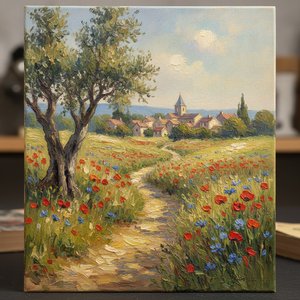
The Timeless Beauty of Oil on Panel: Capturing Light and Texture through the Impressionist Lens
Discover the exquisite depth of oil on panel. Explore how Impressionist masters captured light and texture through tactile brushwork, and learn how to bring these museum-quality, hand-painted masterpieces into your home with expert curation.

Oil on Board: A Historical Survey of Technique, Aesthetic Qualities & Enduring Appeal
Explore the rich history of oil on board painting! Discover techniques, aesthetic qualities & enduring appeal from early masters to modern practice. Expert insights for collectors and art enthusiasts.

Oil on Canvas: A Historical & Technical Exploration of a Timeless Artistic Medium
Explore the rich history & enduring techniques of oil painting on canvas. Discover the science behind its longevity, conservation practices, and contemporary relevance. Expert insights for art enthusiasts.

The Soul of Impressionism: Why Oil on Canvas Captures Eternal Light and Timeless Emotion
Discover the enchanting alchemy of Impressionism. Explore how the mastery of oil on canvas, through glazing and impasto, captures eternal light and emotion. Perfect for lovers of Monet and Van Gogh seeking the profound depth of hand-painted fine art.

The Enduring Legacy of Oil on Canvas: Technique, History & Aesthetic Impact
Explore the rich history & techniques of oil painting – from Renaissance masters to Impressionism. Discover pigments, layering methods, and why this timeless medium endures. Expert insights for artists & art enthusiasts.


