Meniu
Text size

() ·

A painting made for you, by hand

Le Petite Tortue

Reproducere pictată manual în ulei

Pictură în ulei pe pânză, pictată manual de artiștii noștri la dimensiunea și ramele dorite de dumneavoastră, pe comandă. ( Comută pe versiunea Print Comută pe Imagine Digitală)

Descriere obiect de colecție

Discover "Le Petite Tortue" by Max Ernst – a striking abstract marble sculpture embodying minimalist design & surrealist themes. Explore this unique piece's geometric forms & polished sheen.

Biografie artist

Descoperă universul suprarealist al lui Max Ernst (1891-1976)! Pionier Dada și maestru tehnici inovatoare precum frottajele și colajele, explorând psihicul prin opere simbolice și misterioase. #MaxErnst #Surrealism #Dada

from ·

Chapter 1

How large should it be?

Slide to change the size; the picture on the left shows the frame at its real width. The proportions of the original are kept.

Standard
personalizat
CM
INCH

Alegeți dintre dimensiunile noastre prestabilite, care respectă proporțiile originale ale operei de artă.

lățime
înălțime

Introduceți lățimea și înălțimea necesare pentru a se potrivi ramei sau peretelui dumneavoastră. Această lucrare este pictată manual, așa că, pentru o dimensiune cu o formă diferită, artistul poate picta puțin mai mult în jurul imaginii sau poate tăia puțin din margini — dumneavoastră decideți. Vă vom trimite o simulare digitală pentru aprobare înainte de a începe pictarea. Imaginea afișată pe această pagină nu reprezintă rezultatul real — doar simularea este reprezentativă.

Chapter 2

How should it arrive?

Choose the edges of the stretched canvas

Choose your frame

Corner sample of the WhiteWrap canvas edge finish, stretched on lemn masiv bars
White lei1
Corner sample of the BlurSideWrap canvas edge finish, stretched on lemn masiv bars
Blurside lei1
Corner sample of the ExtendedWrap canvas edge finish, stretched on lemn masiv bars
Extended lei1
Corner sample of the P118B picture frame: polistiren turnat, 5 cm wide and 3 cm thick
P118B lei10
Corner sample of the P118H picture frame: polistiren turnat, 5 cm wide and 3 cm thick
P118H lei10
Corner sample of the P118W picture frame: polistiren turnat, 5 cm wide and 3 cm thick
P118W lei10
Corner sample of the P438Z picture frame: polistiren turnat, 5.5 cm wide and 3.5 cm thick
P438Z lei10
Corner sample of the P508JH picture frame: polistiren turnat, 7 cm wide and 3.5 cm thick
P508JH lei12
Corner sample of the P508YH picture frame: polistiren turnat, 7 cm wide and 3.5 cm thick
P508YH lei12
Corner sample of the P805H picture frame: polistiren turnat, 5 cm wide and 3.5 cm thick
P805H lei10
Corner sample of the P805Z picture frame: polistiren turnat, 5 cm wide and 3.5 cm thick
P805Z lei10
Corner sample of the P919BZ picture frame: polistiren turnat, 7 cm wide and 3.5 cm thick
P919BZ lei10
Corner sample of the P919G picture frame: polistiren turnat, 7 cm wide and 3.5 cm thick
P919G lei10
Corner sample of the P919XJ picture frame: polistiren turnat, 7 cm wide and 3.5 cm thick
P919XJ lei10
Corner sample of the P959ZH picture frame: polistiren turnat, 5 cm wide and 3 cm thick
P959ZH lei10
Corner sample of the P968JZ picture frame: polistiren turnat, 6 cm wide and 4 cm thick
P968JZ lei12
Corner sample of the W106C picture frame: lemn masiv, 5 cm wide and 3 cm thick
W106C lei8
Corner sample of the W218G picture frame: lemn masiv, 5 cm wide and 3 cm thick
W218G lei10
Corner sample of the W218JH picture frame: lemn masiv, 5 cm wide and 3 cm thick
W218JH lei8
Corner sample of the W218Y picture frame: lemn masiv, 5 cm wide and 3 cm thick
W218Y lei10
Corner sample of the W307PJ picture frame: lemn masiv, 6 cm wide and 3 cm thick
W307PJ lei10
Corner sample of the W316G picture frame: lemn masiv, 6 cm wide and 3 cm thick
W316G lei10
Corner sample of the W316PJ picture frame: lemn masiv, 6 cm wide and 3 cm thick
W316PJ lei8
Corner sample of the W316Y picture frame: lemn masiv, 6 cm wide and 3 cm thick
W316Y lei10
Corner sample of the W398PJ picture frame: lemn masiv, 5 cm wide and 3 cm thick
W398PJ lei8
Corner sample of the W4111J picture frame: lemn masiv, 6.5 cm wide and 3.5 cm thick
W4111J lei10
Corner sample of the W500HY picture frame: lemn masiv, 7 cm wide and 5 cm thick
W500HY lei15
Corner sample of the W500JH picture frame: lemn masiv, 7 cm wide and 5 cm thick
W500JH lei15
Corner sample of the W692G picture frame: lemn masiv, 8 cm wide and 4 cm thick
W692G lei12
Corner sample of the W849H picture frame: lemn masiv, 5 cm wide and 3 cm thick
W849H lei8
Corner sample of the W940BG picture frame: lemn masiv, 7.5 cm wide and 4.5 cm thick
W940BG lei15
Corner sample of the W953PJ picture frame: lemn masiv, 6 cm wide and 3.5 cm thick
W953PJ lei8
Corner sample of the H24-GOLD picture frame: lemn sculptat cu gesso, 10 cm wide and 6 cm thick
H24-GOLD lei30
Corner sample of the H24-SILVER picture frame: lemn sculptat cu gesso, 10 cm wide and 6 cm thick
H24-SILVER lei30
Corner sample of the H36-GOLD picture frame: lemn sculptat cu gesso, 15 cm wide and 6.5 cm thick
H36-GOLD lei45
Corner sample of the H36-SILVER picture frame: lemn sculptat cu gesso, 15 cm wide and 6.5 cm thick
H36-SILVER lei45

Moulding: . Overall size with the frame: .

Chapter 3

Who paints it, and should anything change?

Examples of what can be changed: Replace face with customer photo; Add pet (e.g., replace cat with dog); Include hidden message in background; Change background landscape or elements.
After order, OriginalUniqueArt.com team will email client for instructions and provide a mockup preview

Livrare în întreaga lume () în 3-4 săptămâni, în loc de cele 5 săptămâni standard. (30 Octombrie). Fără compromisuri în ceea ce privește calitatea.

Chapter 4

The finishing touches

A nameplate, as in a museum?

Detalii plăcuță din bronz gravat

This elegant plaque features the artist's name and the title of the artwork, finely engraved for a timeless presentation.

It is made from bronze with a refined, elegant finish. The text is precisely laser-engraved for a sharp and permanent result. Measuring 9x2 cm, the plaque is compact yet easy to read. It's built to be durable and scratch-resistant, offering a professional, museum-quality look. Mounting is simple thanks to the included adhesive backing.

Detalii plăcuță din acril transparent

The plaque includes essential engraved details such as the artist's name, the title of the artwork, the date it was created, the type of media used-like oil on canvas or watercolor-a brief description of the piece, and a QR code that links to the complete artwork information.

It is crafted from clear acrylic, offering a sleek, modern appearance. The text is UV-engraved in black to ensure strong visual contrast. With a size of 10x15 cm, it ensures optimal readability. It comes equipped with two metal hooks for secure wall mounting. The plaque is designed to be weather-resistant, making it suitable for various environments, and it includes interactive features that work seamlessly with smartphone scanning.

Detalii placă din acril negru

This elegant plaque includes engraved information such as the artist's name, the title of the artwork, the date it was created, the type of media used (like oil on canvas or watercolor), a short description of the artwork, and a QR code for quick access to more information.

The plaque itself is made from refined black acrylic with a premium finish. The text is laser-engraved in white for high contrast and readability. Its size is 10x15 cm, designed to be easy to read. It comes with two metal hooks for professional mounting. The design is sleek and fits any interior style. It is also weather-resistant and durable, with built-in digital integration for mobile compatibility.

A protective varnish?

When do you need it?

Chapter 5

Your painting, as you ordered it

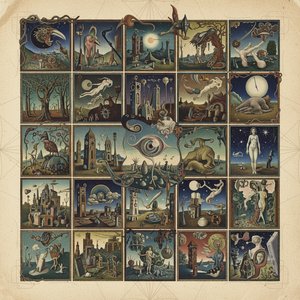
Le Petite Tortue

Tehnică de reproducere

Dimensiune reproducere

-

Selecție de artiști de elită

Mai multe detalii, rafinament și timp suplimentar de execuție

-

Ramă pentru reproducere artistică

-

-

Pentru opere de artă sau reproduceri care depășesc 105 cm (aproximativ 41 de inch) pe oricare dintre laturi, cadrul va fi livrat demontat, sub formă de kit. Această metodă asigură o livrare sigură și previne deteriorarea în timpul transportului.

Este necesară asamblarea profesională – acest produs nu este de tip DIY (de făcut singur).
Kitul trebuie asamblat, iar pânza întinsă, de către un legător de cadre experimentat, utilizând adeziv pentru lemn (neinclus în colet), o cheie pentru întinderea pânzei și cleme pentru a menține barele la unghi drept în timp ce adezivul se usucă. Asamblarea incorectă sau tensiunea neuniformă a pânzei pot deteriora permanent opera de artă și nu sunt acoperite de garanția noastră.

  • Toate barele din lemn masiv sunt incluse, tăiate cu precizie la dimensiunea necesară.

  • Asamblat cu șuruburile incluse, plus adeziv pentru lemn pentru îmbinările de colț, care nu este furnizat și trebuie achiziționat de către tâmplarul dumneavoastră.

  • Sunt necesare unelte profesionale care nu sunt incluse: o șipte de întindere a pânzei (tensionator) și cleme pentru a menține barele la unghi drept în timp ce adezivul se usucă.

Important:
Îmbinările de colț necesită adeziv pentru lemn, barele trebuie fixate cu clești de strângere până când adezivul este complet uscat, iar întinderea pânzei pe cadrul asamblat necesită un clește pentru întins pânza. Niciunul dintre aceste elemente nu este inclus în kit. Vă rugăm să consultați un încadrator profesionist cu experiență înainte de a comanda această dimensiune.

Etichetă de prezentare

-

-

Lac de protecție

Lac lucios (intensifică nuanțele și oferă protecție împotriva luminii și a umidității)

-

Personalizează opera mea de artă

Exemple de elemente ce pot fi personalizate: Înlocuirea feței cu fotografia clientului; Adăugarea unui animal de companie (de exemplu, înlocuirea unei pisici cu un câine); Includerea unui mesaj ascuns în fundal; Modificarea peisajului sau a elementelor din fundal.

-

Livrare rapidă

Livrare la nivel mondial () în 3-4 săptămâni, în loc de cele 5 săptămâni standard. (30 Octombrie). Fără compromisuri când vine vorba de calitate.

-

Livrare rapidă

Livrare la nivel mondial () în 5 săptămâni. (6 Noiembrie).

Inclus

Preț total calculat

lei 1408

Preț total lei 1408

Opțiunea cu sticlă este disponibilă doar pentru dimensiuni de sub 110 cm

Included with every order

  • Livrare expres gratuită la nivel mondial
  • Pânză de in de înaltă calitate
  • Asigurare completă pentru transport
  • Garanție de rambursare a taxelor vamale
  • Garanția fidelității culorilor
  • Politica de retur în 100 de zile (doar pentru defecte de fabricație)
  • Garanție de rambursare 100%
  • Ofertă pentru comenzi multiple

The Sculptural Essence of Le Petite Tortue

Max Ernst’s Le Petite Tortue, a deceptively simple yet profoundly evocative marble sculpture, stands as a testament to the artist's mastery of geometric abstraction and his deep engagement with surrealist principles. Completed in 1967, this work transcends mere form, inviting contemplation on balance, stability, and the subtle interplay between order and chaos. The piece isn’t about representation; it’s an exploration of spatial relationships, light, and shadow—a carefully constructed meditation rendered in the cool, enduring beauty of polished black marble.

The sculpture's core is a vertically oriented composition built upon three interconnected forms. A substantial base, meticulously carved, provides support for a smaller, inverted bowl-like structure. This, in turn, cradles an even more delicate, pointed element that culminates at the apex. The surfaces are treated to a high sheen, reflecting light with an almost disconcerting intensity – highlights dance across the planes of each component, emphasizing their sharp edges and creating a dynamic interplay between form and illumination. The deliberate use of negative space is as crucial as the solid mass; it’s within these voids that the sculpture truly breathes, suggesting an underlying tension and inviting the viewer to complete the image with their own perception.

A Legacy Forged in Experimentation

Max Ernst was a restless spirit, a pioneer who relentlessly challenged artistic conventions throughout his career. Born in Brühl, Germany, in 1891, he rejected formal training, instead forging his path through philosophical inquiry and a deep fascination with the subconscious. His early work, heavily influenced by Dadaism and Expressionism, quickly evolved into a distinctive style characterized by collage, frottage (a technique of rubbing pencil over textured surfaces), and a willingness to embrace the unexpected. Ernst’s intellectual pursuits—ranging from psychology and psychiatry to literature and art history—fueled his artistic experimentation, leading him to develop groundbreaking methods for manipulating materials and creating images that seemed to emerge from dreams.

The period surrounding Le Petite Tortue saw Ernst increasingly focused on minimalist forms and geometric abstraction. This shift reflects a broader trend in mid-century design, emphasizing clarity, simplicity, and the inherent beauty of form. However, Ernst’s work retains a distinctly surrealist sensibility—a subtle suggestion of the uncanny, a hint of hidden meaning beneath the surface. The sculpture's stark geometry and polished surfaces evoke a sense of detachment, while its carefully balanced composition hints at an underlying harmony.

Symbolism and Emotional Resonance

While Le Petite Tortue eschews overt representation, it’s rich in symbolic potential. The tortoise itself is a potent image—a symbol of longevity, wisdom, and perseverance. Its inclusion here suggests a contemplation on the passage of time, perhaps even an invitation to slow down and appreciate the present moment. The geometric forms – circles, cones, and planes – represent order and structure, while the negative space creates a sense of openness and possibility. The polished marble, with its reflective surface, could be interpreted as mirroring the viewer’s own perception—a reminder that art is not simply observed but actively engaged with.

Furthermore, the sculpture's minimalist aesthetic aligns with a broader cultural shift towards simplicity and restraint in the mid-20th century. It speaks to a desire for clarity and reduction, stripping away extraneous details to reveal the essential form. Yet, despite its apparent austerity, Le Petite Tortue possesses a remarkable emotional resonance—a quiet dignity and an enduring sense of beauty that transcends its purely formal qualities.

A Reproduction Worthy of Display

OriginalUniqueArt offers meticulously hand-painted reproductions of Max Ernst’s Le Petite Tortue, capturing the sculpture's essence with unparalleled detail and fidelity. Each reproduction is created by skilled artisans who understand the nuances of Ernst’s technique and his artistic vision. Whether you seek a striking centerpiece for your modern living room or a contemplative addition to your art collection, our reproductions provide an authentic and accessible way to experience this iconic work of art. Explore our selection today and bring the timeless beauty of Le Petite Tortue into your space.

Întrebări și răspunsuri

În ce etapă a evoluției lui Max Ernst se încadrează „Le Petite Tortue”?

"Le Petite Tortue" reprezintă perioada Mature Period a lui Max Ernst.

"Le Petite Tortue" de Max Ernst este o operă de artă luminoasă sau întunecată?

Valorile înregistrate pentru "Le Petite Tortue" de Max Ernst sunt: luminozitate de balanced, luminanță de Gentle Luminance.

Ce culoare domină compoziția lucrării "Le Petite Tortue" de Max Ernst?

Espresso (#525253) este culoarea dominantă a operei "Le Petite Tortue" de Max Ernst.

More about this painting

Comută pe versiunea Print Comută pe Imagine Digitală Trimite prin felicitare
Detalii despre lucrare Ghid Adaugă la favorite Descarcă imaginea Produse similare Galerie foto Q&A Statistici

In numbers

  • 29frames to choose from
  • standard sizes, in its own proportions
  • 5weeks to paint and deliver it

About the original

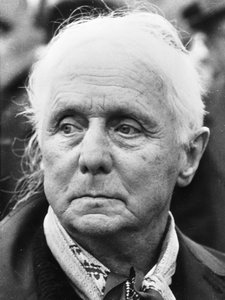
Max Ernst

Max Ernst

1891 - 1976, Germania

Quick facts about Max Ernst

  • Artistic Movement Or Style: Dada, Surrealism
  • Artists Or Movements Influenced By This Artist:
    • Surrealism
    • Dada
  • Artists Who Influenced This Artist:
    • Picasso
    • Van Gogh
    • Gauguin
  • Date Of Birth: 1 aprilie 1891
  • Date Of Death: 1 aprilie 1976
  • Full Name: Max Ernst
  • Nationality: German-American, Francez
  • Notable Artworks:
    • Oraș întreg
    • Euclides
    • Ofrenda funeraria
  • Place Of Birth: Brühl, Germania

Biografie artist

A Life Immersed in the Surreal

Max Ernst, născut Maximilian Maria Ernst pe 1 aprilie 1891 în Brühl, Germania, a fost o forță vie și rebelă, destinată să devină una dintre figurile cele mai importante ale artei secolului XX. Călătoria sa nu a fost una convențională, marcată de instruire artistică tradițională; ci mai degrabă o explorare auto-dirijată, alimentată de interese filosofice, fascinație psihologică și un dezgust profund față de normele societății. Tatăl său, profesor de surzi și pictor amator, l-a învățat pe tânăr atât sensibilitatea la lume, cât și o atitudine de neînfrânare față de autoritatea stabilită. Această dualitate timpurie a devenit un element definitoriu al viziunii sale artistice.

Studenția lui Ernst la Universitatea din Bonn – cuprinzând filosofia, istoria artei, literatura, psihologia și psihiatria – nu au fost simple distracții, ci elemente fundamentale care au influențat profund opera sa ulterioară. El nu era interesat doar de *cum* să picteze; se confrunta cu *de ce*. Această curiozitate intelectuală l-a condus la a întâlni operele revoluționare ale lui Picasso, Van Gogh și Gauguin la expoziția Sonderbund din Köln în 1912, un moment care a schimbat irevocabil traiectoria sa artistică. Semințele modernismului au fost semănate.

Dada’s Disruption and the Birth of Surrealist Visions

Cataclismul Primului Război Mondial a reprezentat o răscolare pentru Ernst. Experiențele sale ca soldat pe fronturile de est și vest l-au zguduit profund, cultivând un scepticism față de ordinea stabilită și o dorință de noi forme de expresie. Această deziluzie a găsit teren fertil în mișcarea Dada, pe care a îmbrățișat-o cu ardoare după întoarcerea sa la Köln în 1918. Alături de Hans Arp – un prieten de-a lungul vieții și colaborator – Ernst a devenit o figură centrală în grupul Dada din Köln, respingând convențiile artistice tradiționale și îmbrățișând absurdul, șansa și anti-raționalitatea.

Cu toate acestea, Dada a fost doar un punct de plecare. În anii 1920, Ernst s-a mutat la Paris și s-a alăturat cercului Surrealist, condus de André Breton. Aceasta a marcat o schimbare către explorarea domeniului viselor, a minții subconștiente și a iraționalității. Influțat de teoriile psicoanalitice ale lui Sigmund Freud, Ernst căuta să dezvăluie adâncurile ascunse ale experienței umane prin arta sa. El nu era interesat să reprezinte realitatea așa cum se prezintă, ci mai degrabă să dezvăluie forțele psihologice subiacente care o modelează.

Pioneering Techniques: Frottage, Grattage, and Collage

Inovația artistică a lui Ernst nu s-a limitat la subiecte; el a fost un experimentator neobosit cu tehnici. Nu a adoptat pur și simplu metode existente—le-a inventat pe altele. Poate cea mai faimoasă contribuție a sa este frottage, o tehnică de frecare a creionului sau a carbonului peste suprafețe texturate pentru a crea imagini neașteptate și evocatoare. Această tehnică, născută dintr-un moment de plictiseală în timp ce observați lemnul, i-a permis lui Ernst să acceseze subconștientul și să genereze forme care sfidau controlul conștient. Aproape legată de aceasta este grattage, unde vopseaua este zgâriată peste pânză, dezvăluind straturile inferioare.

De asemenea, a folosit cu măiestrie collage, asamblând elemente disparate – imagini din reviste, ilustrații științifice, fotografii – în compoziții suprareale care au pus sub semnul întrebării concepțiile convenționale despre reprezentare. Aceste tehnici nu au fost doar alegeri stilistice—au fost integrale explorării sale a subconștientului și dorinței sale de a contesta granițele artistice tradiționale. Picturile sale prezintă adesea imagini simbolice recurente: păsări (alter ego-ul său, Loplop), peisaje pustii, juxtapoziții tulburătoare și un sentiment peren de mister.

A Legacy of Innovation and Influence

Erupția celui de-al Doilea Război Mondial a forțat-o pe Ernst să fugă din Europa, refugiindu-se în Statele Unite. A continuat să picteze și să experimenteze cu noi tehnici pe tot parcursul exilului său, întorcându-se în Franța după război unde a rămas activ până la moartea sa pe 1 aprilie 1976, în Paris.

Influența lui Max Ernst asupra generațiilor ulterioare de artiști este imensă. El a provocat normele artistice, a adâncit adâncurile minții subconștiente și a inventat tehnici inovatoare care continuă să inspire artiștii astăzi. Nu a fost doar un pictor—a fost un explorator, un provocator și o viziune care au extins granițele artei în sine.

  • Opere majore: The Entire City, Euclides, Of This Men Shall Know Nothing, Forest and Dove
  • Influențe: Pablo Picasso, Vincent van Gogh, Paul Gauguin, Sigmund Freud, Giorgio de Chirico
  • Mișcări: Dada, Surrealism

Informații rapide

  • Location: Private Collection
  • Notable elements: Geometric forms, Polished sheen
  • Movement: Surrealism, Dada
  • Artistic style: Minimalist, Abstract
  • Artist: Max Ernst

Test de cunoștințe despre artă

Fiecare întrebare are un singur răspuns corect.

Întrebare 1:
What is the primary material used in Max Ernst’s ‘Le Petite Tortue’?
Întrebare 2:
Which artistic movement is most closely associated with Max Ernst's ‘Le Petite Tortue’?
Întrebare 3:
The sculpture utilizes a subtractive carving technique. What does this primarily refer to?
Întrebare 4:
What is the dominant lighting effect in the image, contributing to the sculpture's three-dimensional appearance?
Întrebare 5:
Considering Max Ernst’s broader artistic practice, what is a recurring motif often found in his work?