
 Previzualizare
 Trimite prin felicitare
 Distribuie
 Detalii despre lucrare
 Ghid
Ghid

 Descarcă imaginea
 Produse similare
 Radiografie
 Galerie foto
 Întrebări și răspunsuri
 Statistici
It's a Highway to Heaven


 Vezi mai mult
Lucrarea de artă afișată pe această pagină este protejată de legile privind drepturile de autor, ceea ce înseamnă că nu putem crea sau vinde în mod legal o reproducere identică. Această protecție este garantată prin acorduri internaționale, precum Convenția de la Berna și de legile naționale, inclusiv cele prevăzute de Legea dreptului de autor din S.U.A. – Titlul 17. Toate drepturile rezervate. Orice reproducere neautorizată este interzisă.
Această metodă respectă pe deplin reglementările privind drepturile de autor, deoarece nu implică copierea sau duplicarea operei protejate. În schimb, este o reinterpretare creativă – o pictură nouă, influențată de original, dar care nu este identică cu acesta.
Giclée / Imprimare artistică
Printuri giclée sau pe canvas de calitate muzeală, cu proces de producție rapid și opțiuni flexibile de finisare. ( Comandă pictură realizată manual Comută pe Imagine Digitală)




P118B lei10

P118H lei10

P118W lei10

P438Z lei10

P508JH lei12

P508YH lei12

P805H lei10

P805Z lei10

P919BZ lei10

P919G lei10

P919XJ lei10

P959ZH lei10

P968JZ lei12

W106C lei8

W218G lei10

W218JH lei8

W218Y lei10

W307PJ lei10

W316G lei10

W316PJ lei8

W316Y lei10

W398PJ lei8

W4111J lei10

W500HY lei15

W500JH lei15

W692G lei12

W849H lei8

W940BG lei15

W953PJ lei8




Alegeți dintre dimensiunile noastre prestabilite, care respectă proporțiile originale ale operei de artă.

Introduceți lățimea și înălțimea necesare pentru a se potrivi ramei sau peretelui dumneavoastră. O printare poate fi doar tăiată, niciodată extinsă dincolo de dimensiunea imaginii originale, astfel încât o dimensiune cu o formă diferită va pierde o parte din imagine. Vă trimitem o simulare digitală pentru aprobare înainte de a imprima orice. Imaginea afișată pe această pagină nu prezintă tăierea reală — doar simularea arată acest lucru.
Livrare în întreaga lume () în 2 săptămâni, în loc de cele 4/5 săptămâni standard. (8 Noiembrie)

Livrare expres gratuită la nivel mondial

Pânză de in de înaltă calitate

Asigurare completă pentru transport

Garanție de rambursare a taxelor vamale

Garanția fidelității culorilor

Politica de retur în 100 de zile (doar pentru defecte de fabricație)

Garanție de rambursare 100%

Ofertă pentru comenzi multiple
 Opțiunea cu sticlă este disponibilă doar pentru dimensiuni de sub 110 cm

It's a Highway to Heaven
Giclée / Imprimare artistică
Dimensiune reproducere
-


Preț total calculat
lei 386
A Kaleidoscope of Identity: The Surreal Vision of Max Ernst
To gaze upon "It's a Highway to Heaven" is to step through a portal where the boundaries of the self begin to dissolve. In this arresting masterpiece, Max Ernst presents us with a visual paradox that defies the logic of the waking world. At first glance, the viewer is confronted by a single, monumental figure, yet upon closer inspection, this central presence is revealed to be a complex tapestry of superimposed faces. This is not merely a portrait in the traditional sense; it is a profound exploration of fragmentation and introspection. Each overlapping visage acts as a layer of memory, a whisper of a dream, or a fragment of a subconscious thought, creating a mesmerizing rhythm of identity that pulls the observer into a deep psychological labyrinth.
The artwork serves as a quintessential exemplar of Surrealism, a movement that sought to liberate the human imagination from the suffocating constraints of rationalism. Ernst, a pioneer who emerged from the ashes of the Dada movement, masterfully employs dreamlike imagery juxtaposed with sharp, observational detail. The composition vibrates with an unsettling yet sublime energy, inviting those who view it—whether as collectors of fine art or designers of evocative spaces—to contemplate the layers that constitute our own existence. It is a piece that does not merely sit upon a wall; it breathes, challenging the viewer to look beyond the surface of reality.
Technique and the Alchemy of Texture
The physical creation of this work reflects Ernst’s restless, experimental spirit. Eschewing the rigid academicism of his era, he utilized a sophisticated mixed-media approach that bridges the gap between painting and collage. By meticulously combining oil paints with paper fragments and printed elements, Ernst achieved a tactile complexity that is rare in traditional canvas works. This technique allows for a stunning interplay of textures, where smooth transitions of color meet the raw, disrupted edges of collage. The result is a rich, multidimensional surface that catches the light and demands physical presence.
This layering process is central to the painting's emotional resonance. As colors are built up and textures are scraped or superimposed, a sense of depth is created that mirrors the complexity of the human psyche. For the interior designer, this provides an incredible opportunity for visual depth within a room; the artwork functions as a focal point that offers new discoveries with every glance, making it an ideal centerpiece for a sophisticated, contemporary gallery or a thoughtfully curated study.
Symbolism and the Flight of the Soul
Beyond its striking aesthetic, "It's a Highway to Heaven" is steeped in profound symbolism. The multitude of faces serves as a poignant metaphor for the multifaceted nature of human experience—the way we are composed of our anxieties, our triumphs, and our many different roles throughout life. Amidst this sea of identities, Ernst introduces the motif of birds, which drift through the composition like wandering thoughts. These avian figures represent freedom, aspiration, and the ultimate transcendence of the spirit. They act as guides, leading the viewer away from the heavy, fragmented earth toward a higher state of consciousness.
Born from the historical anxieties of the post-World War I era, the painting reflects a period when the foundations of European society were being radically redefined. It captures that specific tension between the trauma of the past and the soaring hope for a new, liberated way of seeing. To own a reproduction of this work is to possess a piece of art history that speaks to the enduring human search for meaning amidst chaos. It is an invitation to embrace the irrational beauty of the universe and to find transcendence within the beautiful complexity of our own fragmented souls.
Întrebări și răspunsuri
Care este nuanța dominantă în "It's a Highway to Heaven" de Max Ernst?
Culoarea dominantă a operei "It's a Highway to Heaven" de Max Ernst este Green to Violet Spectrum. Această nuanță constituie tonul de bază al paletei cromatice.
"It's a Highway to Heaven" de Max Ernst este o compoziție de tip portret, peisaj sau pătrată?
"It's a Highway to Heaven" de Max Ernst are un format Portrait. Formatul descrie proporțiile compoziției.
Este "It's a Highway to Heaven" în domeniul public?
În ceea ce privește drepturile de autor, "It's a Highway to Heaven" este încă protejată de drepturile de autor.
Biografie artist
A Life Immersed in the Surreal
Max Ernst, născut Maximilian Maria Ernst pe 1 aprilie 1891 în Brühl, Germania, a fost o forță vie și rebelă, destinată să devină una dintre figurile cele mai importante ale artei secolului XX. Călătoria sa nu a fost una convențională, marcată de instruire artistică tradițională; ci mai degrabă o explorare auto-dirijată, alimentată de interese filosofice, fascinație psihologică și un dezgust profund față de normele societății. Tatăl său, profesor de surzi și pictor amator, l-a învățat pe tânăr atât sensibilitatea la lume, cât și o atitudine de neînfrânare față de autoritatea stabilită. Această dualitate timpurie a devenit un element definitoriu al viziunii sale artistice.
Studenția lui Ernst la Universitatea din Bonn – cuprinzând filosofia, istoria artei, literatura, psihologia și psihiatria – nu au fost simple distracții, ci elemente fundamentale care au influențat profund opera sa ulterioară. El nu era interesat doar de *cum* să picteze; se confrunta cu *de ce*. Această curiozitate intelectuală l-a condus la a întâlni operele revoluționare ale lui Picasso, Van Gogh și Gauguin la expoziția Sonderbund din Köln în 1912, un moment care a schimbat irevocabil traiectoria sa artistică. Semințele modernismului au fost semănate.
Dada’s Disruption and the Birth of Surrealist Visions
Cataclismul Primului Război Mondial a reprezentat o răscolare pentru Ernst. Experiențele sale ca soldat pe fronturile de est și vest l-au zguduit profund, cultivând un scepticism față de ordinea stabilită și o dorință de noi forme de expresie. Această deziluzie a găsit teren fertil în mișcarea Dada, pe care a îmbrățișat-o cu ardoare după întoarcerea sa la Köln în 1918. Alături de Hans Arp – un prieten de-a lungul vieții și colaborator – Ernst a devenit o figură centrală în grupul Dada din Köln, respingând convențiile artistice tradiționale și îmbrățișând absurdul, șansa și anti-raționalitatea.
Cu toate acestea, Dada a fost doar un punct de plecare. În anii 1920, Ernst s-a mutat la Paris și s-a alăturat cercului Surrealist, condus de André Breton. Aceasta a marcat o schimbare către explorarea domeniului viselor, a minții subconștiente și a iraționalității. Influțat de teoriile psicoanalitice ale lui Sigmund Freud, Ernst căuta să dezvăluie adâncurile ascunse ale experienței umane prin arta sa. El nu era interesat să reprezinte realitatea așa cum se prezintă, ci mai degrabă să dezvăluie forțele psihologice subiacente care o modelează.
Pioneering Techniques: Frottage, Grattage, and Collage
Inovația artistică a lui Ernst nu s-a limitat la subiecte; el a fost un experimentator neobosit cu tehnici. Nu a adoptat pur și simplu metode existente—le-a inventat pe altele. Poate cea mai faimoasă contribuție a sa este frottage, o tehnică de frecare a creionului sau a carbonului peste suprafețe texturate pentru a crea imagini neașteptate și evocatoare. Această tehnică, născută dintr-un moment de plictiseală în timp ce observați lemnul, i-a permis lui Ernst să acceseze subconștientul și să genereze forme care sfidau controlul conștient. Aproape legată de aceasta este grattage, unde vopseaua este zgâriată peste pânză, dezvăluind straturile inferioare.
De asemenea, a folosit cu măiestrie collage, asamblând elemente disparate – imagini din reviste, ilustrații științifice, fotografii – în compoziții suprareale care au pus sub semnul întrebării concepțiile convenționale despre reprezentare. Aceste tehnici nu au fost doar alegeri stilistice—au fost integrale explorării sale a subconștientului și dorinței sale de a contesta granițele artistice tradiționale. Picturile sale prezintă adesea imagini simbolice recurente: păsări (alter ego-ul său, Loplop), peisaje pustii, juxtapoziții tulburătoare și un sentiment peren de mister.
A Legacy of Innovation and Influence
Erupția celui de-al Doilea Război Mondial a forțat-o pe Ernst să fugă din Europa, refugiindu-se în Statele Unite. A continuat să picteze și să experimenteze cu noi tehnici pe tot parcursul exilului său, întorcându-se în Franța după război unde a rămas activ până la moartea sa pe 1 aprilie 1976, în Paris.
Influența lui Max Ernst asupra generațiilor ulterioare de artiști este imensă. El a provocat normele artistice, a adâncit adâncurile minții subconștiente și a inventat tehnici inovatoare care continuă să inspire artiștii astăzi. Nu a fost doar un pictor—a fost un explorator, un provocator și o viziune care au extins granițele artei în sine.
- Opere majore: The Entire City, Euclides, Of This Men Shall Know Nothing, Forest and Dove
- Influențe: Pablo Picasso, Vincent van Gogh, Paul Gauguin, Sigmund Freud, Giorgio de Chirico
- Mișcări: Dada, Surrealism
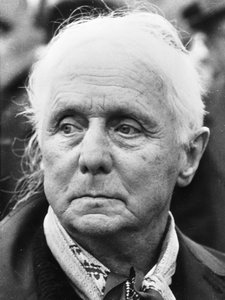
Max Ernst
1891 - 1976 , Germania
Detalii rapide
- Artistic Movement Or Style: Dada, Surrealism
- Artists Or Movements Influenced By This Artist:
- Surrealism
- Dada
- Artists Who Influenced This Artist:
- Picasso
- Van Gogh
- Gauguin
- Date Of Birth: 1 aprilie 1891
- Date Of Death: 1 aprilie 1976
- Full Name: Max Ernst
- Nationality: German-American, Francez
- Notable Artworks:
- Oraș întreg
- Euclides
- Ofrenda funeraria
- Place Of Birth: Brühl, Germania
Articole similare

Beyond Reality: A Sophisticated Exploration of the Dreamlike Architecture in Surrealist Landscapes
Embark on a sophisticated journey through the dreamlike architecture of Surrealist landscapes. Uncover the profound psychological depths and visual paradoxes of masters like Salvador Dalí in this expert exploration of art’s most captivating, impossible vistas.

Max Ernst: Cele Mai Iconice Lucrări – Artă Suprarealistă pentru Decorul Tău
Descoperă cele mai emblematice 25 de opere ale lui Max Ernst, pionierul suprarealismului! Explorează tehnicile inovatoare, simbolismul profund și inspirația din Dadaism. Găsește reproducerea perfectă pentru decorul tău pe OriginalUniqueArt.com – artă modernă de calitate muzeală.
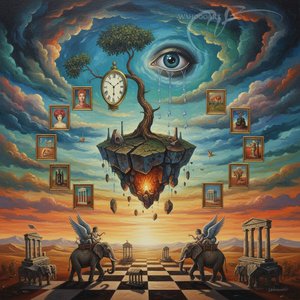
Top 10 Capodopere Suprarealiste: Arta Visează Realitatea | OriginalUniqueArt.ro
Descoperă top 10 capodopere suprarealiste de la Dalí, Magritte și Miró! Explorează poveștile din spatele picturilor iconice, simbolismul lor profund și impactul asupra artei moderne. Reproduceri de calitate muzeală pe OriginalUniqueArt.com.

The Enduring Legacy of Fine Art Prints: Technique, History & Aesthetic Impact
Explore the rich history & techniques of fine art prints. Discover investment potential, assess authenticity, and learn how to preserve your collection with expert guidance. Trusted insights for discerning collectors.

Giclée Prints: Archival Quality & Aesthetic Nuances for the Discerning Collector
Explore the world of giclée prints with OriginalUniqueArt. Learn about archival quality, aesthetic nuances & investment potential. Expert guidance for discerning art collectors seeking museum-quality reproductions and lasting value.


