

 Previzualizare
 Trimite prin felicitare
 Distribuie
 Detalii despre lucrare
 Ghid
Ghid

 Descarcă imaginea
 Produse similare
 Radiografie
 Galerie foto
 Statistici
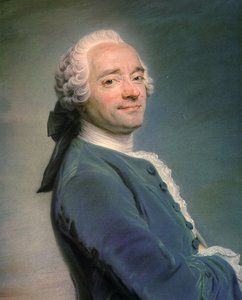
Maréchal de Saxe
 Pastel
- WallArt
- Rococo Portraiture
 Early Modern
 61.0 x 51.0 cm
 Muzeul Luvru
 Vezi mai mult
Giclée / Imprimare artistică
Printuri giclée sau pe canvas de calitate muzeală, cu proces de producție rapid și opțiuni flexibile de finisare. ( Comandă pictură realizată manual Comută pe Imagine Digitală)




P118B lei10

P118H lei10

P118W lei10

P438Z lei10

P508JH lei12

P508YH lei12

P805H lei10

P805Z lei10

P919BZ lei10

P919G lei10

P919XJ lei10

P959ZH lei10

P968JZ lei12

W106C lei8

W218G lei10

W218JH lei8

W218Y lei10

W307PJ lei10

W316G lei10

W316PJ lei8

W316Y lei10

W398PJ lei8

W4111J lei10

W500HY lei15

W500JH lei15

W692G lei12

W849H lei8

W940BG lei15

W953PJ lei8




Alegeți dintre dimensiunile noastre prestabilite, care respectă proporțiile originale ale operei de artă.

Introduceți lățimea și înălțimea necesare pentru a se potrivi ramei sau peretelui dumneavoastră. O printare poate fi doar tăiată, niciodată extinsă dincolo de dimensiunea imaginii originale, astfel încât o dimensiune cu o formă diferită va pierde o parte din imagine. Vă trimitem o simulare digitală pentru aprobare înainte de a imprima orice. Imaginea afișată pe această pagină nu prezintă tăierea reală — doar simularea arată acest lucru.
Livrare în întreaga lume () în 2 săptămâni, în loc de cele 4/5 săptămâni standard. (27 Octombrie)

Livrare expres gratuită la nivel mondial

Pânză de in de înaltă calitate

Asigurare completă pentru transport

Garanție de rambursare a taxelor vamale

Garanția fidelității culorilor

Politica de retur în 100 de zile (doar pentru defecte de fabricație)

Garanție de rambursare 100%

Ofertă pentru comenzi multiple
 Opțiunea cu sticlă este disponibilă doar pentru dimensiuni de sub 110 cm

Maréchal de Saxe
Giclée / Imprimare artistică
Dimensiune reproducere
-


Preț total calculat
lei 370
A Vision of Rococo Grandeur
In the delicate dance of light and pigment, few works capture the aristocratic splendor of the eighteenth century as intimately as Maurice Quentin de La Tour’s 1731 pastel portrait, Maréchal de Saxe. To gaze upon this masterpiece is to step directly into the opulent intellectual landscape of Enlightenment France, where every brushstroke—or in this case, every soft application of pastel—serves to elevate the subject beyond mere mortal likeness. The portrait does not simply present a military commander; it orchestrates a symphony of power, prestige, and refined grace. Through the masterful use of the pastel medium, De La Tour achieves an ethereal luminosity that oil paints often struggle to replicate, allowing the skin tones to glow with a lifelike warmth and the fabrics to shimmer with a soft, tactile elegance.
The subject himself, the celebrated Maréchal de Saxe, is rendered with a profound sense of dignity. Clad in the authoritative attire of his station, he wears a striking blue sash draped across his shoulder, a symbol of high rank that cuts through the composition with a regal vibrancy. His black coat, punctuated by meticulously detailed gold buttons, speaks to the wealth and status inherent in his role as an influential advisor to Louis XV. De La Tour’s technical prowess is most evident in the subtle gradations of color; he blends hues of cerulean, cream, and gold so seamlessly that the textures of silk, lace, and skin appear almost tangible. This soft-focus brilliance is a hallmark of the Rococo style, creating an atmosphere that feels both intensely real and dreamily idealized.
The Intersection of Might and Intellect
Beyond the surface beauty of the portrait lies a deeper narrative regarding the cultural zeitgeist of the era. During this period, the ideals of the Enlightenment—reason, virtue, and intellect—were beginning to reshape the French court. De La Tour, a master of characterization, does not merely depict a soldier of war; he presents an embodiment of these very ideals. The Maréchal’s expression, marked by a quiet confidence and a gaze of seasoned wisdom, suggests a man whose strategic brilliance is matched by his philosophical depth. This portrayal aligns beautifully with the spirit of contemporaries like Voltaire, whose influence permeated the artistic circles of the time.
The minimalist background serves a vital compositional purpose, stripping away the distractions of a cluttered landscape to focus the viewer's entire emotional investment on the man himself. By placing the Maréchal against a plain, light-colored void, De La Tour ensures that the interplay of shadow and light on the subject's face becomes the focal point. This choice emphasizes the psychological depth of the sitter, inviting collectors and art enthusiasts to contemplate the weight of responsibility carried by such an influential figure.
An Enduring Legacy for the Discerning Collector
For the interior designer or the passionate art collector, a high-quality reproduction of Maréchal de Saxe offers more than just a decorative element; it provides a window into a vanished era of elegance. The piece possesses a unique ability to anchor a room, bringing a sense of historical gravity and sophisticated charm to any space. Whether placed in a sunlit library or a formal dining hall, the soft textures and regal color palette of the pastel medium evoke a feeling of timeless luxury.
Owning a reproduction of this caliber allows one to celebrate the technical mastery of Maurice Quentin de La Tour, an artist who redefined the possibilities of pastel. The artwork serves as a conversation piece that bridges the gap between the historical grandeur of the French monarchy and the modern aesthetic appreciation for fine detail and emotive portraiture. It is an investment in atmosphere, a tribute to the enduring power of the Rococo spirit, and a profound addition to any curated collection of fine art.
Întrebări și răspunsuri
Unde pot fi achiziționate copii pictate manual ale operei "Maréchal de Saxe" de Maurice Quentin de La Tour?
Reproducțiile pictate manual ale operei "Maréchal de Saxe" de Maurice Quentin de La Tour pot fi achiziționate pe acest site web: o reproducere pictată manual în ulei pe pânză de in, prin comandă direct de pe pagina Reproducere pictată în ulei.
Unde poate fi vizualizată astăzi opera "Maréchal de Saxe" de Maurice Quentin de La Tour?
Puteți vedea originalul "Maréchal de Saxe" la Muzeul Luvru, Paris, France.
Pot vedea o imagine cu raze X a lucrării "Maréchal de Saxe" de Maurice Quentin de La Tour?
Vizualizarea X-Ray a operei "Maréchal de Saxe" de Maurice Quentin de La Tour este disponibilă pe pagina Raze X a lucrării: o examinare interactivă a imaginii prin unsprezece straturi optice.
Biografie artist
Maurice Quentin de La Tour: O viață în pastel
- Naștere: 5 septembrie 1704, Saint-Quentin, Franța
- Deces: 17 februarie 1788, Saint-Quentin, Picardie, Regatul Franței
- Cunoscut pentru: Portretul rococo în pastel, capturarea asemănărilor cu Voltaire, Ludovic XV și Madame de Pompadour.
Primii ani și dezvoltarea artistică
- Maurice Quentin de La Tour s-a născut într-o familie de muzicieni; tatăl său, François de La Tour, era muzician la curtea Ducului de Maine. În ciuda așteptărilor inițiale ale familiei, Maurice a ales să își urmeze pasiunea pentru pictură.
- În jurul anului 1724, s-a mutat la Paris, unde și-a început cariera artistică. Formarea sa timpurie a inclus studiile sub îndrumarea lui Jacques Spoede și o scurtă perioadă petrecută în Rheims. O călătorie în Anglia, în 1725, i-a influențat și mai mult stilul.
- Primele sale portrete, precum cel al lui Voltaire (1731), au demonstrat un talent emergent pentru capturarea caracterului și a asemănării. Acest portret a fost gravat de Langlois, fapt ce i-a adus o recunoaștere mult mai largă.
Stilul artistic și opere remarcabile
- Măiestria pastelului: De La Tour este celebrat pentru abilitatea sa excepțională în utilizarea pastelului. El a folosit acest medium pentru a crea portrete cu o delicatețe și o blândețe remarcabile, surprinzând nuanțe subtile de expresie și textură.
- Influența Rococo: Opera sa exemplifică stilul Rococo, caracterizat prin eleganță, grație și o concentrare pe reprezentarea societății sofisticate a vremii.
- Opere remarcabile:
- Portretul lui Voltaire (1731) - A stabilit reputația sa încă de la începutul carierei.
- Autoportret, râzând (aprox. 1737) – Evidențiază capacitatea sa de a surprinde personalitatea și spiritul.
- Portretul Madamei de Pompadour – O comandă semnificativă ce demonstrează îndemânarea sa în capturarea chipului unei figuri emblematice.
- Portretele lui Ludovic XV - Mai multe portrete ale regelui Franței, care i-au consolidat poziția la curte.
- Expuneri la Salon: A expus regulat la Salonul din Paris, prezentând o serie de 150 de portrete pe parcursul a trei decenii, eveniment care a devenit un punct de atracție pentru vizitatori.
Recunoașterea și ultimii ani
- Recunoaștere regală: În 1737, a fost recunoscut de Academia Regală de Pictură și Sculptură. Ulterior, în anul 1aut50, a devenit portretist oficial al regelui.
- Filantropie: Pe măsură ce averea sa creștea, de La Tour s-a dedicat unor scopuri filantropice, înființând o școală de desen în Saint-Quentin și oferind sprijin artiștilor săraci.
- Provocări psihologice: În jurul anului 1773, a trecut printr-o criză nervoasă, care a dus la perioade de boală mentală și, în final, la retragerea sa în orașul natal, Saint-Quentin.
Moștenirea și semnificația istorică
- Portretele lui De La Tour sunt extrem de prețuite pentru profunzimea lor psihologică și strălucirea tehnică. El a ridicat portretul în pastel la noi înălțimi, influențând generații întregi de artiști.
- Capacitatea sa de a surprinde esența subiectelor sale — personalitatea, inteligența și statutul social — l-a transformat într-unul dintre cei mai căutați portretiști ai timpului său.
- Astăzi, operele sale sunt păstrate în muzee prestigioase din întreaga lume, inclusiv în Musée du Louvre, oferind perspective valoroase asupra societății franceze și a practicilor artistice din secolul al XVIII-lea.
Maurice Quentin de La Tour
1704 - 1788 , Franța
Detalii rapide
- Artistic Movement Or Style: Rocococo
- Artists Or Movements Influenced By This Artist: ['Jean Antoine Watteau']
- Artists Who Influenced This Artist: ['Jacques Spoede']
- Date Of Birth: 5 septembrie 1704
- Full Name: Maurice Quentin de La Tour
- Nationality: Franțuzesc
- Notable Artworks:
- Portretul lui Voltaire
- Autoportret cu râsul
- Place Of Birth: Saint-Quentin, Franța
Articole similare
The Elegance of Rococo Portraiture: A Journey Through Grace, Soft Light, and Pastel Dreams
Discover the exquisite world of Rococo portraiture. Explore the delicate beauty of 18th-century French art, from pastel light to graceful asymmetry, and learn how to bring this era of elegance into your home through masterfully hand-painted oil reproductions.

Maurice Quentin de La Tour: Light, Shadow & the Rococo Portrait
Explore the captivating world of Maurice Quentin de La Tour, a master of Rococo portraiture. Discover his innovative pastel techniques, intimate depictions of French aristocracy, and lasting artistic legacy. Learn more at OriginalUniqueArt.

Goya: Cele Mai Iconice Capodopere – Artă Spaniolă pentru Decor Rafinat | OriginalUniqueArt.ro
Descoperă cele mai frumoase 25 de picturi ale lui Francisco Goya! Explorează capodoperele romantice, portretele impresionante și gravurile puternice. Reproduceri artă spaniolă de calitate muzeală pentru un decor rafinat. Explorează colecția completă online pe OriginalUniqueArt.com
Georges de La Tour: Luminosity, Spirituality & Realism in Baroque Painting
Discover the captivating world of Georges de La Tour, a Baroque master renowned for his dramatic chiaroscuro & spiritual realism. Explore key works, influences, and his remarkable rediscovery. Learn more at OriginalUniqueArt.
Águeda Ruiz de la Prada: A Study of Eclecticism & Emotional Resonance in Contemporary Spanish Painting
Discover the vibrant world of Ágatha Ruiz de la Prada, a leading figure in contemporary Spanish art. Explore her eclectic style, emotional depth & legacy – a must-read for discerning collectors.