

 Vezi în context
 Trimite
 Distribuie
 Detalii
 Ghidul

 Descarcă
 Produse similare
 Radiografie
 Diaporama
 Statistici
Lady
 Expressionism
 53.0 x 36.0 cm
 Ben Uri Gallery - Museum
 Citește mai mult
Giclée / Imprimare artistică
Printuri giclée sau pe canvas de calitate muzeală, cu proces de producție rapid și opțiuni flexibile de finisare. ( Comandă pictură realizată manual Treci la imagine digitală)




































Alegeți dintre dimensiunile noastre prestabilite, care respectă proporțiile originale ale operei de artă.

Puteți introduce propriile dimensiuni pentru a se potrivi unui anumit cadru sau spațiu. Dacă dimensiunea selectată nu corespunde proporțiilor imaginii originale, vom decupa lucrarea de artă sau vom extinde imaginea cu margini oglindite sau cu o culoare uniformă. Un mockup digital va fi trimis pentru aprobarea dumneavoastră înainte de începerea producției.
Vă rugăm să rețineți că previzualizarea de pe ecran nu reflectă decuparea sau extinderea reală. Doar mockup-ul va arăta cu exactitate compoziția finală.
Deși dimensiunile personalizate sunt disponibile, vă recomandăm să selectați o dimensiune din lista predefinită pentru a păstra proporțiile originale.
Livrare în întreaga lume () în 2 săptămâni, în loc de cele 4/5 săptămâni standard. (26 Septembrie)

Livrare expres gratuită la nivel mondial

Pânză de in premium

Asigurare completă pentru transport

Garanție de rambursare a taxelor vamale

Garanția fidelității culorilor

Politica de retur în 100 de zile (doar pentru defecte)

Garanție de rambursare 100%

Reducere pentru comenzi multiple
 Opțiunea cu sticlă este disponibilă doar pentru dimensiuni de sub 110 cm

Lady
Giclée / Imprimare artistică
Dimensiune reproducere
-


Preț total
$ 80
Biografie artist
Maurice Mancini Roith: A Visionary of Intimate Landscapes and Self-Reflection
Maurice Mancini Roith (1900-1958) remains a quietly compelling figure in 20th-century British art, an artist whose distinctive style – characterized by intimate portraits, evocative landscapes, and a profound exploration of self – has only recently begun to receive the recognition it deserves. Born in Brest-Litovsk, Russia (now Belarus), into a Jewish family, Roith’s early life was marked by displacement and ultimately led him to settle in London's East End, where he established himself as both a painter and a small business owner. His artistic journey, punctuated by periods of intense creativity and quiet observation, reveals a deeply personal and uniquely expressive vision.
Roith’s formative years were shaped by his early exposure to the vibrant art scene of Covent Garden Opera House, where he worked as a scene painter. This experience provided invaluable insight into theatrical design and stagecraft, influencing his later compositions with their carefully constructed spaces and dramatic lighting effects. Crucially, it was during this time that he began studying part-time at the Westminster School of Art under the tutelage of Walter Sickert and Bernard Meninsky – artists whose influence is readily apparent in Roith’s early work, particularly its exploration of form, color, and psychological depth.
The Development of a Distinctive Style
Roith's artistic style evolved over time, moving from the more conventional portraiture of his initial years to a deeply personal and often unsettling mode of self-representation. His self-portraits, particularly those created during the 1940s and 50s, are arguably his most significant contribution to British art. These aren’t simply likenesses; they are explorations of identity, anxiety, and the complexities of the human psyche. Works like “Man in the Mirror” (held in the Ben Uri Collection) exemplify this, depicting himself reflected in a concave mirror, creating a layered image that speaks to introspection and perhaps even a degree of unease. The use of impasto – thick application of paint – adds texture and physicality to these portraits, conveying a sense of raw emotion.
Beyond his self-portraits, Roith produced a series of evocative landscapes, often set in the Sussex countryside near his home in Ditchling. These paintings are not merely representations of scenery; they are imbued with a palpable atmosphere and a deep understanding of light and color. His “Landscape with Rooftops” demonstrates this skill, employing Cubist techniques to break down forms and create a dynamic, almost fractured view of the cityscape. The muted palette and geometric composition contribute to a mood of quiet contemplation.
Themes and Influences
Roith’s work is deeply rooted in the psychological landscape of the 20th century. The anxieties and uncertainties of the era – fueled by war, social upheaval, and the rise of modernism – are subtly reflected in his art. His use of symbolism—the mirror, the fragmented cityscape, the unsettling animal-human hybrid in “Jug and Puppet”— invites interpretation and encourages viewers to engage with the work on a deeper level. The influence of Surrealism is evident, particularly in the dreamlike quality of some of his self-portraits.
Furthermore, Roith’s background as a scene painter undoubtedly informed his approach to composition and perspective. The theatricality of stage design—the manipulation of space, light, and color—is translated into his paintings, creating works that are both visually arresting and emotionally resonant. His work also reveals an interest in interior spaces – the quiet intimacy of studios and drawing rooms – often depicted with a meticulous attention to detail.
Legacy and Recognition
Despite his talent and artistic vision, Maurice Mancini Roith remained largely obscure during his lifetime. His work was exhibited sporadically, primarily through the efforts of Ben Uri Art Society, which holds a significant collection of his paintings. It wasn’t until after his death in 1958 that his unique style began to attract wider attention. Today, Roith is increasingly recognized as a significant figure in British art – an artist who offered a profoundly personal and psychologically astute exploration of the human condition through intimate portraits and evocative landscapes.
His paintings are now housed in public collections across the UK, including the Ben Uri Collection and the Tate Archive. Roith’s legacy lies not only in his individual works but also in his willingness to confront difficult emotions and explore the complexities of self-identity – a testament to the enduring power of art to illuminate the human experience.

maurice mancini roith
1900 - 1958
Informații rapide
- Artistic Movement Or Style: Cubism, Portraiture
- Artists Or Movements Influenced By This Artist: ['Ben Uri Collection']
- Artists Who Influenced This Artist:
- Walter Sickert
- Bernard Meninsky
- Date Of Birth: 1900
- Date Of Death: 1958
- Full Name: Maurice Mancini Roith
- Nationality: British
- Notable Artworks:
- Lady
- Jug and Puppet
- Landscape with Rooftops
- Place Of Birth: Brest-Litovsk, Russia
Articole conexe
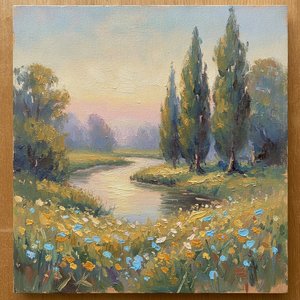
The Timeless Charm of Oil on Board: Reimagining Texture and Light through the Impressionist Lens
Discover the profound intimacy of oil on panel. Explore how Impressionist masters used rigid supports to capture light, texture, and impasto depth through exquisite, handmade oil reproductions for discerning collectors.

Oil on Canvas: A Historical & Technical Exploration of a Timeless Artistic Medium
Explore the rich history & enduring techniques of oil painting on canvas. Discover the science behind its longevity, conservation practices, and contemporary relevance. Expert insights for art enthusiasts.

Moștenirea Durabilă a Picturii în Ulei: Tehnică, Istorie și Practică Contemporană
Descoperă istoria fascinantă și tehnicile esențiale ale picturii în ulei. Ghid complet pentru artiști, de la materiale până la creații contemporane. Îmbunătățește-ți abilitățile artistice!

The Enduring Power of Painting: A Historical & Contemporary Exploration of Form and Emotion
Explore the rich history & enduring techniques of oil painting with OriginalUniqueArt. Discover masterpieces, learn about art collecting, and find authentic handmade reproductions crafted by skilled artists.

The Enduring Legacy of Oil on Canvas: Technique, History & Aesthetic Impact
Explore the rich history & techniques of oil painting – from Renaissance masters to Impressionism. Discover pigments, layering methods, and why this timeless medium endures. Expert insights for artists & art enthusiasts.