
 Previzualizare
 Trimite prin felicitare
 Distribuie
 Detalii despre lucrare
 Ghid
Ghid

 Descarcă imaginea
 Produse similare
 Radiografie
 Galerie foto
 Q&A
Q&A Statistici
The Road


 Vezi mai mult
Lucrarea de artă afișată pe această pagină este protejată de legile privind drepturile de autor, ceea ce înseamnă că nu putem crea sau vinde în mod legal o reproducere identică. Această protecție este garantată prin acorduri internaționale, precum Convenția de la Berna și de legile naționale, inclusiv cele prevăzute de Legea dreptului de autor din S.U.A. – Titlul 17. Toate drepturile rezervate. Orice reproducere neautorizată este interzisă.
Această metodă respectă pe deplin reglementările privind drepturile de autor, deoarece nu implică copierea sau duplicarea operei protejate. În schimb, este o reinterpretare creativă – o pictură nouă, influențată de original, dar care nu este identică cu acesta.
Giclée / Imprimare artistică
Printuri giclée sau pe canvas de calitate muzeală, cu proces de producție rapid și opțiuni flexibile de finisare. ( Comandă pictură realizată manual Comută pe Imagine Digitală)




































Alegeți dintre dimensiunile noastre prestabilite, care respectă proporțiile originale ale operei de artă.

Introduceți lățimea și înălțimea necesare pentru a se potrivi ramei sau peretelui dumneavoastră. O printare poate fi doar tăiată, niciodată extinsă dincolo de dimensiunea imaginii originale, astfel încât o dimensiune cu o formă diferită va pierde o parte din imagine. Vă trimitem o simulare digitală pentru aprobare înainte de a imprima orice. Imaginea afișată pe această pagină nu prezintă tăierea reală — doar simularea arată acest lucru.
Livrare în întreaga lume () în 2 săptămâni, în loc de cele 4/5 săptămâni standard. (2 Noiembrie)

Livrare expres gratuită la nivel mondial

Pânză de in de înaltă calitate

Asigurare completă pentru transport

Garanție de rambursare a taxelor vamale

Garanția fidelității culorilor

Politica de retur în 100 de zile (doar pentru defecte de fabricație)

Garanție de rambursare 100%

Ofertă pentru comenzi multiple
 Opțiunea cu sticlă este disponibilă doar pentru dimensiuni de sub 110 cm

The Road
Giclée / Imprimare artistică
Dimensiune reproducere
-


Preț total calculat
lei 379
A Journey Through Color: Maurice de Vlaminck's "The Road" (1926)
Maurice de Vlaminck’s “The Road,” painted in 1926, is a captivating example of Fauvism that transports the viewer to a moment suspended between reality and emotion. This work isn't merely a depiction of a road; it's an exploration of color, line, and the raw power of subjective experience. The painting portrays a winding road leading towards a village nestled amongst rolling hills, under a sky heavy with dramatic clouds. While seemingly simple in subject matter, Vlaminck’s treatment elevates it to a powerful statement about perception and feeling.Fauvism: A Revolution in Color
“The Road” firmly belongs within the Fauvist movement (roughly 1905-1908), a short but intensely influential period in modern art history. The term "Fauves" – meaning “wild beasts” – was initially used derisively to describe these artists, who shocked audiences with their bold and seemingly arbitrary use of color. Unlike Impressionists who sought to capture the fleeting effects of light, Fauvist painters like Vlaminck, Henri Matisse, and André Derain employed color expressively, using it to convey emotion rather than representational accuracy. In "The Road," this is evident in the striking contrast between the deep blues of the sky, the vibrant yellows and reds of the houses, and the earthy tones of the road itself. These colors aren't blended or softened; they are applied with a vigorous, almost impulsive energy, creating a visual intensity that defines the Fauvist aesthetic.Technique and Brushwork
Vlaminck’s technique is characterized by loose, energetic brushstrokes. He often painted outdoors *en plein air*, directly confronting nature and translating his immediate impressions onto canvas. The visible texture of the paint—thick impasto in places—adds to the painting's dynamism and immediacy. Notice how the lines defining the houses are not precise but rather suggested with broad strokes, contributing to a sense of movement and vibrancy. This expressive brushwork isn’t about meticulous detail; it’s about capturing the *feeling* of being present in that landscape – the wind, the light, the overall atmosphere.Emotional Resonance and Symbolism
Despite its seemingly straightforward subject, "The Road" evokes a sense of introspection and perhaps even melancholy. The overcast sky and the absence of figures contribute to a somber mood. The road itself can be interpreted symbolically as a metaphor for life’s journey – winding, uncertain, and leading towards an unknown destination. While there's no explicit narrative, the painting invites contemplation on themes of solitude, transition, and the passage of time. The vibrant colors, paradoxically, don't offer solace but rather amplify the underlying emotional complexity. Vlaminck’s work often draws inspiration from Van Gogh, sharing a similar intensity of feeling and a willingness to distort reality in pursuit of emotional truth.Bringing "The Road" into Your Space
A hand-painted reproduction of “The Road” offers a unique opportunity to bring the vibrancy and emotion of Fauvism into your home or office. Its bold colors and dynamic composition make it an ideal statement piece for modern interiors, while its introspective mood adds depth and character to any setting. Whether you are an avid art collector or simply seeking inspiration, this reproduction captures the essence of Vlaminck’s vision – a powerful testament to the expressive potential of color and form.Întrebări și răspunsuri
Cum este descrisă paleta de culori din "The Road" de Maurice de Vlaminck?
Paleta lui "The Road" de Maurice de Vlaminck este descrisă ca fiind Earthy, oferind o descriere concisă a culorilor lucrării.
Ce armonie de culori prezintă "The Road" de Maurice de Vlaminck?
Armonia cromatică a operei "The Road" este descrisă ca fiind Discordant Palette.
Cum echilibrează "The Road" lumina și întunericul?
"The Road" de Maurice de Vlaminck este înregistrat cu o balanced, având o luminanță de Soft Shadow.
Biografie artist
Early Life and Career
Maurice de Vlaminck, born April 4th, 1876, in the heart of Paris, France, possessed an artistic spirit nurtured from a young age by parents deeply rooted in music – his father, a violinist, instilled discipline and precision, while his mother, hailing from Lorraine, cultivated musical sensitivity. This formative influence would profoundly shape his approach to art, fostering an instinctive connection between emotion and visual expression. He embarked on his artistic journey relatively late in life, around the age of twenty, initially pursuing self-education before honing his skills with unwavering dedication.The Fauvist Movement and Artistic Style
Vlaminck stands as a cornerstone of the Fauvist movement (1904-1908), a revolutionary artistic endeavor that irrevocably altered the landscape of early 20th-century painting. Alongside luminaries like André Derain and Henri Matisse, he formed an avant-garde collective determined to dismantle established conventions and champion a radically new aesthetic vision. The Fauvist style is characterized by its audacious embrace of color—a deliberate departure from naturalistic representation—serving as a conduit for raw emotion rather than objective observation. Thick, visible brushstrokes dominate his canvases, conveying dynamism and spontaneity with palpable energy. Furthermore, Vlaminck simplified forms, prioritizing expressive power over meticulous detail, reducing landscapes and objects to their essential essence. Notable early masterpieces include “Sur le zinc” (At the Bar), a poignant depiction of urban life bathed in vibrant hues, and “L’homme à la pipe,” capturing a solitary figure enveloped in smoky atmosphere with remarkable immediacy.Influences and Artistic Development
Impressionism served as an initial catalyst for Vlaminck's artistic explorations, imparting techniques focused on capturing fleeting moments and the transformative effects of light—a legacy that resonates throughout his oeuvre. However, Vincent van Gogh exerted a particularly profound influence, sparking admiration after witnessing a retrospective exhibition. This fascination materialized in Vlaminck’s stylistic choices: mirroring Van Gogh’s expressive brushwork and conveying an intense emotional core. Cézanne's exploration of geometric forms and tonal harmonies subsequently steered Vlaminck towards a palette characterized by subdued monochromatic tones from 1908 onwards, marking a pivotal shift in his artistic trajectory.Major Achievements and Historical Significance
Vlaminck’s participation in the Salon d’automne exhibitions – notably in 1905 – solidified Fauvism's position as a vanguard movement within modern art. His canvases became emblems of rebellion against academic traditions, embodying an uncompromising commitment to artistic innovation. Today, Vlaminck’s paintings are revered for their visceral energy and emotional depth—a testament to his unwavering dedication to capturing the essence of human experience through color and form. He bridged the divide between Impressionism and Expressionism, propelling artistic discourse toward uncharted territories and securing his place as a pivotal figure in art history.Legacy and Available Works
Vlaminck’s legacy extends far beyond the confines of the easel; his works reside in prestigious museums across continents—a testament to their enduring appeal and artistic merit. Pieces like “Bougival” and “The Bridge at Chatou” continue to captivate audiences with their luminous colors and evocative compositions. OriginalUniqueArt proudly presents a curated selection of Vlaminck’s masterpieces, offering enthusiasts the opportunity to immerse themselves in the brilliance of his Fauvist vision—a timeless celebration of artistic passion and innovation.
Maurice de Vlaminck
1876 - 1958 , Franța
Detalii rapide
- Artistic Movement Or Style: Fauvism
- Artists Who Influenced This Artist: ['Vincent van Gogh']
- Date Of Birth: April 4, 1876
- Date Of Death: October 11, 1958
- Full Name: Maurice de Vlaminck
- Nationality: France
- Notable Artworks:
- Sur le zinc
- L'homme à la pipe
- Place Of Birth: Paris, France
Articole similare

Maurice Quentin de La Tour: Light, Shadow & the Rococo Portrait
Explore the captivating world of Maurice Quentin de La Tour, a master of Rococo portraiture. Discover his innovative pastel techniques, intimate depictions of French aristocracy, and lasting artistic legacy. Learn more at OriginalUniqueArt.
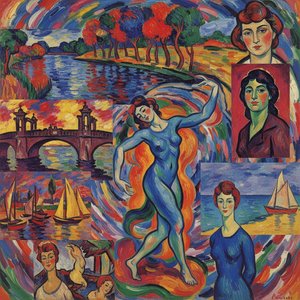
Top 10 Capodopere Fauviste: Explozie de Culoare și Expresivitate în Artă | OriginalUniqueArt.ro
Descoperă Top 10 capodopere fauviste – Matisse, Derain și alți maeștri ai culorii! Explorează istoria, tehnicile și expresivitatea picturilor fauve. Reproduceri de artă de calitate muzeală pe OriginalUniqueArt.com. Inspiră-te pentru decorul tău!

Goya: Cele Mai Iconice Capodopere – Artă Spaniolă pentru Decor Rafinat | OriginalUniqueArt.ro
Descoperă cele mai frumoase 25 de picturi ale lui Francisco Goya! Explorează capodoperele romantice, portretele impresionante și gravurile puternice. Reproduceri artă spaniolă de calitate muzeală pentru un decor rafinat. Explorează colecția completă online pe OriginalUniqueArt.com
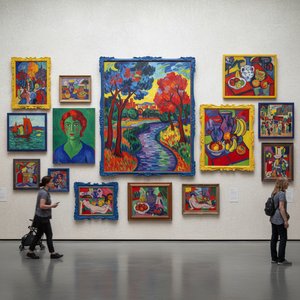
Top 10 Capodopere Fauviste: Culoare și Emoție în Arta Modernă | OriginalUniqueArt.ro
Descoperă Top 10 capodopere fauviste – Matisse, Derain și alți maeștri ai culorii! Explorează istoria artei moderne, tehnicile îndrăznețe și emoția vibrantă din picturile fauviste. Reproduceri de artă premium pe OriginalUniqueArt.ro

Peisaje Romantice Iconice: 10 Capodopere Artistice pentru Decorul de Lux
Descoperă 10 capodopere romantice iconice de Caspar David Friedrich, Turner și alți maeștri. Explorează istoria artei, emoțiile din peisaje și găsește tablouri canvas perfecte pentru decorul tău pe OriginalUniqueArt.com!