

 Vezi în context
 Trimite
 Distribuie
 Detalii

 Descarcă
 Produse similare
 Radiografie
 Diaporama
 Statistici
Tribute Money
 Oil On Canvas
- WallArt
- Baroque
 1640
1640- Early Modern
 193.0 x 143.0 cm
 Pinacoteca di Brera
 Citește mai mult
Achiziționați o imagine digitală de înaltă rezoluție, îmbunătățită, mult superioară previzualizării online.
Fiecare fișier este pregătit cu meticulozitate de specialiștii noștri interni, utilizând instrumente avansate și retușare manuală expertă. Ne asigurăm că fiecare imagine beneficiază de o claritate excepțională, o acuratețe precisă a culorilor și detalii fine.
Fișierul final este livrat prin e-mail în termen de 72 de ore, optimizat pentru utilizare imediată în medii profesionale, editoriale și de imprimare. Aceasta este aceeași calitate în care au încredere studiouri de design, edituri și galerii de top.
Imagine Digitală
Descărcați un fișier la rezoluție înaltă pentru afișare personală, imprimare și proiecte creative. ( Comută pe versiunea Print Comandă pictură realizată manual)
Inclus în fiecare comandă de imagini digitale
Livrare digitală de expertiză, garantată
Când alegeți OriginalUniqueArt.com, nu primiți doar o simplă imagine – primiți o operă de artă digitală îmbunătățită profesional, creată cu precizie și susținută de o garanție de satisfacție. Iată tot ceea ce primești odată cu comanda ta, în mod automat:

Livrare rapidă prin e-mail
Fișierul imaginii digitale la rezoluție înaltă vă va fi trimis prin e-mail în termen de 72 de ore de la finalizarea comenzii – gata pentru utilizare imediată.

Fișier digital optimizat prin IA
Opera ta de artă este optimizată profesional prin intermediul unor instrumente AI avansate și al editării manuale, asigurând un nivel maxim de detalii, claritate și acuratețe a culorilor.

Retransmitere gratuită pe viață
Ai șters sau ai pierdut din greșeală fișierul? Nu îți face griji – ți-l vom retrimite oricând, gratuit.

Fără taxe de import – Întotdeauna
Bucură-te instant de noua ta operă de artă, fără taxe vamale, taxe de import sau costuri de livrare – descărcările digitale sunt întotdeauna fără taxe.

Garanția fidelității culorilor
Asigurăm o reflectare cât mai fidelă a culorilor originale în imaginea ta digitală, prin utilizarea unor instrumente profesionale și a proceselor de gestionare a culorii.

Garanție de satisfacție de 100 de zile
Dacă nu sunteți mulțumit de imaginea digitală achiziționată, o vom revizui sau vă vom returna 100% în termen de 100 de zile – fără nicio întrebare.

Garanție de returnare 100% a banilor
Nu ești mulțumit? Primești rambursarea integrală în termen de 100 de zile de la primirea fișierului digital – fără nicio întrebare.

Reduceri pentru comenzi în volum
Cumpără 3 imagini, economisește 10% - Cumpără 5, economisește 15% - Cumpără 10+, economisește 20%. Ideal pentru proiecte creative, galerii și agenții.
The Dramatic Heart of Baroque Devotion
To stand before Mattia Preti's Tribute Money is to step directly into the charged atmosphere of 17th-century Italian devotion. This magnificent oil on canvas, executed in 1640, pulses with the dramatic energy characteristic of the Baroque period. It is not merely a depiction of an event; it is an immersive experience, masterfully orchestrated by Preti’s hand. The scene gathers a group of men around a central table, their gestures and intense expressions speaking volumes about the weighty matters of faith, scholarship, or divine reckoning that occupy them. From its very composition, one feels the palpable tension—a moment suspended between revelation and consequence.
Mastery in Light and Shadow: Technical Brilliance
Preti’s technical prowess is immediately apparent, particularly in his breathtaking command of chiaroscuro. The light does not simply illuminate; it sculpts. It streams from an unseen source, catching the planes of faces, highlighting crucial documents upon the table, and lending a dramatic sheen to rich fabrics. This directional lighting creates deep, velvety shadows that lend incredible depth and psychological weight to every corner of the room. While the overall perspective possesses a certain Baroque flattening—a choice that keeps the focus intensely intimate rather than geographically vast—the texture achieved through visible brushstrokes suggests the richness of oil paint applied with passionate conviction. The resulting surface is one of layered history, inviting close inspection.
Symbolism and Scholarly Depth
The narrative complexity elevates this piece beyond mere portraiture. Every element seems imbued with meaning. Consider the document resting on the table; it functions as a potent symbol of knowledge or divine decree, anchoring the intellectual core of the gathering. The presence of symbolic figures, perhaps indicated by specific robes or gestures—such as the potential inclusion of a dove representing peace or the Holy Spirit—invites the viewer into an act of interpretation alongside the original observers. Preti masterfully weaves together the human drama with profound theological undercurrents, making the painting a rich tapestry for contemplation.
A Touch of Rubens and Caravaggio's Legacy
As a painter deeply influenced by both the dramatic realism of Caravaggio and the robust dynamism of Peter Paul Rubens, Preti synthesizes these influences into something uniquely his own. His style retains that raw, emotional immediacy found in Caravaggism, yet it possesses an expansive, almost theatrical grandeur reminiscent of Rubens. This synthesis allows Tribute Money to feel both intensely personal and monumentally significant—a perfect confluence for those who appreciate art that speaks with the full force of human emotion against a backdrop of timeless spiritual inquiry.
Bringing Baroque Drama Home
For collectors, decorators, or enthusiasts seeking an anchor piece steeped in historical grandeur, this reproduction offers unparalleled depth. The rich palette, dominated by warm browns, deep reds, and burnished golds, ensures that the artwork will serve as a magnificent focal point in any sophisticated interior setting. Owning a representation of Tribute Money is not just acquiring art; it is curating an atmosphere—one charged with intellectual vigor, spiritual contemplation, and the enduring drama of Baroque genius.
Biografie artist
A Calabrian Knight of the Baroque
Mattia Preti, known as *Il Cavalier Calabrese* – the Calabrian Knight – stands as a pivotal figure in 17th-century Italian Baroque painting. Born in Taverna, Calabria, on February 24, 1613, his artistic journey was one of dynamic evolution, absorbing diverse influences and culminating in a uniquely expressive style that left an indelible mark on the art world, particularly in Malta where he would spend much of his later life. Preti’s early training began under Giovanni Battista Caracciolo, a painter deeply rooted in the Caravaggist movement. This foundational exposure instilled within him a profound understanding of dramatic chiaroscuro – the intense interplay of light and shadow – and a commitment to realistic depiction that would remain hallmarks of his work throughout his career. Before 1630, he joined his brother Gregorio in Rome, immersing himself in the artistic ferment of the city and studying the masters who defined the era: Caravaggio, Guercino, Rubens, Guido Reni, and Giovanni Lanfranco. This period was crucial, shaping not only his technical skills but also his aesthetic sensibilities.Forging a Dynamic Style
Preti’s artistic development wasn't merely imitation; it was a synthesis of influences, skillfully woven into a style distinctly his own. While initially steeped in Caravaggism, he gradually moved beyond its strict confines, embracing the dynamism and emotional intensity that characterized the High Baroque. His time in Naples further refined this evolution, exposing him to the vibrant work of Luca Giordano. This period saw Preti’s canvases swell with energetic movement, complex compositions, and a heightened sense of drama. He masterfully employed dramatic contrasts of light and shadow, inherited from Caravaggio, not simply as a technical device but as a means of intensifying emotional impact and guiding the viewer's eye. His figures are imbued with palpable emotion, conveyed through expressive faces and dynamic body language. This ability to evoke powerful feelings – piety, anguish, ecstasy – became a defining characteristic of his oeuvre. He wasn’t content merely to depict scenes; he sought to *animate* them, breathing life into biblical narratives and religious iconography. His work often featured dramatic diagonals and swirling compositions, creating a sense of movement and urgency that was characteristic of the Baroque period.Commissions and Masterpieces Across Italy
Mattia Preti's talent quickly garnered recognition, leading to a series of significant commissions throughout Italy. Early in his career, he created impressive fresco cycles for Roman churches like Sant’Andrea della Valle and San Carlo ai Catinari, demonstrating an aptitude for large-scale decorative painting. His work at the church of San Biagio in Modena showcased his ability to adapt his style to different architectural settings. However, some of his most ambitious – though sadly lost – works were the frescoes he painted on seven city gates in Naples depicting the Virgin or saints delivering people from the plague. Though only sketches remain today, they testify to the scale and impact of these monumental creations. These commissions weren’t simply about fulfilling a patron's request; they were opportunities for Preti to engage with the religious and cultural life of the communities he served, imbuing his art with meaning and purpose. He also worked on altarpieces and devotional panels, often incorporating elements of Neapolitan folk culture into his compositions.The Maltese Zenith: St. John’s Co-Cathedral
It was in Malta, however, that Mattia Preti reached the pinnacle of his artistic achievement. Appointed a Knight of the Order of Saint John in 1660, he embarked on a transformative project: the complete redecoration of the interior of St. John’s Co-Cathedral in Valletta. This undertaking – arguably his most significant legacy – involved an astonishing series of paintings depicting the life and martyrdom of Saint John the Baptist. The sheer scale of the project is breathtaking; Preti essentially created a visual narrative that enveloped the viewer, immersing them in the story of the saint. The opulent Baroque setting provided the perfect canvas for his dramatic style, and the resulting artwork cemented his reputation as one of Europe’s leading painters. His work at St. John's wasn’t merely decorative; it was an act of devotion, a testament to his faith, and a powerful expression of the Order’s religious identity. The ceiling frescoes are particularly renowned for their dynamism and emotional intensity, capturing the drama of biblical scenes with remarkable skill.A Lasting Legacy
Mattia Preti continued to receive commissions from across Europe following his success in Malta, solidifying his position as a leading figure in Italian Baroque art. He died in 1699, leaving behind a rich artistic legacy that continues to inspire and captivate audiences today. His masterful use of light and shadow, dynamic compositions, and ability to convey intense emotion remain hallmarks of his style. His contributions are preserved in museums such as the Capodimonte Museum in Naples, and through reproductions made available by platforms like OriginalUniqueArt.com, ensuring that his art continues to reach new generations. The enduring impact of Preti’s work is perhaps most vividly felt within the walls of St. John's Co-Cathedral, a breathtaking testament to his artistic genius and unwavering dedication to the Baroque aesthetic. *Il Cavalier Calabrese* truly earned his title, not only as a knight but as a master painter who illuminated the world with his vision.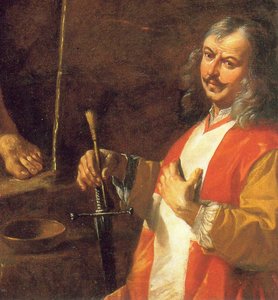
Mattia Preti
1613 - 1699 , Italia
Informații esențiale
- Artistic Movement Or Style: Baroque
- Artists Or Movements Influenced By This Artist: ['Calabrian School']
- Artists Who Influenced This Artist:
- Caravaggio
- Guercino
- Date Of Birth: 24 Feb 1613
- Date Of Death: 3 Ian 1699
- Full Name: Mattia Preti
- Nationality: Italian
- Notable Artworks:
- Absalom
- Tribute
- Place Of Birth: Taverna, Italia