Comută pe versiunea Print
 Vezi mai mult







































 Pentru opere de artă sau reproduceri care depășesc 105 cm (aproximativ 41 de inch) pe oricare dintre laturi, cadrul va fi livrat demontat, sub formă de kit. Această metodă asigură o livrare sigură și previne deteriorarea în timpul transportului.


Mattia Preti’s “The Concert”: A Baroque Drama of Youth and Sound
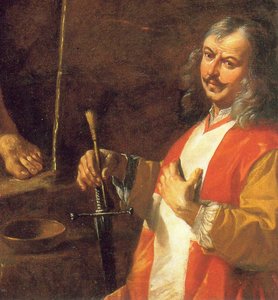
Mattia Preti’s “The Concert,” painted in 1630, isn't merely a depiction of musicians; it’s a meticulously crafted tableau brimming with the drama, intensity, and opulent color characteristic of the High Renaissance and early Baroque periods. This oil painting, now residing within the Hermitage Museum in Saint Petersburg, offers a captivating glimpse into the aristocratic life of 17th-century Malta, where Preti spent much of his prolific career. The scene unfolds within a richly appointed interior – dark walls, heavy drapery, and an abundance of decorative elements—creating a space that feels both intimate and grand, mirroring the importance placed on music and social gatherings during this era.
At the heart of the composition stands a young man, likely a student or aspiring musician, passionately playing the violin. His posture is animated, his face alight with concentration, and his gestures convey an intense engagement with his instrument. Around him gather other figures: a woman seated at a table, seemingly providing refreshments; a young boy attentively listening; and a gentleman observing from a corner. Each figure possesses a distinct personality and contributes to the overall dynamism of the scene. Preti masterfully uses gesture and expression to communicate not just what is happening but also *how* it’s being felt – the joy of music, the anticipation of performance, and perhaps even a touch of youthful exuberance.
The Tenebrist Technique: Light and Shadow as Dramatic Tools
Preti's signature style—often described as “tenebrism”—is powerfully evident in "The Concert." This technique, heavily influenced by Caravaggio, relies on stark contrasts between intensely illuminated areas and deep shadows. The figures are bathed in a dramatic light source, likely originating from an unseen window or lantern, which highlights their faces, clothing, and instruments with remarkable clarity. This strong contrast not only creates a sense of theatricality but also draws the viewer’s eye directly to the focal point – the violinist – while simultaneously enveloping the entire scene in a mood of mystery and intrigue.
The artist's skillful manipulation of light and shadow isn’t simply an aesthetic choice; it serves to heighten the emotional impact of the painting. The deep shadows suggest hidden depths, secrets, and perhaps even a hint of melancholy, while the bright highlights emphasize the vitality and energy of the musicians. Notice how Preti uses chiaroscuro to sculpt the forms of the figures, giving them a palpable sense of volume and presence. The meticulous rendering of textures—the velvet upholstery, the polished wood of the table, the shimmering strings of the violin—further enhances the realism and immersive quality of the scene.
Symbolism and Social Context
"The Concert" is more than just a portrait; it’s a carefully constructed symbol reflecting the values and social dynamics of 17th-century Malta. Music held a prominent place in aristocratic society, serving as a means of entertainment, diplomacy, and demonstrating wealth and status. The gathering depicted here represents a refined social occasion—a celebration of youth, talent, and artistic appreciation. The presence of the young musicians suggests an investment in the future, while the attentive gentleman hints at the patronage that supported their endeavors.
Furthermore, the painting’s setting – a richly decorated interior – speaks to the importance of material possessions and luxury within this social class. The abundance of furniture, fabrics, and decorative elements underscores the wealth and power of those who hosted such gatherings. The overall composition can be interpreted as an allegory for harmony—the harmonious blend of music, youth, and social interaction—a concept highly valued during the Baroque period.
A Masterpiece in Reproduction: Bringing Preti’s Vision to Life
OriginalUniqueArt offers meticulously crafted hand-painted reproductions of “The Concert,” allowing art lovers to experience the full beauty and drama of this iconic masterpiece. Our skilled artisans replicate Preti's signature tenebrist technique, capturing the nuances of light, shadow, and color with exceptional precision. Each reproduction is created using archival-quality materials, ensuring its longevity and preserving the vibrant details of the original painting for generations to come. Whether you’re seeking a stunning addition to your home or office décor or a unique gift for an art enthusiast, a OriginalUniqueArt reproduction of “The Concert” provides a faithful and captivating representation of this Baroque gem.
Întrebări și răspunsuri
În ce încăpere este recomandată expunerea operei „The Concert”, având în vedere paleta sa cromatică?
Având în vedere paleta de culori Earthy, recomandăm pentru "The Concert" o Living Room.
Ce emoție transmite "The Concert" de Mattia Preti?
"The Concert" de Mattia Preti transmite un sentiment Melancholic, într-o atmosferă generală Dramatic.
Este "The Concert" reprezentativ pentru temele abordate de obicei de Mattia Preti?
Temele recurente ale lui Mattia Preti includ caravaggio's tenebrism, baroque drama, italian renaissance, early maltese baroque, devotional scenes, exploration of light & emotion, courtly life, aristocratic leisure; „The Concert” se concentrează pe baroque, portraiture, music, youth, drama, light & shadow, interior scene, renaissance.
Mai multe detalii despre această pictură
 Previzualizare
 Trimite prin felicitare
 Distribuie
 Detalii despre lucrare
 Ghid
Ghid

 Descarcă imaginea
 Produse similare
 Radiografie
 Galerie foto
 Întrebări și răspunsuri
 Statistici