
 Previzualizare
 Trimite
 Distribuie
 Detalii despre lucrare

 Descarcă
 Produse similare
 Radiografie
 Diapozitive automate
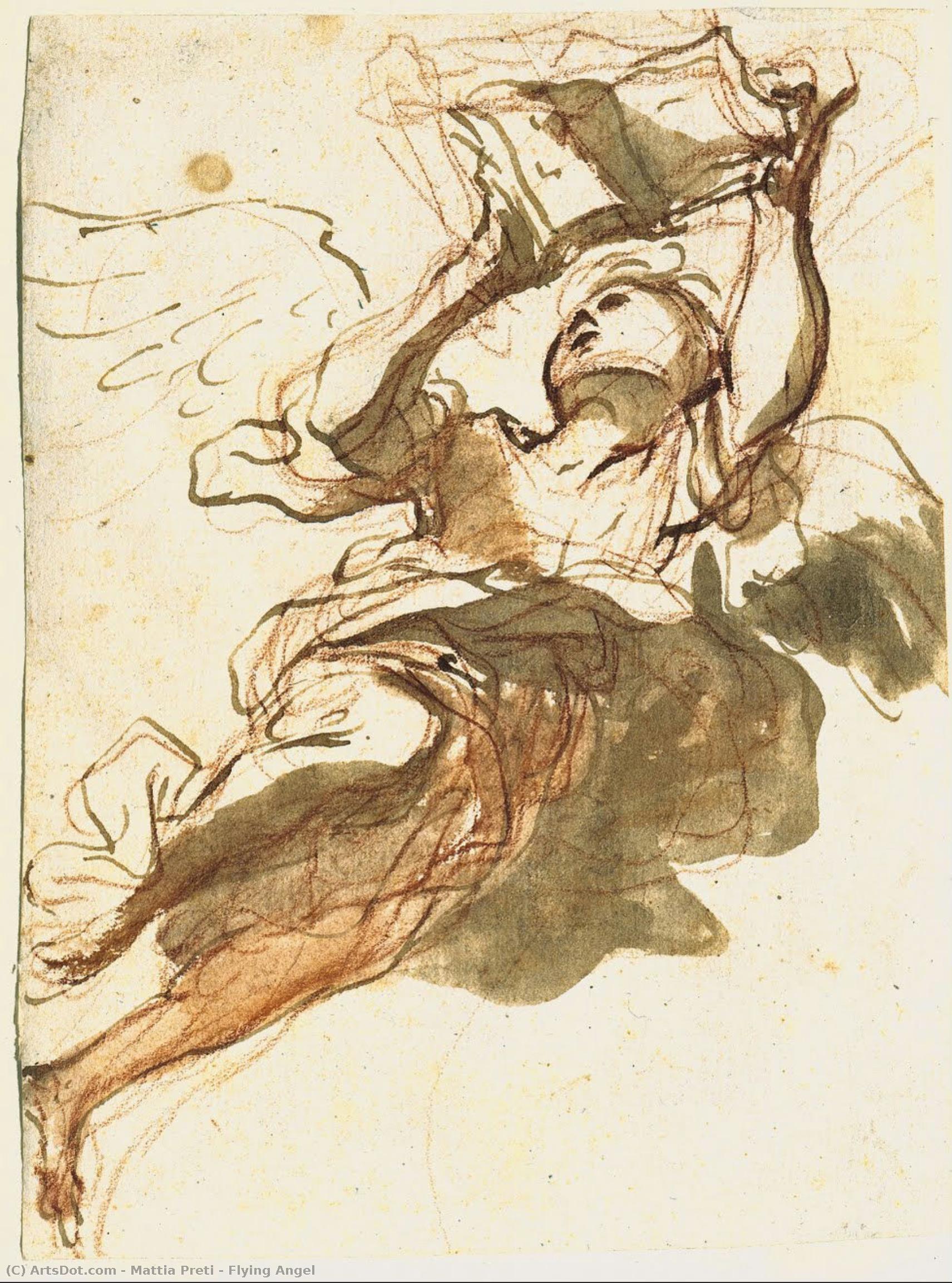
Flying Angel
 Acrylic On Canvas
- WallArt
- Baroque
 1699
1699 162.0 x 217.0 cm
 Kunstpalast
 Vezi mai mult
Reproducere pictată manual în ulei
Pictură în ulei pe pânză, realizată manual de artiștii noștri la dimensiunea și ramele dorite de dumneavoastră, pe comandă. ( Comandă printul Cumpără imaginea)




P118B $10

P118H $10

P118W $10

P438Z $10

P508JH $12

P508YH $12

P805H $10

P805Z $10

P919BZ $10

P919G $10

P919XJ $10

P959ZH $10

P968JZ $12

W106C $8

W218G $10

W218JH $8

W218Y $10

W307PJ $10

W316G $10

W316PJ $8

W316Y $10

W398PJ $8

W4111J $10

W500HY $15

W500JH $15

W692G $12

W849H $8

W940BG $15

W953PJ $8




Alegeți dintre dimensiunile noastre prestabilite, care respectă proporțiile originale ale operei de artă.

Puteți introduce propriile dimensiuni pentru a se potrivi unui anumit cadru sau spațiu. Dacă dimensiunea selectată nu corespunde proporțiilor imaginii originale, vom decupa opera de artă sau vom extinde pictura cu elemente suplimentare pictate manual. O simulare digitală vă va fi trimisă pentru aprobare înainte de începerea producției.
Vă rugăm să rețineți că previzualizarea de pe ecran nu reflectă decuparea sau extinderea reală. Doar macheta va arăta cu exactitate compoziția finală.
Deși sunt disponibile dimensiuni personalizate, vă recomandăm să selectați o dimensiune din lista predefinită pentru a păstra proporțiile originale.
După plasarea comenzii, echipa OriginalUniqueArt.com va contacta clientul prin e-mail pentru instrucțiuni și îi va furniza o previzualizare a machetei
Livrare în întreaga lume () în 3-4 săptămâni, în loc de cele 5 săptămâni standard. (15 August). Fără compromisuri în ceea ce privește calitatea.

Livrare expres gratuită la nivel mondial

Pânză de in de înaltă calitate

Asigurare completă pentru transport

Garanție de rambursare a taxelor vamale

Garanția fidelității culorilor

Politica de retur în 60 de zile (doar pentru defecte)

Garanție de rambursare 100%

Ofertă pentru comenzi multiple
 Opțiunea cu sticlă este disponibilă doar pentru dimensiuni de sub 110 cm

Flying Angel
Tehnică de reproducere
Dimensiune reproducere
-


Preț total calculat
$ 300
Descriere operă de artă
Flying Angel - A Baroque Masterpiece
Mattia Preti’s “Flying Angel” stands as a testament to the fervor of the Baroque era in Malta and Italy, embodying its dramatic flair and profound spiritual depth. Painted circa 1699, this monumental fresco dominates St. John's Co-Cathedral in Valletta, transforming the nave into a breathtaking spectacle of color and emotion. It’s more than just an image; it’s a carefully crafted narrative designed to inspire awe and convey a powerful message about divine grace.- Subject Matter: The artwork depicts an angelic figure soaring upwards against a turbulent sky, symbolizing ascension and spiritual liberation. Beneath the angel is a depiction of Christ's tomb, emphasizing themes of resurrection and eternal life – central tenets of Christian faith during Preti’s time.
- Style & Technique: Preti employed the Caravaggist style—characterized by tenebrism—creating an intense chiaroscuro effect that dominates the composition. Deep shadows engulf much of the scene, highlighting the radiant glow emanating from Christ's tomb and emphasizing the angel’s luminous wings. The artist meticulously rendered textures and drapery, demonstrating exceptional skill in capturing realistic detail.
- Historical Context: Malta was under Ottoman siege during Preti’s lifetime, fueling a fervent desire for protection and divine intervention. This fresco served as a poignant reminder of God's unwavering support amidst adversity—a powerful symbol of resilience and faith for the Knights Hospitaller who commissioned it. The Baroque period itself was marked by an explosion of artistic creativity driven by religious fervor and papal patronage.
- Symbolism: The angel’s upward movement represents hope and aspiration, mirroring the biblical narrative of Christ's ascension. The tomb symbolizes death and sorrow but simultaneously foreshadows eternal life—a cornerstone of Christian theology. The turbulent sky underscores the challenges faced by humanity, highlighting God’s benevolent providence in overcoming darkness.
- Emotional Impact: Viewing “Flying Angel” evokes a visceral response – a feeling of grandeur, reverence, and spiritual contemplation. Preti's masterful use of light and shadow compels the viewer to confront profound questions about faith, mortality, and redemption. It remains an unforgettable experience for anyone encountering its sublime beauty.
Biografie artist
A Calabrian Knight of the Baroque
Mattia Preti, known as *Il Cavalier Calabrese* – the Calabrian Knight – stands as a pivotal figure in 17th-century Italian Baroque painting. Born in Taverna, Calabria, on February 24, 1613, his artistic journey was one of dynamic evolution, absorbing diverse influences and culminating in a uniquely expressive style that left an indelible mark on the art world, particularly in Malta where he would spend much of his later life. Preti’s early training began under Giovanni Battista Caracciolo, a painter deeply rooted in the Caravaggist movement. This foundational exposure instilled within him a profound understanding of dramatic chiaroscuro – the intense interplay of light and shadow – and a commitment to realistic depiction that would remain hallmarks of his work throughout his career. Before 1630, he joined his brother Gregorio in Rome, immersing himself in the artistic ferment of the city and studying the masters who defined the era: Caravaggio, Guercino, Rubens, Guido Reni, and Giovanni Lanfranco. This period was crucial, shaping not only his technical skills but also his aesthetic sensibilities.Forging a Dynamic Style
Preti’s artistic development wasn't merely imitation; it was a synthesis of influences, skillfully woven into a style distinctly his own. While initially steeped in Caravaggism, he gradually moved beyond its strict confines, embracing the dynamism and emotional intensity that characterized the High Baroque. His time in Naples further refined this evolution, exposing him to the vibrant work of Luca Giordano. This period saw Preti’s canvases swell with energetic movement, complex compositions, and a heightened sense of drama. He masterfully employed dramatic contrasts of light and shadow, inherited from Caravaggio, not simply as a technical device but as a means of intensifying emotional impact and guiding the viewer's eye. His figures are imbued with palpable emotion, conveyed through expressive faces and dynamic body language. This ability to evoke powerful feelings – piety, anguish, ecstasy – became a defining characteristic of his oeuvre. He wasn’t content merely to depict scenes; he sought to *animate* them, breathing life into biblical narratives and religious iconography. His work often featured dramatic diagonals and swirling compositions, creating a sense of movement and urgency that was characteristic of the Baroque period.Commissions and Masterpieces Across Italy
Mattia Preti's talent quickly garnered recognition, leading to a series of significant commissions throughout Italy. Early in his career, he created impressive fresco cycles for Roman churches like Sant’Andrea della Valle and San Carlo ai Catinari, demonstrating an aptitude for large-scale decorative painting. His work at the church of San Biagio in Modena showcased his ability to adapt his style to different architectural settings. However, some of his most ambitious – though sadly lost – works were the frescoes he painted on seven city gates in Naples depicting the Virgin or saints delivering people from the plague. Though only sketches remain today, they testify to the scale and impact of these monumental creations. These commissions weren’t simply about fulfilling a patron's request; they were opportunities for Preti to engage with the religious and cultural life of the communities he served, imbuing his art with meaning and purpose. He also worked on altarpieces and devotional panels, often incorporating elements of Neapolitan folk culture into his compositions.The Maltese Zenith: St. John’s Co-Cathedral
It was in Malta, however, that Mattia Preti reached the pinnacle of his artistic achievement. Appointed a Knight of the Order of Saint John in 1660, he embarked on a transformative project: the complete redecoration of the interior of St. John’s Co-Cathedral in Valletta. This undertaking – arguably his most significant legacy – involved an astonishing series of paintings depicting the life and martyrdom of Saint John the Baptist. The sheer scale of the project is breathtaking; Preti essentially created a visual narrative that enveloped the viewer, immersing them in the story of the saint. The opulent Baroque setting provided the perfect canvas for his dramatic style, and the resulting artwork cemented his reputation as one of Europe’s leading painters. His work at St. John's wasn’t merely decorative; it was an act of devotion, a testament to his faith, and a powerful expression of the Order’s religious identity. The ceiling frescoes are particularly renowned for their dynamism and emotional intensity, capturing the drama of biblical scenes with remarkable skill.A Lasting Legacy
Mattia Preti continued to receive commissions from across Europe following his success in Malta, solidifying his position as a leading figure in Italian Baroque art. He died in 1699, leaving behind a rich artistic legacy that continues to inspire and captivate audiences today. His masterful use of light and shadow, dynamic compositions, and ability to convey intense emotion remain hallmarks of his style. His contributions are preserved in museums such as the Capodimonte Museum in Naples, and through reproductions made available by platforms like OriginalUniqueArt.com, ensuring that his art continues to reach new generations. The enduring impact of Preti’s work is perhaps most vividly felt within the walls of St. John's Co-Cathedral, a breathtaking testament to his artistic genius and unwavering dedication to the Baroque aesthetic. *Il Cavalier Calabrese* truly earned his title, not only as a knight but as a master painter who illuminated the world with his vision.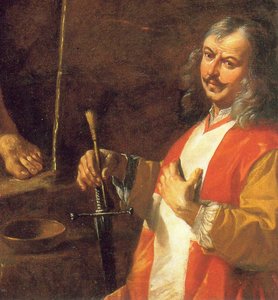
Mattia Preti
1613 - 1699 , Italia
Detalii rapide
- Artistic Movement Or Style: Baroque
- Artists Or Movements Influenced By This Artist: ['Calabrian School']
- Artists Who Influenced This Artist:
- Caravaggio
- Guercino
- Date Of Birth: 24 Feb 1613
- Date Of Death: 3 Ian 1699
- Full Name: Mattia Preti
- Nationality: Italian
- Notable Artworks:
- Absalom
- Tribute
- Place Of Birth: Taverna, Italia
Articole similare

Celestial Messengers: Angels in Painting – A Historical & Artistic Exploration
Explore the captivating history of angels in painting! Discover symbolism, iconic Renaissance & Byzantine masterpieces, and renowned artists. Expert insights for art lovers & collectors at OriginalUniqueArt.

Celestial Messengers: A Comprehensive Exploration of Angelic Representation in Art History
Explore the captivating history of angels in art! Discover symbolism, iconic Renaissance masterpieces & renowned artists. Expert insights for art lovers & collectors at OriginalUniqueArt.
Chiaroscuro and Soul: A Definitive Guide to the Drama and Emotion of Italian Baroque Masterpieces
Embark on a sophisticated journey through Italian Baroque art. Discover the dramatic interplay of light and emotion in Caravaggio’s masterpieces and explore how to bring this timeless grandeur into your collection with expert art insights.

The Dramatic Flourish: Exploring the Baroque Movement's Enduring Legacy in Art History
Explore the dramatic world of Baroque art! Discover iconic artists like Caravaggio & Rubens, defining techniques, and its lasting impact on art history. Expert insights for collectors & enthusiasts at OriginalUniqueArt.

The Visceral Stage: Exploring Dramatic Narratives & Emotional Intensity in Baroque Art
Explore the dramatic world of Baroque art! Discover iconic masters like Caravaggio & Rembrandt, their techniques, and the movement's lasting impact. Expert insights for collectors & enthusiasts at OriginalUniqueArt.



