

 Previzualizare
 Trimite prin felicitare
 Distribuie
 Detalii despre lucrare
 Ghid
Ghid

 Descarcă imaginea
 Produse similare
 Radiografie
 Galerie foto
 Statistici
Crucifixion
 Acrylic On Canvas
- WallArt
- Northern Renaissance
 1502
1502 531.0 x 320.0 cm
 Staatliche Kunsthalle Karlsruhe
 Vezi mai mult
Reproducere pictată manual în ulei
Pictură în ulei pe pânză, pictată manual de artiștii noștri la dimensiunea și ramele dorite de dumneavoastră, pe comandă. ( Comută pe versiunea Print Comută pe Imagine Digitală)




P118B lei10

P118H lei10

P118W lei10

P438Z lei10

P508JH lei12

P508YH lei12

P805H lei10

P805Z lei10

P919BZ lei10

P919G lei10

P919XJ lei10

P959ZH lei10

P968JZ lei12

W106C lei8

W218G lei10

W218JH lei8

W218Y lei10

W307PJ lei10

W316G lei10

W316PJ lei8

W316Y lei10

W398PJ lei8

W4111J lei10

W500HY lei15

W500JH lei15

W692G lei12

W849H lei8

W940BG lei15

W953PJ lei8




Alegeți dintre dimensiunile noastre prestabilite, care respectă proporțiile originale ale operei de artă.

Introduceți lățimea și înălțimea necesare pentru a se potrivi ramei sau peretelui dumneavoastră. Această lucrare este pictată manual, așa că, pentru o dimensiune cu o formă diferită, artistul poate picta puțin mai mult în jurul imaginii sau poate tăia puțin din margini — dumneavoastră decideți. Vă vom trimite o simulare digitală pentru aprobare înainte de a începe pictarea. Imaginea afișată pe această pagină nu reprezintă rezultatul real — doar simularea este reprezentativă.
După plasarea comenzii, echipa OriginalUniqueArt.com va contacta clientul prin e-mail pentru instrucțiuni și îi va furniza o previzualizare a machetei
Livrare în întreaga lume () în 3-4 săptămâni, în loc de cele 5 săptămâni standard. (27 Octombrie). Fără compromisuri în ceea ce privește calitatea.

Livrare expres gratuită la nivel mondial

Pânză de in de înaltă calitate

Asigurare completă pentru transport

Garanție de rambursare a taxelor vamale

Garanția fidelității culorilor

Politica de retur în 100 de zile (doar pentru defecte de fabricație)

Garanție de rambursare 100%

Ofertă pentru comenzi multiple
 Opțiunea cu sticlă este disponibilă doar pentru dimensiuni de sub 110 cm

Crucifixion
Tehnică de reproducere
Dimensiune reproducere
-


Preț total calculat
lei 1392
A Glimpse into the Soul of a Master: The Crucifixion by Matthias Grünewald
Matthias Grünewald’s “Crucifixion,” painted around 1501, isn't merely a depiction of a pivotal moment in Christian history; it’s an immersive experience—a visceral plunge into the depths of human suffering and profound spiritual contemplation. Born in Würzburg around 1470, Grünewald stood as a bridge between the vibrant hues and dynamic compositions of the late medieval period and the burgeoning realism of the early Renaissance. Unlike his Italian contemporaries who embraced classical ideals, Grünewald remained firmly rooted in the traditions of Northern Europe, imbuing his work with an intensely emotional quality that continues to resonate centuries later. This particular “Crucifixion” – a panel from the Isenheim Altarpiece – is a testament to this devotion, a stark and unforgettable image born not of idealized beauty but of raw, unvarnished truth.
The painting immediately commands attention with its deliberate monochrome palette. Shades of grey—ranging from near-white highlights on Christ’s body to deep, impenetrable blacks in the shadows—create an atmosphere of profound solemnity and dramatic intensity. This restricted color scheme isn't a limitation; it’s a strategic choice that amplifies the emotional impact, stripping away any distractions and forcing the viewer to confront the brutal reality of the scene. The composition itself is powerfully vertical, emphasizing the height of the cross—a symbol of both Christ’s sacrifice and humanity’s fall. Christ's torso and limbs are centrally positioned, drawing the eye directly to his suffering, while the truncated base of the cross subtly suggests a sense of confinement and vulnerability.
The Language of Line and Texture: Technique and Craftsmanship
Grünewald’s mastery lies not just in his understanding of color and composition but also in his meticulous technique. The painting is executed primarily through hatching and cross-hatching—a method of creating tonal variations by layering lines of differing densities. This painstaking process generates a remarkable sense of texture, allowing the artist to convincingly simulate the rough grain of the wooden cross, the folds of Christ’s loincloth, and even the thorny crown piercing his head. The musculature of Christ's body is rendered with astonishing anatomical accuracy, reflecting Grünewald’s deep observation of human form—a hallmark of Northern Renaissance art. The strong, defined lines delineate every contour, creating a sense of both vulnerability and immense strength.
Furthermore, the artist employs subtle shifts in value to create depth and volume. The highlights on Christ's body draw attention to his wounds, while the shadows accentuate the contours of his form, lending him an almost sculptural quality. The overall effect is one of intense realism—a deliberate departure from the idealized representations common in Italian Renaissance art. This commitment to portraying suffering with unflinching honesty speaks volumes about Grünewald’s artistic vision and his profound engagement with the subject matter.
Symbolism, Suffering, and Spiritual Resonance
Beyond its technical brilliance, “The Crucifixion” is rich in symbolic meaning. The starkness of the image—the absence of color, the brutal depiction of Christ’s suffering—serves to heighten the emotional impact and underscore the profound spiritual weight of the scene. Christ's emaciated body, riddled with wounds and pierced by nails, embodies the ultimate sacrifice for humanity’s sins. The surrounding figures – Saint Sebastian, Saint Anthony, Mary Magdalene, and John the Baptist – each contribute to the narrative, representing themes of martyrdom, compassion, repentance, and divine grace. The inclusion of John the Baptist pointing towards Christ is a clear reference to the Gospel accounts, emphasizing the significance of his sacrifice as the fulfillment of prophecy.
The painting’s origins within the Isenheim Altarpiece—a work designed for a hospital dedicated to treating plague sufferers—add another layer of meaning. Grünewald's choice of monochrome and his unflinching portrayal of suffering were intended to provide comfort and solace to those afflicted with illness, reminding them that Christ shared in their pain and offered hope amidst despair. “The Crucifixion” is therefore not simply a historical depiction but a powerful meditation on faith, suffering, and redemption—a timeless masterpiece that continues to move viewers centuries after its creation.
Further Research: For more detailed information, consider visiting the National Gallery of Art’s website for a high-resolution image and accompanying text. You can also explore Wikipedia’s entry on Matthias Grünewald for biographical details and historical context, or delve into articles like “Crucifixion, by Matthias Grünewald” on Christian Century.
Întrebări și răspunsuri
În ce muzeu se află originalul "Crucifixion"?
Originalul "Crucifixion" de Matthias Grünewald este păstrat la Staatliche Kunsthalle Karlsruhe, Karlsruhe, Germania. O reproducere permite expunerea operei în propria locuință.
Cum este construită compoziția cromatică a operei "Crucifixion" de Matthias Grünewald?
În "Crucifixion", un Gentle contrast se împletește cu o Unified Palette armonie.
Cum se încadrează "Crucifixion" în rândul temelor recurente ale lui Matthias Grünewald?
Printre temele consacrate ale lui Matthias Grünewald, northern renaissance realism, religious devotion, suffering, medieval symbolism, piety, altarpiece, devotional focus, grünewald's emotional style – „Crucifixion” oferă o perspectivă proprie asupra crucifixion, suffering, religion, medieval, grünewald, altarpiece, martyrdom.
Biografie artist
Matthias Grünewald: Viață și Moștenire
Primii Ani și Începuturile Artistice
Matthias Grünewald, născut sub numele de Mathis Gothart Neithardt în jurul anului 1470-1475 la Würzburg, Germania, a fost o figură centrală a Renașterii germane. Deși a trăit într-o epocă tot mai mult influențată de idealurile Renașterii italiene, Grünewដល់ a rămas profund înrădăcinat în tradițiile artistice ale Europei Centrale de la sfârșitul evului medieval. Detaliile despre primii săi ani sunt rare, însă este cunoscut faptul că și-a primit pregătirea artistică, probabil în cadrul unor ateliere locale.
Dezvoltarea Artistică și Influențe
Evoluția artistică a lui Grünewald a fost modelată de tradițiile europene de nord, marcate de realism, intensitate emoțională și o observație minuțioasă a detaliului. Opera sa trădează influențe de la maeștri precum Albrecht Dürer și Martin Schongauer, însă el a reușit să își creeze o cale unică, definită printr-o expresivitate dramatică și o paletă cromatică vibrantă. Spre deosebire de artiștii implicați direct în cercurile umaniste din Italia, arta sa a servit în principal scopuri religioase, devenind o oglindă a anxietăților spirituale ale epocii sale.
Capodopere și Stil Artistic
- Retabul Isenheim (1512-1516): Această capodoperă, păstrată la Musée d'Unterlinden din Colmar, este considerată opusul său major. Ea înfățișează scene din viața lui Hristos cu un realism tulburător, concentrându-se în mod deosebit pe temele suferinței și ale mântuirii.
- Crucificarea (aprox. 1502-15003): O lucrare timpurie care demonstrează stilul său în formare, evidențiind o emoție intensă și o precizie anatomică remarcabilă.
- Fecioara la Anunț (1512-14): O schiță pentru Retabul Isenheim, care dezvăluie procesul său de planificare meticuloasă.
- Moise (1511): Un desen care subliniază măiestria lui Grünewald în capturarea figurilor expresive și a pozițiilor dramatice.
Stilul lui Grünewald este remarcabil prin câteva elemente definitorii:
- Compoziție Dramatică: Utilizarea unor aranjamente dinamice pentru a amplifica impactul emoțional asupra privitorului.
- Paletă Cromatică Vibrantă: Folosirea unor culori intense, adesea contrastante, care creează o experiență vizuală puternică.
- Reprezentarea Realistă a Suferinței: Artistul nu s-a ferit să portretizeze durerea fizică și emoțională legată de narațiunile religioase.
- Figuri Expresive: Personajele sale sunt animate de emoții profunde și de o complexitate psihologică remarcabilă.
Semnificația Istorică și Moștenirea
Opera lui Grünewald rămâne o mărturie a puterii durabile a tradițiilor artistice medievale în Germania în timpul Renașterii. El a reușit să îmbine stilul gotic tardiv cu estetica emergentă a Renașterii, creând un limbaj vizual unic care a rezonat profund cu contemporanii săi. Influența sa poate fi urmărită la artiștii germani de generații ulterioare, care au continuat să exploreze temele fervorii religioase și ale intensității emoționale. Deși a fost în mare parte uitat timp de câteva secole după moartea sa în 1528, Grünewald a cunoscut o renaștere în secolul al XIX-lea, fiind recunoscut astăzi ca unul dintre cei mai importanți pictori ai Renașterii germane. Arta sa continuă să fascineze publicul prin emoția brută, strălucirea tehnică și profunzimea spirituală.
Explorare Suplimentară
Descoperă mai multe despre viața și operele lui Matthias Grünewald pe: OriginalUniqueArt

Matthias Grünewald
1480 - 1528 , Germania
Detalii rapide
- Artistic Movement Or Style: Renaștere germană
- Artists Or Movements Influenced By This Artist: ['Renaștere italiană']
- Artists Who Influenced This Artist:
- Albrecht Dürer
- Martin Schongauer
- Date Of Birth: c. 1470-1475
- Date Of Death: 31 august 1528
- Full Name: Matthias Grünewald
- Nationality: German
- Notable Artworks:
- Isenheim Altarpiece
- Crucifixion
- Virgin of the Annunciation
- Place Of Birth: Würzburg, Germania
Articole similare

Romantic Realism's Finest: 10 Masterpieces for Your Home | OriginalUniqueArt
Explore 10 defining masterpieces of Romantic Realism! Discover Courbet, Millet & Daumier's powerful paintings—capturing emotion and social realities. Find museum-quality reproductions for your home at OriginalUniqueArt.com.
Echoes of Society: Exploring Social Realism's Enduring Legacy in Art
Explore the powerful world of Social Realism art! Discover key artists, masterpieces & its profound social commentary. Expert insights into this influential movement's history and enduring legacy.
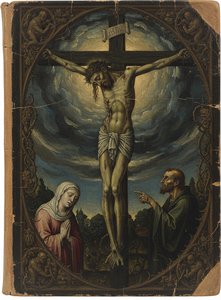
Matthias Grünewald: Devotion, Distortion & Spiritual Turmoil in Renaissance Art
Explore the profound religious art of Matthias Grünewald, master of the Isenheim Altarpiece. Discover his unique expressionism, symbolism & lasting impact on Renaissance painting. A guide for collectors and enthusiasts.
The Raw Truth: A Definitive Guide to the Power and Legacy of Social Realism Art
Explore the profound impact of Social Realism. Discover how masters like Courbet rejected idealism to capture the raw, socio-political truths of the working class through powerful, unvarnished art history and enduring visual critique.

The Northern Renaissance: A Flourishing of Realism, Religious Reform & Artistic Innovation
Explore the Northern Renaissance! Discover Jan van Eyck's innovations, religious shifts, & key artists of this influential period. Expert analysis and insights into Early Netherlandish painting at OriginalUniqueArt.


