

 Previzualizare
 Trimite
 Distribuie
 Detalii despre lucrare

 Descarcă
 Produse similare
 Radiografie
 Diapozitive automate
In Persia
 Acrylic
- WallArt
- Early Modern Landscape
 1915
1915 112.0 x 120.0 cm
 Vezi mai mult
Reproducere pictată manual în ulei
Pictură în ulei pe pânză, realizată manual de artiștii noștri la dimensiunea și ramele dorite de dumneavoastră, pe comandă. ( Comandă printul Cumpără imaginea)




P118B $10

P118H $10

P118W $10

P438Z $10

P508JH $12

P508YH $12

P805H $10

P805Z $10

P919BZ $10

P919G $10

P919XJ $10

P959ZH $10

P968JZ $12

W106C $8

W218G $10

W218JH $8

W218Y $10

W307PJ $10

W316G $10

W316PJ $8

W316Y $10

W398PJ $8

W4111J $10

W500HY $15

W500JH $15

W692G $12

W849H $8

W940BG $15

W953PJ $8




Alegeți dintre dimensiunile noastre prestabilite, care respectă proporțiile originale ale operei de artă.

Puteți introduce propriile dimensiuni pentru a se potrivi unui anumit cadru sau spațiu. Dacă dimensiunea selectată nu corespunde proporțiilor imaginii originale, vom decupa opera de artă sau vom extinde pictura cu elemente suplimentare pictate manual. O simulare digitală vă va fi trimisă pentru aprobare înainte de începerea producției.
Vă rugăm să rețineți că previzualizarea de pe ecran nu reflectă decuparea sau extinderea reală. Doar macheta va arăta cu exactitate compoziția finală.
Deși sunt disponibile dimensiuni personalizate, vă recomandăm să selectați o dimensiune din lista predefinită pentru a păstra proporțiile originale.
După plasarea comenzii, echipa OriginalUniqueArt.com va contacta clientul prin e-mail pentru instrucțiuni și îi va furniza o previzualizare a machetei
Livrare în întreaga lume () în 3-4 săptămâni, în loc de cele 5 săptămâni standard. (22 August). Fără compromisuri în ceea ce privește calitatea.

Livrare expres gratuită la nivel mondial

Pânză de in de înaltă calitate

Asigurare completă pentru transport

Garanție de rambursare a taxelor vamale

Garanția fidelității culorilor

Politica de retur în 60 de zile (doar pentru defecte)

Garanție de rambursare 100%

Ofertă pentru comenzi multiple
 Opțiunea cu sticlă este disponibilă doar pentru dimensiuni de sub 110 cm

In Persia
Tehnică de reproducere
Dimensiune reproducere
-


Preț total calculat
$ 300
Descriere operă de artă
A Window Into Armenian Soul: Exploring Martiros Saryan’s “In Persia”
- Subject Matter & Composition The painting, titled "In Persia," presents a captivating tableau of daily life in Armenia during the early 20th century. It depicts a lively gathering—likely a celebration or feast—featuring individuals engaged in various activities: horseback riding, tending to livestock, and enjoying a meal around a dining table. A prominent tree serves as a focal point, offering respite from the sun and contributing significantly to the overall depth of the scene.
- Style & Technique Saryan’s distinctive style is characterized by its expressive brushwork and vibrant color palette—a hallmark of Armenian landscape painting during this period. He employs loose, gestural strokes that convey movement and energy, capturing not just what he sees but also how it feels. The artist skillfully utilizes layering techniques to build up texture and create a rich visual experience.
- Historical Context Painted in 1915, “In Persia” emerges from a pivotal moment in Armenian history—the waning years of Tsarist Russia and the burgeoning anxieties surrounding Ottoman expansion. Saryan’s work reflects the cultural traditions and rural realities of Armenia at that time, offering a poignant glimpse into a society grappling with change while cherishing its heritage.
- Symbolism & Imagery The tree in the background isn't merely decorative; it symbolizes resilience and endurance—a recurring motif in Armenian art reflecting the nation’s history of overcoming adversity. The horses represent strength, nobility, and connection to the land, mirroring the values held dear by Armenian culture.
- Emotional Impact “In Persia” transcends mere representation; it evokes a profound sense of warmth, community, and nostalgia. Saryan's masterful use of color and brushwork captures the spirit of Armenian life—a celebration of simple pleasures and enduring traditions. It invites viewers to contemplate themes of connection to nature, familial bonds, and the preservation of cultural identity.
Biografie artist
Martiros Saryan: A Voice of Armenia’s Soul
Martiros Saryan, a name inextricably linked to the vibrant spirit and enduring beauty of Armenian landscape and portraiture, transcends the simple label of an artist; he was a conduit for his nation's very soul. Born in 1880 within the borders of Nakhichevan-on-Don – a region now nestled within Russia – Saryan’s life unfolded as a remarkable odyssey, shaped by artistic tutelage, international sojourns, and ultimately, an unwavering commitment to capturing the essence of Armenia itself. His oeuvre stands as a testament to his profound connection with his homeland, offering viewers an intimate glimpse into its breathtaking landscapes, cherished traditions, and the resilient spirit that defines its people.
Saryan’s formative years were steeped in a unique upbringing. Raised within the confines of a modest village, he initially received his artistic guidance from his elder brother, Hovhannes Saryan – a skilled teacher who instilled within him an ardent love for drawing and painting. This foundational training, meticulously complemented by formal studies at the prestigious Moscow School of Arts – including workshops led by the esteemed Valentin Serov and Konstantin Korovin – provided him with a robust technical base while simultaneously exposing him to the burgeoning currents of Post-Impressionism, particularly the evocative styles championed by Paul Gauguin and Henri Matisse. These encounters proved transformative, profoundly shaping his approach to color, composition, and the expressive potential inherent within brushwork.
Saryan’s artistic trajectory took a decisive turn in 1901 when he embarked on his inaugural journey to Armenia. This visit ignited within him an unyielding dedication to portraying his homeland with unparalleled honesty and passion. He devoted considerable time to traversing the diverse regions – from the rugged, imposing mountains of Lori to the fertile plains of Shirak, the ancient monasteries of Echmiadzin and Haghpat, and the serene shores of Lake Sevan – meticulously documenting their splendor through a series of evocative landscapes. These early works—including “Makravank” (1902), “Aragats” (1902), and “Buffalo at Sevan” (1903)—quickly garnered recognition for their vibrant palettes, dynamic brushstrokes, and the palpable sense of place they so powerfully conveyed. They weren’t merely depictions of scenery; they were imbued with a deep emotional resonance, reflecting Saryan's profound connection to his roots.
Following his initial exploration of Armenia, Saryan continued his artistic explorations across Turkey, Egypt, and Iran during the early 1910s. These travels broadened his perspective and exposed him to diverse artistic influences, enriching his already burgeoning style. However, his return to Armenia in 1915, amidst the harrowing circumstances of the Armenian Genocide, marked a pivotal moment in his career. Witnessing firsthand the suffering and displacement of his people fueled an even greater urgency within him to document and preserve the memory of Armenia. He dedicated himself to assisting refugees, offering solace through his art, and creating works that served as poignant reminders of their lost homeland. This period yielded some of his most deeply moving paintings—such as “Burning Heat with a Dog Running” (1916)—capturing the raw emotion of displacement and resilience.
The tumultuous years following World War I saw Saryan navigating the complexities of Soviet Armenia. Despite facing political restrictions and challenges, he remained steadfast in his artistic pursuits, continuing to paint landscapes, portraits, and scenes from Armenian life. He played a crucial role in establishing the Society of Armenian Artists in Tiflis (now Tbilisi), fostering a new generation of artists and promoting Armenian art on an international stage. His design work for the Armenian State Theatre’s curtain stands as a testament to his versatility and artistic vision.
Key Characteristics & Artistic Style
Saryan’s distinctive style is characterized by a vibrant palette, bold brushstrokes, and an expressive use of color. He frequently employed techniques reminiscent of Post-Impressionism, particularly the work of Gauguin and Matisse, incorporating elements of Fauvism into his landscapes. His paintings are often imbued with a sense of movement and energy, achieved through dynamic compositions and loose, gestural brushwork. He favored depicting scenes from rural Armenian life – shepherds tending their flocks, villagers engaged in daily activities, and the majestic beauty of the Armenian countryside – capturing not just the visual appearance but also the emotional atmosphere of these settings.
His portraits are equally compelling, revealing a deep understanding of human character. He skillfully captured the essence of his subjects through expressive eyes and subtle gestures, conveying their inner lives with remarkable sensitivity. A recurring motif in his work is the use of light – often warm and golden – which illuminates his scenes and imbues them with a sense of warmth and vitality.
Major Works & Recognition
Among Saryan’s most celebrated works are:
- “Makravank” (1902): A vibrant depiction of the Makravank monastery, showcasing his mastery of color and composition.
- “Aragats” (1902): An iconic image of Mount Aragats, Armenia’s highest peak, symbolizing strength and resilience.
- “Buffalo at Sevan” (1903): A dynamic landscape capturing the beauty of Lake Sevan and its surrounding scenery.
- “Evening in the Garden” (1903): A serene portrayal of an Armenian village garden bathed in the golden light of dusk.
- “In the Armenian Village” (1903): A charming depiction of daily life in a traditional Armenian village.
Saryan’s artistic achievements were widely recognized throughout his career. He was awarded the title of “People’s Artist of the USSR” in 1960 and received numerous accolades, including the Lenin Prize and the Order of Lenin. His work has been exhibited extensively both within Armenia and internationally, solidifying his place as a leading figure in Armenian art.
Historical Significance & Legacy
Martiros Saryan’s contribution to Armenian art is profound and multifaceted. He played a pivotal role in establishing a distinctively Armenian style of painting, moving beyond traditional academic approaches and embracing a more expressive and emotionally resonant form of artistic expression. His work served as a powerful symbol of national identity during a period of significant political and social upheaval, capturing the spirit of Armenia and its people.
His dedication to portraying the beauty of his homeland, particularly in the face of adversity, has made him an enduring icon of Armenian culture. The Saryan Museum in Yerevan stands as a testament to his legacy, offering visitors a chance to immerse themselves in his world and appreciate the depth and richness of his artistic vision. Saryan’s influence continues to be felt by artists today, inspiring them to explore their own cultural heritage and create works that reflect the beauty and complexity of their respective nations.
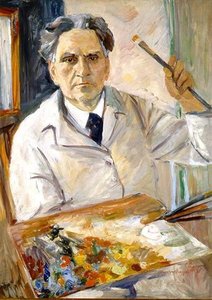
Martiros Saryan
1880 - 1972 , Русия
Detalii rapide
- Artistic Movement Or Style: Post Impressionism
- Artists Or Movements Influenced By This Artist: ['The Four Arts']
- Artists Who Influenced This Artist:
- Paul Gauguin
- Henri Matisse
- Date Of Birth: Feb 28, 1880
- Date Of Death: May 5, 1972
- Full Name: Martiros Saryan
- Nationality: Armenian
- Notable Artworks:
- Armenia
- Morning at Stavrino
- Burning Heat with a Dog Running
- Place Of Birth: Novaya Nakhichevan, Rusia
Articole similare
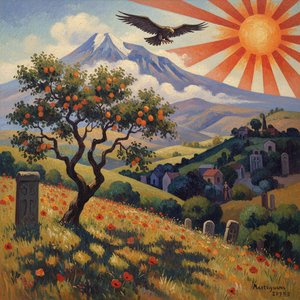
Martiros Saryan: A Revolutionary Vision of Armenian Identity Through Modernist Painting
Explore the revolutionary art of Martiros Saryan, founder of modern Armenian painting. Discover his vibrant landscapes, cultural impact & legacy at OriginalUniqueArt.com.

Evocations of Place: A Historical Journey Through Landscape Art
Explore the rich history of landscape art with OriginalUniqueArt. Discover renowned artists, movements like Impressionism & Romanticism, and expert guidance for collecting timeless pieces. Find your perfect serene escape today!

John Constable: Cele Mai Frumoase 25 de Capodopere – Artă Clasică pentru Decorul Casei Tale
Descoperă cele mai frumoase 25 de picturi ale lui John Constable, maestru al peisajului englezesc! Explorează stilul romantic, Dedham Vale și capodopere precum The Hay Wain. Reproduceri artă clasică pentru decorul casei tale – OriginalUniqueArt.com.

Evocations of Place: A Historical Journey Through Landscape Art
Explore the rich history of landscape art with OriginalUniqueArt. Discover renowned artists, movements like Impressionism & tonalism, and expert guidance for collecting timeless pieces. Find your perfect serene escape today!

Paul Cézanne: Cele Mai Reprezentative 25 De Capodopere – Artă, Istorie și Decorațiuni Interioare
Descoperă cele mai frumoase 25 de capodopere Paul Cézanne! Explorează istoria, tehnicile și semnificația picturilor impresioniste iconice. Reproduceri artă de calitate muzeală & inspirație decor interioară pe OriginalUniqueArt.com.

