Previzualizare
 Trimite prin felicitare
 Distribuie
 Detalii despre lucrare
 Ghid
Ghid

 Descarcă imaginea
 Produse similare
 Radiografie
 Galerie foto
 Q&A
Q&A Statistici
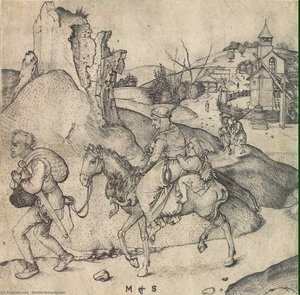
The Fourth Wise Virgin

- 122.0 x 84.0 cm


 Vezi mai mult
Giclée / Imprimare artistică
Printuri giclée sau pe canvas de calitate muzeală, cu proces de producție rapid și opțiuni flexibile de finisare. ( Comandă pictură realizată manual Comută pe Imagine Digitală)




P118B lei10

P118H lei10

P118W lei10

P438Z lei10

P508JH lei12

P508YH lei12

P805H lei10

P805Z lei10

P919BZ lei10

P919G lei10

P919XJ lei10

P959ZH lei10

P968JZ lei12

W106C lei8

W218G lei10

W218JH lei8

W218Y lei10

W307PJ lei10

W316G lei10

W316PJ lei8

W316Y lei10

W398PJ lei8

W4111J lei10

W500HY lei15

W500JH lei15

W692G lei12

W849H lei8

W940BG lei15

W953PJ lei8




Alegeți dintre dimensiunile noastre prestabilite, care respectă proporțiile originale ale operei de artă.

Introduceți lățimea și înălțimea necesare pentru a se potrivi ramei sau peretelui dumneavoastră. O printare poate fi doar tăiată, niciodată extinsă dincolo de dimensiunea imaginii originale, astfel încât o dimensiune cu o formă diferită va pierde o parte din imagine. Vă trimitem o simulare digitală pentru aprobare înainte de a imprima orice. Imaginea afișată pe această pagină nu prezintă tăierea reală — doar simularea arată acest lucru.
Livrare în întreaga lume () în 2 săptămâni, în loc de cele 4/5 săptămâni standard. (2 Noiembrie)

Livrare expres gratuită la nivel mondial

Pânză de in de înaltă calitate

Asigurare completă pentru transport

Garanție de rambursare a taxelor vamale

Garanția fidelității culorilor

Politica de retur în 100 de zile (doar pentru defecte de fabricație)

Garanție de rambursare 100%

Ofertă pentru comenzi multiple
 Opțiunea cu sticlă este disponibilă doar pentru dimensiuni de sub 110 cm

The Fourth Wise Virgin
Giclée / Imprimare artistică
Dimensiune reproducere
-


Preț total calculat
lei 380
The Fourth Wise Virgin: A Glimpse into Northern Renaissance Mystery
Martin Schongauer’s “The Fourth Wise Virgin,” created around 1490, is more than just an engraving; it's a meticulously crafted window into the spiritual and artistic currents of late medieval Germany. This captivating image, housed within the National Gallery of Art in Washington D.C., draws upon both established iconography – referencing the biblical tale of the Wise Virgins – and Schongauer’s own distinctive style, blending meticulous detail with an almost haunting sense of introspection. The work immediately commands attention not through grand scale or overt drama, but through a profound quietude and a subtle layering of symbolism that invites prolonged contemplation.
Schongauer's artistic lineage is deeply rooted in the traditions of goldsmithing, a craft he likely learned from his father. This background profoundly shaped his approach to engraving – an art demanding unparalleled precision and control over line. The image’s remarkable clarity stems from Schongauer’s mastery of hatching and cross-hatching techniques, creating a sophisticated illusion of form and texture. He doesn't simply depict the figure; he sculpts her presence with carefully placed lines, imbuing the composition with an almost palpable sense of weight and volume. The use of negative space is equally crucial, drawing attention to the central subject while subtly suggesting the vastness of the surrounding world – a world both familiar and potentially perilous.
A Biblical Narrative Illuminated
The scene itself draws upon the well-known parable of the Wise and Foolish Virgins. Ten young women are preparing for the wedding of the king, each carrying a lamp filled with oil. The foolish ones neglect their duty, leaving their lamps unlit, and are subsequently barred from entering the celebration. The Fourth Virgin, depicted here in profile, embodies a serene yet subtly melancholic acceptance of her fate. Her posture is dignified, suggesting not despair but a quiet understanding of divine judgment. The candle she holds – a potent symbol of faith, enlightenment, and guidance – casts a gentle glow upon her face, illuminating her expression with an ethereal light.
Schongauer’s choice to focus on this particular virgin is intriguing. Unlike the more overtly dramatic depictions found in other prints from the series, Schongauer's rendering emphasizes introspection rather than external action. The background is deliberately sparse, devoid of elaborate details or distracting elements. This minimalist approach directs the viewer’s attention entirely onto the figure herself, amplifying her internal state and inviting us to contemplate the moral implications of the story. The composition subtly suggests a sense of isolation – a solitary figure contemplating a universal truth.
Technique and Historical Context
“The Fourth Wise Virgin” is a prime example of Northern Renaissance engraving, characterized by its meticulous detail, refined draftsmanship, and a deep engagement with both religious iconography and contemporary fashion. Schongauer’s work reflects the influence of Early Netherlandish painting, particularly the realism and attention to texture evident in the drapery and facial features. The print's creation coincided with a period of significant artistic innovation, as engravers began to explore new techniques for achieving greater tonal range and simulating the effects of paint. The use of a copper or iron plate, meticulously etched with lines using specialized tools like burins, is itself a testament to Schongauer’s technical skill.
Furthermore, the print's creation occurred during a time of intense religious fervor and social upheaval in Europe. The Reformation was gaining momentum, challenging traditional beliefs and practices. Schongauer’s work can be interpreted as a meditation on themes of faith, judgment, and redemption – timeless concerns that resonated deeply with audiences throughout the Renaissance.
A Timeless Symbol of Reflection
“The Fourth Wise Virgin” endures not merely as a beautiful engraving but as a poignant reflection on human nature. Schongauer’s masterful use of line, light, and shadow creates an image that is both visually arresting and emotionally resonant. It's a work that invites viewers to contemplate their own choices, their own faith, and their place within the larger narrative of life and death. The engraving’s quiet dignity and subtle symbolism continue to captivate audiences centuries after its creation, solidifying Schongauer’s legacy as one of the most important printmakers of the Northern Renaissance.
Întrebări și răspunsuri
Ce intensitate de culoare are "The Fourth Wise Virgin" de Martin Schongauer?
Culorile din "The Fourth Wise Virgin" de Martin Schongauer au o intensitate Monochromatic.
"The Fourth Wise Virgin" de Martin Schongauer este o compoziție de tip portret, peisaj sau pătrată?
"The Fourth Wise Virgin" de Martin Schongauer este o compoziție de tip Portrait. Proporțiile merită verificate înainte de a alege dimensiunea printului.
Ce tehnică a fost utilizată pentru "The Fourth Wise Virgin" de Martin Schongauer?
"The Fourth Wise Virgin" este realizat în Engraving."
Biografie artist
Martin Schongauer: Viață și Moștenire
Primii ani și formarea artistică
Martin Schongauer, născut în jurul anului 1450 la Colmar, în Alsacia (astăzi Franța), a fost o figură esențială în dezvoltarea artei printului în timpul Renașterii Nordice. Provenind dintr-o familie de artizani, viața sa a fost modelată de moștenirea tatălui său, Caspar Schonglaguer, un aurist care se mutase la Colmar din Augsburg, Germania, în jurul anului 1440. Acest context familial i-a influențat profund primii ani de formare artistică, deoarece meșteșugul aurăriei i-a oferit o bază solidă în ceea ce privește precizia detaliului și tehnicile prelucrării metalelor – abilități care s-au transferat direct în arta gravurii.
Educație și evoluție artistică
În anul 1465, Schongauer a urmat scurt studii la Universitatea din Leipzig, însă a renunțat rapid la căutările academice pentru a se dedica în întregime artei. Inițial, s-a format ca pictor sub îndrumarea lui Caspar Isenmann, un maestru local influențat de pictura flamandă timpurie, în special de opera lui Rogier van der Weyden. Această expunere timpurie la realismul nederlandez și atenția meticuloasă la detalii au devenit ulterior trăsăturile distinctive ale propriului său stil.
Stil artistic și influențe
Stilul artistic al lui Schongauer este definit de o estetică gotică clară și organizată, împletită cu influențele emergente ale Renașterii Nordice. Remarcabil este faptul că acesta nu a prezentat o influență italiană directă, ci a căutat inspirația în tradițiile germane și în cele nederlandeze timpurii. Opera sa demonstrează un detaliu minuțios, figuri expresive și o înțelegere sofisticată a compoziției.
- Caracteristici cheie: Gravură precisă, reprezentări realiste, narațiuni dramatice, structură gotică
- <Influențe: Rogier van der Weyden, Caspar Isenmann, tradiții gotice germane
Realizări majore și opere
Schongauer este cel mai cunoscut pentru cele 116 gravuri ale sale, fiecare fiind identificată prin monograma sa. Aceste printuri au fost răspândite pe tot cuprinsul Europei, impactând semnificativ dezvoltarea tehnicilor de printare și a stilurilor artistice. Gravurile sale ilustrau adesea scene religioase, portrete și subiecte alegorice.
- Madonna of the Rose Bower (1473): O pictură remarcabilă ce demonstrează abilitatea sa de a surprinde detalii delicate și profunzime emoțională.
- <Gravuri: Incluzând Tentarea Sfântului Antonie, Adorația Păstorilor și numeroase altele, care dovedesc măiestria sa în tehnica gravurii.
Semnificație istorică și moștenire
Impactul lui Martin Schongauer asupra lumii artei a fost de o amploare considerabilă. A fost unul dintre primii artiști germani care au obținut recunoaștere internațională în calitate de gravor. Printurile sale erau extrem de căutate și copiate cu largă distribuție, răspândind stilul său artistic prin întreaga Europă. Este documentat faptul că chiar Michelangelo a studiat și a copiat una dintre gravurile lui Schongauer – Trial of Saint Anthony – ceea ce demonstrează respectul imens cu care maestrii ulteriori îl priveau pe Schongauer.
Opera lui Schongauer a servit drept punte între arta gotică și Renaștere, deschizând calea unor artiști precum Albrecht Dürer. Utilizarea sa inovatoare a tehnicilor de gravură și devotamentul pentru detaliul artistic au lăsat o moștenire durabilă în istoria printului și a artei europene de Nord.
Moarte
Martin Schongauer a decedat la Breisach, pe 2 februarie 1491, lăsând în urmă un corpus de lucrări remarcabile care continuă să fie celebrate pentru valoarea lor artistică și importanța istorică.

Martin Schongauer
1450 - 1491 , Franța
Detalii rapide
- Artistic Movement Or Style: Gothic art & Northern Renaissance
- Artists Or Movements Influenced By This Artist: ['Albrecht Dürer']
- Artists Who Influenced This Artist:
- Rogier van der Weyden
- Caspar Isenmann
- Date Of Birth: c. 1450–53
- Full Name: Martin Schongauer
- Nationality: Alsatian
- Notable Artworks:
- Madonna in the Rose Bower
- The Temptation of Saint Anthony
- Place Of Birth: Colmar, Alsace (France)
Articole similare
Top 10 Gravuri Legendare care au Schimbat Arta pentru Totdeauna | OriginalUniqueArt.com
Descoperă Top 10 gravuri legendare de la Dürer, Rembrandt și Goya! Explorează istoria artei, tehnicile maeștrilor și impactul lor asupra culturii. Reproduceri artă de calitate muzeală pentru un decor rafinat pe OriginalUniqueArt.com

Hendrick Goltzius: Master Engraver & the Flourishing of Dutch Mannerism
Explore the life & art of Hendrick Goltzius, a master engraver of Dutch Mannerism. Discover his innovative techniques, iconic engravings like 'Jahel', and lasting influence on Baroque art. Learn about collecting Goltzius today.

The Art of Engraving: Mastering Precision and Detail in the Intaglio Tradition
Explore the profound mastery of engraving and intaglio printmaking. Delve into the rich history, technical precision of the burin, and the enduring legacy of fine art techniques that shaped the world's most iconic masterpieces.

The Intricate World of Engraving: A Historical Survey of Technique, Artistic Expression & Enduring Legacy
Explore the rich history of engraving with OriginalUniqueArt. Discover techniques, iconic artists like Dürer & Callot, collecting tips, and expert guidance for preserving your art investment. Learn about intaglio printing & more!

Engraving: A Historical Survey of Technique, Artistic Expression & Enduring Legacy
Explore the rich history of engraving with OriginalUniqueArt. Discover techniques, iconic artists like Dürer & Callot, collecting tips, and expert guidance for preserving your art investment. Learn about intaglio printing & more!