

 Vezi în context
 Trimite
 Distribuie
 Detalii
 Ghidul

 Descarcă
 Produse similare
 Radiografie
 Diaporama
 Statistici
St Norbert
 Oil On Panel
- Baroque
 1637
1637 158.0 x 120.0 cm
 Catedrala Onze-Lieve Vrouwekathedraal
 Citește mai mult
Reproducere pictată manual în ulei
Pictură în ulei pe pânză, realizată manual de artiștii noștri la dimensiunea și ramele dorite de dumneavoastră, pe comandă. ( Comută pe versiunea Print Treci la imagine digitală)




P118B lei10

P118H lei10

P118W lei10

P438Z lei10

P508JH lei12

P508YH lei12

P805H lei10

P805Z lei10

P919BZ lei10

P919G lei10

P919XJ lei10

P959ZH lei10

P968JZ lei12

W106C lei8

W218G lei10

W218JH lei8

W218Y lei10

W307PJ lei10

W316G lei10

W316PJ lei8

W316Y lei10

W398PJ lei8

W4111J lei10

W500HY lei15

W500JH lei15

W692G lei12

W849H lei8

W940BG lei15

W953PJ lei8




Alegeți dintre dimensiunile noastre prestabilite, care respectă proporțiile originale ale operei de artă.

Introduceți lățimea și înălțimea de care aveți nevoie, pentru a se potrivi ramei sau peretelui dumneavoastră. Această lucrare este pictată manual, așa că pentru o dimensiune cu o formă diferită, artistul poate picta puțin mai mult în jurul imaginii sau poate tăia puțin din margini — dumneavoastră decideți. Vă vom trimite o simulare digitală pentru aprobare înainte de a începe pictarea. Imaginea afișată pe această pagină nu reprezintă rezultatul real — doar simularea este reprezentativă.
După plasarea comenzii, echipa OriginalUniqueArt.com va contacta clientul prin e-mail pentru instrucțiuni și îi va furniza o previzualizare a machetei
Livrare în întreaga lume () în 3-4 săptămâni, în loc de cele 5 săptămâni standard. (23 Octombrie). Fără compromisuri în ceea ce privește calitatea.

Livrare expres gratuită la nivel mondial

Pânză de in premium

Asigurare completă pentru transport

Garanție de rambursare a taxelor vamale

Garanția fidelității culorilor

Politica de retur în 100 de zile (doar pentru defecte)

Garanție de rambursare 100%

Reducere pentru comenzi multiple
 Opțiunea cu sticlă este disponibilă doar pentru dimensiuni de sub 110 cm

St Norbert
Tip de reproducere
Dimensiune reproducere
-


Preț total
lei 1391
St Norbert by Marten Pepijn: A Baroque Meditation on Faith
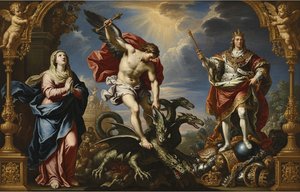
Marten Pepijn’s “St Norbert,” completed in 1637, is more than just a depiction of a saint; it's a meticulously crafted meditation on faith, humility, and the profound stillness of prayer. Executed in oil on panel to a modest size of 158 x 120 cm, this work immediately draws the viewer into its somber yet deeply resonant atmosphere – a hallmark of the Antwerp Baroque style that flourished during Pepijn’s lifetime. Currently residing within the hallowed halls of the Onze-Lieve Vrouwekathedraal in Antwerp, Belgium, “St Norbert” offers a rare glimpse into the devotional practices and artistic sensibilities of 17th-century Europe.
A Masterclass in Baroque Technique
Pepijn’s skill as a painter is immediately apparent through his masterful manipulation of light and shadow, a technique central to the Baroque aesthetic. The dramatic lighting – strong directional beams illuminating St Norbert's form – serves not merely to reveal detail but to imbue the scene with an almost theatrical intensity. Notice how the folds of the white robe are sculpted by the light, creating a tangible sense of volume and texture. This attention to realism is further enhanced by his use of earth tones—ochres, browns, and muted reds—that contribute to the painting’s solemn mood. The artist's brushwork is precise yet fluid, demonstrating a deep understanding of oil paint’s capabilities – layering glazes for depth and luminosity, and impasto in areas like the pectoral cross to create a tactile effect.
Symbolism Within the Scene
The composition itself is laden with symbolic meaning. St Norbert, kneeling in prayer with his hands clasped together, embodies humility and devotion. The white robe, a traditional symbol of purity and holiness, underscores his status as a saint. Crucially, the pectoral cross hanging around his neck – a relic associated with Saint Norbert himself – serves as a potent reminder of his life’s work and spiritual authority. The two lit candles on the table or altar are not simply decorative; they represent divine illumination and the presence of God, further emphasizing the scene's sacred nature. The setting itself, likely a private chapel or devotional space, reinforces this sense of intimacy and reverence.
Historical Context and Artistic Influences
"St Norbert" was created during a period of immense religious and artistic upheaval in Europe. The Counter-Reformation fueled a renewed interest in religious art as a means of reaffirming Catholic doctrine, and Pepijn’s work reflects this trend. He was influenced by the grand narratives and dynamic compositions favored by Peter Paul Rubens and Anthony Van Dyck, both prominent figures of the Antwerp Baroque scene. However, unlike their often expansive historical paintings, “St Norbert” is more intimate in scale, focusing on a single moment of profound spiritual contemplation – a characteristic that aligns it firmly within the genre of religious iconography.
Emotional Impact and Artistic Legacy
Ultimately, "St Norbert" transcends its technical brilliance to evoke a powerful emotional response. The painting’s somber mood, combined with St Norbert's earnest expression, invites viewers to contemplate themes of faith, repentance, and the search for spiritual solace. Pepijn’s ability to capture such profound human emotion through his masterful technique ensures that “St Norbert” remains a significant work of art – a testament to the enduring power of religious imagery and the legacy of the Antwerp Baroque.
Întrebări și răspunsuri
Cât de intense sunt culorile în "St Norbert" de Marten Pepijn?
"St Norbert" de Marten Pepijn prezintă o intensitate a culorii Monochromatic.
În ce etapă a carierei lui Marten Pepijn se încadrează "St Norbert", având în vedere data sa de execuție?
"St Norbert", creat în 1637, aparține perioadei Mature Period din cariera lui Marten Pepijn."
Cum este descrisă atmosfera din "St Norbert" de Marten Pepijn?
"St Norbert" de Marten Pepijn este descris ca având o atmosferă Dramatic. Această clasificare poate ajuta la potrivirea lucrării cu un anumit decor.
Biografie artist
A Legacy of Flemish Grandeur
In the heart of the Antwerp Baroque, a period defined by its dramatic flair and emotional depth, the name Marten Pepijn resonates as a testament to the enduring power of religious and historical narrative. Born in 1575 into the bustling commercial atmosphere of Antwerp, Belgium, Pepijn was the son of Willem Pepijn, a man whose role as a cloth merchant and art dealer provided the young artist with an early, intimate connection to the world of visual splendor. While the precise details of his formative training remain shrouded in the mists of history, his professional ascent was undeniably marked by his admission to the prestigious Antwerp Guild of Saint Luke in 1600. Entering as a wijnmeester—a designation reserved for the sons of established masters—he stepped into a lineage of craftsmanship that would define his career and influence the next generation of Flemish painters.
Pepijn’s personal life was deeply intertwined with the artistic fabric of his city. His marriage to Marie Huybrechts in 1601 established a household where art was not merely a profession but a family vocation. This legacy of talent was most vibrantly realized in his daughter, Katharina Pepijn, who emerged as a celebrated portrait painter in her own right, mastering a style that echoed the greatness of Rubens and Van Dyck. Through such familial connections, the technical prowess and aesthetic sensibilities of Marten Pepijn were woven into the very tapestry of the 17th-century Flemish art scene, ensuring that his influence would ripple through the decades.
The Mastery of Light and Devotion
The oeuvre of Marten Pepijn is a captivating study in stylistic duality, ranging from the monumental to the intimate. He is most renowned for his large-scale religious compositions and altarpieces, works that embody the spiritual intensity of the Counter-Reformation. In masterpieces such as St Norbert, one can witness his ability to manipulate light and shadow—a technique known as chiaroscuro—to evoke a sense of divine presence and profound piety. His religious scenes often feature kneeling figures caught in moments of ecstatic prayer, where the dramatic interplay of illumination creates a palpable tension between the earthly and the celestial.
Yet, beyond the heavy drapery and muscular forms of his sacred works, there exists a more delicate side to his artistry. Pepijn’s smaller genre scenes, such as the vibrant The Ball at the Court (1604), reveal a different facet of his genius. These cabinet paintings, often characterized by softer contours and more delicate figures, suggest a close dialogue with the works of Frans Francken the Younger. In these lighter compositions, the artist captures the elegance of courtly life, utilizing rich colors and intricate details to transport the viewer into the lively, rhythmic atmosphere of an aristocratic ballroom. This versatility allowed him to navigate both the solemn requirements of the Church and the sophisticated tastes of private collectors.
Artistic Influence and Historical Significance
To understand Marten Pepijn is to understand the complex web of influences that shaped the Antwerp school. While historical debates occasionally suggest a rivalry with the legendary Peter Paul Rubens, modern scholarship points toward a more harmonious relationship, evidenced by the deep social ties between their families. His connection to Anthony van Dyck was equally profound; the fact that Van Dyck chose to capture Pepijn’s likeness in a portrait speaks volumes of the respect held for his contemporary. This era of intense artistic exchange allowed Pepijn to absorb the burgeoning Baroque energy while maintaining a connection to the more traditional, structured compositions of the late Renaissance.
As an educator, Pepijn played a vital role in sustaining the Flemish tradition through his dedicated apprenticeship program. Between 1602 and 1628, he guided at least eight pupils through the rigors of oil painting, passing on the secrets of pigment, composition, and narrative depth. His historical significance lies not only in the individual beauty of his canvases but in his role as a pillar of the Antwerp artistic community. Through his large-scale history paintings, his evocative religious altarpieces, and his contribution to the lineage of Flemish masters, Marten Pepijn remains a vital figure for anyone seeking to understand the soul of the Baroque era.

Marten Pepijn
1575 - 1643 , Belgium
Informații rapide
- Full Name: Marten Pepijn
- Nationality: Flemish
- Date Of Birth: 1575
- Date Of Death: 1643
- Place Of Birth: Antwerp, Belgium
- Notable Artworks:
- St Norbert
- Portrait Of The Artist Marten Pepijn
- Artistic Movement Or Style: Baroque
- Artists Who Influenced This Artist:
- Rubens
- Francken
- Artists Or Movements Influenced By This Artist: ['Dutch Golden Age']
Articole conexe

The Dramatic Flourish: Exploring the Baroque Movement's Enduring Legacy in Art History
Explore the dramatic world of Baroque art! Discover iconic artists like Caravaggio & Rubens, defining techniques, and its lasting impact on art history. Expert insights for collectors & enthusiasts at OriginalUniqueArt.
The Dramatic Flourish: Exploring Themes of Power, Faith & Emotion in Baroque Artworks
Explore the dramatic world of Baroque art! Discover masters like Zurbarán & the powerful influence of religious zeal on painting techniques. Expert insights for collectors and enthusiasts.

Oil on Canvas: A Historical & Technical Exploration of a Timeless Artistic Medium
Explore the rich history & enduring techniques of oil painting on canvas. Discover the science behind its longevity, conservation practices, and contemporary relevance. Expert insights for art enthusiasts.

Drama Barocă: Cum să Aduceți Splendoare și Emoție în Interioarele Contemporane
Descoperiți cum să integrați splendoarea stilului baroc în locuința dumneavoastră! Ghid complet cu elemente de design, culori și inspirație pentru interioare luxoase și pline de emoție.

The Enduring Power of Painting: A Historical & Contemporary Exploration of Form and Emotion
Explore the rich history & enduring techniques of oil painting with OriginalUniqueArt. Discover masterpieces, learn about art collecting, and find authentic handmade reproductions crafted by skilled artists.