
 Previzualizare
 Trimite prin felicitare
 Distribuie
 Detalii despre lucrare
 Ghid
Ghid

 Descarcă imaginea
 Produse similare
 Radiografie
 Galerie foto
 Întrebări și răspunsuri
 Statistici
No Interviews, Please

- 30.0 x 22.0 cm


 Vezi mai mult
Obțineți un fișier gata de imprimare care depășește cu mult calitatea previzualizării web. Fiecare imagine digitală pe care o vindem provine dintr-un master de înaltă rezoluție din baza noastră de date — având, de regulă, o lățime între 5.000 și 15.000 de pixeli — astfel încât să puteți printa în format mare, să decupați strâns sau să reproduceți detalii fine cu încredere.
Niciun fișier nu părăsește studioul nostru fără să fie tratat. Un expert digital verifică nuanțele de culoare în raport cu pictura originală și le corectează acolo unde este necesar, apoi îmbunătățește claritatea și detaliile folosind instrumente profesionale de retușare — rămânând întotdeauna fidel gestului pictural și stilului artistului. Rezultatul este o imagine care seamănă cu tabloul propriu-zis, nu cu o scanare filtrată.
Aprobați înainte de finalizare: expertul nostru vă va trimite imaginea prin e-mail în termen de 72 de ore pentru revizuire. Nu sunteți mulțumit? Solicitați îmbunătățiri sau corecturi, ori cereți o restituire a plății dacă calitatea nu este pe măsura așteptărilor.
Aceasta este calitatea pe care se bazează editorii, studiourile de design, galeriile și tipăriturile.
Imagine Digitală
Descărcați un fișier la rezoluție înaltă pentru afișare personală, imprimare și proiecte creative. ( Comută pe versiunea Print Comandă pictură realizată manual)
Inclus în fiecare comandă de imagini digitale
Livrare digitală de expertiză, garantată
Când alegeți OriginalUniqueArt.com, nu primiți doar o simplă imagine – primiți o operă de artă digitală îmbunătățită profesional, creată cu precizie și susținută de o garanție de satisfacție. Iată tot ceea ce primești odată cu comanda ta, în mod automat:

Livrare rapidă prin e-mail
Fișierul imaginii digitale la rezoluție înaltă vă va fi trimis prin e-mail în termen de 72 de ore de la finalizarea comenzii – gata pentru utilizare imediată.

Fișier digital optimizat prin IA
Opera ta de artă este optimizată profesional prin intermediul unor instrumente AI avansate și al editării manuale, asigurând un nivel maxim de detalii, claritate și acuratețe a culorilor.

Retransmitere gratuită pe viață
Ai șters sau ai pierdut din greșeală fișierul? Nu îți face griji – ți-l vom retrimite oricând, gratuit.

Fără taxe de import – Întotdeauna
Bucură-te instant de noua ta operă de artă, fără taxe vamale, taxe de import sau costuri de livrare – descărcările digitale sunt întotdeauna fără taxe.

Garanția acurateții culorilor
Asigurăm o reflectare cât mai fidelă a culorilor originale în imaginea ta digitală, prin utilizarea unor instrumente profesionale și a proceselor de gestionare a culorii.

Garanție de satisfacție de 100 de zile
Dacă nu sunteți mulțumit de imaginea digitală achiziționată, o vom revizui sau vă vom returna 100% în termen de 100 de zile – fără nicio întrebare.

Garanție de returnare 100% a banilor
Nu ești mulțumit? Primești rambursarea integrală în termen de 100 de zile de la primirea fișierului digital – fără nicio întrebare.

Reduceri pentru comenzi în volum
Cumpără 3 imagini, economisește 10% - Cumpără 5, economisește 15% - Cumpără 10+, economisește 20%. Ideal pentru proiecte creative, galerii și agenții.
A Window into Emotion: Exploring Marlene Dumas's Artistic Vision
Marlene Dumas (b. 1953) stands as a singular voice in contemporary art—a painter whose work transcends mere visual representation, delving into the depths of human experience with unflinching honesty and profound sensitivity. Her oeuvre is characterized by a distinctive approach: she eschews grand narratives or overtly expressive gestures, instead favoring meticulously crafted portraits that capture fleeting moments of emotion and subtly convey complex psychological states.
- Subject Matter: Dumas’s subjects—often anonymous figures—are presented with remarkable immediacy. These aren't idealized representations but raw glimpses into human vulnerability, confronting viewers with uncomfortable truths about identity and perception.
- Style: Her style leans heavily toward Minimalism, prioritizing stark simplicity in composition and color palettes. This deliberate restraint serves to amplify the emotional impact of her images, forcing us to confront the unspoken narratives residing beneath the surface.
Acrylic on Paper: Technique and Texture
Dumas’s favored medium is acrylic paint applied onto paper—a choice that lends itself beautifully to capturing subtle textures and tonal variations. The artist employs a technique of layering thin washes of color, often combined with pencil sketches or crayon marks, creating surfaces that appear deceptively calm yet harbor considerable depth.
- Material Choice: The use of paper is significant; it embodies fragility and impermanence—themes recurrent throughout Dumas’s artistic explorations.
- Layering Technique: Her meticulous layering process allows for nuanced gradations of color, mirroring the complexities of human emotion and memory.
Echoes of Apartheid and Sociopolitical Reflection
Born in Cape Town during the era of apartheid—a period marked by institutionalized racial segregation and oppression—Dumas’s formative years instilled within her a deep awareness of social injustice. This experience profoundly informs her artistic vision, prompting her to grapple with questions of race, sexuality, and the psychological burden of existence.
Early Influences: Her upbringing on her father's vineyard witnessed firsthand the divisions inherent in South African society—a landscape simultaneously beautiful and scarred by history. This early exposure fueled her desire to portray human subjects not as symbols of societal ideals but as individuals grappling with their own internal struggles.Symbolism Beyond Surface Appearance
Despite its apparent simplicity, Dumas’s work is laden with symbolic resonance. The portraits themselves serve as conduits for exploring themes of loss, longing, and unspoken desires—capturing the elusive essence of human experience. Her images invite contemplation and provoke questions about how we perceive ourselves and our relationships to others.
- Recurring Motifs: Recurring motifs—such as fragmented faces and ambiguous gestures—suggest a preoccupation with the fractured nature of identity and the difficulty of articulating emotion.
- Emotional Resonance: Ultimately, Dumas’s art succeeds in conveying a palpable sense of melancholy and vulnerability—a testament to her ability to capture the profound emotional truths that lie beneath the veneer of everyday life.
Întrebări și răspunsuri
Unde pot găsi opere de artă similare cu "No Interviews, Please" de Marlene Dumas?
Descoperă lucrări similare cu „No Interviews, Please” în pagina Lucrări similare a operei de artă.
Unde pot descărca "No Interviews, Please" de Marlene Dumas?
Pentru "No Interviews, Please" este disponibil un download: pagina de Descărcare a operei oferă descărcare imagine digitală de înaltă rezoluție.
Pot vedea "No Interviews, Please" de Marlene Dumas pe propriul meu perete înainte de achiziție?
Pagina Previzualizare în AR pentru "No Interviews, Please" de Marlene Dumas folosește realitatea augmentată pentru a vizualiza opera de artă în propriul tău spațiu, pe un dispozitiv compatibil.
Biografie artist
A Life Shaped by Landscape and Sociopolitical Currents
Marlene Dumas, born in 1953 in Cape Town, South Africa, is a painter whose work resonates with an emotional depth rarely encountered in contemporary art. Her upbringing amidst the stark realities of apartheid profoundly shaped her artistic vision, instilling within her a keen awareness of social injustice and the complexities of human identity. Growing up on her father’s vineyard in Kuils River, she witnessed firsthand the divisions and inequalities that defined South African society during those years—a landscape both beautiful and burdened by history. This early exposure to a fractured world would become a recurring theme throughout her career, informing her exploration of race, sexuality, and the psychological weight of existence. Dumas’s formal artistic journey began at the University of Cape Town in 1972, where she pursued a Bachelor of Fine Arts degree alongside studies in ethics. This combination proved crucial, laying the groundwork for an art practice deeply concerned with moral questions and the human condition. She later continued her education at Ateliers ‘63 in Haarlem, Netherlands, relocating to Amsterdam in 1976—a move that marked a significant shift in both her geographical location and artistic perspective. Further academic pursuits in psychology at the University of Amsterdam between 1979-1980 would further refine her ability to portray inner states with remarkable sensitivity.Early Life and Education
Dumas’s formative years were indelibly imprinted by the pervasive influence of apartheid—a system that rigidly segregated South African society based on racial classification. Her father, Petrus Johannes Dumas, cultivated a vineyard in Kuils River, providing her with a tangible connection to the land and its history. However, this idyllic setting existed alongside the oppressive realities of discriminatory laws and practices, shaping her understanding of social injustice from an early age. The University of Cape Town proved instrumental in nurturing her intellectual curiosity, equipping her with a grounding in ethical philosophy—a discipline that would inform her artistic explorations throughout her life. Alongside her academic pursuits, Dumas developed a passion for drawing, honing her skills at Ateliers ‘63, where she studied under renowned artists and gained invaluable experience in collaborative projects. This period solidified her commitment to observation and experimentation—qualities that would characterize her subsequent artistic endeavors. Her interest in psychology extended beyond mere theoretical study; it instilled within her a profound empathy for human emotions and motivations—a sensitivity that finds its expression in the haunting beauty of her paintings.The Evolution of a Distinctive Style
Dumas’s artistic development has been marked by an unwavering questioning of representation and a courageous willingness to confront uncomfortable truths. Initially, her work directly confronted the moral dilemmas posed by apartheid, reflecting her identity as a white woman grappling with the ethical implications of inhabiting a system predicated on racial segregation. Yet, she swiftly transcended purely political statements, delving into more universal themes—the vulnerability inherent in human existence, the yearning for connection, and the inevitability of loss. Influenced profoundly by the Romantic movement—particularly artists like Édouard Manet and Eugène Delacroix—Dumas adopted a distinctive style characterized by loose brushstrokes, distorted figures, and an evocative use of color. She eschewed traditional techniques of illusionistic painting, favoring instead a method that prioritized emotional expression over meticulous realism. Her artistic process began with the careful selection of source material—often Polaroid photographs of her friends and lovers—images that served as catalysts for introspection and creative exploration. These images were not merely copied but reimagined—transformed into canvases imbued with palpable emotion. Dumas’s technique is notable for its layering—a wet-on-wet approach that builds depth and texture through the interplay of thin and thick paint—creating a mesmerizing visual experience.Work: Exploring Themes of Identity, Sexuality, and Vulnerability
Dumas's oeuvre consistently investigates complex psychological states—themes of identity, sexuality, vulnerability, guilt, innocence, violence, and tenderness—approached with remarkable honesty and nuance. Her subjects range widely—from portraits of individuals—often anonymous—to depictions of nude figures, erotic scenes, and images drawn from popular culture. However, these are never mere representations; they are conduits for exploring the inner landscape of human experience. Dumas’s artistic vision is informed by a deep engagement with psychoanalytic theory—particularly Freud's concept of the unconscious—which encourages her to delve beneath surface appearances and confront hidden desires and anxieties. She employs a deliberate ambiguity—a refusal to offer definitive answers or simplistic interpretations—leaving viewers to grapple with unresolved questions and contemplate the complexities of human emotion. Her canvases are often characterized by fragmented compositions—pieces of fabric, paper, or photographic prints juxtaposed in unexpected ways—creating visual puzzles that invite contemplation and challenge conventional notions of narrative structure. The resulting images possess a haunting beauty—a paradoxical blend of vulnerability and strength—reflecting Dumas’s belief that art can illuminate the darkest recesses of the human psyche while simultaneously affirming our capacity for compassion and understanding.Recognition and Lasting Impact
Marlene Dumas's contributions to contemporary art have garnered widespread acclaim—resulting in numerous exhibitions internationally and establishing her as one of the foremost female painters of her generation. Her debut American museum exhibition, “Measuring Your Own Grave,” presented at the Museum of Contemporary Art Los Angeles in 2008, solidified her position as a visionary artist—a pioneer who dared to confront difficult subjects with unflinching honesty. The retrospective showcased the breadth and depth of her artistic output—spanning decades of experimentation and innovation. Furthermore, Dumas achieved unprecedented commercial success—with *Jule-die Vrou* (1985) selling for over $1 million at Christie’s in 2004—marking her as one of only three living female artists to attain such a monumental price point at the time. Her enduring influence extends beyond the realm of painting; Dumas has challenged artistic conventions and inspired countless aspiring artists—encouraging them to embrace vulnerability, experimentation, and a critical engagement with social issues. Most recently, *The Schoolboys* (1986–87) reached an astounding $9 million at Art Basel Miami Beach in 2023—a new record for a living female artist—demonstrating the enduring power of Dumas’s artistic vision to captivate audiences and provoke profound reflection. Her legacy resides in her ability to create artworks that transcend mere aesthetic beauty—paintings that confront us with our own insecurities, desires, and prejudices—leaving an indelible mark on the history of art.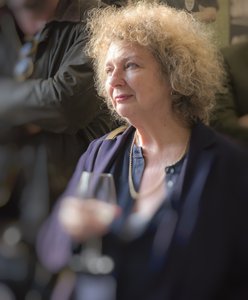
Marlene Dumas
1953 - , Africa de Sud
Detalii rapide
- Artistic Movement Or Style: Romanticism
- Artists Or Movements Influenced By This Artist: ['Contemporary painters']
- Artists Who Influenced This Artist:
- Egon Schiele
- Francis Bacon
- Date Of Birth: 1953
- Full Name: Marlene Dumas
- Nationality: Sud Africană
- Notable Artworks:
- The Last Supper
- Untitled (681)
- Untitled (830)
- Jule-die Vrou
- The Schoolboys
- Place Of Birth: Cape Town, South Africa