Color Field
Horizontal Vision (Mark Rothko)
Mark Rothko (1903–1970) a realizat Horizontal Vision. Face parte din mișcarea Color Field. Este realizată în Oil On Canvas.
- Oil On Canvas

 Previzualizare

 Tablou în ulei pictat manual
 Trimite prin felicitare
 Distribuie
 Fișă informativă


 Descarcă imaginea
 Produse similare
 Radiografie
 Galerie foto
 Întrebări și răspunsuri

 Statistici
Horizontal Vision, pe scurt
- Titlu
- Horizontal Vision
- Artist
- Mark Rothko (1903–1970)
- Artist născut în
- Daugavpils, Letonia
- Medium
- Oil On Canvas
- Mișcare
- Color Field
- Perioadă
- Modern
- Subiect
- color blocks, geometric shapes, red hue, minimalism, emotional resonance, bowl composition
Ce reprezintă Horizontal Vision?
A Symphony of Crimson and Light
To stand before Mark Rothko’s “Horizontal Vision” is to step away from the clamor of the physical world and enter a sanctuary of pure, unadulterated emotion. Painted in 1946, this masterpiece serves as a profound cornerstone of the Abstract Expressionist movement, a period when artists sought to strip away the superficiality of representation to uncover the raw essence of the human condition. The canvas does not present a landscape or a figure; instead, it offers a meditative expanse where color itself becomes the protagonist. Through its layered, luminous rectangles, the work invites a silent dialogue between the viewer and the infinite, making it an unparalleled centerpiece for any collection dedicated to contemplative beauty.
The composition is deceptively simple, yet its complexity lies in the subtle vibrations of its palette. Rothko utilizes a mesmerizing arrangement of horizontal bands—deep crimsons, warm oranges, and muted yellows—that seem to float upon one another. There are no hard edges here; rather, the boundaries between colors are soft and atmospheric, achieved through his signature technique of “gypsy staining.” By applying thin, translucent washes of pigment, Rothko allowed each layer to bleed into the next, creating a sense of breathing depth. This meticulous layering produces a hazy, ethereal glow, as if the light is emanating from within the canvas itself rather than reflecting off its surface.
The Architecture of Emotion and Spirit
Beyond its visual splendor, “Horizontal Vision” is steeped in the spiritual and historical tensions of the post-World War II era. Emerging from a period of global trauma, Rothko sought to bypass the rational mind and speak directly to the primal soul. Influenced by the meditative stillness of Zen Buddhism, his work functions as a visual prayer. The tension between the warm, advancing reds and the receding shadows creates a rhythmic pulse, a visual heartbeat that draws the eye into a state of deep reflection. For the collector or interior designer, this painting offers more than mere decoration; it provides an emotional anchor, a way to infuse a space with a sense of profound stillness and intellectual weight.
For those seeking to integrate such a powerful work into a modern environment, a high-quality reproduction allows the transformative power of Rothko’s vision to become a permanent fixture of the home. Whether placed in a minimalist gallery-style living room or a quiet study, the painting acts as a window into an internal landscape. It challenges the viewer to look past the surface and find meaning in the absence of form, proving that even in the lack of recognizable imagery, there is a wealth of narrative, history, and soul to be discovered.
Imagini la înaltă rezoluție ale lui Horizontal Vision
Protected by copyright: these files are for personal reference, not a licence to republish.
Mark Rothko, Horizontal Vision.
Întrebări despre Horizontal Vision, răspunsuri
Ce tehnică a fost utilizată pentru "Horizontal Vision" de Mark Rothko?
Mark Rothko a utilizat tehnica Oil On Canvas pentru "Horizontal Vision". Tehnica definește natura materială a lucrării originale.
Ce reprezintă "Horizontal Vision" de Mark Rothko?
"Horizontal Vision" de Mark Rothko surprinde: color blocks, geometric shapes, red hue, minimalism, emotional resonance, bowl composition, rothko style.
Este "Horizontal Vision" în domeniul public?
Statusul drepturilor de autor pentru "Horizontal Vision" de Mark Rothko: opera este încă protejată de drepturile de autor. Acest lucru determină dacă reproducerile imaginii pot fi realizate liber.
La ce artist este atribuită opera „Horizontal Vision”?
„Horizontal Vision” este atribuit lui Mark Rothko.
Din ce curent artistic face parte "Horizontal Vision" de Mark Rothko?
Mișcarea asociată cu "Horizontal Vision" de Mark Rothko este Color Field. Această clasificare plasează lucrarea printre artiști și opere de artă conexe.
În ce etapă a evoluției lui Mark Rothko se încadrează „Horizontal Vision”?
"Horizontal Vision" reprezintă perioada Mature a lui Mark Rothko.
Care este motivul statutului drepturilor de autor pentru "Horizontal Vision"?
"Horizontal Vision" de Mark Rothko este încă protejată de drepturile de autor. Durata protecției drepturilor de autor se calculează de la data decesului artistului, survenit în anul 1970.
Ce punct comun are "Horizontal Vision" cu restul creației lui Mark Rothko?
În creația lui Mark Rothko, „Horizontal Vision” se înscrie în stilul Color Field, alături de temele color field expression, existential minimalism, emotional depth exploration, rothko’s formal legacy, central composition motif.
Este "Horizontal Vision" reprezentativ pentru temele abordate de obicei de Mark Rothko?
"Horizontal Vision" înfățișează color blocks, geometric shapes, red hue, minimalism, emotional resonance, bowl composition, rothko style, în timp ce temele recurente ale lui Mark Rothko sunt color field expression, existential minimalism, emotional depth exploration, rothko’s formal legacy, central composition motif. Compararea celor două relevă modul în care această lucrare se raportează la subiectele obișnuite ale artistului.
Despre artistul Mark Rothko

1903–1970, Letonia
Mark Rothko
Primii ani ai lui Mark Rothko Mark Rothko s-a născut sub numele de Markus Yakovlevich Rothkowitz în anul 1903, în Dvinsk, Rusia, într-un loc cunoscut astăzi sub numele de Daugavpils, Letonia. Familia sa a trăit în cadrul Zonei de Rezidență, o regiune marcată de agitația politică și de umbra constantă a pogromurilor. Această atmosferă de instabilitate a urmărit familia în timpul emigrării către Statele Unite în 1913. După trecerea prin Ellis Island, aceștia s-au stabilit în Portland, Oregon.
Alte lucrări ale lui Mark Rothko
 Centru Alb1950
 Nu.1
 Nr. 61 (Rugină și Albastru)1953
 Portocaliu și galben1956
Eseuri despre Horizontal Vision
 The Architecture of Emotion: A Connoisseur’s Guide to the Chromatic Sublimity of Mark RothkoExplore the profound emotional landscapes of Mark Rothko. An expert editorial on Color Field painting, decoding the spiritual depth, techni…
 Beyond the Canvas: A Definitive Guide to Abstract Expressionism, Action Painting, and Color Field MastersExplore the profound history of Abstract Expressionism, from the visceral energy of Action Painting to the serene depth of Color Field mast…
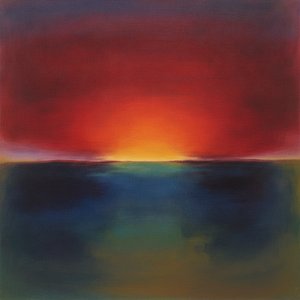 Color & Emotion: The Top 25 Masterpieces by Mark RothkoImmerse yourself in the profound emotion of Mark Rothko's greatest works. Explore 25 iconic Abstract Expressionist masterpieces, from color…