Dimensiune text

() ·

O pictură creată pentru tine, lucrată manual

Polishing Pans

Reproducere pictată manual în ulei

Pictură în ulei pe pânză, pictată manual de artiștii noștri la dimensiunea și ramele dorite de dumneavoastră, pe comandă. ( Comută pe versiunea Print Comută pe Imagine Digitală)

Descriere obiect de colecție

Discover 'Polishing Pans' by Marianne Stokes (1887). This captivating oil painting depicts domesticity with intricate detail & warm colors, housed at the Walker Art Gallery.

Biografie artist

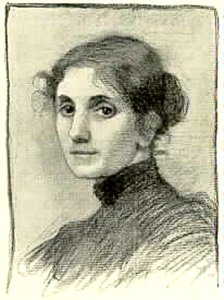
Marianne Stokes (1855-1927) was a leading Victorian artist known for her rustic naturalism, medieval romantic scenes & portraits. A member of the Newlyn School, she captured Slovak culture in tempera and gesso paintings. Discover her work!

de la ·

Capitolul 1

Ce dimensiune ar trebui să aibă?

Glisați pentru a schimba dimensiunea; imaginea din stânga prezintă cadrul la lățimea sa reală. Proporțiile originale sunt păstrate.

Standard
personalizat
CM
INCH

Alegeți dintre dimensiunile noastre prestabilite, care respectă proporțiile originale ale operei de artă.

lățime
înălțime

Introduceți lățimea și înălțimea necesare pentru a se potrivi ramei sau peretelui dumneavoastră. Această lucrare este pictată manual, așa că, pentru o dimensiune cu o formă diferită, artistul poate picta puțin mai mult în jurul imaginii sau poate tăia puțin din margini — dumneavoastră decideți. Vă vom trimite o simulare digitală pentru aprobare înainte de a începe pictarea. Imaginea afișată pe această pagină nu reprezintă rezultatul real — doar simularea este reprezentativă.

Capitolul 2

Cum ar trebui să ajungă?

Alege marginile tabloului pe pânză întinsă

Alege cadrul tău

Corner sample of the WhiteWrap canvas edge finish, stretched on lemn masiv bars
Alb lei1
Corner sample of the BlurSideWrap canvas edge finish, stretched on lemn masiv bars
Margini difuze lei1
Corner sample of the ExtendedWrap canvas edge finish, stretched on lemn masiv bars
Extins lei1
Corner sample of the P118B picture frame: polistiren turnat, 5 cm wide and 3 cm thick
P118B lei10
Corner sample of the P118H picture frame: polistiren turnat, 5 cm wide and 3 cm thick
P118H lei10
Corner sample of the P118W picture frame: polistiren turnat, 5 cm wide and 3 cm thick
P118W lei10
Corner sample of the P438Z picture frame: polistiren turnat, 5.5 cm wide and 3.5 cm thick
P438Z lei10
Corner sample of the P508JH picture frame: polistiren turnat, 7 cm wide and 3.5 cm thick
P508JH lei12
Corner sample of the P508YH picture frame: polistiren turnat, 7 cm wide and 3.5 cm thick
P508YH lei12
Corner sample of the P805H picture frame: polistiren turnat, 5 cm wide and 3.5 cm thick
P805H lei10
Corner sample of the P805Z picture frame: polistiren turnat, 5 cm wide and 3.5 cm thick
P805Z lei10
Corner sample of the P919BZ picture frame: polistiren turnat, 7 cm wide and 3.5 cm thick
P919BZ lei10
Corner sample of the P919G picture frame: polistiren turnat, 7 cm wide and 3.5 cm thick
P919G lei10
Corner sample of the P919XJ picture frame: polistiren turnat, 7 cm wide and 3.5 cm thick
P919XJ lei10
Corner sample of the P959ZH picture frame: polistiren turnat, 5 cm wide and 3 cm thick
P959ZH lei10
Corner sample of the P968JZ picture frame: polistiren turnat, 6 cm wide and 4 cm thick
P968JZ lei12
Corner sample of the W106C picture frame: lemn masiv, 5 cm wide and 3 cm thick
W106C lei8
Corner sample of the W218G picture frame: lemn masiv, 5 cm wide and 3 cm thick
W218G lei10
Corner sample of the W218JH picture frame: lemn masiv, 5 cm wide and 3 cm thick
W218JH lei8
Corner sample of the W218Y picture frame: lemn masiv, 5 cm wide and 3 cm thick
W218Y lei10
Corner sample of the W307PJ picture frame: lemn masiv, 6 cm wide and 3 cm thick
W307PJ lei10
Corner sample of the W316G picture frame: lemn masiv, 6 cm wide and 3 cm thick
W316G lei10
Corner sample of the W316PJ picture frame: lemn masiv, 6 cm wide and 3 cm thick
W316PJ lei8
Corner sample of the W316Y picture frame: lemn masiv, 6 cm wide and 3 cm thick
W316Y lei10
Corner sample of the W398PJ picture frame: lemn masiv, 5 cm wide and 3 cm thick
W398PJ lei8
Corner sample of the W4111J picture frame: lemn masiv, 6.5 cm wide and 3.5 cm thick
W4111J lei10
Corner sample of the W500HY picture frame: lemn masiv, 7 cm wide and 5 cm thick
W500HY lei15
Corner sample of the W500JH picture frame: lemn masiv, 7 cm wide and 5 cm thick
W500JH lei15
Corner sample of the W692G picture frame: lemn masiv, 8 cm wide and 4 cm thick
W692G lei12
Corner sample of the W849H picture frame: lemn masiv, 5 cm wide and 3 cm thick
W849H lei8
Corner sample of the W940BG picture frame: lemn masiv, 7.5 cm wide and 4.5 cm thick
W940BG lei15
Corner sample of the W953PJ picture frame: lemn masiv, 6 cm wide and 3.5 cm thick
W953PJ lei8
Corner sample of the H24-GOLD picture frame: lemn sculptat cu gesso, 10 cm wide and 6 cm thick
H24-GOLD lei30
Corner sample of the H24-SILVER picture frame: lemn sculptat cu gesso, 10 cm wide and 6 cm thick
H24-SILVER lei30
Corner sample of the H36-GOLD picture frame: lemn sculptat cu gesso, 15 cm wide and 6.5 cm thick
H36-GOLD lei45
Corner sample of the H36-SILVER picture frame: lemn sculptat cu gesso, 15 cm wide and 6.5 cm thick
H36-SILVER lei45

Ramă: . Dimensiuni cu ramă: .

Capitolul 3

Cine îl pictează și ar trebui să se schimbe ceva?

Exemple de elemente care pot fi modificate: Înlocuirea feței cu fotografia clientului; Adăugarea unui animal de companie (de ex., înlocuirea unei pisici cu un câine); Includerea unui mesaj ascuns în fundal; Modificarea peisajului sau a elementelor din fundal.
După plasarea comenzii, echipa OriginalUniqueArt.com va contacta clientul prin e-mail pentru instrucțiuni și va furniza o previzualizare (mockup)

Livrare în întreaga lume () în 3-4 săptămâni, în loc de cele 5 săptămâni standard. (3 Noiembrie). Fără compromisuri în ceea ce privește calitatea.

Capitolul 4

Ultimele retușuri

O plăcuță de identificare, ca la muzeu?

Detalii plăcuță din bronz gravat

This elegant plaque features the artist's name and the title of the artwork, finely engraved for a timeless presentation.

It is made from bronze with a refined, elegant finish. The text is precisely laser-engraved for a sharp and permanent result. Measuring 9x2 cm, the plaque is compact yet easy to read. It's built to be durable and scratch-resistant, offering a professional, museum-quality look. Mounting is simple thanks to the included adhesive backing.

Detalii plăcuță din acril transparent

The plaque includes essential engraved details such as the artist's name, the title of the artwork, the date it was created, the type of media used-like oil on canvas or watercolor-a brief description of the piece, and a QR code that links to the complete artwork information.

It is crafted from clear acrylic, offering a sleek, modern appearance. The text is UV-engraved in black to ensure strong visual contrast. With a size of 10x15 cm, it ensures optimal readability. It comes equipped with two metal hooks for secure wall mounting. The plaque is designed to be weather-resistant, making it suitable for various environments, and it includes interactive features that work seamlessly with smartphone scanning.

Detalii placă din acril negru

This elegant plaque includes engraved information such as the artist's name, the title of the artwork, the date it was created, the type of media used (like oil on canvas or watercolor), a short description of the artwork, and a QR code for quick access to more information.

The plaque itself is made from refined black acrylic with a premium finish. The text is laser-engraved in white for high contrast and readability. Its size is 10x15 cm, designed to be easy to read. It comes with two metal hooks for professional mounting. The design is sleek and fits any interior style. It is also weather-resistant and durable, with built-in digital integration for mobile compatibility.

Un lac protector?

Când aveți nevoie de el?

Capitolul 5

Tabloul tău, exact așa cum l-ai comandat

Polishing Pans

Tehnică de reproducere

Dimensiune reproducere

-

Selecție de artiști de elită

Mai multe detalii, rafinament și timp suplimentar de execuție

-

Ramă pentru reproducere artistică

-

-

Pentru opere de artă sau reproduceri care depășesc 105 cm (aproximativ 41 de inch) pe oricare dintre laturi, cadrul va fi livrat demontat, sub formă de kit. Această metodă asigură o livrare sigură și previne deteriorarea în timpul transportului.

Este necesară asamblarea profesională – acest produs nu este de tip DIY (de făcut singur).
Kitul trebuie asamblat, iar pânza întinsă, de către un legător de cadre experimentat, utilizând adeziv pentru lemn (neinclus în colet), o cheie pentru întinderea pânzei și cleme pentru a menține barele la unghi drept în timp ce adezivul se usucă. Asamblarea incorectă sau tensiunea neuniformă a pânzei pot deteriora permanent opera de artă și nu sunt acoperite de garanția noastră.

  • Toate barele din lemn masiv sunt incluse, tăiate cu precizie la dimensiunea necesară.

  • Asamblat cu șuruburile incluse, plus adeziv pentru lemn pentru îmbinările de colț, care nu este furnizat și trebuie achiziționat de către tâmplarul dumneavoastră.

  • Sunt necesare unelte profesionale care nu sunt incluse: o șipte de întindere a pânzei (tensionator) și cleme pentru a menține barele la unghi drept în timp ce adezivul se usucă.

Important:
Îmbinările de colț necesită adeziv pentru lemn, barele trebuie fixate cu clești de strângere până când adezivul este complet uscat, iar întinderea pânzei pe cadrul asamblat necesită un clește pentru întins pânza. Niciunul dintre aceste elemente nu este inclus în kit. Vă rugăm să consultați un încadrator profesionist cu experiență înainte de a comanda această dimensiune.

Etichetă de prezentare

-

-

Lac de protecție

Lac lucios (intensifică nuanțele și oferă protecție împotriva luminii și a umidității)

-

Personalizează opera mea de artă

Exemple de elemente ce pot fi personalizate: Înlocuirea feței cu fotografia clientului; Adăugarea unui animal de companie (de exemplu, înlocuirea unei pisici cu un câine); Includerea unui mesaj ascuns în fundal; Modificarea peisajului sau a elementelor din fundal.

-

Livrare rapidă

Livrare la nivel mondial () în 3-4 săptămâni, în loc de cele 5 săptămâni standard. (3 Noiembrie). Fără compromisuri când vine vorba de calitate.

-

Livrare rapidă

Livrare la nivel mondial () în 5 săptămâni. (10 Noiembrie).

Inclus

Preț total calculat

lei 1428

Preț total lei 1428

Opțiunea cu sticlă este disponibilă doar pentru dimensiuni de sub 110 cm

Inclus în fiecare comandă

  • Livrare expres gratuită la nivel mondial
  • Pânză de in de înaltă calitate
  • Asigurare completă pentru transport
  • Garanție de rambursare a taxelor vamale
  • Garanția fidelității culorilor
  • Politica de retur în 100 de zile (doar pentru defecte de fabricație)
  • Garanție de rambursare 100%
  • Ofertă pentru comenzi multiple

Polishing Pans: A Glimpse into Victorian Domesticity

Marianne Stokes’s “Polishing Pans,” painted in 1887, is more than just a depiction of a woman engaged in a household chore; it's a poignant meditation on the quiet dignity and subtle beauty found within everyday life. Housed at the Walker Art Gallery in Liverpool, this oil-on-canvas piece offers a rare window into the Victorian era’s fascination with domesticity and its evolving portrayal of women.

The scene unfolds within a modestly furnished room – a kitchen or dining area, as many art historians suggest. A woman, rendered with remarkable detail by Stokes, is seated on the floor before a table laden with an assortment of objects: bottles, cups, a bowl, and what appears to be a bucket, likely containing cleaning solution. Her posture suggests focused concentration, her hands deftly manipulating the implements at hand. The composition isn’t grand or dramatic; rather, it's deliberately intimate, drawing the viewer into this private moment of labor.

A Masterclass in Victorian Detail and Light

Stokes’s artistic style is characterized by an almost obsessive attention to detail—a hallmark of her work throughout her career. She meticulously captures the textures of the fabrics, the sheen of the copperware, and the subtle variations in light and shadow. The use of warm colors – ochres, browns, and muted reds – creates a sense of warmth and tranquility, contrasting with the cool blues and greens used for the background. Notably, Stokes employs soft lighting, casting gentle highlights on the woman’s arm and the polished surfaces, adding to the painting's intimate atmosphere.

Technically, “Polishing Pans” demonstrates a sophisticated understanding of oil paint. Stokes skillfully builds up layers of color to achieve depth and luminosity, utilizing glazing techniques to create subtle transitions between tones. The brushwork is generally smooth and controlled, yet with moments of expressive strokes that convey the woman’s focused energy. The choice of canvas allows for rich pigment saturation and a remarkable level of detail – a testament to Stokes's mastery.

Symbolism and Victorian Ideals

“Polishing Pans” is not simply a snapshot of domestic life; it carries significant symbolic weight within the context of Victorian society. The act of polishing, traditionally associated with women’s roles, becomes imbued with a quiet dignity. The woman's diligence and focus suggest an embodiment of Victorian ideals – industry, piety, and self-sufficiency. While seemingly mundane, her task represents a vital contribution to the household and family—a subtle assertion of female agency within a patriarchal society.

Furthermore, the inclusion of everyday objects—bottles, cups, and cleaning supplies—elevates the ordinary to the level of art. Stokes’s ability to find beauty in the commonplace reflects a broader trend in Victorian art, which often sought to capture the essence of rural life and the virtues of simplicity. The copperware, particularly, connects the scene to the industrial heartland of Cornwall, adding another layer of local significance.

A Legacy of Observation and Quiet Beauty

Marianne Stokes’s “Polishing Pans” stands as a remarkable example of Victorian art—a testament to her skill, observation, and ability to imbue ordinary subjects with profound meaning. It invites us to pause and consider the beauty that can be found in the most unassuming moments of daily life. The painting's enduring appeal lies not only in its technical brilliance but also in its poignant portrayal of a woman engaged in a timeless act of labor and self-expression.

Reproductions of “Polishing Pans” offer an accessible way to experience this captivating artwork, bringing its quiet beauty into any home or space. Consider commissioning a high-quality hand-painted reproduction to add a touch of Victorian elegance and thoughtful artistry to your interior design.

Întrebări și răspunsuri

Ce tehnică și stil caracterizează "Polishing Pans" de Marianne Stokes?

În "Polishing Pans", tehnica Oil On Canvas întâlnește mișcarea Victorian Romanticism.

Culorile din "Polishing Pans" de Marianne Stokes sunt saturate sau tenue?

Paleta lucrării "Polishing Pans" are o saturație de Subtle Color.

Care este locul ocupat de "Polishing Pans" de Marianne Stokes în istoria artei?

"Polishing Pans" de Marianne Stokes aparține mișcării Victorian Romanticism, din perioada 19th Century. Împreună, acestea conferă operei locul său în istoria artei.

Mai multe detalii despre această pictură

Previzualizare Previzualizare AR Comută pe versiunea Print Comută pe Imagine Digitală Trimite prin felicitare
Detalii despre lucrare Ghid Adaugă la favorite Descarcă imaginea Produse similare Radiografie Galerie foto Întrebări și răspunsuri Statistici

În cifre

  • 1887anul în care a fost pictată
  • 29rame din care puteți alege
  • dimensiuni standard, în propriile proporții
  • 5săptămâni pentru pictare și livrare
Marianne Stokes

Marianne Stokes

1855 - 1927, Austria

Informații rapide despre Marianne Stokes

  • Artistic Movement Or Style: Rustic naturalism
  • Artists Or Movements Influenced By This Artist: ['Newlyn School']
  • Artists Who Influenced This Artist:
    • Jules Bastien-Lepage
    • Helene Schjerfbeck
  • Date Of Birth: 1855
  • Date Of Death: 1927
  • Full Name: Marianne Stokes
  • Nationality: Austrian
  • Notable Artworks:
    • A Parting
    • Polishing Pans
    • Madonna And Child
  • Place Of Birth: Graz, Austria

Biografie artist

A Tapestry of Tradition and Romance: The Life of Marianne Stokes

The history of Victorian art is often told through the lens of great men, yet the legacy of Marianne Stokes offers a profound testament to the power of a woman’s vision in an era of rigid societal boundaries. Born Marianne Preindlsberger in Graz, Austria, in 1855, her journey was one of remarkable geographical and stylistic breadth. From the academic rigor of Munich to the sun-drenched coasts of Cornwall, Stokes wove together a life that mirrored the very textures of her paintings—a blend of disciplined technique and ethereal, romantic longing. Her early years were defined by an intense pursuit of mastery, beginning with her studies under Lindenschmidt in Munich. It was here that she first demonstrated her burgeoning talent, earning a prestigious scholarship for her debut work, Muttergluck, a piece that signaled the arrival of a formidable new voice in the European art scene.

As her ambitions grew, so did her horizons. Her travels through France brought her into contact with the masters of the era, most notably Pascal Adolphe Jean Dagnan-Bouveret and Colin Courtois. These encounters were transformative, infusing her work with a sophisticated understanding of light and form. However, it was the influence of Jules Bastien-Lepage that would leave the deepest imprint upon her soul. Through his lens of rustic naturalism, Stokes learned to find the profound within the mundane, capturing the quiet dignity of rural life and the delicate nuances of the natural world. This period of her life marked the transition from a student of technique to a poet of the landscape, as she began to master the ability to render the essence of the countryside with both meticulous detail and emotional depth.

The Newlyn School and the Spirit of Place

A pivotal chapter in Stokes’s biography unfolded when she moved to England and entered into a profound artistic and personal partnership with her husband, Adrian Scott Stokes. Settling within the vibrant community of the Newlyn School in Cornwall, she became part of a movement that sought to capture the authentic light and character of the British coast. Her work during this time became a bridge between worlds; while her surroundings provided the serene Cornish vistas that would become iconic, her heart remained tethered to her Eastern European roots. She possessed a unique ability to infuse her paintings with the folklore and spirit of Slovakia, creating a visual language that felt both intimately local and universally mythic.

Her technical evolution during these years was nothing short of extraordinary. While many of her contemporaries adhered strictly to oil painting, Stokes experimented with more ancient, evocative mediums. She became celebrated for her use of tempera and gesso, techniques that allowed her to achieve a luminous, almost otherworldly quality in her landscapes. These works often transcended mere representation, leaning into the realms of medieval romanticism and symbolic storytelling. In her hands, a simple landscape could become a stage for historical memory or a dreamscape of folk legend, characterized by:

  • The delicate application of tempera, which lent a matte, precious quality to her surfaces.
  • A mastery of light that captured the fleeting moments of dusk and dawn in both English and Slovak settings.
  • A profound sense of nostalgia, often blending the rustic reality of peasant life with the idealized beauty of a lost medieval era.

Legacy of a Visionary

The significance of Marianne Stokes lies in her refusal to be confined by a single movement or identity. She was simultaneously a naturalist and a romantic, an Austrian-born artist thriving in the English tradition, and a painter who could navigate the gritty reality of rural labor and the ethereal beauty of mythic landscapes. Her marriage to Adrian Scott Stokes did not merely provide companionship but established a collaborative sanctuary where art and life were indistinguishable. Together, they contributed to a cultural dialogue that celebrated the intersection of craftsmanship and emotion.

Today, when we look upon the works of Stokes, we see more than just beautiful depictions of the past; we see the triumph of an individual spirit. Her ability to capture the soul of a culture through the medium of paint ensures her place in the pantheon of Victorian masters. She remains a pioneer who proved that the most enduring art is that which finds the universal within the particular, turning the quiet corners of the world into eternal monuments of beauty and grace.

Informații rapide

  • Artist: Marianne Stokes
  • Subject or theme: Household activity
  • Notable elements: Domestic scene, bottles
  • Influences:
    • Stokes
    • Bastien-Lepage
  • Location: Walker Art Gallery

Test de cunoștințe despre artă

Fiecare întrebare are un singur răspuns corect.

Întrebare 1:
What is the primary subject depicted in Marianne Stokes’s ‘Polishing Pans’?
Întrebare 2:
In what year was ‘Polishing Pans’ painted?
Întrebare 3:
Where is ‘Polishing Pans’ currently housed?
Întrebare 4:
Marianne Stokes’s artistic style is characterized by:
Întrebare 5:
The painting ‘Polishing Pans’ exemplifies which artistic movement?