

 Vezi în context
 Trimite
 Distribuie
 Detalii
 Ghidul

 Descarcă
 Produse similare
 Radiografie
 Diaporama
 Statistici
Madame Henriette
 Oil On Canvas
- WallArt
- Rococo Portraiture
 1754
1754- Early Modern
 246.0 x 185.0 cm
 Château de Versailles
 Citește mai mult
Giclée / Imprimare artistică
Printuri giclée sau pe canvas de calitate muzeală, cu proces de producție rapid și opțiuni flexibile de finisare. ( Comandă pictură realizată manual Treci la imagine digitală)




P118B lei10

P118H lei10

P118W lei10

P438Z lei10

P508JH lei12

P508YH lei12

P805H lei10

P805Z lei10

P919BZ lei10

P919G lei10

P919XJ lei10

P959ZH lei10

P968JZ lei12

W106C lei8

W218G lei10

W218JH lei8

W218Y lei10

W307PJ lei10

W316G lei10

W316PJ lei8

W316Y lei10

W398PJ lei8

W4111J lei10

W500HY lei15

W500JH lei15

W692G lei12

W849H lei8

W940BG lei15

W953PJ lei8




Alegeți dintre dimensiunile noastre prestabilite, care respectă proporțiile originale ale operei de artă.

Introduceți lățimea și înălțimea de care aveți nevoie, pentru a se potrivi ramei sau peretelui dumneavoastră. O printare poate fi doar tăiată, niciodată extinsă dincolo de dimensiunea imaginii originale, astfel încât o dimensiune cu o formă diferită va pierde o parte din imagine. Vă trimitem o simulare digitală pentru aprobare înainte de a imprima orice. Imaginea afișată pe această pagină nu prezintă tăierea reală — doar simularea arată acest lucru.
Livrare în întreaga lume () în 2 săptămâni, în loc de cele 4/5 săptămâni standard. (24 Octombrie)

Livrare expres gratuită la nivel mondial

Pânză de in premium

Asigurare completă pentru transport

Garanție de rambursare a taxelor vamale

Garanția fidelității culorilor

Politica de retur în 100 de zile (doar pentru defecte)

Garanție de rambursare 100%

Reducere pentru comenzi multiple
 Opțiunea cu sticlă este disponibilă doar pentru dimensiuni de sub 110 cm

Madame Henriette
Giclée / Imprimare artistică
Dimensiune reproducere
-


Preț total
lei 371
A Brushstroke of Rococo Grandeur – Exploring Jean-Marc Nattier’s Madame Henriette
Jean-Marc Nattier’s *Madame Henriette*, completed in 1754, stands as a quintessential exemplar of the Rococo style—a movement that prioritized ornamentation, pastel hues, and an idealized depiction of aristocratic life. More than just a likeness of Princess Henriette Adelaide of Savoy, it embodies the spirit of its era, reflecting the opulent tastes and refined sensibilities of Louis XV’s court.
- Subject Matter: The portrait captures Madame Henriette seated gracefully in a chair, her gaze directed towards the viewer with an understated composure. Her posture exudes confidence and refinement, mirroring the social standing she represented.
- Composition & Style: Nattier employed the Rigaud style—a technique characterized by expansive drapery and architectural framing—creating a theatrical backdrop that elevates the figure’s importance. The artist skillfully utilized chiaroscuro, subtly modulating light and shadow to sculpt Madame Henriette's form and imbue the scene with depth.
Technical Mastery: Color Palette & Texture
Nattier’s masterful use of color is immediately striking. Dominating the canvas are shades of crimson—a bold choice that underscores Madame Henriette’s wealth and status. Delicate pastel tones adorn her gown and collar, contributing to an overall atmosphere of ethereal beauty. The artist meticulously rendered fabrics with painstaking detail, capturing the shimmer of silk and lace through delicate brushstrokes. This textural richness enhances the visual impact of the portrait.
Historical Context: Patronage & Artistic Conventions
Commissioned by Louis XV himself, *Madame Henriette* exemplifies the pervasive influence of aristocratic patronage on artistic production during the Rococo period. Nattier’s work adhered to established conventions—the depiction of noblewomen engaged in activities deemed appropriate for their social position—emphasizing grace, modesty, and idealized femininity. The cello or bass violin held by Madame Henriette serves as a symbol of musical culture and aristocratic refinement.
Symbolism & Emotional Resonance
Beyond its formal elements, *Madame Henriette* communicates profound emotional resonance. The princess’s serene expression conveys inner tranquility and dignity—a reflection of the idealized virtues prized by Rococo artists. The careful positioning of Madame Henriette within the architectural setting reinforces her elevated status and underscores the grandeur of the royal court. Ultimately, Nattier's portrait transcends mere representation, capturing a moment of aristocratic elegance that continues to captivate viewers centuries later.
A Legacy of Elegance: Reproduction Considerations
Reproductions of *Madame Henriette* offer an opportunity to experience the beauty and sophistication of Rococo art firsthand. OriginalUniqueArt’s hand-painted reproductions meticulously recreate Nattier's original technique, ensuring that collectors can appreciate the nuances of color, texture, and composition—a testament to the enduring legacy of this iconic masterpiece.
Întrebări și răspunsuri
Care este dimensiunea de imprimare recomandată pentru "Madame Henriette" de Marc Nattier?
O reproducere de Large este recomandată pentru "Madame Henriette" de Marc Nattier. Dimensiunea poate fi ajustată păstrând proporțiile intacte.
Este disponibil un link de descărcare pentru "Madame Henriette"?
Este disponibil un download pentru "Madame Henriette": pagina de Descarcă a operei oferă descărcare imagine digitală de înaltă rezoluție.
Ce dimensiune și orientare sunt recomandate pentru o printare a lucrării "Madame Henriette" de Marc Nattier?
Dimensiunea Large, orientarea Portrait: aceasta este configurația de imprimare sugerată pentru "Madame Henriette" de Marc Nattier.
Biografie artist
A Brushstroke of Elegance: The Life and Art of Jean-Marc Nattier
Jean-Marc Nattier, a name synonymous with the refined elegance of 18th-century French court life, was more than just a portrait painter; he was an architect of illusion, a master of transforming his subjects into embodiments of classical mythology. Born in Paris on March 17, 1685, into a family steeped in artistic tradition – his father, Marc Nattier, a respected portraitist, and his mother, Marie Courtois, a celebrated miniaturist – Nattier’s early life provided him with an unparalleled foundation for his future success. His formative years were spent diligently studying the masterpieces housed within the Luxembourg Gallery, meticulously copying the works of Old Masters like Rubens and Poussin, honing his skills in capturing likenesses and mastering the principles of composition—a training that would profoundly shape his distinctive style. Despite being offered a coveted opportunity to study at the prestigious French Academy in Rome, Nattier wisely chose to remain in Paris, believing he could cultivate his unique artistic vision independently, a decision that ultimately proved pivotal to his development as a singular artist.The Painter of Aristocratic Dreams
Nattier’s rise to prominence was swift and remarkable. He quickly established himself as the preferred portraitist for the ladies of Versailles, captivating the court with his ability to imbue his subjects – often young women – with an aura of otherworldly beauty and grace. However, Nattier's genius extended far beyond mere likeness; he possessed a rare gift for transforming his sitters into figures from classical mythology and allegory. This innovative approach—a revival of the ancient tradition of allegorical portraiture—became his signature style, instantly elevating him to the highest echelons of French art. Instead of simply depicting a woman’s beauty, Nattier would dress her in flowing drapery reminiscent of goddesses like Diana, Artemis, or Venus, placing her within evocative landscapes that further enhanced the illusion. Consider *Madame Le Fèvre de Caumartin as Hebe*, for instance – a breathtaking composition where the sitter is portrayed as the cupbearer to the gods, surrounded by lush foliage and symbolic objects, creating an image of both exquisite beauty and profound mythological significance. This wasn’t merely a costume change; it was a carefully constructed narrative, imbuing the subject with an air of sophistication, timelessness, and almost divine grace. His masterful manipulation of light—a technique he borrowed heavily from Rubens—added depth and drama to his paintings, drawing the viewer into the scene and intensifying the ethereal quality of his subjects.Influences and Artistic Development
Nattier’s artistic development was a fascinating synthesis of influences. His father instilled in him a love for portraiture, providing him with the initial foundation upon which he would build his career. Crucially, however, it was his exposure to the works of Peter Paul Rubens at the Luxembourg Palace that truly ignited his creative spirit. The dynamism, color richness, and sensual depictions of the human form found in Rubens’ paintings profoundly impacted Nattier's style, inspiring him to incorporate a similar sense of energy and theatricality into his own work. Furthermore, he benefited from the guidance of his uncle, Jean Jouvenet, a respected history painter who instilled in him an understanding of composition and narrative—skills that proved invaluable as he developed his allegorical portraits. The financial crisis of 1720, triggered by John Law’s speculative schemes, forced Nattier to shift his focus towards portraiture, a more lucrative avenue for artistic expression. Despite this setback, he skillfully adapted to the changing circumstances, refining his technique and solidifying his reputation as one of the most sought-after artists at the French court.Major Achievements and Historical Significance
Jean-Marc Nattier’s legacy extends far beyond the exquisite portraits he created. As the official portrait painter to King Louis XV, he played a significant role in shaping the image of the French aristocracy during a period of profound social and political transformation. His paintings offer invaluable insights into the fashion, customs, and social dynamics of 18th-century France—a window into a world of opulent balls, elaborate court rituals, and carefully constructed appearances. More than simply recording appearances, Nattier captured an era – its aspirations, its values, and its aesthetic sensibilities. The revival of allegorical portraits under his hand was a remarkable artistic achievement, demonstrating his ability to breathe new life into established genres while simultaneously upholding the highest standards of elegance and refinement. His works are now treasured possessions of prestigious museums across Europe, including the Louvre, The Wallace Collection, and the Alte Pinakothek Museum in Munich, testament to his enduring influence on art history.Exploring Nattier’s World Further
- Notable Works: The Artist Surrounded by His Family (1730), Marie Lečinska (Dijon Museum), Magdalen (Louvre), Comtesse de Tillières and Mademoiselle de Clermont en Sultane (The Wallace Collection), Madame Le Fèvre de Caumartin as Hebe (National Gallery of Art), The Lovers (Alte Pinakothek Museum, Munich).
- Key Characteristics: Rococo style, allegorical portraits, mythological attire, masterful use of light and shadow, attention to detail.
- Further Research: Explore resources like Wikipedia (https://en.wikipedia.org/wiki/Jean-Marc_Nattier) and Britannica (https://www.britannica.com/biography/Jean-Marc_Nattier) for more in-depth information.

Marc Nattier
1685 - 1766 , Franța
Informații rapide
- Artistic Movement Or Style: Rococó
- Artists Or Movements Influenced By This Artist: ['Rococó târziu']
- Artists Who Influenced This Artist:
- Marc Nattier
- Jean Jouvenet
- Rubens
- Date Of Birth: 17 martie 1685
- Date Of Death: 7 noiembrie 1766
- Full Name: Jean-Marc Nattier
- Nationality: Francez
- Notable Artworks:
- Artist în Familie
- Marie Lečinska
- Magdalen
- Comtesse de Tillières
- Hebe
- Iubitorii
- Place Of Birth: Paris, Franța
Articole conexe

Giclée Prints: Archival Quality & Aesthetic Nuances for the Discerning Collector
Explore the world of giclée prints with OriginalUniqueArt. Learn about archival quality, aesthetic nuances & investment potential. Expert guidance for discerning art collectors seeking museum-quality reproductions and lasting value.

Top 10 Capodopere Rococo: Arta, Istorie și Decor Excepțional | OriginalUniqueArt.ro
Descoperă top 10 capodopere Rococo de la Fragonard, Boucher și Watteau! Explorează istoria artei, tehnicile și culorile vibrante ale stilului Rococo. Reproduceri de artă excepționale pentru decorul perfect pe OriginalUniqueArt.ro.
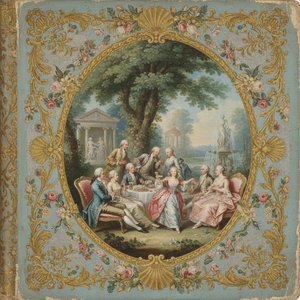
The Rococo Style: Aristocratic Leisure & the Pursuit of Delight in 18th-Century Art
Explore the opulent world of Rococo art! Discover Watteau, Boucher & Nattier's masterpieces. Expert insights for collectors seeking museum-quality reproductions and custom portraits at OriginalUniqueArt.

Jean-Marc Nattier: Rococo Portraiture & Aristocratic Patronage
Explore the exquisite Rococo portraits of Jean-Marc Nattier, favored by French aristocracy. Discover his artistic techniques, patronage network, and lasting legacy – a guide for discerning collectors.

The Rococo Aesthetic: Opulence, Rebellion & the Pursuit of Pleasure in 18th-Century Art
Explore the opulent world of Rococo art! Discover its origins, key artists like Watteau & Boucher, and lasting influence on design. Expert insights for collectors & enthusiasts.

