
 Previzualizare
 Trimite prin felicitare
 Distribuie
 Detalii despre lucrare
 Ghid
Ghid

 Descarcă imaginea
 Produse similare
 Radiografie
 Galerie foto
 Întrebări și răspunsuri
 Statistici
Madame Adelaide ca Diana


 Vezi mai mult
Giclée / Imprimare artistică
Printuri giclée sau pe canvas de calitate muzeală, cu proces de producție rapid și opțiuni flexibile de finisare. ( Comandă pictură realizată manual Comută pe Imagine Digitală)




P118B lei10

P118H lei10

P118W lei10

P438Z lei10

P508JH lei12

P508YH lei12

P805H lei10

P805Z lei10

P919BZ lei10

P919G lei10

P919XJ lei10

P959ZH lei10

P968JZ lei12

W106C lei8

W218G lei10

W218JH lei8

W218Y lei10

W307PJ lei10

W316G lei10

W316PJ lei8

W316Y lei10

W398PJ lei8

W4111J lei10

W500HY lei15

W500JH lei15

W692G lei12

W849H lei8

W940BG lei15

W953PJ lei8




Alegeți dintre dimensiunile noastre prestabilite, care respectă proporțiile originale ale operei de artă.

Introduceți lățimea și înălțimea necesare pentru a se potrivi ramei sau peretelui dumneavoastră. O printare poate fi doar tăiată, niciodată extinsă dincolo de dimensiunea imaginii originale, astfel încât o dimensiune cu o formă diferită va pierde o parte din imagine. Vă trimitem o simulare digitală pentru aprobare înainte de a imprima orice. Imaginea afișată pe această pagină nu prezintă tăierea reală — doar simularea arată acest lucru.
Livrare în întreaga lume () în 2 săptămâni, în loc de cele 4/5 săptămâni standard. (4 Noiembrie)

Livrare expres gratuită la nivel mondial

Pânză de in de înaltă calitate

Asigurare completă pentru transport

Garanție de rambursare a taxelor vamale

Garanția fidelității culorilor

Politica de retur în 100 de zile (doar pentru defecte de fabricație)

Garanție de rambursare 100%

Ofertă pentru comenzi multiple
 Opțiunea cu sticlă este disponibilă doar pentru dimensiuni de sub 110 cm

Madame Adelaide ca Diana
Giclée / Imprimare artistică
Dimensiune reproducere
-


Preț total calculat
lei 385
Marie Adelaide de Bourbon-Parma și Diana – O Simfonie Rococo Regală
Jean-Marc Nattier, unul dintre cei mai prestigioși pictori ai secolului XVIII în Franța, a creat această fascinantă operă artistică intitulată „Marie Adelaide de Bourbon-Parma și Diana”, reprezentând o figură emblematică a epocii rococo. Acest portret impresionist nu este doar o captură fidelă a unei femei nobile, ci și o expresie sofisticată a ideilor estetice și simbolurilor culturale ale vremii. În anul 1745, Nattier și-a surprins publicul cu această imagine care transcende timpul și emoțiile.- Subiectul și Contextul Istoric: Marie Adelaide de Bourbon-Parma (1732-1800), fiica Regelui Ludovic XV, este reprezentată într-o scenă mitologică inspirată din mitologia greacă. Diana, zeița vânătărilor și protejata sănătății feminine, simbolizează puterea feminină și eleganța regală – valori centrale în cultura franceză a vremii.
- Stilul Rococo: Lucrarea este caracterizată de stilul rococo, cunoscut pentru ornamente excesive, culori pastelate și compoziții fluide. Nattier reușește să surprindă perfect atmosfera unei astfel de perioade istorice, în care arta avea rolul de a celebra statutul aristocratic și de a încânta simțurile privitorului.
- Tehnica Pictorială: Artistul a folosit tehnica ulei pe lemn, fiind unul dintre cele mai populare metode ale vremii. Aplicarea atentă a culorilor și utilizarea unor detalii minuțioase contribuie la crearea unei imagini impresionante și autentice.
- Simbolismul Închis: Arcul și săgeata în mâna Mariei Adelaide reprezintă simboluri ale fertilității, protecției divine și al virtuților feminine. Această alegere simbolică este în concordanță cu tradițiile estetice ale rococo și transmite mesajul unei femei puternice și frumoase.
- Impact Emotional: „Marie Adelaide de Bourbon-Parma și Diana” evocă sentimente de eleganță, noblețe și serenitate. Pictura inspiră admirație pentru măiestria artistică a lui Nattier și ne invită să contemplăm frumusețea unei opere de artă clasică.
Întrebări și răspunsuri
Este "Madame Adelaide ca Diana" una dintre cele mai populare opere ale lui Marc Nattier?
"Madame Adelaide ca Diana" este clasificată ca Recunoscut.
Ce emoție transmite "Madame Adelaide ca Diana" de Marc Nattier?
În "Madame Adelaide ca Diana", o atmosferă Elegant însoțește o emoție Liniștit.
Unde se încadrează "Madame Adelaide ca Diana" în întreaga creație a lui Marc Nattier?
"Madame Adelaide ca Diana" face parte din perioada Rococo Elegance a lui Marc Nattier, ale cărei teme recurente includ mythological inspiration, royal patronage style, elegant rococo tradition, diana iconography legacy.
Biografie artist
A Brushstroke of Elegance: The Life and Art of Jean-Marc Nattier
Jean-Marc Nattier, a name synonymous with the refined elegance of 18th-century French court life, was more than just a portrait painter; he was an architect of illusion, a master of transforming his subjects into embodiments of classical mythology. Born in Paris on March 17, 1685, into a family steeped in artistic tradition – his father, Marc Nattier, a respected portraitist, and his mother, Marie Courtois, a celebrated miniaturist – Nattier’s early life provided him with an unparalleled foundation for his future success. His formative years were spent diligently studying the masterpieces housed within the Luxembourg Gallery, meticulously copying the works of Old Masters like Rubens and Poussin, honing his skills in capturing likenesses and mastering the principles of composition—a training that would profoundly shape his distinctive style. Despite being offered a coveted opportunity to study at the prestigious French Academy in Rome, Nattier wisely chose to remain in Paris, believing he could cultivate his unique artistic vision independently, a decision that ultimately proved pivotal to his development as a singular artist.The Painter of Aristocratic Dreams
Nattier’s rise to prominence was swift and remarkable. He quickly established himself as the preferred portraitist for the ladies of Versailles, captivating the court with his ability to imbue his subjects – often young women – with an aura of otherworldly beauty and grace. However, Nattier's genius extended far beyond mere likeness; he possessed a rare gift for transforming his sitters into figures from classical mythology and allegory. This innovative approach—a revival of the ancient tradition of allegorical portraiture—became his signature style, instantly elevating him to the highest echelons of French art. Instead of simply depicting a woman’s beauty, Nattier would dress her in flowing drapery reminiscent of goddesses like Diana, Artemis, or Venus, placing her within evocative landscapes that further enhanced the illusion. Consider *Madame Le Fèvre de Caumartin as Hebe*, for instance – a breathtaking composition where the sitter is portrayed as the cupbearer to the gods, surrounded by lush foliage and symbolic objects, creating an image of both exquisite beauty and profound mythological significance. This wasn’t merely a costume change; it was a carefully constructed narrative, imbuing the subject with an air of sophistication, timelessness, and almost divine grace. His masterful manipulation of light—a technique he borrowed heavily from Rubens—added depth and drama to his paintings, drawing the viewer into the scene and intensifying the ethereal quality of his subjects.Influences and Artistic Development
Nattier’s artistic development was a fascinating synthesis of influences. His father instilled in him a love for portraiture, providing him with the initial foundation upon which he would build his career. Crucially, however, it was his exposure to the works of Peter Paul Rubens at the Luxembourg Palace that truly ignited his creative spirit. The dynamism, color richness, and sensual depictions of the human form found in Rubens’ paintings profoundly impacted Nattier's style, inspiring him to incorporate a similar sense of energy and theatricality into his own work. Furthermore, he benefited from the guidance of his uncle, Jean Jouvenet, a respected history painter who instilled in him an understanding of composition and narrative—skills that proved invaluable as he developed his allegorical portraits. The financial crisis of 1720, triggered by John Law’s speculative schemes, forced Nattier to shift his focus towards portraiture, a more lucrative avenue for artistic expression. Despite this setback, he skillfully adapted to the changing circumstances, refining his technique and solidifying his reputation as one of the most sought-after artists at the French court.Major Achievements and Historical Significance
Jean-Marc Nattier’s legacy extends far beyond the exquisite portraits he created. As the official portrait painter to King Louis XV, he played a significant role in shaping the image of the French aristocracy during a period of profound social and political transformation. His paintings offer invaluable insights into the fashion, customs, and social dynamics of 18th-century France—a window into a world of opulent balls, elaborate court rituals, and carefully constructed appearances. More than simply recording appearances, Nattier captured an era – its aspirations, its values, and its aesthetic sensibilities. The revival of allegorical portraits under his hand was a remarkable artistic achievement, demonstrating his ability to breathe new life into established genres while simultaneously upholding the highest standards of elegance and refinement. His works are now treasured possessions of prestigious museums across Europe, including the Louvre, The Wallace Collection, and the Alte Pinakothek Museum in Munich, testament to his enduring influence on art history.Exploring Nattier’s World Further
- Notable Works: The Artist Surrounded by His Family (1730), Marie Lečinska (Dijon Museum), Magdalen (Louvre), Comtesse de Tillières and Mademoiselle de Clermont en Sultane (The Wallace Collection), Madame Le Fèvre de Caumartin as Hebe (National Gallery of Art), The Lovers (Alte Pinakothek Museum, Munich).
- Key Characteristics: Rococo style, allegorical portraits, mythological attire, masterful use of light and shadow, attention to detail.
- Further Research: Explore resources like Wikipedia (https://en.wikipedia.org/wiki/Jean-Marc_Nattier) and Britannica (https://www.britannica.com/biography/Jean-Marc_Nattier) for more in-depth information.

Marc Nattier
1685 - 1766 , Franța
Detalii rapide
- Artistic Movement Or Style: Rococó
- Artists Or Movements Influenced By This Artist: ['Rococó târziu']
- Artists Who Influenced This Artist:
- Marc Nattier
- Jean Jouvenet
- Rubens
- Date Of Birth: 17 martie 1685
- Date Of Death: 7 noiembrie 1766
- Full Name: Jean-Marc Nattier
- Nationality: Francez
- Notable Artworks:
- Artist în Familie
- Marie Lečinska
- Magdalen
- Comtesse de Tillières
- Hebe
- Iubitorii
- Place Of Birth: Paris, Franța
Articole similare

The Rococo Aesthetic: Opulence, Rebellion & the Pursuit of Pleasure in 18th-Century Art
Explore the opulent world of Rococo art! Discover its origins, key artists like Watteau & Boucher, and lasting influence on design. Expert insights for collectors & enthusiasts.

Jean-Marc Nattier: Rococo Portraiture & Aristocratic Patronage
Explore the exquisite Rococo portraits of Jean-Marc Nattier, favored by French aristocracy. Discover his artistic techniques, patronage network, and lasting legacy – a guide for discerning collectors.
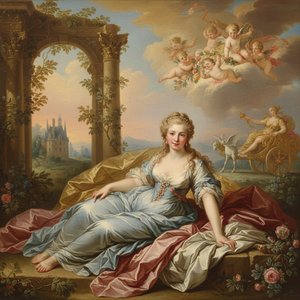
François Boucher: Rococo Master of Myth, Sensuality, and the French Court
Explore the captivating world of François Boucher, master of Rococo painting! Discover his iconic works, aristocratic patronage, and lasting influence on French art history. Learn more at OriginalUniqueArt.
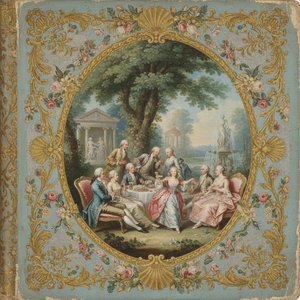
The Rococo Style: Aristocratic Leisure & the Pursuit of Delight in 18th-Century Art
Explore the opulent world of Rococo art! Discover Watteau, Boucher & Nattier's masterpieces. Expert insights for collectors seeking museum-quality reproductions and custom portraits at OriginalUniqueArt.

Top 10 Capodopere Rococo: Arta, Istorie și Decor Excepțional | OriginalUniqueArt.ro
Descoperă top 10 capodopere Rococo de la Fragonard, Boucher și Watteau! Explorează istoria artei, tehnicile și culorile vibrante ale stilului Rococo. Reproduceri de artă excepționale pentru decorul perfect pe OriginalUniqueArt.ro.

