
![Avec Mon Sac, Bagues Et Bracelets [with Bag, Rings And Bracelets] — Malick Sidibé](/media/artworks/images-full/b1/8e/b18e94dec58ab4e7863c422d2ccce2e8.jpg)
 Trimite
 Distribuie
 Detalii
 Ghidul

 Descarcă
 Produse similare
 Diaporama
 Statistici
Avec mon sac, bagues et bracelets [With Bag, Rings and Bracelets]
 Gelatin Silver Print
- Photo
- Documentary Photography
 1968
1968 44.0 x 41.0 cm
 MAM Rio
 Citește mai mult
Reproducere pictată manual în ulei
Pictură în ulei pe pânză, realizată manual de artiștii noștri la dimensiunea și ramele dorite de dumneavoastră, pe comandă. ( Comută pe versiunea Print Treci la imagine digitală)




































Alegeți dintre dimensiunile noastre prestabilite, care respectă proporțiile originale ale operei de artă.

Puteți introduce propriile dimensiuni pentru a se potrivi unui anumit cadru sau spațiu. Dacă dimensiunea selectată nu corespunde proporțiilor imaginii originale, vom decupa opera de artă sau vom extinde pictura cu elemente suplimentare pictate manual. O simulare digitală vă va fi trimisă pentru aprobare înainte de începerea producției.
Vă rugăm să rețineți că previzualizarea de pe ecran nu reflectă decuparea sau extinderea reală. Doar macheta va arăta cu exactitate compoziția finală.
Deși sunt disponibile dimensiuni personalizate, vă recomandăm să selectați o dimensiune din lista predefinită pentru a păstra proporțiile originale.
După plasarea comenzii, echipa OriginalUniqueArt.com va contacta clientul prin e-mail pentru instrucțiuni și îi va furniza o previzualizare a machetei
Livrare în întreaga lume () în 3-4 săptămâni, în loc de cele 5 săptămâni standard. (27 Septembrie). Fără compromisuri în ceea ce privește calitatea.

Livrare expres gratuită la nivel mondial

Pânză de in premium

Asigurare completă pentru transport

Garanție de rambursare a taxelor vamale

Garanția fidelității culorilor

Politica de retur în 100 de zile (doar pentru defecte)

Garanție de rambursare 100%

Reducere pentru comenzi multiple
 Opțiunea cu sticlă este disponibilă doar pentru dimensiuni de sub 110 cm

Avec mon sac, bagues et bracelets [With Bag, Rings and Bracelets]
Tip de reproducere
Dimensiune reproducere
-


Preț total
$ 300
A Moment Frozen in Joy: Malick Sidibé’s “Avec mon sac, bagues et bracelets”
Malick Sidibé's "Avec mon sac, bagues et bracelets" – “With My Bag, Rings and Bracelets” – is more than just a photograph; it’s a vibrant snapshot of post-colonial Mali, a testament to youthful exuberance, and a poignant reflection on the evolving social landscape of Bamako in 1968. Captured with his signature black and white aesthetic, the image immediately draws the viewer into a world brimming with energy and understated dignity. The young man seated on a tiled floor, radiating an almost palpable sense of self-possession, embodies the spirit of a generation navigating a rapidly changing nation – a nation grappling with its identity while simultaneously embracing modernity.
Sidibé’s approach to photography was deeply rooted in his experience as a studio assistant for French photographer Gérard Guillat. This early apprenticeship instilled within him a meticulous attention to detail and an understanding of composition, but it was his own observations of Bamako life that truly shaped his artistic vision. He wasn't interested in documenting hardship or political upheaval; instead, he sought to capture the joy, the fashion, and the social dynamics of everyday youth culture – a world previously largely unseen by the wider Malian community.
The Language of Light and Form
Technically, “Avec mon sac…” is a masterclass in documentary photography. Sidibé employed a gelatin silver print process, utilizing the inherent tonal range of black and white to create dramatic contrasts and define the subject’s form. The lighting, likely originating from studio sources, casts strong shadows that sculpt the young man's features, emphasizing his posture and conveying a sense of quiet confidence. The geometric patterns of the tiled floor – a recurring motif in Sidibé’s work – provide a grounding element, anchoring the figure within its urban environment while simultaneously creating visual interest through their interplay with the curves of the body.
Noticeably, the composition is centered, drawing immediate attention to the subject. Lines are prominent, guiding the eye across the frame and reinforcing the image’s sense of stability and poise. The use of negative space around the figure further isolates him, highlighting his presence and inviting contemplation. The photograph's clarity and sharpness speak to Sidibé’s skill in capturing a fleeting moment with remarkable precision.
Symbolism and Cultural Context
Beyond its technical merits, “Avec mon sac…” is rich in symbolic meaning. The young man’s attire – the stylish bag, the rings adorning his fingers, and the simple yet elegant bracelet – speaks to a burgeoning sense of personal style and an embrace of modernity within a traditional context. These seemingly small details represent a shift away from rigid social norms and towards individual expression. The tiled floor itself can be interpreted as a symbol of urbanity and progress, juxtaposed with the figure’s relaxed posture, suggesting a comfortable integration of these elements.
Created in 1968, the photograph captures a pivotal moment in Malian history – a period of transition following independence from French colonial rule. Bamako was experiencing rapid urbanization and social change, and Sidibé's work provides invaluable insight into the lives and aspirations of its young people. The image is not simply a portrait; it’s a window into a specific cultural moment, offering a glimpse of resilience, optimism, and the enduring spirit of a generation.
A Legacy of Joyful Observation
Malick Sidibé's legacy extends far beyond this single photograph. He became one of Africa’s most celebrated photographers, renowned for his ability to capture the essence of human experience with empathy and grace. “Avec mon sac, bagues et bracelets” stands as a powerful example of his artistic vision – a testament to the beauty of everyday life, the importance of cultural preservation, and the enduring power of a single, perfectly framed moment.
Reproductions of this iconic image offer a remarkable opportunity to bring Sidibé’s vibrant storytelling into any space. Whether adorning a wall in a private residence or gracing the walls of a gallery, “Avec mon sac…” continues to inspire and captivate viewers with its timeless appeal and profound emotional resonance.
Biografie artist
A Chronicler of Joy: The Life and Legacy of Malick Sidibé
Malick Sidibé emerged from the rural heartland of Mali to become one of Africa’s most celebrated photographers, a visual poet who captured a nation in transition with an unparalleled eye for intimacy and dynamism. Born in 1936 in Sologo, his early life was steeped in traditional Malian existence – herding animals, working the land, far removed from the burgeoning urban center of Bamako. This formative period instilled within him a deep connection to his cultural roots, a sensibility that would profoundly shape his artistic vision. A pivotal moment arrived when he was selected by the village chief to attend school in Yanfolila, an opportunity that opened doors to education and ignited a nascent passion for art. His talent for drawing quickly became apparent, leading to commissions for official events and ultimately securing his acceptance into the Institut National des Arts de Bamako. It was there he encountered Gérard Guillat-Guignard, a French photographer who served as his mentor, guiding him through the technical intricacies of the medium not through formal instruction, but through observation and practical experience. This apprenticeship laid the foundation for Sidibé’s distinctive approach – one that prioritized capturing life as it unfolded, rather than staging contrived scenes.Bamako in Bloom: Documenting a Generation
In 1952, Sidibé relocated to Bamako, a city pulsating with energy and undergoing rapid transformation as Mali approached independence. He began his formal photographic training under Guillat-Guignard at the Gégé la Pellicule photo service boutique in 1955, honing his skills before acquiring his first camera, a Brownie Flash, in 1956. By 1957, he had established Studio Malick, becoming a fixture in Bamako’s social landscape. Sidibé didn't merely document the city; he immersed himself within it, drawn to the vibrant youth culture that was blossoming in the wake of colonial rule. His lens found its focus on sporting events, lively beach gatherings, pulsating nightclubs, and intimate moments of courtship – scenes that encapsulated a generation’s newfound freedoms and aspirations. He eschewed the formality of traditional studio portraiture, preferring instead to capture his subjects in candid moments, amidst the energetic backdrop of Bamako's social life. This approach resulted in striking black-and-white images imbued with an immediacy and authenticity that resonated deeply within Malian society and would eventually captivate audiences worldwide. His work wasn’t simply about *what* was being photographed, but *how* it felt to be alive during this exhilarating period of change.Style and Substance: A Unique Photographic Vision
Sidibé's artistic style is characterized by a remarkable blend of technical skill and empathetic observation. His background in drawing profoundly influenced his approach to portraiture; he carefully considered composition, posing subjects not for static representation but to convey a sense of life and movement. He possessed an innate ability to connect with his subjects, fostering a relaxed atmosphere that allowed their personalities to shine through. This intimacy is palpable in his photographs, creating a powerful connection between the viewer and those depicted. A recurring theme throughout his work is the celebration of post-colonial joy and the burgeoning youth culture of Mali during the 1960s and 70s. Music played an integral role in this era, and Sidibé’s images frequently depict scenes of dancing and revelry, capturing the liberating spirit of a generation embracing newfound freedoms. He utilized simple props – hats, scarves, sunglasses – to enhance the narratives within his photographs, transforming everyday objects into symbols of status and identity. His compositions often featured low camera angles, emphasizing the subjects' energy and confidence. Nuit de Noël (Christmas Eve), perhaps his most iconic image, exemplifies this perfectly: a smiling couple lost in dance, radiating an infectious energy that transcends cultural boundaries.Studio Malick: A Hub of Creativity
Alongside his celebrated documentary photographs of the Bamako nightlife, Sidibé created iconic portraits within his studio, named ‘Studio Malick’ and operating in the popular neighborhood of Bagadadji. The studio functioned as an important meeting place for the city youth. “The studio was like no other,” he recalls: “It was… relaxed. I did formal family shots, too, but often it was like a party. People would drop by, stay, eat. I slept in the developing room.” Studio Malick became more than just a photography studio; it evolved into a social hub where young people could gather, express themselves, and celebrate their newfound freedoms. The portraits created there reflected the changes that were happening in society. Unlike the official photographs created during the French rule that were used predominantly in the identification documents, on Sidibé’s images Malians were able to represent themselves freely. According to Candace M. Kelle, a specialist in modern African art and photography, “in the newly independent country ‘photography provided Malians with a new medium and venue in which to invent and preserve personal and collective identities.’” Through incorporating particular commodities onto the images: cars, cameras, radios, or Western clothing, the subjects were seeking to stress their position as successful and modern. Photography functioned as an important tool in expressing the belonging (actual or desired) to particular social and economic class, allowing people to reclaim the agency over their image and to construct their identities.International Recognition and Lasting Influence
Malick Sidibé’s work gained international recognition in the 1990s thanks to the efforts of photographer Françoise Haguier and curator André Magnin, who were dispatched by collector Jean Pigozzi to explore West African art. His photographs began appearing in exhibitions around the globe, garnering critical acclaim and establishing him as a major figure in contemporary photography. He received numerous prestigious awards throughout his career, culminating in the Golden Lion Award for Lifetime Achievement at the Venice Biennale in 2007 – a historic moment that made him both the first photographer and the first African to receive this honor. Other accolades included the Hasselblad Award, the International Center of Photography Infinity Award, and a World Press Photo Award. His work is now held in prominent collections worldwide, including the Contemporary African Art Collection (CAAC), the J. Paul Getty Museum, and the Museum of Modern Art in New York. Sidibé’s influence extends beyond the art world; his distinctive style has been acknowledged in popular culture, most notably inspiring Janet Jackson's 1997 music video "Got 'Til It's Gone," and Inna Modja’s 2015 video for “Tombouctou,” filmed within Studio Malick itself.A Legacy of Cultural Preservation
Malick Sidibé passed away in April 2016, leaving behind a profound legacy as one of Mali's most important photographers and a pivotal figure in the history of African art. His work provides an invaluable visual record of post-colonial Malian society, offering a unique perspective on a period of rapid social and cultural change. He elevated documentary photography to new heights, demonstrating that powerful storytelling could emerge from seemingly ordinary moments. He wasn’t simply taking pictures; he was preserving memories, celebrating life, and documenting the evolution of a nation. His photographs serve as a testament to the resilience, joy, and creativity of the Malian people, ensuring that their stories are told and remembered for generations to come. Sidibé's enduring influence continues to inspire contemporary artists and photographers, solidifying his position as a master chronicler of Malian culture and a celebrated figure in the global art landscape.
Malick Sidibé
1936 - 2016 , Mali
Informații rapide
- Artistic Movement Or Style: Fotografie documentară
- Artists Or Movements Influenced By This Artist:
- Inna Modja
- Janet Jackson
- Artists Who Influenced This Artist: ['Gérard Guillat-Guignard']
- Date Of Birth: 1936
- Date Of Death: 2016
- Full Name: Malick Sidibé
- Nationality: Malian
- Notable Artworks:
- Nuit de Noël
- James Brown Fans
- Place Of Birth: Sologo, Mali
Articole conexe
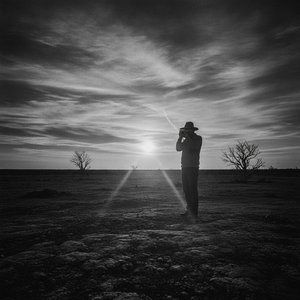
Timeless Shadows: The Artistry, History, and Emotional Resonance of Black and White Photography
Explore the profound artistry of black and white photography. From historical mastery to the interplay of light and shadow, discover how monochrome captures timeless emotion and form through a sophisticated lens of art history.
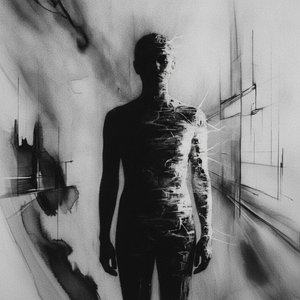
Shadow & Soul: Why Black & White Photography Remains the Ultimate Power Move in Modern Art
Discover why black & white photography remains a powerful force in contemporary art. Explore the impact of light, shadow, and texture through a visual journey of monochrome mastery and learn how to elevate your space with timeless grayscale aesthetics.

Top 10 Capodopere Alb-Negru: Frumusețe Atemporală în Artă | OriginalUniqueArt.ro
Descoperă top 10 picturi celebre dominate de alb, de la Monet la Kandinsky! Explorează istoria artei, tehnicile artistice și frumusețea atemporală a capodoperelor clasice. Reproduceri de calitate muzeală pe OriginalUniqueArt.com – inspiră-ți decorul!

Monochrome Visions: Exploring the Aesthetic & Historical Significance of Black & White Photography
Explore the rich history & artistic power of black and white photography. From early techniques to iconic masters like Ansel Adams, discover why monochrome continues to captivate art lovers today. Expert insights for collectors.
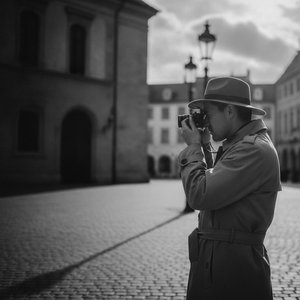
Beyond Color: The Timeless Power and Artistry of Black and White Photography
Explore the profound artistry of black and white photography. From the chemistry of gelatin silver to the chiaroscuro of the Old Masters, discover how monochrome captures the eternal essence of light, form, and emotion for the discerning art collector.