
 Previzualizare
 Trimite
 Distribuie
 Detalii despre lucrare

 Descarcă
 Produse similare
 Radiografie
 Diapozitive automate
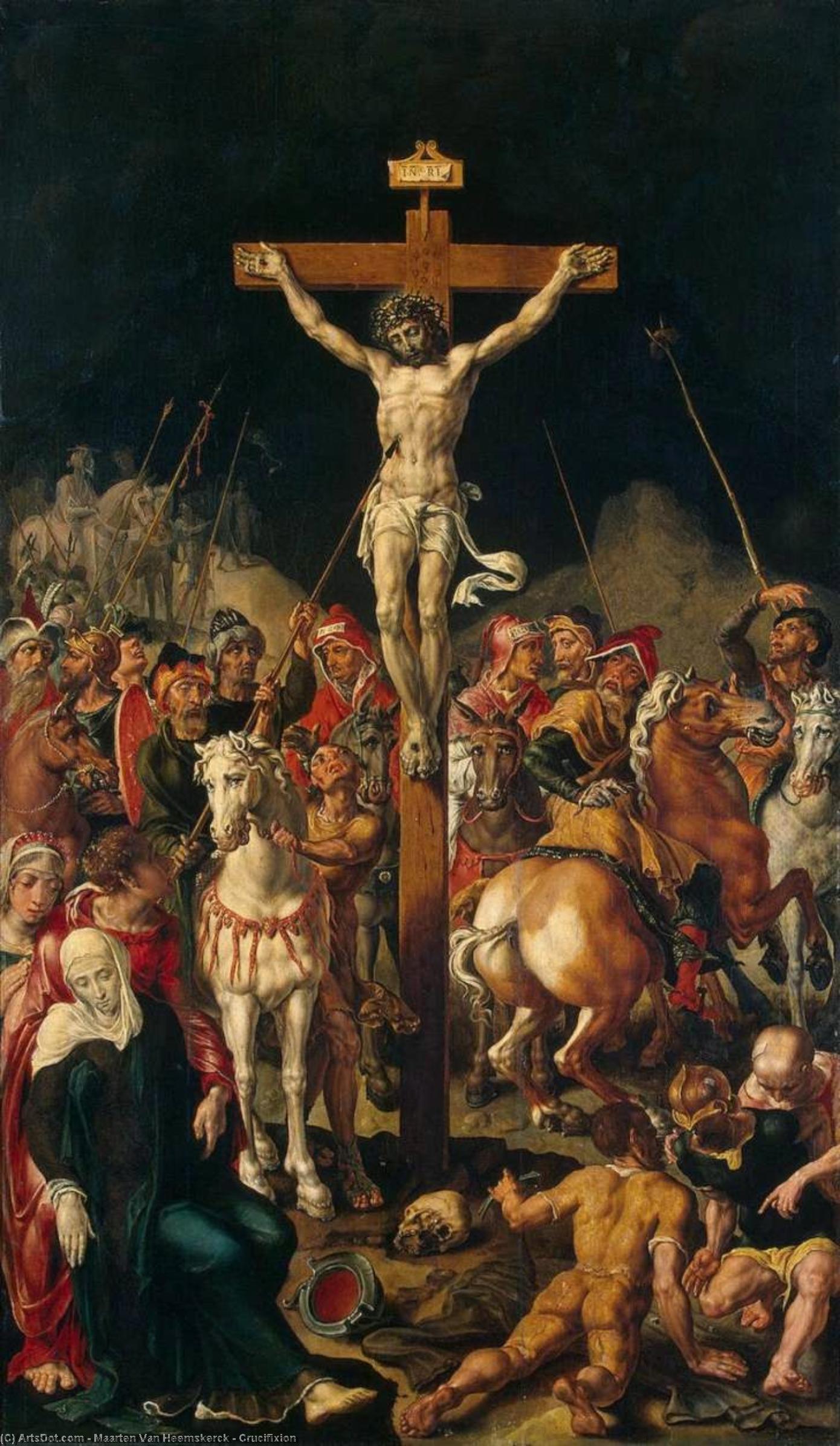
Crucifixion
 Oil On Canvas
- WallArt
- Renaissance Dutch
 1545
1545- Renaissance
 101.0 x 58.0 cm
 Muzeul Hermitaj
 Vezi mai mult
Giclée / Imprimare artistică
Printuri giclée sau pe canvas de calitate muzeală, cu proces de producție rapid și opțiuni flexibile de finisare. ( Comandă pictură lucrată manual Cumpără imaginea)




P118B $10

P118H $10

P118W $10

P438Z $10

P508JH $12

P508YH $12

P805H $10

P805Z $10

P919BZ $10

P919G $10

P919XJ $10

P959ZH $10

P968JZ $12

W106C $8

W218G $10

W218JH $8

W218Y $10

W307PJ $10

W316G $10

W316PJ $8

W316Y $10

W398PJ $8

W4111J $10

W500HY $15

W500JH $15

W692G $12

W849H $8

W940BG $15

W953PJ $8




Alegeți dintre dimensiunile noastre prestabilite, care respectă proporțiile originale ale operei de artă.

Puteți introduce propriile dimensiuni pentru a se potrivi unui anumit cadru sau spațiu. Dacă dimensiunea selectată nu corespunde proporțiilor imaginii originale, vom decupa lucrarea de artă sau vom extinde imaginea cu margini oglindite sau cu o culoare uniformă. Un mockup digital va fi trimis pentru aprobarea dumneavoastră înainte de începerea producției.
Vă rugăm să rețineți că previzualizarea de pe ecran nu reflectă decuparea sau extinderea reală. Doar mockup-ul va arăta cu exactitate compoziția finală.
Deși dimensiunile personalizate sunt disponibile, vă recomandăm să selectați o dimensiune din lista predefinită pentru a păstra proporțiile originale.
Livrare în întreaga lume () în 2 săptămâni, în loc de cele 4/5 săptămâni standard. (18 August)

Livrare expres gratuită la nivel mondial

Pânză de in de înaltă calitate

Asigurare completă pentru transport

Garanție de rambursare a taxelor vamale

Garanția fidelității culorilor

Politica de retur în 60 de zile (doar pentru defecte)

Garanție de rambursare 100%

Ofertă pentru comenzi multiple
 Opțiunea cu sticlă este disponibilă doar pentru dimensiuni de sub 110 cm

Crucifixion
Giclée / Imprimare artistică
Dimensiune reproducere
-


Preț total calculat
$ 80
Descriere obiect de colecție
A Window Into Faith: Maerten van Heemskerck’s Crucifixion Triptych
The Crucifixion by Maerten van Heemskerck, completed in 1545, stands as a monumental achievement of the Dutch Renaissance and a testament to the enduring power of religious iconography. More than just a depiction of Christ's suffering – though undeniably poignant – this triptych transcends mere representation, immersing viewers in a meticulously crafted tableau that speaks volumes about humanist ideals and artistic innovation. Painted during a period marked by fervent piety and intellectual curiosity, it embodies the spirit of its time while simultaneously securing its place as one of the most influential artworks of the era.Style and Technique: Bridging Italian Renaissance Grandeur with Dutch Realism
Van Heemskerck skillfully blended elements of Italian Renaissance grandeur with the burgeoning realism characteristic of Dutch art. Influenced by artists like Michelangelo and Raphael, he adopted a pyramidal composition – a technique favored in monumental religious paintings – to convey stability and solemnity. However, unlike many Italian counterparts that prioritized idealized beauty, Van Heemskerck’s approach embraced meticulous detail and naturalistic observation. The artist painstakingly rendered textures—the rough linen of Christ's robe, the weathered stone of the cross—creating a palpable sense of physicality that distinguishes it from more stylized depictions. This careful attention to realism was further enhanced by his masterful use of chiaroscuro – dramatic contrasts between light and shadow – which sculptured form and imbued the scene with emotional depth.Historical Context: Rome Under Charles V and the Reformation’s Influence
The Crucifixion's creation coincided with a pivotal moment in European history: the reign of Charles V, Holy Roman Emperor, and the escalating tensions surrounding the Protestant Reformation. The Habsburg monarch championed Catholicism fiercely, commissioning artworks like this to reaffirm papal authority and bolster religious faith. Yet, Van Heemskerck’s work wasn’t solely driven by political considerations; it reflected a broader humanist preoccupation with human suffering and mortality – themes explored extensively in classical literature and philosophy. The triptych served as part of a larger project to decorate the Porta San Sebastiano in Rome, commemorating Charles V's victory over Protestant forces—a visual declaration of imperial piety amidst religious upheaval.Symbolism: Layers of Meaning Beyond Visual Representation
The Crucifixion’s symbolism is rich and multifaceted. The central panel depicts Jesus Christ crucified on the cross, a universally recognized emblem of sacrifice and redemption. His outstretched arms symbolize humility and acceptance of divine judgment, while his gaze directs upward towards God—a gesture signifying hope and spiritual aspiration. Surrounding him are figures representing Mary Magdalene, Nicodemus, Joseph of Arimathea, and others who witnessed Christ’s death – each embodying compassion and devotion. The inclusion of a horse on the right panel reinforces the imagery of royalty and divine majesty, mirroring the emperor's patronage. Furthermore, the cup positioned at the bottom left corner symbolizes the Eucharist—the sacrament commemorating Jesus’s sacrifice—underscoring the theological significance of the artwork.Emotional Impact: A Profound Reflection on Suffering and Faith
Ultimately, Maerten van Heemskerck’s Crucifixion transcends mere visual spectacle; it evokes a profound emotional response in viewers. The subdued palette – dominated by earthy tones – contributes to an atmosphere of solemn contemplation. Yet, the artist's masterful manipulation of light and shadow intensifies the drama of the scene, conveying the agony of Christ’s torment and eliciting empathy for his suffering. It compels us to confront questions about faith, mortality, and divine compassion—themes that continue to resonate across centuries. The Crucifixion remains a powerful reminder of humanity's capacity for sorrow and its unwavering belief in redemption – an enduring masterpiece that secures its place as one of the most poignant expressions of Renaissance spirituality.Biografie artist
primii ani și formarea artistică
maerten van heemskerck, un pictor olandez de renume în domeniul portretului și al scenelor religioase, s-a născut pe 1 iunie 1498, în satul Heemskerk, din Olanda de Nord. Călătoria sa artistică a început sub îndrumarea lui Cornelius Willemsz în Haarlem, fiind urmată de o scurtă perioadă de formare în Delft alături de Jan Lucasz. În cele din urmă, acesta a devenit ucenicul lui jan van scorel, adoptând stilul influențat de estetica italiană al mentorului său.momente de glorie în carieră
- opera lui maerten van heemskerck este definită de o fuziune inovatoare între influențele olandeze și cele italiene, așa cum se poate observa în celebrul său portret de familie, considerat primul de acest gen într-o lungă tradiție a picturilor de familie olandeze.
- colaborarea sa cu antonio da sangallo the younger, battista franco și francesco de' rossi (il salviati) la redecorarea porta san sebastiano din Roma — un arc triumfal dedicat lui Carol al V-lea — demonstrează măiestria sa și rapiditatea de execuție în pictura de decor.
- desenele lui heemskerck care surprind sculpturile clasice și arhitectura, păstrate astăzi în două albume de schițe la kupferstichkabinett berlin, dovedesc talentul său deosebit în a capta însăși esența artei italiene.
opere memorabile și moștenire
- donatorul și sfânta marie magdalena (vizualizează pe OriginalUniqueArt)
- fecioara și sfântul ioan evangelistul (vizualizează pe OriginalUniqueArt)
- samson zdrobind stâlpii templului, maarten van heemskerck (vizualizează pe OriginalUniqueArt)
concluzie
maerten van heemskerck a lăsat o amprentă profundă și incontestabilă asupra lumii arte. Operele sale, care fac acum parte din diverse colecții de muzeu, inclusiv Rijksmuseum, continuă să îi inspire pe artiști și pe iubitorii de artă deopotrivă. Pentru a explora mai multe dintre capodoperele sale, vizitați pagina lui maerten van heemskerck pe OriginalUniqueArt. Pentru o înțelegere mai profundă a vieții și lucrărilor sale, consultați biografia sa de pe wikipedia.
Maerten Van Heemskerck
1498 - 1574 , Țările de Jos
Detalii rapide
- Artistic Movement Or Style: Maniereism
- Artists Who Influenced This Artist:
- Jan van Scorel
- Antonio da Sangallo the Younger
- Date Of Birth: 1 iunie 1498
- Date Of Death: 1 octombrie 1574
- Full Name: Maerten Jacobsz van Heemskerck
- Nationality: Olandez
- Notable Artworks:
- Plângerea lui Hristos Mort
- Pieter Jan Foppeszoon și familia sa
- Hristos ca Omul Durerilor
- Place Of Birth: Heemskerk, Țările de Jos
Articole similare
Vincent van Gogh: Cele Mai Iconice 25 de Capodopere – Artă, Istorie și Decorațiuni Excepționale
Descoperă cele mai frumoase 25 de tablouri Vincent van Gogh! Explorează istoria, emoția și tehnicile artistului impresionist. Reproduceri de artă de calitate muzeală pentru decorațiuni interioare excepționale pe OriginalUniqueArt.com.

Rembrandt van Rijn: Cele Mai Frumoase 25 de Capodopere – Artă, Istorie și Decorațiuni Interioare
Descoperă cele mai frumoase 25 de picturi ale lui Rembrandt van Rijn! Explorează capodopere baroce, portrete emoționante și peisaje iconice. Reproduceri de artă de calitate muzeală pentru un design interior rafinat. Descoperă toate operele pe OriginalUniqueArt.com!

Maerten van Heemskerck: Bridging Mannerism & Renaissance Ideals
Explore the captivating world of Maerten van Heemskerck, a pivotal Dutch Renaissance painter bridging Mannerism & Italian influence. Discover his masterpieces and legacy with OriginalUniqueArt.

Top 10 Capodopere Baroc Olandez: Artă, Istorie și Decorațiuni Interioare de Lux
Descoperă top 10 capodopere Baroc Olandez! Rembrandt, Vermeer și alți maeștri. Explorează istoria artei, tehnicile unice și atmosfera luxoasă a picturilor baroce. Reproduceri de artă de calitate muzeală pe OriginalUniqueArt.com.
Adriaen van Ostade: A Master of Dutch Genre Painting & Social Commentary
Explore the life & work of Adriaen van Ostade, a leading Dutch Golden Age painter. Discover his realistic genre scenes, social commentary, and lasting influence on art history. Learn more at OriginalUniqueArt.


