

 Previzualizare
 Trimite prin felicitare
 Distribuie
 Detalii despre lucrare
 Ghid
Ghid

 Descarcă imaginea
 Produse similare
 Radiografie
 Galerie foto
 Statistici
St Stephen
 Acrylic On Canvas
- WallArt
- Renaissance/Baroque
 67.0 x 50.0 cm
 Muzeul Prado
 Vezi mai mult
Reproducere pictată manual în ulei
Pictură în ulei pe pânză, pictată manual de artiștii noștri la dimensiunea și ramele dorite de dumneavoastră, pe comandă. ( Comută pe versiunea Print Comută pe Imagine Digitală)




P118B lei10

P118H lei10

P118W lei10

P438Z lei10

P508JH lei12

P508YH lei12

P805H lei10

P805Z lei10

P919BZ lei10

P919G lei10

P919XJ lei10

P959ZH lei10

P968JZ lei12

W106C lei8

W218G lei10

W218JH lei8

W218Y lei10

W307PJ lei10

W316G lei10

W316PJ lei8

W316Y lei10

W398PJ lei8

W4111J lei10

W500HY lei15

W500JH lei15

W692G lei12

W849H lei8

W940BG lei15

W953PJ lei8




Alegeți dintre dimensiunile noastre prestabilite, care respectă proporțiile originale ale operei de artă.

Introduceți lățimea și înălțimea necesare pentru a se potrivi ramei sau peretelui dumneavoastră. Această lucrare este pictată manual, așa că, pentru o dimensiune cu o formă diferită, artistul poate picta puțin mai mult în jurul imaginii sau poate tăia puțin din margini — dumneavoastră decideți. Vă vom trimite o simulare digitală pentru aprobare înainte de a începe pictarea. Imaginea afișată pe această pagină nu reprezintă rezultatul real — doar simularea este reprezentativă.
După plasarea comenzii, echipa OriginalUniqueArt.com va contacta clientul prin e-mail pentru instrucțiuni și îi va furniza o previzualizare a machetei
Livrare în întreaga lume () în 3-4 săptămâni, în loc de cele 5 săptămâni standard. (25 Octombrie). Fără compromisuri în ceea ce privește calitatea.

Livrare expres gratuită la nivel mondial

Pânză de in de înaltă calitate

Asigurare completă pentru transport

Garanție de rambursare a taxelor vamale

Garanția fidelității culorilor

Politica de retur în 100 de zile (doar pentru defecte de fabricație)

Garanție de rambursare 100%

Ofertă pentru comenzi multiple
 Opțiunea cu sticlă este disponibilă doar pentru dimensiuni de sub 110 cm

St Stephen
Tehnică de reproducere
Dimensiune reproducere
-


Preț total calculat
lei 1389
The Silent Witness: Luis de Morales’s St Stephen
Luis de Morales's "St Stephen" isn’t merely a painting; it’s a profound distillation of faith, sorrow, and the quiet dignity of martyrdom. Executed in the late 16th century during a period of fervent religious fervor in Badajoz, Spain, this work stands as a testament to the artist’s extraordinary ability to imbue biblical scenes with palpable emotion and anatomical realism—a hallmark of his distinctive style. The painting depicts St Stephen, the first Christian martyr, not in grand, triumphant pose, but rather in a moment of contemplative stillness, a figure rendered with an almost unnerving intimacy that draws the viewer into his inner world.
Morales’s artistic lineage is deeply rooted in the traditions of Spanish religious art, yet he transcends mere imitation. He masterfully blends elements of the Renaissance and Baroque, employing a meticulous attention to detail reminiscent of Flemish painting—particularly evident in the rendering of St Stephen's skin, which exhibits a remarkable sensitivity to light and shadow – pores, wrinkles, and subtle variations in tone that suggest both age and suffering. The composition is deliberately restrained, focusing entirely on the figure of the saint, set against a subtly rendered landscape that hints at the desolate terrain where he met his tragic end.
A Study in Light and Shadow: Technique and Materials
The painting’s power resides significantly in Morales's masterful manipulation of light. He utilizes *chiaroscuro*—the dramatic contrast between light and dark—to sculpt St Stephen’s form, emphasizing his vulnerability and the weight of his impending fate. The muted palette – dominated by earthy browns, ochres, and subtle blues – contributes to a sense of solemnity and gravity. The artist employed oil on panel, a technique favored for its ability to achieve rich colors and nuanced textures. Close examination reveals an incredibly detailed surface, achieved through countless layers of thin glazes—a painstaking process that speaks volumes about Morales’s dedication to his craft.
Notably, the painting's execution suggests a deep understanding of human anatomy, a skill honed through years of observation and study. The pose is naturalistic, conveying a sense of quiet resignation rather than dramatic anguish. The artist doesn’t shy away from depicting the physical realities of martyrdom – the bald head, the weathered face, the simple garment—transforming a biblical narrative into a deeply human experience.
Symbolism and Spiritual Resonance
Beyond its technical brilliance, “St Stephen” is rich in symbolic meaning. The saint’s posture, with his hand resting gently on his chest, evokes the image of Christ's sacrifice. The presence of the three stones—a direct reference to his brutal execution—underscores the painting’s central theme: unwavering faith in the face of persecution. The rocky landscape, sparsely populated and bathed in a melancholic light, serves as a potent metaphor for the desolate spiritual journey undertaken by those who choose to follow Christ.
Furthermore, St Stephen's baldness is not merely a detail of representation; it’s a deliberate allusion to his role as a deacon, signifying his service and humility. The painting invites contemplation on themes of sacrifice, faith, and the enduring power of spiritual conviction—themes that resonated deeply with viewers during Morales’s time and continue to hold profound significance today.
A Legacy of Devotion: Reproduction and Artistic Value
Reproductions of “St Stephen” offer a remarkable opportunity to experience the depth and emotional resonance of this extraordinary work. The meticulous detail, combined with Morales's masterful use of light and shadow, ensures that these reproductions capture the essence of the original painting—a testament to the artist’s skill and vision. Whether displayed in a private residence or a public space, this image serves as a powerful reminder of the enduring legacy of Spanish religious art and the timeless themes it explores.
Consider commissioning a hand-painted reproduction from OriginalUniqueArt.com – an authentic recreation that honors Morales’s artistic legacy while bringing his profound vision into your home or studio. It's more than just a picture; it’s a window into the soul of a master artist and a celebration of faith, sacrifice, and the enduring power of human spirit.
Întrebări și răspunsuri
Cum se încadrează „St Stephen” în temele și stilul lui Luis De Morales?
În creația lui Luis De Morales, „St Stephen” se înscrie în stilul Renaissance/Baroque, alături de temele religious devotion, renaissance realism, spanish piety, morales’ style, martyrdom, biblical narrative”, “devotional imagery, spiritual focus”.
Cine este autorul operei "St Stephen" și din ce curent artistic face parte?
Opera „St Stephen” este creată de Luis De Morales și aparține mișcării Renaissance/Baroque.
Care sunt proporțiile lui "St Stephen" de Luis De Morales și ce dimensiuni are?
Formatul lucrării „St Stephen” este Portrait, iar dimensiunile originale sunt 67 x 50 cm. Ambele informații sunt utile atunci când planificați o reproducere.
Biografie artist
Luis de Morales: Pictorul Divin din Badajoz
Luis de Morales (aprox. 1509 – 9 mai 1586), cunoscut cu afecțiune sub numele de „El Divino”, se ridică printre cele mai venerate figuri ale artei renascentiste spaniole—un pictor a cărui spiritualitate profundă și realism uluitor au captivat publicul pe parcursul întregii sale vieți și continuă să inspire admirație după secole. Născut în Badajoz, Extremadura, călătoria artistică a lui Morales s-a desfășulat pe fundalul idealurilor umaniste înfloritoare și al fervoarei religioase, modelându-l într-un maestru fără egal al imaginii devotionale și consolidându-i moștenirea ca artist esențial al epocii sale.- Primii ani și influențele: Puține lucruri se cunosc cu certitudine despre anii săi formativi, dincolo de înregistrările documentate care indică faptul că s-a născut în Badajoz în jurul anului 1509. Formarea sa artistică a început probabil sub îndrumarea lui Hernando Sturmio, un pictor flamand stabilit în Badajoz, și posibil sub cea a lui Pedro de Campaña, un artist prominent bazat în Sevilla—locuri renumite pentru tradițiile lor artistice vibrante în timpul Renașterii.
- Școala Lombardă și ecourile florentine: Primele lucrări ale lui Morales poartă urme de neagadat ale școlii lombarde a lui Leonardo da Vinci – caracterizată prin subtilul sfumato (contururi difuze) și perspectivă atmosferică. În același timp, el a absorbit influențe de la Michelangelo, ale cărui sculpturi monumentale i-au insuflat o înțelegere magistrală a anatomiei și a gestului expresiv. Aceste experiențe formative și-au impactat profund sensibilitățile sale artistice.
O perioadă definită de precizia anatomică și profunzimea spirituală
Producția artistică a lui Morales poate fi împărțită, în linii mari, în două perioade distincte, reflectând tendințele stilistice și curentii intelectuali în evoluție. Prima fază, care s-a întins aproximativ din 1539 până în 1560, a fost martorul unui angajament continuu cu estetica florentină—în special cu rigoarea anatomică a lui Michelangelo—rezultând picturi îmbibate cu o emoție palpabilă și tensiune dramatică. Lucrări precum La Virgen del Pajarito exemplifică acest stil timpuriu, prezentând detalii meticuloase și transmitând o profundă contemplație spirituală.- A doua înflorire: În urma căsătoriei sale cu Leonor de Chaves și a mutării ulterioare la Alcántara, Morales a experimentat o remarcabilă renaștere artistică. Această perioadă l-a văzut producând capodopere care au împins limitele tehnicii renascentiste—în special în ceea ce privește acuratețea anatomică—trăgând inspirație de la pictorii germani și flamanzi care susțineau chiaroscuro (contrastul dintre lumină și întuneric) și observația meticuloasă a naturii.
- Realizări notabile: Printre cele mai celebrate picturi ale sale se numără La Piedad (1560), păstrată în Catedrala din Badajoz, o reprezentare uluitoare a Maicii Domnului îndurerându-se pentru moartea lui Iisus—o dovadă a abilității fără egal a lui Morales de a transmite emoția durerii; San Juan de Ribera (1564), aflat în Muzeul Prado din Madrid; și Ecce Homo, expus la Hispanic Society of America. Aceste opere stau ca simboluri durabile ale pietatei renascentiste și ale excelenței artistice.
Moștenire și recunoaștere
Influența lui Luis de Morales s-a extins mult dincolo de propria sa existență, consacrându-l ca piatră de temelie a artei renascentiste spaniole și asigurându-și locul printre cei mai mari pictori ai generației sale. Devotamentul său neclintit față de temele religioase—exprimat cu un realism uluitor și îmbibat cu o emoție palpabilă—a rezonat profund cu publicul din întreaga Europă. Astăzi, picturile sale sunt păstrate în instituții prestigioase din întreaga lume—inclusiv în Muzeul Prado din Madrid și Kingston Lacy House din Dorset—atestând valoarea lor artistică durabilă și semnificația istorică. Moștenirea lui Morales continuă să inspire artiști și cercetători deopotrivă, asigurându-se că „El Divino” rămâne un far al artei spirituale pentru generațiile ce vor veni.Lucrări selectate
- La Virgen del Pajarito (Virgina cu păsărică) (1546), păstrată în biserica San Agustín, Madrid.
- La Piedad (1560), păstrată în Catedrala din Badajoz.
- San Juan de Ribera (1564), în Muzeul Prado, Madrid.
- Ecce Homo, la Kingston Lacy House (National Trust), Dorset, Marea Britanie.
- Virgen de la leche (Virgina care alăptează), în Muzeul Prado.
- St. Jerome in the Wilderness (Sfântul Ieron în pustiu), în National Gallery of Ireland, Dublin.

Luis De Morales
1509 - 1586 , Spania
Detalii rapide
- Artistic Movement Or Style: Maniereism
- Artists Or Movements Influenced By This Artist: ['Michelangelo']
- Artists Who Influenced This Artist:
- Raphael Sanzio
- Leonardo da Vinci
- Date Of Birth: 1509
- Date Of Death: 1586
- Full Name: Luis de Morales
- Nationality: Spaniol
- Notable Artworks:
- La Virgen del Pajarito
- La Piedad
- San Juan de Ribera
- Ecce Homo
- Place Of Birth: Badajoz, Spania
Articole similare
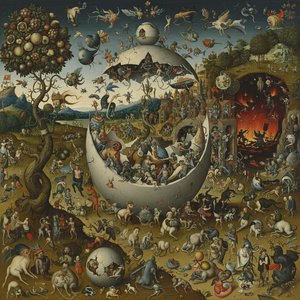
Hieronymus Bosch: Cele Mai Fascinante Capodopere – Artă Medievală pentru Decorul Tău
Descoperă cele mai emblematice 25 de picturi ale lui Hieronymus Bosch! Explorează simbolismul fascinant, viziunile unice și tehnicile artistice din spatele capodoperelor medievale. Reproduceri de artă de calitate muzeală pentru decorul tău pe OriginalUniqueArt.com

Goya: Cele Mai Iconice Capodopere – Artă Spaniolă pentru Decor Rafinat | OriginalUniqueArt.ro
Descoperă cele mai frumoase 25 de picturi ale lui Francisco Goya! Explorează capodoperele romantice, portretele impresionante și gravurile puternice. Reproduceri artă spaniolă de calitate muzeală pentru un decor rafinat. Explorează colecția completă online pe OriginalUniqueArt.com

Cu privire la noi
Descoperă povestea noastră! Aduceți arta de talie mondială în viața dumneavoastră prin selecție expertă, creații personalizate și previzualizări gratuite. Aprobate de persoane fizice și companii din 2000.

Oil on Canvas: A Historical & Technical Exploration of a Timeless Artistic Medium
Explore the rich history & enduring techniques of oil painting on canvas. Discover the science behind its longevity, conservation practices, and contemporary relevance. Expert insights for art enthusiasts.

El Greco: Cele Mai Reprezentative 25 De Capodopere – Artă Sacră și Decorațiuni Excepționale
Descoperă cele mai frumoase 25 de picturi El Greco! Explorează capodoperele renascentiste, stilul unic al lui Doménikos Theotokópoulos și emoțiile puternice din arta sa sacră. Reproduceri de artă de calitate muzeală pe OriginalUniqueArt.com – inspiră-ți decorul!