
 Previzualizare
 Trimite
 Distribuie
 Detalii despre lucrare

 Descarcă
 Produse similare
 Radiografie
 Diapozitive automate
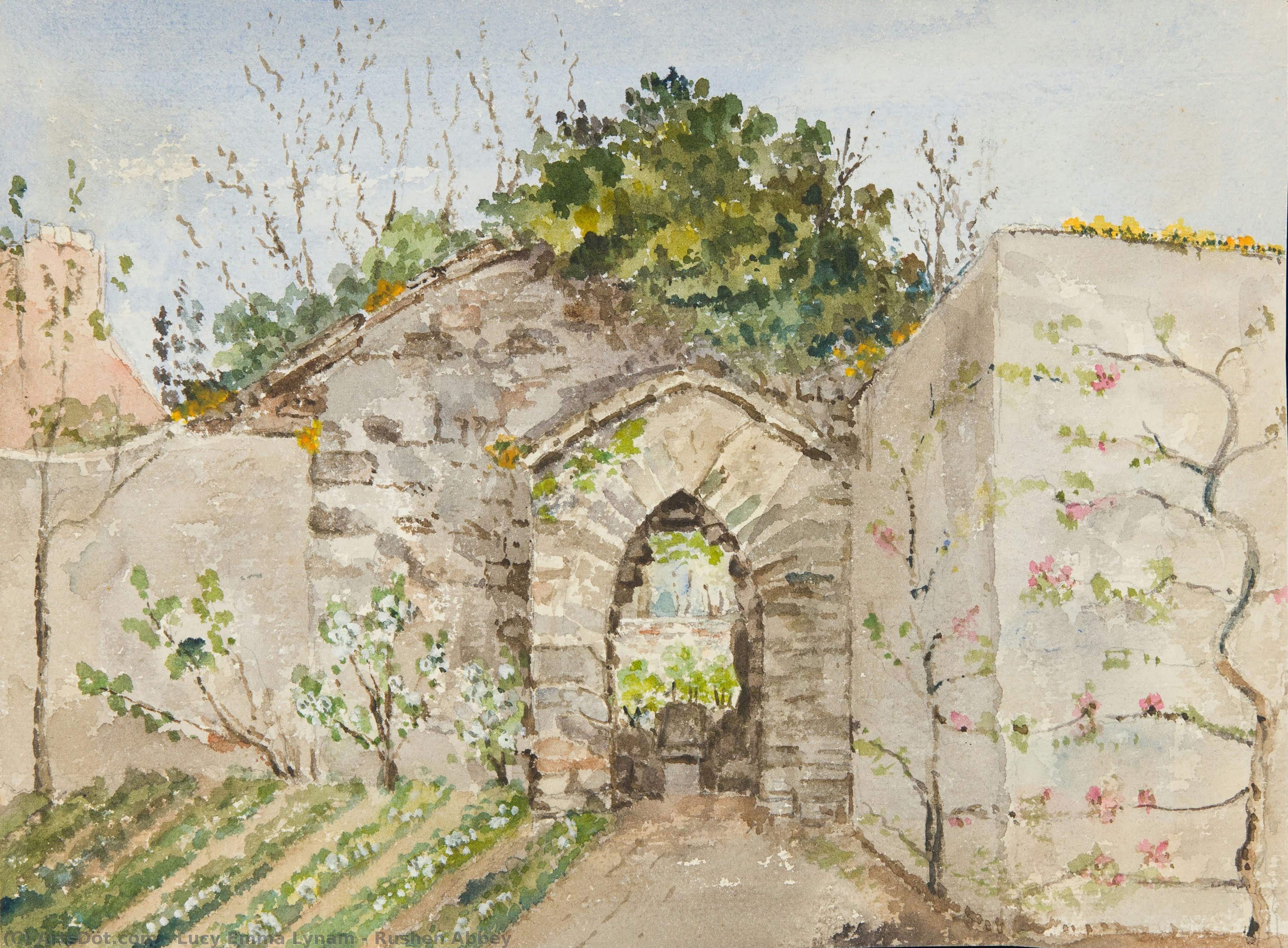
Rushen Abbey
 Watercolor
- WallArt
 1800
1800- 19th Century
 22.0 x 30.0 cm
 Manx National Heritage
 Vezi mai mult
Giclée / Imprimare artistică
Printuri giclée sau pe canvas de calitate muzeală, cu proces de producție rapid și opțiuni flexibile de finisare. ( Cumpără pictură lucrată manual Cumpără imagine)




P118B $10

P118H $10

P118W $10

P438Z $10

P508JH $12

P508YH $12

P805H $10

P805Z $10

P919BZ $10

P919G $10

P919XJ $10

P959ZH $10

P968JZ $12

W106C $8

W218G $10

W218JH $8

W218Y $10

W307PJ $10

W316G $10

W316PJ $8

W316Y $10

W398PJ $8

W4111J $10

W500HY $15

W500JH $15

W692G $12

W849H $8

W940BG $15

W953PJ $8




Alegeți dintre dimensiunile noastre prestabilite, care respectă proporțiile originale ale operei de artă.

Puteți introduce propriile dimensiuni pentru a se potrivi unui anumit cadru sau spațiu. Dacă dimensiunea selectată nu corespunde proporțiilor imaginii originale, vom decupa lucrarea de artă sau vom extinde imaginea cu margini oglindite sau cu o culoare uniformă. Un mockup digital va fi trimis pentru aprobarea dumneavoastră înainte de începerea producției.
Vă rugăm să rețineți că previzualizarea de pe ecran nu reflectă decuparea sau extinderea reală. Doar mockup-ul va arăta cu exactitate compoziția finală.
Deși dimensiunile personalizate sunt disponibile, vă recomandăm să selectați o dimensiune din lista predefinită pentru a păstra proporțiile originale.
Livrare în întreaga lume () în 2 săptămâni, în loc de cele 4/5 săptămâni standard. (12 August)

Livrare expres gratuită la nivel mondial

Pânză de in de înaltă calitate

Asigurare completă pentru transport

Garanție de rambursare a taxelor vamale

Garanția fidelității culorilor

Politica de retur în 60 de zile (doar pentru defecte)

Garanție de rambursare 100%

Ofertă pentru comenzi multiple
 Opțiunea cu sticlă este disponibilă doar pentru dimensiuni de sub 110 cm

Rushen Abbey
Giclée / Imprimare artistică
Dimensiune reproducere
-


Preț total calculat
$ 80
Descriere obiect de colecție
A Window into Serenity: The Whispering Stones of Rushen Abbey
In the delicate dance of light and pigment, Lucy Emma Lynam captures a moment of profound stillness in her watercolor masterpiece, Rushen Abbey. Created around 1800, this evocative work transcends mere architectural documentation, offering instead a poetic meditation on the passage of time and the enduring grace of nature. The scene unfolds with a gentle intimacy, inviting the viewer to step through a weathered brick archway into a world where history and horticulture intertwine. Through her masterful use of watercolor, Lynam breathes life into the cold stone of the abbey, transforming a structural ruin into a living, breathing sanctuary of peace.
The composition is a masterclass in atmospheric perspective and textural nuance. The artist employs a soft, luminous palette to render the interplay between the rugged masonry and the vibrant, ephemeral beauty of the garden. One cannot help but be drawn to the delicate splashes of pink blossoms that punctuate the greenery, acting as small, joyful heartbeats amidst the ancient, silent stones. This contrast between the permanence of the architecture and the fleeting bloom of the flowers serves as a poignant symbol of the cycle of life—a theme deeply resonant with the Romantic sensibilities of the era. The presence of a solitary figure, caught in a moment of quiet contemplation near the center of the frame, provides a human scale to the grandeur, grounding the ethereal landscape in a relatable, earthly experience.
For the discerning collector or interior designer, Rushen Abbey offers more than just visual beauty; it provides an emotional anchor for any space. The painting’s ability to evoke a sense of nostalgia and tranquility makes it an ideal centerpiece for rooms designed for reflection and repose. Whether placed in a sun-drenched morning room or a sophisticated study, this reproduction brings with it the storied atmosphere of Stoke-on-Trent's historical landscapes. Its soft textures and harmonious color story complement both classical and contemporary decors, adding a layer of intellectual depth and timeless elegance to a curated collection. To possess this work is to hold a fragment of a lost era, a quiet rebellion against the frantic pace of modern life.
Biografie artist
James McNeill Whistler: A Symphony of Light and Shadow
Born in Lowell, Massachusetts, in 1834, James Abbott McNeill Whistler’s artistic journey was a transatlantic odyssey, shaped by diverse influences and culminating in a uniquely evocative style. His early life, marked by a brief sojourn in Russia with his father, a civil engineer working on the railway to Moscow, instilled in him an appreciation for both European and Russian aesthetics. Returning to America, he briefly attended the United States Military Academy at West Point, but found himself drawn away from military pursuits towards the burgeoning world of art. Whistler’s artistic development began formally with drawing lessons under Robert W. Weir, yet his true education unfolded through independent study and a profound engagement with European painting traditions – particularly those of Dutch masters like Rembrandt and Vermeer, alongside Spanish Baroque painters such as Velázquez.
Whistler's arrival in Paris in 1855 proved pivotal. He immersed himself in the Parisian art scene, studying at the “petite école” (the École Royale des Beaux-Arts) and working with Charles Gleyre’s independent atelier. This environment exposed him to a range of artistic approaches, including those of emerging Impressionists like Monet and Renoir. Crucially, Whistler cultivated friendships with figures like Carolus-Duran and Édouard Manet, absorbing their innovative ideas and techniques. His early works, such as *Self-Portrait* (1857–58) and the *Twelve Etchings from Nature* (*The French Set*, 1858), demonstrate a nascent realism tempered by an interest in capturing subtle tonal variations – a foreshadowing of his later aesthetic concerns. He was deeply influenced by the writings of Charles Baudelaire and Théophile Thoré, whose explorations of beauty and sensation resonated with Whistler’s own artistic vision.
The Pursuit of “Art for Art’s Sake”
Whistler's artistic philosophy centered on the concept of "art for art's sake," a radical notion at the time that prioritized aesthetic experience over moral or narrative content. He rejected the prevailing trend of painting with didactic purpose, arguing instead that the primary function of art was to evoke beauty and harmony through careful manipulation of color, light, and form. This approach led him to develop a distinctive style characterized by muted palettes, simplified forms, and an emphasis on tonal relationships – what he termed “sympathy.” His paintings often eschewed traditional subject matter, favoring scenes of urban life, interiors, and portraits that were less concerned with depicting reality than with capturing a specific mood or atmosphere.
This philosophy is vividly illustrated in his most famous work, *Arrangement in Grey and Black No. 1* (1871), commonly known as *Whistler’s Mother*. Initially dismissed by critics for its apparent lack of narrative content, the painting has since become an iconic image, celebrated for its quiet dignity and subtle emotional resonance. Similarly, his nocturnes – paintings depicting scenes at night – exemplify this aesthetic principle. Works like *Nocturne in Black and Gold, the Falling Rocket* (1872) demonstrate Whistler’s ability to capture the ethereal quality of darkness through a masterful orchestration of color and light, transforming a simple train journey into a symphony of visual sensation.
Technique and Innovation
Whistler's technical innovations extended beyond his aesthetic choices. He was a pioneer in the field of printmaking, developing a unique approach to etching that emphasized tonal variations and subtle textures. His prints, such as *Nocturne: Blue and Silver – Chelsea* (1879), demonstrate a remarkable command of line and tone, creating images that are both delicate and powerful. Whistler also experimented with color printing techniques, producing vibrant chromolithographs that showcased his mastery of color theory. He meticulously studied the properties of light and color, applying scientific principles to his artistic practice – a characteristic that further distinguished him from many of his contemporaries.
Legacy and Influence
James McNeill Whistler’s impact on the art world was profound and enduring. He challenged conventional notions of what constituted “good” art, advocating for a more subjective and experiential approach to painting. His writings and lectures helped to shape the aesthetic debates of his time, influencing artists such as Monet, Renoir, and Vincent van Gogh. Furthermore, Whistler’s emphasis on tonal harmony and atmospheric effects paved the way for later developments in Impressionism and Post-Impressionism. He was elected an honorary member of the Royal Academy of Fine Arts, Munich (1892) and became an officer of the Légion d'honneur (1898), recognizing his contributions to French culture. Whistler’s legacy continues to resonate today, reminding us of the power of art to evoke emotion, stimulate imagination, and transcend the limitations of representation.

lucy emma lynam
1834 - , United Kingdom
Detalii rapide
- Artistic Movement Or Style: Aestheticism, Tonalism
- Artists Or Movements Influenced By This Artist:
- Aesthetic Movement
- Impressionism
- Artists Who Influenced This Artist:
- Rembrandt
- Vermeer
- Velázquez
- Date Of Birth: July 10, 1834
- Date Of Death: July 17, 1903
- Full Name: James Abbott McNeill Whistler
- Nationality: American-British
- Notable Artworks:
- Arrangement in Grey and Black No. 1
- Whistler’s Mother
- Nocturne in Black and Gold
- Place Of Birth: Lowell, Massachusetts, USA
Articole similare

Top 10 Capodopere Acvarelă Legendară care au Schimbat Arta pentru Totdeauna | OriginalUniqueArt.ro
Descoperă Top 10 capodopere acuarelă legendară de la Sargent, Turner și alți maeștri! Explorează istoria artei, tehnicile unice și paletele vibrante. Reproduceri de artă de calitate muzeală pentru decorul perfect pe OriginalUniqueArt.com.

Ephemeral Visions: Exploring the Artistic Legacy & Contemporary Practice of Watercolor Painting
Explore the captivating world of watercolor painting! Discover its rich history, essential techniques, influential artists & collecting tips. A comprehensive guide for art enthusiasts from OriginalUniqueArt.

Ephemeral Visions: Exploring the History & Emotional Resonance of Watercolor Painting
Explore the captivating history of watercolor painting, from ancient techniques to modern masters like Kandinsky & Blake. Discover essential artists, collecting tips & the emotional power of this luminous medium. Expert insights for art enthusiasts.

Ephemeral Visions: Exploring the Artistic Legacy & Nuances of Watercolor Painting
Explore the captivating world of watercolor painting! Discover its rich history, essential techniques, influential artists & collecting tips from art experts. A comprehensive guide for enthusiasts.
Top 10 Capodopere Artistice cu Peisaje: Inspirație și Frumusețe pentru Decorul Casei
Descoperă top 10 capodopere artistice cu peisaje, de la Monet și Van Gogh la picturi impresioniste. Află poveștile din spatele fiecărei opere și găsește inspirație pentru decorul casei tale! Reproduceri tablouri de calitate superioară pe OriginalUniqueArt.com.

