
 Previzualizare
 Trimite prin felicitare
 Distribuie
 Detalii despre lucrare
 Ghid
Ghid

 Descarcă imaginea
 Produse similare
 Radiografie
 Galerie foto
 Q&A
Q&A Statistici
Untitled (Merchants)


 Vezi mai mult
Lucrarea de artă afișată pe această pagină este protejată de legile privind drepturile de autor, ceea ce înseamnă că nu putem crea sau vinde în mod legal o reproducere identică. Această protecție este garantată prin acorduri internaționale, precum Convenția de la Berna și de legile naționale, inclusiv cele prevăzute de Legea dreptului de autor din S.U.A. – Titlul 17. Toate drepturile rezervate. Orice reproducere neautorizată este interzisă.
Această metodă respectă pe deplin reglementările privind drepturile de autor, deoarece nu implică copierea sau duplicarea operei protejate. În schimb, este o reinterpretare creativă – o pictură nouă, influențată de original, dar care nu este identică cu acesta.
Giclée / Imprimare artistică
Printuri giclée sau pe canvas de calitate muzeală, cu proces de producție rapid și opțiuni flexibile de finisare. ( Comandă pictură realizată manual Comută pe Imagine Digitală)




P118B lei10

P118H lei10

P118W lei10

P438Z lei10

P508JH lei12

P508YH lei12

P805H lei10

P805Z lei10

P919BZ lei10

P919G lei10

P919XJ lei10

P959ZH lei10

P968JZ lei12

W106C lei8

W218G lei10

W218JH lei8

W218Y lei10

W307PJ lei10

W316G lei10

W316PJ lei8

W316Y lei10

W398PJ lei8

W4111J lei10

W500HY lei15

W500JH lei15

W692G lei12

W849H lei8

W940BG lei15

W953PJ lei8




Alegeți dintre dimensiunile noastre prestabilite, care respectă proporțiile originale ale operei de artă.

Introduceți lățimea și înălțimea necesare pentru a se potrivi ramei sau peretelui dumneavoastră. O printare poate fi doar tăiată, niciodată extinsă dincolo de dimensiunea imaginii originale, astfel încât o dimensiune cu o formă diferită va pierde o parte din imagine. Vă trimitem o simulare digitală pentru aprobare înainte de a imprima orice. Imaginea afișată pe această pagină nu prezintă tăierea reală — doar simularea arată acest lucru.
Livrare în întreaga lume () în 2 săptămâni, în loc de cele 4/5 săptămâni standard. (2 Noiembrie)

Livrare expres gratuită la nivel mondial

Pânză de in de înaltă calitate

Asigurare completă pentru transport

Garanție de rambursare a taxelor vamale

Garanția fidelității culorilor

Politica de retur în 100 de zile (doar pentru defecte de fabricație)

Garanție de rambursare 100%

Ofertă pentru comenzi multiple
 Opțiunea cu sticlă este disponibilă doar pentru dimensiuni de sub 110 cm

Untitled (Merchants)
Giclée / Imprimare artistică
Dimensiune reproducere
-


Preț total calculat
lei 380
Biografie artist
Lucie Turnier: A Haitian Voice in Modernist Collage
Lucie Turnier, born Jacmel, Haiti in 1924 and tragically passing away in Paris in 1994, remains a pivotal figure in Haitian art history. Her work stands as a vibrant testament to her homeland’s rich culture interwoven with the bold experimentation of modernist collage techniques. Turnier's legacy isn't one of grand, sweeping narratives; rather, it resides in the intimate details of daily life – bustling marketplaces, fishermen casting nets, and the quiet dignity of Haitian people – rendered with a distinctive visual language that captivated both local audiences and international critics, albeit often after considerable struggle. Her journey reflects not only her artistic evolution but also the complex social and political landscape of Haiti during the mid-20th century.Early Life and Artistic Formation
Turnier’s early years were shaped by a significant event: the devastating hurricane of 1937, which forced her family to relocate from their coastal home to Port-au-Prince. This displacement profoundly impacted her perspective, fueling a desire to document and preserve the essence of Haitian life before it was irrevocably altered. She began her artistic training at Le Centre d’Art in Port-au-Prince in 1944, an institution that quickly became a cornerstone of the burgeoning Haitian art movement. Initially influenced by the works of Candido Portinari and Käthe Kollwitz – artists she admired for their social commentary and emotional depth – Turnier gradually developed her own unique style, one deeply rooted in her Haitian heritage. Her early studies involved traditional techniques like still life and figure drawing, but it was through the guidance of fellow artists like Albert Mangones and Maurice Borno that she began to explore the possibilities of collage as a means of expressing complex ideas and capturing the dynamism of everyday scenes. The Le Centre d'Art’s environment, described by Turnier herself as initially filled with “hippies” and “punks,” fostered an atmosphere of experimentation and challenged prevailing notions about Haitian art.The Rise of ‘The Haitian Renaissance’ and International Recognition
The period between 1946 and 1950, often referred to as "The Haitian Renaissance," witnessed a surge in artistic activity fueled by UNESCO's support. Turnier’s work was prominently featured at the Musée d’Art Moderne de Paris in 1946, marking a significant step towards international recognition. Her “Self-Portrait,” exhibited during the International Bi-Centennial Celebration of Port-au-Prince in 1950, further solidified her position as one of Haiti's leading artists. This period was crucial for Turnier’s development, allowing her to hone her skills and experiment with new techniques while navigating the complexities of a colonial context that often undervalued Haitian artistic talent. She benefited from scholarships that enabled her to study abroad in New York City and Paris, immersing herself in modernist theory and gaining exposure to diverse artistic traditions.Style and Technique: A Fusion of Tradition and Modernism
Turnier’s distinctive style is characterized by a masterful blend of Haitian cultural imagery and modernist collage techniques. She skillfully employed vibrant colors, bold patterns, and fragmented forms to depict scenes from daily life in Haiti – particularly the bustling marketplaces and fishing communities of her native Jacmel. Her collages weren't simply decorative; they were imbued with social commentary, reflecting the realities of rural life and the challenges faced by Haitian people. Turnier’s use of found materials—newspaper clippings, fabric scraps, and other discarded objects—added layers of meaning to her work, transforming them into powerful visual statements. She deliberately rejected traditional representational approaches, embracing a more abstract and expressive style that aligned with the principles of modernism while firmly grounding it in Haitian identity.Legacy and Critical Reception
Despite achieving considerable acclaim during her lifetime, Turnier’s work faced significant challenges due to prevailing prejudices against Haitian art in Europe and America. During the McCarthy era of the 1940s and 50s, modernist works originating from former colonies were often dismissed as “communist art.” European critics frequently undervalued her sophisticated style, grouping her with the "populaires" (naive or primitive artists) rather than acknowledging her artistic merit. However, Turnier persevered, continuing to create powerful and evocative artwork that captured the essence of Haitian culture. Her work gained renewed recognition in Haiti after her return in the 1970s, solidifying her place as a national icon. Lucie Turnier’s legacy endures not only through her captivating artworks but also as a symbol of resilience, creativity, and the enduring spirit of Haiti. Her evocative collages continue to offer a unique window into the heart of Haitian life, reminding us of the power of art to transcend cultural boundaries and speak to universal human experiences.
Luce Turnier
1924 - 1994 , Haiti
Detalii rapide
- Full Name: Luce Turnier
- Nationality: Haitian
- Date Of Birth: 1924
- Date Of Death: 1994
- Place Of Birth: Jacmel, Haiti
- Notable Artworks:
- Untitled (Merchants)
- Untitled (Chicken Merchants)
- Untitled (Fishermen)
- Artistic Movement Or Style: Modernist collage art
- Artists Who Influenced This Artist:
- Candido Portinari
- Käthe Kollwitz
- Artists Or Movements Influenced By This Artist: ['Haitian Art Movement']
Articole similare
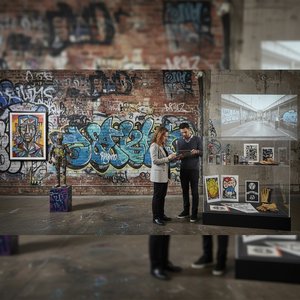
Beyond Graffiti: Exploring the Evolution & Cultural Impact of Street Art for Collectors
Explore the evolution of street art from rebellious origins to a respected fine art form. Discover key artists like Banksy & learn how to collect urban art with confidence. Expert insights for discerning investors.

Street Vibes & Urban Motion: The Ultimate Trend Guide to Bold Pop Art and Street Style Aesthetics
Discover the pulse of urban culture with our guide to Street Vibes & Urban Motion. Explore high-impact Pop Art, bold street aesthetics, and trend-driven decor to transform your space into a dynamic gallery of contemporary motion and color.
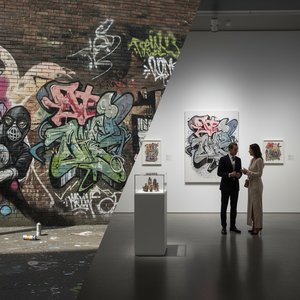
From Walls to Galleries: The Bold Evolution of Street Art and Its Rise into High-End Collectibles
Explore the captivating journey of street art from urban walls to prestigious galleries. Discover how contemporary graffiti has evolved into a high-end collectible movement, redefining modern interior design and global art culture.
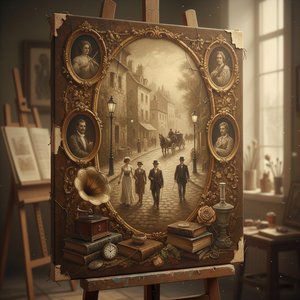
Echoes of Time: Nostalgia, Technique & Cultural Significance in Vintage Paintings
Explore the captivating world of vintage paintings! Discover key styles, cultural significance & collecting tips from art experts at OriginalUniqueArt. Find authentic reproductions and elevate your home décor.
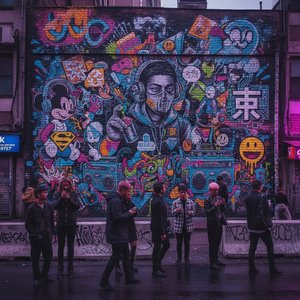
Urban Edge: The High-Impact Revolution of Street Art and Modern Pop Culture Trends
Dive into the high-impact revolution of street art and modern culture. From stencil legends to global urban canvases, explore the trends shaping today's aesthetic. Discover premium, hand-painted reproductions and custom pieces that bring the edge of the streets to your space with OriginalUniqueArt.com.