

 Previzualizare
 Trimite prin felicitare
 Distribuie
 Detalii despre lucrare
 Ghid
Ghid

 Descarcă imaginea
 Produse similare
 Radiografie
 Galerie foto
 Statistici
Melancholy
 Oil On Panel
- WallArt
- Renaissance Master
 1532
1532- Renaissance
 97.0 x 51.0 cm
 Galeria Națională a Danemarcei
 Vezi mai mult
Giclée / Imprimare artistică
Printuri giclée sau pe canvas de calitate muzeală, cu proces de producție rapid și opțiuni flexibile de finisare. ( Comandă pictură realizată manual Comută pe Imagine Digitală)




P118B lei10

P118H lei10

P118W lei10

P438Z lei10

P508JH lei12

P508YH lei12

P805H lei10

P805Z lei10

P919BZ lei10

P919G lei10

P919XJ lei10

P959ZH lei10

P968JZ lei12

W106C lei8

W218G lei10

W218JH lei8

W218Y lei10

W307PJ lei10

W316G lei10

W316PJ lei8

W316Y lei10

W398PJ lei8

W4111J lei10

W500HY lei15

W500JH lei15

W692G lei12

W849H lei8

W940BG lei15

W953PJ lei8




Alegeți dintre dimensiunile noastre prestabilite, care respectă proporțiile originale ale operei de artă.

Introduceți lățimea și înălțimea necesare pentru a se potrivi ramei sau peretelui dumneavoastră. O printare poate fi doar tăiată, niciodată extinsă dincolo de dimensiunea imaginii originale, astfel încât o dimensiune cu o formă diferită va pierde o parte din imagine. Vă trimitem o simulare digitală pentru aprobare înainte de a imprima orice. Imaginea afișată pe această pagină nu prezintă tăierea reală — doar simularea arată acest lucru.
Livrare în întreaga lume () în 2 săptămâni, în loc de cele 4/5 săptămâni standard. (26 Octombrie)

Livrare expres gratuită la nivel mondial

Pânză de in de înaltă calitate

Asigurare completă pentru transport

Garanție de rambursare a taxelor vamale

Garanția fidelității culorilor

Politica de retur în 100 de zile (doar pentru defecte de fabricație)

Garanție de rambursare 100%

Ofertă pentru comenzi multiple
 Opțiunea cu sticlă este disponibilă doar pentru dimensiuni de sub 110 cm

Melancholy
Giclée / Imprimare artistică
Dimensiune reproducere
-


Preț total calculat
lei 370
A Portrait of Uncertainty: Decoding Melancholy
In the quiet, shadowed corners of the Northern Renaissance, few works capture the profound tension between human innocence and existential dread as poignantly as Lucas Cranach the Elder’s Melancholy. Completed in 1532, this oil on panel masterpiece is far more than a mere portrait; it is an enduring enigma that invites the viewer into a deep meditation on mortality and the elusive nature of the human experience. As one gazes upon the composition, there is an immediate sense of being pulled into a world where the boundaries between reality and allegory are beautifully blurred. The painting presents a woman seated with a quiet, heavy grace, accompanied by two infants whose presence serves as a stark, tender contrast to the underlying themes of contemplation and loss.
Cranach’s technical mastery is on full display through his meticulous handling of oil paint, a medium he used to achieve a level of precision that borders on the photographic. Unlike the softer, more atmospheric approaches seen in other contemporary movements, Cranach employs crisp contours and luminous planes of color that give each element—from the delicate folds of drapery to the subtle nuances of skin tone—a startlingly tactile quality. This sharp, almost graphic clarity creates a visual language that feels remarkably modern, anticipating the bold lines of later centuries while remaining firmly rooted in the 16th-century tradition of detail-oriented Northern art.
Symbolism and the Dance of Life and Death
The true power of this artwork lies in its layered symbolism, where every bird, object, and gesture whispers a hidden meaning. The composition is a delicate balance of life and decay; while the two infants represent the purity of potential and the beginning of the human journey, the woman’s introspective gaze suggests an awareness of the inevitable passage of time. The presence of various animals and birds scattered throughout the scene adds a layer of naturalistic complexity, acting as messengers of the soul or symbols of the fleeting nature of earthly joys. This interplay between the innocence of childhood play and the heavy weight of adult reflection creates a psychological depth that continues to captivate collectors and historians alike.
Historically, this piece emerged from the turbulent atmosphere of the German Reformation. As a court painter to the Electors of Saxony and a close associate of Martin Luther, Cranach was uniquely positioned to capture the intellectual ferment of an era grappling with faith, reason, and the restructuring of the world. Melancholy embodies this spirit of transition—a period where the certainties of the past were being challenged by new, often unsettling, philosophical inquiries. For the discerning art lover, owning a reproduction of such a piece is not merely about decorating a space; it is about bringing a conversation piece into one's home that speaks to the universal human condition.
An Inspiration for the Modern Interior
For interior designers and collectors seeking to infuse a room with character and intellectual depth, this painting offers unparalleled versatility. Its rich, somber palette and intricate details make it an exquisite focal point for a study, a library, or a sophisticated living space. The artwork’s ability to evoke a sense of quiet drama allows it to complement both classical, traditional settings and more contemporary, minimalist environments where a single, powerful image can anchor the entire aesthetic. To display Melancholy is to celebrate the beauty of complexity and the timeless allure of the Renaissance spirit, making it a profound addition to any curated collection.
Întrebări și răspunsuri
Cum se îmbină stilul și epoca în "Melancholy" de Lucas Cranach cel Bătrân?
În "Melancholy" de Lucas Cranach cel Bătrân, mișcarea Renaissance Master întâlnește epoca Renașterea.
Este "Melancholy" de Lucas Cranach cel Bătrân o operă de artă cunoscută?
Nivelul de popularitate înregistrat pentru "Melancholy" de Lucas Cranach cel Bătrân este Recognized.
Din ce țară provine lucrarea de Renaissance Master „Melancholy”?
"Melancholy" a fost creat de Lucas Cranach cel Bătrân, născut în Germania, în cadrul mișcării Renaissance Master. Originea artistului leagă această operă de Renaissance Master, așa cum este practicat de artiștii din Germania.
Biografie artist
A Renaissance Master of Saxony: The Life and Art of Lucas Cranach the Elder
Lucas Cranach the Elder, născut în Kronach, Germania, în jurul anului 1472, se află la baza unei figuri cruciale ale Renașterii germane. Viața sa a avut loc într-o perioadă de tulburări religioase și politice profunde, iar arta sa s-a legat inextricabil atât de Reforma Protestantă în curs de desfășurare, cât și de curțile opulente pe care le-a servit. Inițial antrenat de tatăl său, Hans Maler, dezvoltarea artistică timpurie a lui Cranach rămâne parțial învățită, dar influențele maeștrilor sud-germani sunt evidente în stilul său evolutiv. Rapid, el s-a distins nu doar ca un meșteșugar priceput, ci și ca un artist capabil să captureze profunzimea psihologică alături de precizia tehnică – calități care au atras rapid atenția patronilor puternici. În 1504, a intrat în serviciul lui Frederic al III-lea, Electorul Saxoniei, o relație care a definit mult din cariera sa și i-a oferit stabilitate și acces la cercuri influente. Această numire ca pictor de curte în Wittenberg nu a fost doar despre producerea unor opere decorative; ea l-a plasat în centrul unuia dintre cele mai transformatoare mișcări din istoria europeană.Patronaj, Reforma și Inovație Artistică
Poziția lui Cranach în curtea saxonă nu numai că i-a asigurat existența, dar a contribuit și la dezvoltarea sa artistică. El nu documenta doar evenimente; el modela activ narațiunile vizuale într-o perioadă de schimbare profundă. Moștenirea sa cea mai durabilă este probabil asocierea strânsă cu Martin Luther, figura centrală a Reformei Protestante. Cranach a creat nu mai puțin de unsprezece portrete ale lui Luther, fiecare oferind o perspectivă unică asupra personalității și rolului în evoluție al reformatorului. Acestea nu au fost simple reprezentări; erau imagini concepute cu grijă pentru a proiecta autoritate, pioșiță și forță intelectuală – calități esențiale pentru un lider care provoca ordinea religioasă stabilită. Dincolo de portretizare, Cranach a creat scene biblice, în special *Annunciation to Joachim*, care reflectă o nouă atenție acordată pietății individuale în cadrul bisericii reformate. În mod similar, picturile sale mitologice, precum reprezentările lui Venus și ale altor figuri clasice, adesea conțineau semnificații alegorice relevante pentru problemele politice și sociale contemporane. Stag Hunt of Elector Friedrich III the Wise este un exemplu excelent de măiestrie nord-europeană, care prezintă realism detaliat alături de simbolism nobil. Compoziția este dinamică, surprinzând energia vânătorii, dar și statutul electorului.Un Atelier Regal: Stil și Tehnică
Lucas Cranach the Elder nu a fost un artist singular lucrând în izolare. A condus un atelier extrem de productiv, angajând numeroși asistenți și ucenici care au contribuit semnificativ la producția sa. Această abordare colaborativă a însemnat că multe dintre operele atribuite lui Cranach au fost produse sub conducerea sa sau de membrii cercului său. Atelierul Cranach a devenit cunoscut pentru stilul său distinctiv: figuri elegante cu proporții lungi, culori vibrante și atenție meticuloasă la detalii. Tehnica sa implica o combinație de pictură în ulei, gravură pe lemn și gravură în metal, permițându-i să ajungă la un public larg prin opere de artă originale și printuri accesibile. Cranach a fost un maestru al reprezentării umane, capturând cu precizie trăsăturile faciale și emoțiile subiecților săi. Portretele sale sunt la fel de convingătoare, caracterizate de perspicacitatea psihologică și execuția rafinată.Un Legat Istoric: Influență și Moștenire
Lucas Cranach the Elder a murit în 1553, lăsând în urmă o moștenire artistică extraordinară care rezonează astăzi. A fost un maestru al portretizării, un interpret priceput al temelor religioase și un afacerist abil care a înțeles puterea comunicării vizuale. Lucrările sale nu numai că reflectă curentele culturale și intelectuale ale epocii sale, dar au contribuit și la modelarea lor. Atelierul Cranach a continuat să prospere după moartea sa, asigurând perpetuarea stilului său și tehnicilor pentru generații viitoare. Influența sa este văzută în operele numeroase de artişti care au urmat, iar picturile sale rămân printre cele mai căutate de colecționari și muzee din întreaga lume. De la portrete iconice ale lui Martin Luther până la scene mitologice captivante, arta lui Cranach oferă o fereastră fascinantă spre lumea Renașterii germane – o lume marcată atât de întrebări spirituale profunde, cât și de inovație artistică. Abilitatea sa de a combina fervoare religioasă, pricepere politică și talent artistic l-a consacrat ca unul dintre cei mai importanți artiști ai epocii sale, iar contribuțiile sale continuă să inspire și să captiveze publicul secole după secol.
Lucas Cranach cel Bătrân
1472 - 1553 , Germania
Detalii rapide
- Artistic Movement Or Style: Renaștere Germană
- Artists Or Movements Influenced By This Artist:
- Albrecht Dürer
- Renașterism italian
- Artists Who Influenced This Artist:
- Hans Maler
- Maestrii sudgermani
- Date Of Birth: 1472
- Date Of Death: 1553
- Full Name: Lucas Cranach cel Bătrân
- Nationality: German
- Notable Artworks:
- Căderea lui Adam
- Portretul lui Luther
- Vânătoarea de mistreți
- Place Of Birth: Kronach, Germania
Articole similare

The Enduring Power of Painting: A Historical & Contemporary Exploration of Form and Emotion
Explore the rich history & enduring techniques of oil painting with OriginalUniqueArt. Discover masterpieces, learn about art collecting, and find authentic handmade reproductions crafted by skilled artists.
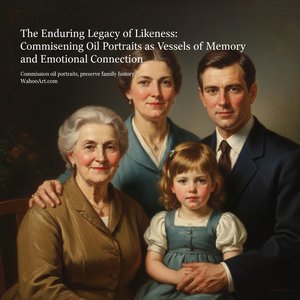
Portrete pe Pânză: Imortalizarea Iubitorilor prin Artă – O Explorare a Legăturii Emoționale și a Moștenirii Familiale
Imortalizați iubirea și legăturile familiale cu portrete personalizate realizate de artiști profesioniști. Descoperiți tehnici artistice rafinate, reproducerea capodoperelor și sfaturi pentru conservarea moștenirii dumneavoastră. Calitate superioară garantată!

Oil on Canvas: A Historical & Technical Exploration of a Timeless Artistic Medium
Explore the rich history & enduring techniques of oil painting on canvas. Discover the science behind its longevity, conservation practices, and contemporary relevance. Expert insights for art enthusiasts.

The Enduring Legacy of Oil on Canvas: Technique, History & Aesthetic Impact
Explore the rich history & techniques of oil painting – from Renaissance masters to Impressionism. Discover pigments, layering methods, and why this timeless medium endures. Expert insights for artists & art enthusiasts.

Moștenirea Durabilă a Picturii în Ulei: Tehnică, Istorie și Practică Contemporană
Descoperă istoria fascinantă și tehnicile esențiale ale picturii în ulei. Ghid complet pentru artiști, de la materiale până la creații contemporane. Îmbunătățește-ți abilitățile artistice!


