Previzualizare
 Trimite prin felicitare
 Distribuie
 Detalii despre lucrare
 Ghid
Ghid

 Descarcă imaginea
 Produse similare
 Radiografie
 Galerie foto
 Q&A
Q&A Statistici
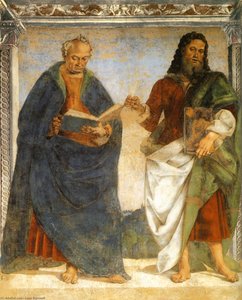
St Augustine Altarpiece (left wing)
 Oil On Canvas
- WallArt
- High Renaissance
 1498
1498 146.0 x 76.0 cm
 Muzeele Statale din Berlin
 Vezi mai mult
Reproducere pictată manual în ulei
Pictură în ulei pe pânză, pictată manual de artiștii noștri la dimensiunea și ramele dorite de dumneavoastră, pe comandă. ( Comută pe versiunea Print Comută pe Imagine Digitală)




P118B lei10

P118H lei10

P118W lei10

P438Z lei10

P508JH lei12

P508YH lei12

P805H lei10

P805Z lei10

P919BZ lei10

P919G lei10

P919XJ lei10

P959ZH lei10

P968JZ lei12

W106C lei8

W218G lei10

W218JH lei8

W218Y lei10

W307PJ lei10

W316G lei10

W316PJ lei8

W316Y lei10

W398PJ lei8

W4111J lei10

W500HY lei15

W500JH lei15

W692G lei12

W849H lei8

W940BG lei15

W953PJ lei8




Alegeți dintre dimensiunile noastre prestabilite, care respectă proporțiile originale ale operei de artă.

Introduceți lățimea și înălțimea necesare pentru a se potrivi ramei sau peretelui dumneavoastră. Această lucrare este pictată manual, așa că, pentru o dimensiune cu o formă diferită, artistul poate picta puțin mai mult în jurul imaginii sau poate tăia puțin din margini — dumneavoastră decideți. Vă vom trimite o simulare digitală pentru aprobare înainte de a începe pictarea. Imaginea afișată pe această pagină nu reprezintă rezultatul real — doar simularea este reprezentativă.
După plasarea comenzii, echipa OriginalUniqueArt.com va contacta clientul prin e-mail pentru instrucțiuni și îi va furniza o previzualizare a machetei
Livrare în întreaga lume () în 3-4 săptămâni, în loc de cele 5 săptămâni standard. (29 Octombrie). Fără compromisuri în ceea ce privește calitatea.

Livrare expres gratuită la nivel mondial

Pânză de in de înaltă calitate

Asigurare completă pentru transport

Garanție de rambursare a taxelor vamale

Garanția fidelității culorilor

Politica de retur în 100 de zile (doar pentru defecte de fabricație)

Garanție de rambursare 100%

Ofertă pentru comenzi multiple
 Opțiunea cu sticlă este disponibilă doar pentru dimensiuni de sub 110 cm

St Augustine Altarpiece (left wing)
Tehnică de reproducere
Dimensiune reproducere
-


Preț total calculat
lei 1395
Luca Signorelli’s St Augustine Altarpiece (Left Wing): A Window into Renaissance Devotion
The left wing of Luca Signorelli's “St Augustine Altarpiece,” completed in 1498 for the Bichi Chapel within the church of Sant’Agostino in Siena, is more than just a beautiful painting; it’s a profound meditation on faith, charity, and the intertwined destinies of earthly and divine figures. Measuring a modest 146 x 76 centimeters, this panel offers an intimate glimpse into the artistic sensibilities of a master navigating the complexities of late Renaissance Italy. Signorelli, already establishing himself as a draftsman of exceptional skill – evidenced by his early work in Arezzo and Castelli – here demonstrates a remarkable ability to imbue a seemingly simple scene with layers of meaning and emotional resonance.
The composition immediately draws the eye to the central trio: three women draped in rich crimson robes, their gestures conveying both solemnity and profound compassion. The woman on the left cradles a baby, a potent symbol of innocence and new life – a direct reference to Mary holding infant Jesus. Beside her stands another woman, supporting a child, mirroring the Virgin’s protective embrace. The third figure, positioned slightly further back, gazes downwards with an expression of quiet contemplation, perhaps reflecting on the spiritual journey or offering solace to those she observes. These women are not merely decorative elements; they represent key figures in Christian iconography – Mary Magdalene, Saint Catherine of Siena, and Saint Jerome, each embodying a specific virtue and contributing to the altarpiece’s overarching theme of divine grace.
Adding depth to this devotional tableau are two men, subtly integrated into the scene. One stands near the center, engaged in conversation with the women, while the other is positioned on the left side, seemingly observing the proceedings. Their presence suggests a community united by faith and shared devotion – a microcosm of Renaissance society reflecting upon spiritual matters. Signorelli’s masterful use of foreshortening, a technique he honed during his time in Florence under Piero della Francesca, creates a sense of spatial realism, drawing the viewer into this intimate tableau. The figures appear to be caught in a moment of genuine interaction, their expressions conveying a palpable sense of warmth and connection.
Technique and Style: High Renaissance Refinement
Signorelli’s style within this altarpiece is firmly rooted in the High Renaissance, yet it possesses a distinctly Italian character. He skillfully blends classical influences with his own innovative approach to composition and color. The use of *sfumato*, a technique popularized by Leonardo da Vinci, softens the edges of the figures and creates an atmospheric haze that enhances the sense of depth and realism. The rich crimson robes are rendered with meticulous detail, their textures suggesting luxurious fabrics while simultaneously conveying a sense of solemnity. Signorelli’s palette is restrained yet vibrant, dominated by earthy tones – ochres, siennas, and umbers – punctuated by flashes of red and gold.
Signorelli's mastery of drawing is immediately apparent in the precise rendering of the figures’ anatomy and drapery. He demonstrates a deep understanding of human form, capturing both its beauty and vulnerability with remarkable accuracy. The subtle gradations of light and shadow – *chiaroscuro* – further enhance the sense of realism, creating a three-dimensional effect that draws the viewer into the scene. The composition is carefully balanced, with each figure occupying a specific space within the frame, contributing to the overall harmony and visual impact of the work.
Historical Context: Siena and the Renaissance
To fully appreciate the “St Augustine Altarpiece,” it’s crucial to understand its historical context. Siena in the late 15th century was a thriving center of commerce, art, and religious devotion. The Bichi Chapel, where the altarpiece resided, served as a focal point for community life, reflecting the city's wealth and piety. The commission itself underscores the importance of religious patronage during this period – wealthy families like the Piccolominis sought to demonstrate their faith through lavish displays of art and architecture.
Signorelli’s work reflects the broader trends of the High Renaissance, which emphasized humanism, classical learning, and a renewed interest in naturalism. However, unlike some of his contemporaries who embraced Mannerist styles characterized by elongated figures and distorted perspectives, Signorelli maintains a sense of balance and clarity. His altarpiece embodies a harmonious blend of tradition and innovation, reflecting the artistic sensibilities of a master navigating the complexities of his time.
A Timeless Reflection on Faith and Humanity
The “St Augustine Altarpiece (Left Wing)” is more than just a beautiful painting; it’s a poignant meditation on faith, charity, and the enduring power of human connection. Signorelli's masterful composition, skillful technique, and profound understanding of religious iconography combine to create an image that continues to resonate with viewers centuries after its creation. Reproductions capture the essence of this work, allowing us to experience its beauty and emotional depth in our own homes. It serves as a reminder of the enduring legacy of Renaissance art – a testament to the power of human creativity to express profound spiritual truths.
Întrebări și răspunsuri
În ce cameră ar recomandați să amplasați "St Augustine Altarpiece (left wing)" de Luca Signorelli, având în vedere culorile sale?
Având în vedere paleta de culori Earthy, recomandăm pentru "St Augustine Altarpiece (left wing)" o Living Room.
Cum pot descoperi opere de artă similare cu "St Augustine Altarpiece (left wing)" de Luca Signorelli?
Descoperă opere de artă similare cu "St Augustine Altarpiece (left wing)" de Luca Signorelli în pagina Lucrări similare a lucrării.
Unde ar trebui expusă o reproducere a "St Augustine Altarpiece (left wing)" de Luca Signorelli?
Cu formatul său Tall, o reproducere a operei „St Augustine Altarpiece (left wing)” este recomandată pentru un Living Room.
Biografie artist
primii ani de viață și formarea artistică
Luca Signorelli, pictor al Renașterii italiene, s-a născut în Cortona, Toscana, în jurul anului 1450. Deși data exactă a nașterii sale rămâne incertă, se crede că aceasta se situează între anii 1441 și 1445. Artistul a devenit faimos pentru abilitatea sa excepțională de desenator și pentru utilizarea inovatoare a perspectivelor scurte, tehnica cunoscută sub numele de foreshortening.cariera artistică
Primele impresii artistice ale lui Signorelli par să fi prisut în Perugia, unde a fost influențat de stilurile unor maeștri precum Benedetto Bonfigli și Pinturicchio. Conform relatărilor lui Giorgio Vasari, Signorelli a fost ucenit sub îndrumarea lui Piero della Francesca, prin intermediul unchiului său matern, Lazzaro Vasari. Opera sa poate fi regăsită în diverse locații importante, inclusiv Arezzo (1472) și Città di Castello (1474). Una dintre lucrările sale remarcabile este pictura „Școala lui Pan”, care i-a fost prezentată lui Lorenzo de' Medici; această piesă impresionează printr-o reprezentare realistă a formei umane, demonstrând măiestria lui Signorelli în utilizarea chiascurului și a perspectivei liniare.lucrări remarcabile
- Ultima Judecată (1499-1503), Catedrala Orvieto - considerată capodopera sa, acest fresc monumental ilustrează cu o forță incredibilă viziunea apocalipsei și a judecății finale.
- Poliptichul Sfântului Medard (1507), Muzeul San Medardo, Arcevia, Italia - un exemplu de primă clasă al creației sale, oferind o reprezentare naturalistică și extrem de detaliată a corpului uman.
mișcarea artistică
Signorelli a fost o figură centrală în cadrul Renașterii italiene, o perioadă care a marcat tranziția crucială între Europa medievală și cea modernă timpurie. Această epocă a adus o revitalizare a tradițiilor clasice, punând un accent profund pe naturalism și pe spiritul umanist.- Mișcarea artistică a Renașterii timpurii - o scurtă introducere în curentul care a modelat cursul istoriei artei.
- Fra Angelico - artistul celebru care i-a influențat opera lui Signorelli și care era recunoscut pentru talentul său excepțional de pictor.
- Luca Signorelli - o scurtă biografie a artistului, prezentând lucrările sale cele mai importante și contextul mișcației din care a făcut parte.
moștenirea artistică
Opera lui Signorelli a avut un impact profund asupra dezvoltării artei renascentiste. Tehnica sa de foreshortening și precizia de desenator au influențat numeroși artiști care au urmat urmele sale. Ca figură proeminentă a Renașterii italiene, moștenirea lui Signorelli este continuată prin operele sale, care pot fi admirate în diverse muzee și catedrale din întreaga Italie. date importante:- 1450: născut în Cortona, Toscana
- 1499-1503: a creat Ultima Judecată, Catedrala Orvieto
- 1523: deces, lăsând în urmă o moștenire de artă excepțională

Luca Signorelli
1450 - 1523 , Italia
Detalii rapide
- Artistic Movement Or Style: Renaissance
- Artists Or Movements Influenced By This Artist: ['Fra Angelico']
- Artists Who Influenced This Artist: ['Piero della Francesca']
- Date Of Birth: circa 1445
- Date Of Death: 16 octombrie 1523
- Full Name: Luca d’Egidio di Ventura Signorelli
- Nationality: Italian
- Notable Artworks:
- The Last Judgment
- School of Pan
- Place Of Birth: Cortona, Italia
Articole similare

The Enduring Muse: Women as Subject & Symbol in Art History
Explore the rich history of women in art – from iconic muses to groundbreaking artists. Discover feminist movements, global perspectives & reclaim female narratives with OriginalUniqueArt.
Sacred Expressions: A Journey Through Devotional Art Across Cultures & Eras
Explore the rich history of devotional art across cultures & eras with expert insights! Discover iconic masterpieces, symbolism, and artistic techniques. A guide for collectors & enthusiasts.
Sacred Expressions: A Journey Through Devotional Art Across Cultures & Eras
Explore the rich history of devotional art across cultures & eras. Discover iconic masterpieces, symbolism, and artistic techniques. Expert insights for collectors & enthusiasts.
The Enduring Muse: Women as Subject & Symbol in Art History
Explore the rich history of women in art – from archetypal representations to contemporary voices challenging norms. Discover iconic artists & movements, and learn about reclaiming female narratives through painting and beyond.

Sacred Narratives on Canvas: Exploring Devotional Imagery Across Art History
Explore the rich history of devotional art! Discover iconic masterpieces, symbolism & techniques from antiquity to the Renaissance. Expert insights for collectors & enthusiasts at OriginalUniqueArt.